Content Menu
● What is powdered activated carbon?
● Typical applications of powdered activated carbon
● How powdered activated carbon works
● Is powdered activated carbon expensive?
● Main cost drivers of powdered activated carbon
● Cost per m³ of water or per kg of product
● Comparing powdered activated carbon with other carbons
>> Powdered vs granular activated carbon
● Cost‑benefit perspective for key industries
● When powdered activated carbon may feel expensive
● Practical strategies to control PAC cost
● Conclusion
● FAQ
>> 1. Is powdered activated carbon more expensive than granular activated carbon?
>> 2. Why do prices of powdered activated carbon vary so much?
>> 3. How can I reduce my powdered activated carbon consumption?
>> 4. Is powdered activated carbon safe for food and drinking water applications?
>> 5. When should I choose powdered activated carbon instead of other treatment methods?
● Citations:
Is powdered activated carbon expensive? In most industrial and environmental projects, powdered activated carbon (PAC) is considered cost‑effective rather than expensive, especially when you compare its price to the value it delivers in purification performance and regulatory compliance. The actual cost depends on raw material, quality grade, supply volume, and application, but typical prices often range from well under 1 USD/kg in bulk to a few USD/kg for specialized grades.[1][2][3][4]
What is powdered activated carbon?
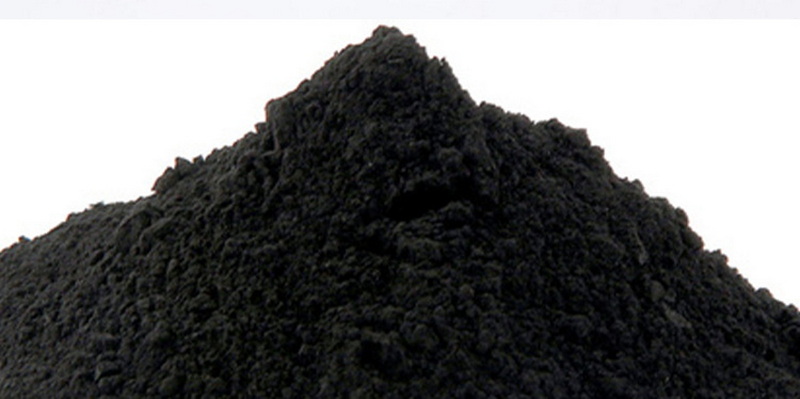
Powdered activated carbon is a very fine, black adsorbent material produced by activating carbonaceous raw materials such as coal, coconut shell, wood, or bamboo to create a huge internal surface area. PAC usually has particle sizes below 0.18 mm, which allows it to disperse quickly in liquids and adsorb dissolved contaminants very efficiently.[5][6][7][1]
Because of its high porosity and surface area, powdered activated carbon is widely used to remove color, odor, taste‑causing compounds, organic micropollutants, and trace contaminants from water, air, chemicals, and food liquids. It is typically dosed as a slurry or dry powder directly into the process stream and later removed by sedimentation, filtration, or other solid‑liquid separation methods.[8][6][9][1]
Typical applications of powdered activated carbon
Powdered activated carbon is highly versatile and used across many industries where purity and safety are critical. Choosing PAC allows operators to solve contamination issues quickly without major changes to existing process equipment.[6][9][8][1]
Key application areas include:
- Water and wastewater treatment: Removal of pesticides, herbicides, chlorine by‑products, taste and odor compounds, pharmaceuticals, and other organic micropollutants.[7][1][6]
- Food and beverage processing: Decolorization and deodorization of sugar, syrups, juices, edible oils, and beverage alcohols.[9][8][6]
- Chemical and pharmaceutical industries: Purification and decolorization of intermediates, solvents, APIs, and fine chemicals.[1][9]
- Air and gas purification: Adsorption of VOCs, odors, and emergency spills in certain gas‑phase or vapor treatment scenarios, often as a rapid or temporary measure.[9][7][1]
How powdered activated carbon works
The performance and perceived cost of powdered activated carbon are directly linked to its adsorption mechanism. PAC removes contaminants mainly through physical adsorption in its micro‑ and mesopores, driven by Van der Waals forces and, in some cases, chemical interactions.[6][7]
Because PAC is finely powdered, it offers extremely fast adsorption kinetics: contaminants in water, beverages, or process liquids quickly diffuse into the pore structure and are trapped on the internal surface. This rapid action reduces required contact time and allows PAC to handle shock loads, seasonal taste and odor events, or batch‑based purification tasks efficiently.[1][6][9]
Is powdered activated carbon expensive?
At first glance, the unit price of powdered activated carbon may appear significant, but in most industrial contexts PAC is considered economical when evaluated per treated cubic meter of water or per kilogram of purified product. Global price benchmarks for activated carbon (including powdered grades) in 2025 show average regional prices around 1.6–2.1 USD/kg, with some specialized products and packaging formats priced higher.[2][4][10][1]
Online listings for powdered activated carbon products indicate a broad range depending on raw material, mesh size, iodine number, certification, and order volume, from around 0.4–0.7 USD/kg for bulk coal‑based PAC up to several hundred USD per ton for high‑performance specialty grades. When you factor in how small the dosage often is—typically a few mg/L in water treatment or a small percentage of product weight in food and pharma—the cost contribution per ton of finished product or per cubic meter of water is usually quite low.[3][2][6][9][1]
Main cost drivers of powdered activated carbon
Several factors determine whether a specific powdered activated carbon will seem “expensive” or “cheap” in your application.[4][2][1]
Key cost drivers include:
- Raw material and type: Coconut shell and specialty wood‑based PACs usually cost more than standard coal‑based products, but they may offer higher activity or stricter purity levels.[11][2][3]
- Activity and performance parameters: Higher iodine number, lower ash content, tighter particle size distribution, and optimized pore structure increase production cost but can lower your required dosage.[9][1]
- Certifications and compliance: Food‑grade, pharma‑grade, or potable‑water‑certified PAC (e.g., NSF/ANSI or similar standards) often commands a premium because of tighter quality control and traceability.[12][8][9]
- Packaging and logistics: Small packaged volumes (1 kg, 25 kg bags) cost more per kg than bulk or big‑bag shipments due to handling and packaging costs.[13][14][2]
- Market conditions: Global supply and demand, energy prices, and shipping costs influence activated carbon prices regionally and over time.[10][4]
Cost per m³ of water or per kg of product
To judge whether powdered activated carbon is truly expensive, it is more useful to look at cost per treated unit instead of just price per kilogram. In drinking‑water treatment, typical PAC dosages to address taste, odor, or organic micropollutants often fall within a range of roughly 5–50 mg/L, depending on raw water quality and PAC grade.[4][6][1]
At 10 mg/L, one kilogram of powdered activated carbon treats about 100 m³ of water, so a PAC cost of 2 USD/kg translates to around 0.02 USD/m³ for the carbon itself. In food, beverage, and pharmaceutical applications, PAC dosages are commonly a small percentage of product weight (for example, 0.1–2%), and the PAC is filtered off after adsorption, so the cost impact per kilogram of finished product remains relatively modest compared with the value of product purity and yield.[8][6][4][1][9]
Comparing powdered activated carbon with other carbons
Many users decide whether to use powdered activated carbon or granular activated carbon (GAC) based on both technical and economic criteria. PAC typically offers lower capital cost and greater flexibility, while GAC often provides longer service life in continuous‑flow systems.[15][7][1]
Powdered vs granular activated carbon
| Aspect | Powdered activated carbon (PAC) | Granular activated carbon (GAC) |
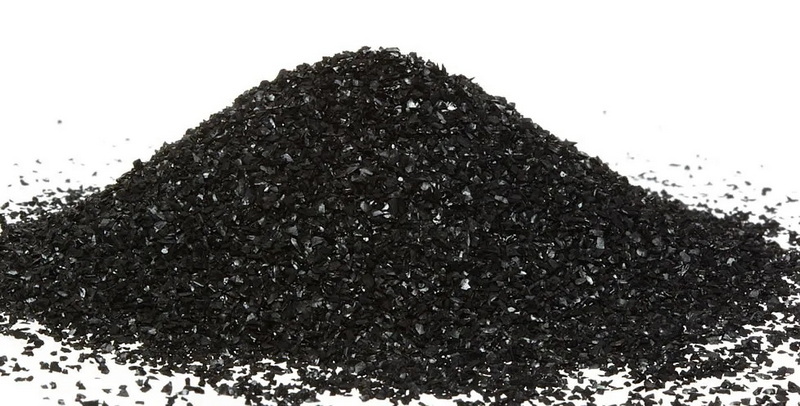
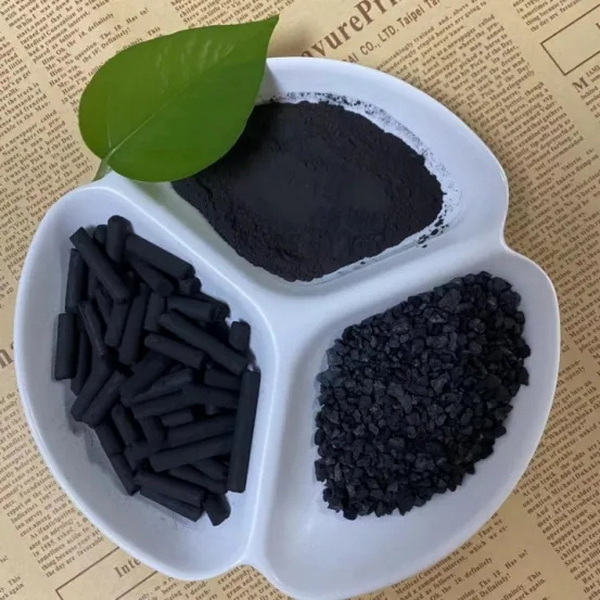
| Typical particle size | Very fine powder, <0.18 mmredox | Granules, often 0.5–4 mmcqconcepts |
| Typical usage mode | Dosed into liquid, then separatedredox+1 | Fixed beds or columns with backwashbygen+1 |
| Capital investment | Low (mainly dosing and mixing)redox+1 | Higher (columns, vessels, piping)bygen+1 |
| Operating flexibility | Very high; easy to adjust dosageredox+1 | Moderate; change flow or bed onlybygen |
| Best suited for | Batch treatment, seasonal events, polishingredox+1 | Continuous treatment, long‑term filtrationbygen+1 |
| Typical cost perception | Economical at low doses per m³redox+1 | Economical over long service cyclesbygen+1 |
In many municipal and industrial plants, powdered activated carbon is chosen to handle peak load or seasonal contamination events because its low capital requirement and fast adsorption make it cost‑effective. GAC can be more economical for stable, continuous‑flow operations where long bed life and easier regeneration justify the higher initial investment.[15][7][1]
Cost‑benefit perspective for key industries
When evaluating whether powdered activated carbon is expensive, engineers usually compare PAC cost to the benefits: compliance with regulations, improved product quality, brand protection, and reduced downstream issues. In many cases, the overall savings from avoiding off‑spec product, odor complaints, or environmental penalties far exceed the raw material cost of PAC.[10][6][1]
Examples of value in key sectors include:
- Drinking water utilities: PAC helps utilities meet strict limits for pesticides, disinfection by‑products, and emerging contaminants while preventing taste and odor problems that generate consumer complaints and reputational risk.[7][6][1]
- Food and beverage producers: By improving color and sensory quality and removing unwanted impurities, powdered activated carbon supports stable recipes, better shelf appeal, and fewer product recalls.[17][8][6]
- Chemical and pharmaceutical manufacturers: PAC reduces trace impurities and colored by‑products, increasing yield of on‑spec product and avoiding costly batch rejection.[1][9]
When powdered activated carbon may feel expensive
There are scenarios where powdered activated carbon can appear costly, especially if dosing or carbon selection is not optimized. High consumption rates due to over‑dosing, poor mixing, or using a suboptimal grade can significantly increase operating costs without proportional performance gains.[6][4][9][1]
PAC may also seem expensive when:
- High‑purity or specialty grades are required for sensitive pharmaceutical or food applications with very tight impurity limits.[12][9]
- Plants treat extremely contaminated streams that demand high PAC dosages to reach discharge or product quality targets.[6][1]
- Logistics or supply chain disruptions push up regional prices or minimum order quantities.[4][10]
Practical strategies to control PAC cost
For operators worried that powdered activated carbon is expensive, several practical measures can improve cost efficiency without compromising treatment performance.[9][1][6]
Recommended strategies include:
- Optimizing dose through jar testing or pilot trials to find the lowest effective PAC dosage for your specific water or product.[1][6]
- Selecting the right PAC grade (coal‑based, coconut‑based, wood‑based, different iodine levels) tailored to your target contaminants and process conditions.[2][9][1]
- Improving mixing and contact time so that powdered activated carbon can fully utilize its surface area and pore structure.[6][1]
- Combining PAC with other treatment technologies such as coagulation, membrane filtration, or biological treatment to share the load and reduce carbon consumption.[7][1]
- Purchasing in appropriate bulk formats or long‑term supply contracts to secure stable, competitive pricing.[14][2][4]
Conclusion
In most real‑world applications, powdered activated carbon is not inherently expensive; it is a cost‑effective adsorption solution whose value depends on correct grade selection, optimized dosage, and process design. When evaluated per cubic meter of treated water or per kilogram of purified product, PAC typically contributes only a small fraction of total treatment or production cost while delivering major benefits in performance, compliance, and product quality. For industrial users in water treatment, air and gas purification, food and beverage, chemical, and pharmaceutical sectors, a well‑designed powdered activated carbon program is usually a smart investment rather than an unnecessary expense.[10][8][4][9][6][1]
FAQ
1. Is powdered activated carbon more expensive than granular activated carbon?
Powdered activated carbon often has similar or slightly lower price per kilogram compared to many granular activated carbon products, but the real comparison depends on application, dosage, and system design. PAC usually requires lower capital investment, while GAC may offer lower long‑term operating cost in continuous fixed‑bed systems.[15][4][7][1]
2. Why do prices of powdered activated carbon vary so much?
Prices vary because of differences in raw materials, activation processes, performance specifications, certifications, packaging formats, and regional market conditions. High‑purity, food‑grade or pharma‑grade powdered activated carbon with strict quality control typically costs more than standard grades for general industrial or wastewater use.[3][12][2][8][4][9]
3. How can I reduce my powdered activated carbon consumption?
You can lower consumption by optimizing PAC dose through testing, choosing a grade tailored to your contaminants, and improving mixing, contact time, and pre‑treatment steps. Combining powdered activated carbon with coagulation, membrane filtration, or biological processes also helps share the load and reduce carbon demand.[9][6][7][1]
4. Is powdered activated carbon safe for food and drinking water applications?
Yes, when you select food‑grade or potable‑water‑approved powdered activated carbon that meets relevant standards, it is widely used for beverages, sugar solutions, edible oils, and drinking water treatment. These PAC grades are produced under strict quality systems to ensure low impurities, consistent performance, and regulatory compliance.[12][17][8][9]
5. When should I choose powdered activated carbon instead of other treatment methods?
Choose powdered activated carbon when you need rapid, flexible treatment of organic contaminants, color, odor, or taste issues, especially in batch processes or seasonal events. PAC is also ideal when you want minimal capital investment and the ability to adjust treatment intensity simply by changing dosage.[15][6][1]
Citations:
[1](https://redox.com/products/activated-carbon-powdered/)
[2](https://www.accio.com/plp/powdered-activated-carbon-price)
[3](https://www.made-in-china.com/products-search/hot-china-products/Powdered_Activated_Carbon.html)
[4](https://businessanalytiq.com/procurementanalytics/index/activated-carbon-prices/)
[5](https://ingredientdepot.com/products/carbon-activated-1-kg)
[6](https://allcarbontech.com/powder-activated-carbon/)
[7](https://www.atlascarbon.com/what-is-activated-carbon)
[8](https://www.calgoncarbon.com/powdered-activated-carbon/)
[9](https://medaad.com/powder-activated-carbon/)
[10](https://www.kingdotech.com.cn/activated-charcoal-cost/)
[11](https://www.siliconactivatedcarbon.com/activated-carbon.html)
[12](https://www.laballey.com/collections/activated-charcoal)
[13](https://store.proof33.com/products/s-51-powdered-activated-carbon)
[14](https://activatedcarbondepot.com/collections/activated-carbon)
[15](https://www.bygen.com.au/post/granular-vs-powdered-activated-carbon-which-one-is-right-for-your-application)
[16](https://cqconcepts.com/product/activated-carbon-charcoal-1-lb/)
[17](https://www.chemviron.eu/activated-carbon-for-beverages-purification/)
[18](https://store.awwa.org/AWWA-B600-24-Powdered-Activated-Carbon)
[19](https://www.alibaba.com/showroom/activated-carbon-price-in-kg.html)
[20](https://www.laballey.com/products/activated-carbon-charcoal-powder-food-grade-coal-based)


