Content Menu
● What Is Activated Carbon?
● How Activated Carbon Works
● Main Forms of Activated Carbon and Their Uses
>> Granular Activated Carbon (GAC)
>> Powdered Activated Carbon (PAC)
>> Pelletized / Extruded Activated Carbon
● Key Industrial Applications of Activated Carbon
>> Water Treatment
>> Air and Gas Purification
>> Food and Beverage Industry
>> Chemical and Pharmaceutical Industry
>> Oil, Gas, and Refining
● How to Use Activated Carbon in Water Treatment
>> Step 1: Define Treatment Objectives
>> Step 2: Select the Right Activated Carbon
>> Step 3: Design the Activated Carbon Filter Bed
>> Step 4: Install and Start Up the System
>> Step 5: Operate, Monitor, and Maintain
● How to Use Activated Carbon in Air and Gas Purification
>> Step 1: Identify Target Pollutants and Conditions
>> Step 2: Select Activated Carbon Grade and Form
>> Step 3: Design or Choose Filter Modules
>> Step 4: Install, Operate, and Monitor
● Using Activated Carbon in Food and Beverage Processes
>> Batch Treatment with Powdered Activated Carbon
>> Continuous Filtration with Granular Activated Carbon
● Safe Handling, Regeneration, and Disposal of Activated Carbon
● Practical Tips for Optimizing Activated Carbon Performance
● Conclusion
● FAQ About Activated Carbon
>> 1. What is activated carbon and how does it work?
>> 2. How often should activated carbon be replaced?
>> 3. Can activated carbon remove all contaminants from water or air?
>> 4. What is the difference between powdered and granular activated carbon?
>> 5. Is activated carbon safe to use in food and beverage applications?
● Citations:
Activated carbon is a versatile purification material used in water treatment, air and gas purification, food and beverage processing, chemical production, and pharmaceuticals. When you understand how to select, apply, and maintain activated carbon correctly, you can significantly improve product purity, process efficiency, and environmental compliance across many industrial applications.
Activated carbon is valued because it combines a very high internal surface area with a complex pore structure, allowing it to adsorb a wide range of contaminants from both liquids and gases. In practice, activated carbon can remove color, odor, taste, organic pollutants, certain inorganic compounds, and many trace impurities that cause quality or regulatory problems. This makes activated carbon a core technology for modern industrial purification systems.
What Is Activated Carbon?
Activated carbon is a carbon-based material that has been processed (usually by steam or chemical activation) to create a highly porous structure. Those pores generate an immense internal surface area, often in the range of hundreds or even over a thousand square meters per gram. Because of this structure, activated carbon can adsorb molecules from surrounding fluid streams onto its surface, trapping them inside the pores.
From a practical standpoint, activated carbon is usually manufactured from raw materials such as coal, coconut shell, wood, or other carbon-rich feedstocks. Each raw material and activation method produces a slightly different pore size distribution and surface chemistry. This affects which contaminants the activated carbon can remove most efficiently and how it behaves in specific process conditions.
Industrially, activated carbon is commonly supplied in three main physical forms:
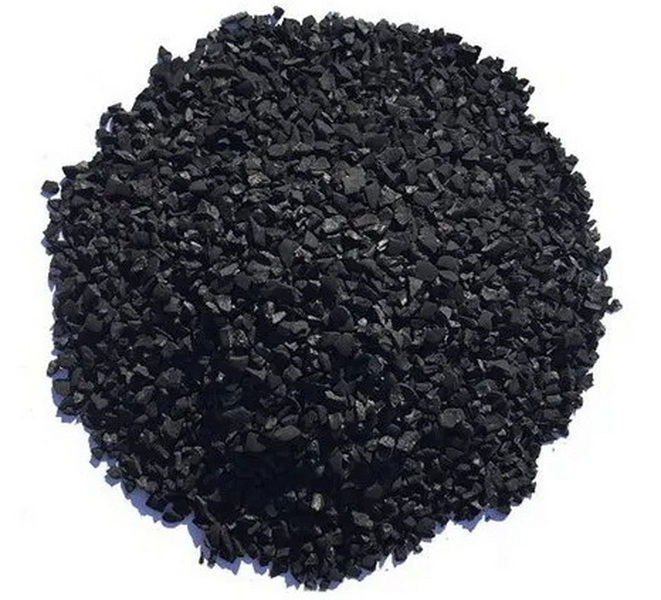
- Granular activated carbon (GAC), which consists of relatively large particles used in fixed filter beds and columns.
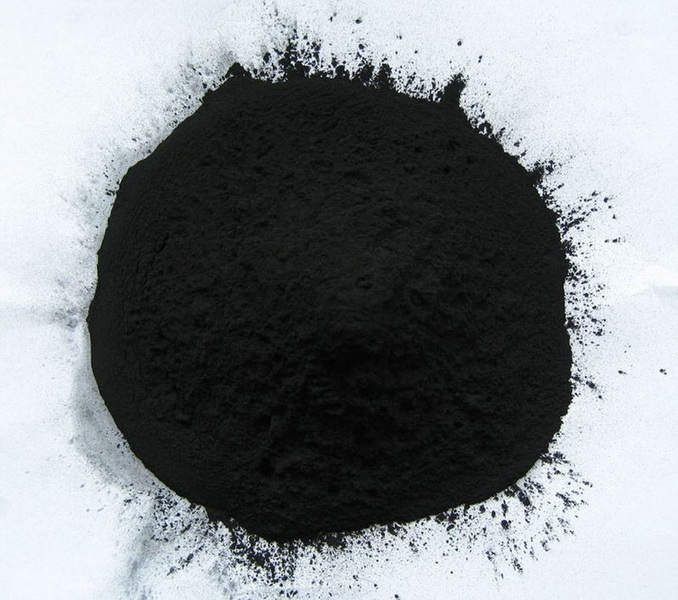
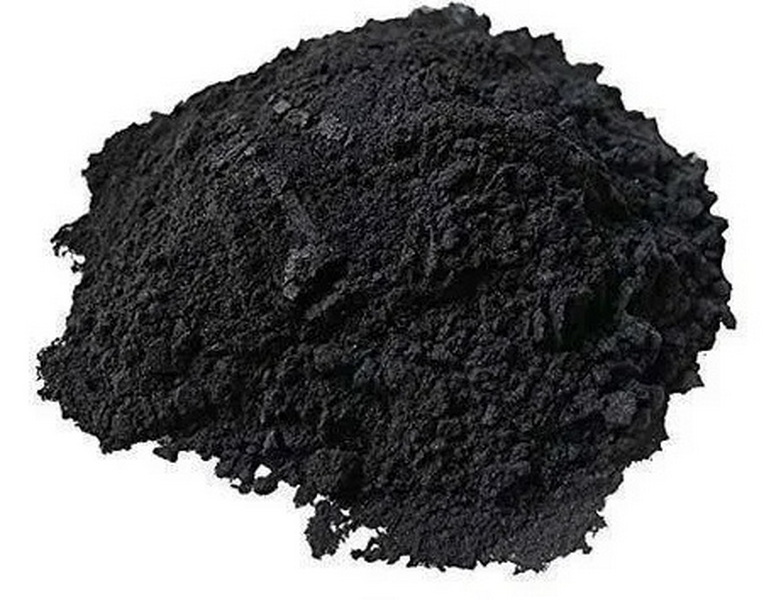
- Powdered activated carbon (PAC), which consists of fine powders used in batch treatment or as a dosing additive into tanks and process streams.
- Extruded or pelletized activated carbon, which is shaped into cylindrical or other uniform pellets often used in gas-phase applications, solvent recovery, and emission control.
Because of its flexible forms and tunable properties, activated carbon can be tailored to serve many different process requirements, from polishing high-purity water to removing corrosive gases from flue streams.
How Activated Carbon Works
Activated carbon works mainly through adsorption, not absorption. In adsorption, molecules from water or gas are attracted to and held on the surface of the activated carbon, especially inside the internal pore structure. The driving forces for adsorption include Van der Waals forces, electrostatic interactions, and, in some specialty carbons, chemical reactions or impregnation effects.
The adsorption process typically follows these steps:
1. Contaminant molecules are transported from the bulk fluid to the external surface of the activated carbon.
2. The molecules diffuse into the pore structure of the activated carbon.
3. The molecules adhere to the internal surface and remain there until the activated carbon becomes saturated.
Over time, as more contaminants accumulate on the activated carbon, the available surface area decreases, and the adsorption capacity drops. When the activated carbon becomes saturated, contaminants begin to appear again in the treated effluent—this is known as breakthrough. At that point, the activated carbon must be replaced or regenerated to restore performance.
Key factors that influence how activated carbon works include:
- Pore size distribution and surface area
- Type and concentration of contaminants
- Contact time between activated carbon and fluid
- Temperature and pH (for liquids)
- Humidity and temperature (for gases)
- Presence of competing substances
Understanding these parameters helps you design an efficient activated carbon system and predict when the media will need replacement or regeneration.
Main Forms of Activated Carbon and Their Uses
Granular Activated Carbon (GAC)
Granular activated carbon consists of relatively uniform granules. It is used primarily in fixed beds and columns where liquid or gas flows through the activated carbon bed. GAC is common in:
- Drinking water and process water filters
- Wastewater polishing filters
- Industrial gas treatment beds
- Vapor phase adsorption systems
Because GAC is relatively robust and can withstand backwashing and hydraulic stress, it is a preferred choice for continuous treatment systems.
Powdered Activated Carbon (PAC)
Powdered activated carbon is milled into fine particles that can be dosed directly into process liquids. PAC is used in:
- Batch decolorization of liquids, such as sugar syrups and beverages
- Taste and odor treatment in water plants
- Emergency treatment for accidental contamination events
- Industrial wastewater treatment where flexible dosing is needed
After contact, PAC is typically removed via filtration, sedimentation, or other solid–liquid separation methods. This approach allows short-term or targeted use of activated carbon without building fixed beds.
Pelletized / Extruded Activated Carbon
Pelletized activated carbon is formed into cylindrical pellets or other shapes with controlled size and mechanical strength. This form is widely used in:
- Air purification systems and VOC removal
- Solvent recovery plants
- Gas-phase emission control in industrial processes
- Protection of catalysts and equipment in gas treatment lines
Pellets provide low pressure drop, high mechanical strength, and easy handling, which are especially important for high-flow gas streams.
Key Industrial Applications of Activated Carbon
Activated carbon plays a central role in many industries. Below are the main sectors where activated carbon is widely used and how it is typically applied.
Water Treatment
In water treatment, activated carbon is used to improve taste and odor, remove organic contaminants, and protect downstream processes. Common applications include:
- Municipal drinking water treatment
- Industrial process water preparation
- Groundwater and surface water purification
- Wastewater polishing before discharge or reuse
In these systems, granular activated carbon is usually installed in pressure filters, gravity filters, or contactors. Water passes through the activated carbon bed, and contaminants are adsorbed as the water flows from inlet to outlet.
Air and Gas Purification
In air and gas treatment, activated carbon removes volatile organic compounds (VOCs), odors, and harmful gases from process vents, exhaust streams, and indoor air. Typical uses include:
- HVAC systems in commercial buildings and clean rooms
- Industrial exhaust air treatment for VOCs and odors
- Flue gas treatment in power plants and incinerators
- Gas purification and solvent recovery in chemical plants
Pelletized or granular activated carbon is packed into cartridges, trays, or deep beds within specially designed housings. Gas flows through these beds, and contaminants are captured on the activated carbon.
Food and Beverage Industry
Activated carbon is a trusted purification tool in food and beverage processes because it helps achieve consistent quality and appearance. Common examples include:
- Decolorization of sugar solutions and sweeteners
- Removal of off-flavors and odors in juices, wines, and alcoholic beverages
- Polishing of process water used in bottling, brewing, and food preparation
In many cases, powdered activated carbon is added to liquid batches, allowed to contact for a specified time, and then removed by filtration. In other cases, granular activated carbon filters are used to continuously polish process water or product streams.
Chemical and Pharmaceutical Industry
In chemical and pharmaceutical production, activated carbon is used to purify intermediates, protect catalysts, and achieve high purity in final products. Typical applications include:
- Decolorization of chemical intermediates and active ingredients
- Removal of trace organic impurities that affect product quality
- Protection of downstream catalysts by removing poisons and contaminants
- Purification of solvents, acids, and bases with specialized activated carbon grades
The high surface area and tunable surface chemistry of activated carbon are especially valuable in fine chemicals and pharmaceuticals, where very low impurity levels are required.
Oil, Gas, and Refining
In oil and gas processing and petroleum refining, activated carbon is used to:
- Remove sulfur-containing compounds and other impurities from process streams
- Protect catalysts in refining units
- Treat wastewater and process water
- Control VOC emissions and odors
Pelletized or granular activated carbon systems are common in these demanding environments due to their mechanical strength and ability to handle high temperatures and flow rates.
How to Use Activated Carbon in Water Treatment
Proper design and operation of an activated carbon water treatment system are essential to achieve stable and predictable performance. The typical process for implementing activated carbon in water treatment includes the following steps.
Step 1: Define Treatment Objectives
First, identify which contaminants you need to remove with activated carbon. Common targets include:
- Organic micropollutants (e.g., pesticides, industrial organics)
- Taste and odor compounds
- Residual chlorine and chlorinated organics
- Color-causing substances and natural organic matter
You also need to define the required effluent quality, acceptable pressure drop, flow rate, and operating temperature. These parameters influence the selection and design of the activated carbon system.
Step 2: Select the Right Activated Carbon
Selecting the right activated carbon is crucial. Key considerations include:
- Choosing between granular activated carbon and powdered activated carbon based on whether your process is continuous or batch.
- Evaluating pore size distribution to match the size of the molecules you want to remove.
- Considering raw material (coal, coconut shell, wood) and surface chemistry, which can influence adsorption capacity for specific contaminants.
- Checking physical properties such as hardness, density, and abrasion resistance to ensure a long service life in filters.
In many municipal and industrial systems, granular activated carbon is preferred for continuous filtration, while powdered activated carbon is used for batch or emergency treatment.
Step 3: Design the Activated Carbon Filter Bed
For filters and contactors using granular activated carbon, you need to design:
- Bed depth, which influences the available mass of activated carbon and contact time.
- Empty-bed contact time (EBCT), which is the theoretical time water spends in the bed.
- Hydraulic loading rate, which determines flow velocity through the activated carbon.
- Backwashing and rinsing procedures to control pressure drop and remove accumulated solids.
A deeper activated carbon bed with adequate contact time generally offers better adsorption performance and longer breakthrough times, but it also requires more media and higher capital cost. Balancing these factors is part of good system design.
Step 4: Install and Start Up the System
When installing a new activated carbon filter:
- Fill the vessel with activated carbon according to the manufacturer's instructions.
- Perform an initial backwash to expand and classify the bed and remove fines and dust.
- Rinse the bed until the outlet water is clear and free of carbon fines.
- Bring the filter online at the design flow rate and monitor initial performance.
Proper start-up ensures that the activated carbon bed is stable and that downstream equipment is not adversely affected by carbon fines or air pockets.
Step 5: Operate, Monitor, and Maintain
During operation, you should:
- Monitor inlet and outlet contaminant levels to track adsorption performance.
- Watch for breakthrough, indicated by increasing contaminant levels in the treated water.
- Keep an eye on pressure drop across the activated carbon bed, which may increase due to particulate build-up.
- Perform regular backwashing if the design requires it, to remove trapped solids and maintain bed porosity.
When breakthrough occurs or the activated carbon reaches its design life, you must replace or regenerate the activated carbon. In some systems, off-site thermal reactivation is used to restore the adsorption capacity of the spent activated carbon.
How to Use Activated Carbon in Air and Gas Purification
Air and gas treatment with activated carbon requires careful attention to flow patterns, contact time, temperature, and humidity. The overall approach typically follows these steps.
Step 1: Identify Target Pollutants and Conditions
Start by defining which contaminants the activated carbon needs to remove, such as:
- VOCs (volatile organic compounds)
- Odorous substances
- Toxic gases (for example, certain sulfur or nitrogen compounds)
You must also determine the concentration ranges, temperature, humidity levels, and overall flow rate. High humidity or very high temperatures can reduce the adsorption capacity of activated carbon, so these factors must be considered.
Step 2: Select Activated Carbon Grade and Form
For air and gas purification, pelletized or granular activated carbon is usually preferred. When selecting an activated carbon grade:
- Match pore structure to the molecular size and polarity of target contaminants.
- Consider impregnated activated carbon when chemical reactions or specific interactions are needed (for example, for acid gases or mercury).
- Check mechanical strength and dust levels to avoid excessive fines in the system.
Selecting the right activated carbon helps ensure stable pressure drop and long service life in air or gas filters.
Step 3: Design or Choose Filter Modules
Activated carbon in gas-phase applications is typically installed in:
- Deep beds or fixed beds inside vessels
- Cartridge or canister filters
- Panel filters with activated carbon media
- Tray systems in large air treatment units
Design considerations include bed depth, cross-sectional area, and residence time. Adequate contact time is necessary for contaminants to diffuse into the pores and adsorb onto the activated carbon surface, especially at higher flow rates.
Step 4: Install, Operate, and Monitor
When operating activated carbon systems for air and gas:
- Ensure adequate prefiltration to remove particles that can clog the bed or damage the activated carbon.
- Keep flow rates within the design range to avoid excessive pressure drop or reduced contact time.
- Monitor outlet gas quality (for example, VOC levels or odor intensity) to detect breakthrough.
- Check pressure drop across the activated carbon bed or filter to determine when media replacement is needed.
By maintaining these parameters, you can use activated carbon to reliably control emissions and protect indoor air quality.
Using Activated Carbon in Food and Beverage Processes
The food and beverage industry uses activated carbon to improve product quality without adding unwanted chemicals. The two main modes of use are batch treatment with powdered activated carbon and continuous filtration with granular activated carbon.
Batch Treatment with Powdered Activated Carbon
For many liquids, activated carbon is added as a powder directly to the batch:
1. A measured dose of powdered activated carbon is added to the liquid (such as syrup, juice, or a chemical solution).
2. The mixture is agitated to ensure good contact between the liquid and the activated carbon particles.
3. The mixture is allowed to contact for a defined time, during which contaminants are adsorbed.
4. The activated carbon is removed via filtration, centrifugation, or sedimentation, yielding a clarified and purified liquid.
This method is flexible and allows you to adjust the dose of activated carbon depending on the degree of color, odor, or impurity you need to remove.
Continuous Filtration with Granular Activated Carbon
For continuous treatment of process water or product streams, granular activated carbon filters can be used. These filters:
- Provide consistent treatment and stable product quality over long periods.
- Can be backwashed and maintained similarly to water treatment filters.
- Allow precise control over contact time and flow rate.
Both methods rely on the same fundamental adsorption behavior of activated carbon, but they suit different production modes and capacities.
Safe Handling, Regeneration, and Disposal of Activated Carbon
Because activated carbon adsorbs contaminants and concentrates them on its surface, spent activated carbon must be handled with care.
Key safety and environmental considerations include:
- Storage: Fresh activated carbon should be stored in dry, well-ventilated areas to prevent moisture uptake and contamination.
- Handling: Use appropriate personal protective equipment, especially when handling powdered activated carbon, to avoid inhalation and skin contact.
- Fire risk: Under certain conditions, spent activated carbon can present a fire risk, especially if it has adsorbed volatile or combustible substances. Proper storage and handling procedures should be followed.
- Regeneration: In many industrial applications, spent granular activated carbon is collected and sent for thermal reactivation. This process removes adsorbed contaminants and restores much of the carbon's adsorption capacity.
- Disposal: When regeneration is not feasible, spent activated carbon must be disposed of according to local regulations. The classification of spent activated carbon depends on the nature of the contaminants it has adsorbed.
A well-managed activated carbon life cycle—covering procurement, use, regeneration, and final disposal—helps minimize environmental impact and optimize operating costs.
Practical Tips for Optimizing Activated Carbon Performance
To get the most from activated carbon in any application, consider the following practical guidelines:
- Pre‑treatment: Remove as many suspended solids and large particles as possible before the fluid reaches the activated carbon. This reduces fouling and extends media life.
- Correct sizing: Ensure that contact time and bed depth are adequate for the target contaminants and loading rates.
- Monitoring: Regularly measure key indicators such as contaminant concentrations, pressure drop, and flow rate to detect problems early.
- Media quality: Use high-quality activated carbon with consistent properties, supplied by reliable manufacturers, to ensure predictable performance.
- Pilot testing: For complex streams or new applications, conduct pilot tests with activated carbon to validate performance and optimize design before full-scale installation.
By following these best practices, you can use activated carbon more effectively in water treatment, air purification, and process applications.
Conclusion
Activated carbon is a powerful and flexible adsorbent that enables efficient purification of water, air, gases, and liquid products across many industries. Thanks to its high surface area and tunable pore structure, activated carbon can remove color, odors, organic pollutants, and many trace impurities that compromise product quality or regulatory compliance. By choosing the right form and grade of activated carbon, designing suitable contact systems, and maintaining the media appropriately, operators can achieve stable and cost‑effective purification performance.
In water treatment, activated carbon filters improve taste and odor, remove organic micropollutants, and protect downstream processes. In air and gas treatment, activated carbon systems control VOCs, odors, and harmful gases to protect both people and equipment. Food and beverage producers rely on activated carbon to refine color and flavor, while chemical and pharmaceutical manufacturers use it to meet strict purity standards. Even in oil and gas refining, activated carbon provides reliable purification and emission control. When integrated thoughtfully into system design, activated carbon remains one of the most practical and efficient tools for modern industrial purification challenges.
Contact us to get more information!
FAQ About Activated Carbon
1. What is activated carbon and how does it work?
Activated carbon is a processed carbon material with a highly porous structure and very large internal surface area. It works primarily through adsorption, where molecules from water or gas are attracted to and held on the surface and inside the pores of the activated carbon. As fluid passes through or around the activated carbon, contaminants accumulate on the internal surface until the carbon becomes saturated and needs replacement or regeneration.
2. How often should activated carbon be replaced?
There is no single fixed replacement interval because activated carbon life depends on contaminant load, flow rate, temperature, and system design. In practice, activated carbon should be replaced when breakthrough occurs, meaning that the target contaminants begin to appear in the treated effluent at concentrations approaching or exceeding the desired limits. Monitoring outlet quality and following system design guidelines are the best ways to determine the proper replacement schedule.
3. Can activated carbon remove all contaminants from water or air?
Activated carbon is highly effective at removing many organic compounds, odors, colors, and some inorganic substances, but it cannot remove everything. Certain dissolved salts, minerals, and some small or highly polar molecules may pass through activated carbon without significant adsorption. For these contaminants, activated carbon is usually combined with other treatment technologies such as ion exchange, reverse osmosis, or advanced oxidation.
4. What is the difference between powdered and granular activated carbon?
Powdered activated carbon consists of fine particles that are typically added directly to liquids in batch or inline dosing systems. After the contact time, the powdered activated carbon is removed by filtration or sedimentation. Granular activated carbon consists of larger particles that are used in fixed beds or filter columns, where water or gas continuously flows through the activated carbon. Both forms rely on the same adsorption mechanism, but they are applied differently depending on process requirements.
5. Is activated carbon safe to use in food and beverage applications?
Yes, food‑grade activated carbon products are widely used and considered safe when they comply with the relevant standards and regulations. In food and beverage applications, activated carbon helps remove undesired color, off‑flavors, and trace impurities without leaving harmful residues. It is important to use activated carbon grades specifically approved for food and beverage processing and to follow recommended dosage, contact time, and filtration procedures.
Citations:
1. https://activatedcarbon.com/applications
2. https://www.calgoncarbon.com/industrial-processes/
3. https://activatedcarbondepot.com/blogs/news/activated-carbon-in-the-oil-and-gas-industry-applications-in-refining-processes
4. https://jamescumming.com.au/articles/uses-for-activated-carbon/
5. https://en.wikipedia.org/wiki/Activated_carbon
6. https://publications.mgcafe.uky.edu/sites/publications.ca.uky.edu/files/ip6.htm
7. https://puragen.com/uk/insights/what-is-activated-carbon-used-for/
8. https://oransi.com/blogs/how-it-works/complete-guide-to-activated-carbon
9. https://www.suezwaterhandbook.com/water-and-generalities/fundamental-physical-chemical-engineering-processes-applicable-to-water
10. https://activatedcarbondepot.com/blogs/news/activated-carbon-in-air-purification-its-role-in-improving-indoor-air-quality
11. https://envirotecmagazine.com/2025/02/10/activated-carbon-an-unsung-hero-of-industrial-purification/
12. https://extensionpubs.unl.edu/publication/g1489/na/pdf/view
13. https://joaairsolutions.com/blog/how-does-active-carbon-work/
14. https://www.naturecarbon.com/news/how-to-use-activated-carbon-to-improve-purity-85306741.html
15. https://wqa.org/wp-content/uploads/2022/09/2016_GAC.pdf


