Content Menu
● What Is an Activated Carbon Filter?
● Main Applications of Activated Carbon Filters
>> Water Treatment
>> Air and Gas Purification
>> Industrial Wastewater and Process Streams
● How Activated Carbon Filters Work
>> Adsorption and Catalytic Reduction
>> Key Factors That Affect Performance
● Types of Activated Carbon and Filter Configurations
>> Powdered vs Granular Activated Carbon
>> Common Filter Designs
● Step‑by‑Step: How to Use an Activated Carbon Filter
>> 1. Choose the Right Activated Carbon Filter
>> 2. Install the Activated Carbon Filter Correctly
>> 3. Start‑Up and Flushing
>> 4. Normal Operation
>> 5. Maintenance, Replacement, and Reactivation
● Best Practices to Maximize Activated Carbon Filter Performance
● Example: Using an Activated Carbon Filter in a Beverage Plant
● Example: Activated Carbon Filter in Industrial Air Treatment
● Conclusion
● FAQ About Using Activated Carbon Filters
>> 1. How often should I replace the activated carbon in my filter?
>> 2. What contaminants can an activated carbon filter remove?
>> 3. Is activated carbon filtration enough to make water safe to drink?
>> 4. Can I regenerate activated carbon at home?
>> 5. What is the difference between powdered and granular activated carbon?
● Citations:
An activated carbon filter is a versatile, high‑efficiency solution for removing organic contaminants, odors, and residual chemicals from water, air, and process streams in both household and industrial systems. To get consistent performance from an activated carbon filter, you must select the right activated carbon, install the filter correctly, and maintain or regenerate the media at the right time.
What Is an Activated Carbon Filter?
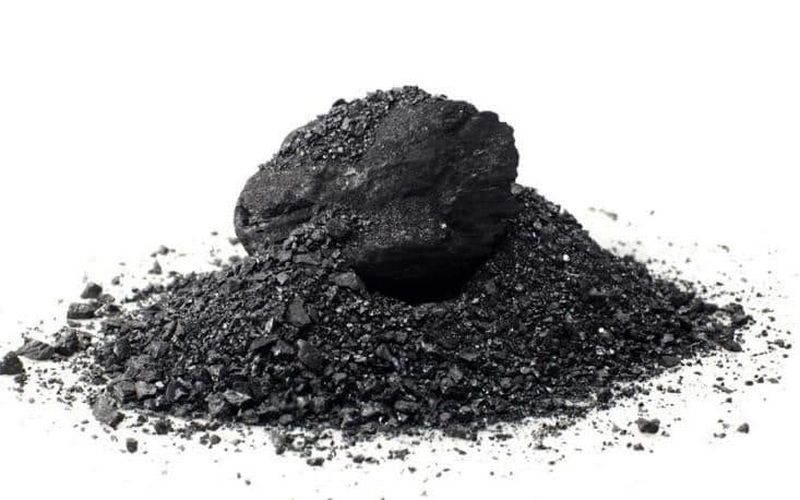
An activated carbon filter is a filtration device packed with highly porous activated carbon that removes contaminants from water, air, or process fluids mainly by adsorption. The incredibly large internal surface area of activated carbon attracts and holds organic molecules, chlorine, volatile organic compounds (VOCs), and many odor‑causing substances on its pore structure.
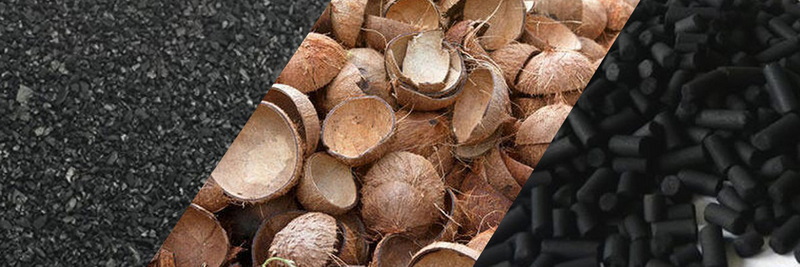
Activated carbon is produced from carbon‑rich raw materials such as coconut shell, coal, or wood that are processed at high temperature to create a network of micro‑ and meso‑pores. In water treatment, granular activated carbon (GAC) filters commonly remove organic constituents and residual disinfectants, including chlorine and chloramines. In air and gas purification, an activated carbon filter captures VOCs, sulfur compounds, ammonia, and many toxic gases to improve indoor and industrial air quality.
Because activated carbon offers such a large internal surface area per unit mass, an activated carbon filter can achieve high removal efficiency in relatively compact equipment. This makes activated carbon filters attractive for both point‑of‑use applications like home faucets and large‑scale industrial systems such as municipal water treatment plants or industrial exhaust scrubbers.
Main Applications of Activated Carbon Filters
Activated carbon filters are used wherever there is a need to remove dissolved organic compounds, odors, and specific chemicals from liquids or gases. In both household and industrial systems, an activated carbon filter often works together with other filtration steps such as sediment filters, softeners, membranes, or HEPA filters.
Water Treatment
In municipal and industrial water treatment, granular activated carbon filters are used to remove organic compounds, taste‑ and odor‑causing substances, and residual disinfectants in drinking water and process water. An activated carbon filter can also help reduce certain pesticides, VOCs, and some heavy metals, depending on the carbon type and contact time.
Typical water‑related uses of activated carbon include:
- Polishing step in municipal drinking water plants after clarification and disinfection.
- Industrial process water treatment to protect downstream membranes, resins, boilers, or cooling systems.
- Point‑of‑use filters in homes to improve taste and remove chlorine at the tap or in refrigerators.
- Protection of beverage, food, and dairy production lines from off‑flavors and unwanted organic by‑products.
In many of these systems, an activated carbon filter is sized for sufficient empty bed contact time to ensure that contaminants have enough time to diffuse into the pores of the activated carbon and be adsorbed. The better the contact between water and activated carbon, the more effective the filter will be.
Air and Gas Purification
Activated carbon filters are widely used in industrial air filtration systems to remove gaseous pollutants, VOCs, odorous compounds, and toxic gases. By adsorbing these substances, an activated carbon filter helps facilities meet emissions regulations and improve worker comfort and safety.
Common air and gas applications of activated carbon include:
- Industrial exhaust treatment for painting lines, chemical plants, and printing facilities.
- HVAC systems and standalone air purifiers for odor and gas control in commercial buildings and laboratories.
- Flue gas treatment for mercury, dioxins, furans, and other pollutants in combustion processes.
- Odor control in wastewater treatment plants, composting facilities, and solid waste transfer stations.
In air treatment, the performance of an activated carbon filter depends strongly on temperature, humidity, and contaminant loading. For example, very high humidity can partially block the pores of activated carbon, while excessively high temperatures can reduce adsorption capacity. Proper selection and design of the activated carbon filter are therefore essential.
Industrial Wastewater and Process Streams
In industrial wastewater treatment, filtration through a bed of activated carbon removes a wide range of trace organics and color before discharge or reuse. Many plants use a large activated carbon filter as a final polishing step to meet stringent discharge standards or to protect downstream biological treatment.
Typical process applications for activated carbon include:
- Treatment of chemical, pharmaceutical, and petrochemical effluents containing complex organics.
- Polishing of treated wastewater prior to surface water discharge or reuse in cooling towers or process washing.
- Removal of residual solvents and organics from process streams to recover valuable products or protect catalysts.
- Decolorization and purification of intermediates in fine chemicals, dyes, and specialty product manufacturing.
In these applications, an activated carbon filter can be installed as a fixed bed of granular activated carbon, as a series of activated carbon columns, or as part of a mobile activated carbon service that allows quick media change‑out.
How Activated Carbon Filters Work
An activated carbon filter relies on adsorption, not simple absorption, to remove contaminants as water or gas passes through the carbon bed. Adsorption occurs when molecules adhere to the surface of activated carbon due to physical forces and sometimes catalytic reactions on the carbon surface.
Adsorption and Catalytic Reduction
The enormous porous structure of activated carbon provides a very high internal surface area, which gives rise to strong surface forces that drive adsorption of small molecules. Organic contaminants, VOCs, and many odor compounds diffuse into the pores of activated carbon and become attached to the internal surfaces, effectively being removed from the fluid stream.
In water treatment, an activated carbon filter also removes residual disinfectants like chlorine through catalytic reduction. In this process, activated carbon catalyzes the conversion of chlorine to chloride ions, typically in the first portion of the carbon bed. While adsorption of organics may take minutes of contact time, free chlorine is often removed in seconds in the first centimeters of granular activated carbon.
Key Factors That Affect Performance
Several factors determine how efficiently an activated carbon filter will perform in practice:
- Contaminant type and concentration: Higher concentrations generally increase removal up to the capacity limit of the activated carbon, but breakthrough will occur sooner.
- Contact time: Sufficient empty bed contact time (EBCT) is necessary for adsorption to reach equilibrium, especially for more complex or larger organic molecules.
- Carbon type and particle size: Powdered activated carbon (PAC) gives very rapid adsorption but is used in batch or dosing systems, while granular activated carbon (GAC) provides long‑term filtration in fixed beds.
- Flow rate and bed depth: Lower flow rates and deeper beds improve performance by increasing contact time and enhancing mass transfer inside the activated carbon.
- Temperature and pH: In both water and air, temperature and pH can influence how contaminants interact with activated carbon, changing adsorption capacity and kinetics.
Designers typically use these parameters to size an activated carbon filter for the desired removal efficiency and service life before media replacement or reactivation.
Types of Activated Carbon and Filter Configurations
Not all activated carbon filters are the same. The properties of activated carbon and the configuration of the filter have a major impact on performance, maintenance, and cost.
Powdered vs Granular Activated Carbon
Powdered activated carbon consists of very fine particles with an extremely high surface area that can be mixed into water as a slurry. After contact, the water and powdered activated carbon mixture is sent to clarifiers or filters where the loaded activated carbon is removed. This approach is often used to handle seasonal taste and odor events in surface water or short‑term contamination incidents.
Granular activated carbon consists of larger granules that can form stable fixed beds in pressure vessels or gravity filters. A granular activated carbon filter is ideal for continuous operation because the media remains in place while water or gas flows through the bed. Granular activated carbon can usually be backwashed to remove trapped solids and can also be removed and thermally reactivated.
Common Filter Designs
Different systems use distinct activated carbon filter designs:
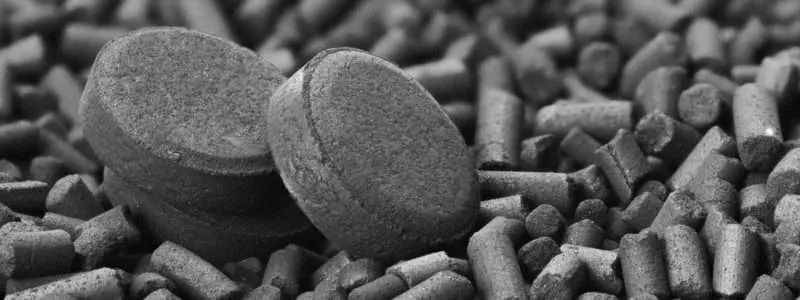
- Cartridge filters: Compact housings containing activated carbon cartridges for household taps, refrigerators, and small point‑of‑use applications.
- Pressure vessels with GAC: Steel or FRP pressure vessels packed with granular activated carbon, used in industrial water treatment, beverage production, and many process applications.
- Gravity filters: Large open filters where water flows downward through a deep bed of granular activated carbon, common in municipal plants.
- Air filter canisters and trays: Metal housings or modular trays filled with activated carbon for HVAC systems and industrial exhaust treatment.
- Mobile or modular activated carbon systems: Skid‑mounted activated carbon filters that can be delivered, connected, and later exchanged for fresh media.
Selecting the right design ensures that the activated carbon filter fits the available space, pressure drop limits, and maintenance preferences of the user.
Step‑by‑Step: How to Use an Activated Carbon Filter
Although details vary between water and air systems, the basic approach to using an activated carbon filter is similar: select the right filter, install correctly, flush and start up, operate within design ranges, and maintain or replace the activated carbon when necessary.
1. Choose the Right Activated Carbon Filter
Selecting the correct activated carbon filter always starts with understanding your fluid, contaminants, and treatment goals.
For water systems, you should:
- Identify target contaminants such as chlorine, chloramines, taste and odor compounds, pesticides, solvents, or industrial organics.
- Decide between powdered activated carbon dosing (for short‑term or emergency treatment) and granular activated carbon in fixed‑bed filters (for continuous operation).
- Determine the required flow rate, contact time, and bed volume so the activated carbon filter can meet outlet quality limits.
- Consider whether you need a single‑pass activated carbon filter or multiple beds in series to extend media life and provide redundancy.
For air and gas systems, you should:
- Define which gases and VOCs must be removed and at what concentrations, taking into account peak loadings and normal operation.
- Choose the right filter configuration (cartridges, canisters, tray beds, or packed towers) based on available space and allowable pressure drop.
- Match the type of activated carbon and any impregnation (for example, potassium‑ or sulfur‑impregnated carbon) to specific contaminants such as hydrogen sulfide or ammonia.
Working closely with an experienced activated carbon manufacturer or system integrator helps ensure that the activated carbon filter is properly sized and configured for your application.
2. Install the Activated Carbon Filter Correctly
Correct installation ensures that activated carbon is used efficiently and that no unfiltered bypass occurs.
For water treatment:
- Place a sediment pre‑filter upstream of the activated carbon filter to prevent clogging with particulates and protect the activated carbon bed.
- Install the granular activated carbon vessel or cartridge in the correct flow direction indicated by the manufacturer.
- Provide isolation valves and drain connections so the activated carbon filter can be removed from service for maintenance.
- Include sampling points before and after the activated carbon filter for quality monitoring.
For air and gas treatment:
- Mount the activated carbon filter housing so all air passes through the carbon bed without gaps or bypass zones.
- Use appropriate seals and gaskets to prevent leaks and maintain the designed pressure drop across the filter.
- Position the activated carbon unit where ambient conditions (temperature and humidity) are within the recommended range.
- Provide easy access for technicians to inspect, test, and replace the activated carbon media.
Correct installation is one of the most important steps to ensure that an activated carbon filter performs as designed.
3. Start‑Up and Flushing
Before putting an activated carbon filter into full service, you must flush it to remove dust, fines, and trapped air.
For water‑based systems:
- Slowly fill the activated carbon vessel with water to avoid fluidizing and stratifying the bed.
- Flush the filter to drain until all visible carbon fines are washed out and the water runs clear and free of turbidity.
- Follow manufacturer start‑up instructions regarding minimum flush time or volume.
- Once flushing is complete, sample the effluent to confirm that the activated carbon filter is meeting basic targets such as chlorine removal and turbidity.
For air and gas systems:
- Increase airflow gradually to the design level to avoid disturbing the activated carbon bed.
- Check for abnormal pressure drop, leaks, or noise that might indicate improper installation or blockages.
- Verify that the activated carbon filter is installed in the correct direction of flow and that all pre‑filters are in place.
Proper start‑up lays the foundation for stable performance and longer life of the activated carbon media.
4. Normal Operation
During normal operation, maintaining stable conditions and monitoring key parameters is essential for an activated carbon filter.
For water activated carbon filters:
- Keep the flow rate within the specified range to maintain the required contact time in the activated carbon bed.
- Monitor pressure drop across the filter; a rising pressure drop usually indicates accumulation of solids or biofilm.
- Sample influent and effluent regularly for target contaminants such as chlorine, organics, or specific chemicals.
- Where applicable, check for any microbiological growth that might occur in long‑term granular activated carbon beds and manage it with upstream disinfection or periodic backwashing.
For air and gas activated carbon filters:
- Maintain the airflow within design limits and avoid sudden spikes in contaminant concentration that could overload the activated carbon.
- Track pressure drop and replace or clean upstream dust filters that protect the activated carbon from particulate fouling.
- Periodically test outlet gas quality for VOCs or other pollutants to detect early signs of breakthrough.
- Inspect the housing, seals, and activated carbon modules for signs of wear, corrosion, or channeling.
An activated carbon filter that is carefully monitored can provide many months or years of effective service, depending on the application.
5. Maintenance, Replacement, and Reactivation
Over time, activated carbon becomes saturated with contaminants, and its adsorption capacity drops. At that point, the activated carbon filter must be replaced or the media must be regenerated.
Key maintenance considerations include:
- Watching for signs of breakthrough, such as returning odors, taste problems, or detectable contaminants in the effluent.
- Replacing small activated carbon cartridges according to a combination of manufacturer recommendations, operating hours, and water or air quality tests.
- For larger granular activated carbon systems, scheduling media change‑out or reactivation based on throughput, contaminant loading, and performance data.
- Implementing safe handling and disposal procedures for spent activated carbon, as it may contain concentrated contaminants.
Industrial granular activated carbon can often be thermally reactivated in specialized facilities. In these plants, spent activated carbon is heated in controlled conditions to destroy adsorbed organics and restore much of its adsorption capacity. The reactivated carbon can then be reused in an activated carbon filter, reducing waste and lowering overall treatment cost.
Many industrial operators use mobile activated carbon filters and exchange services. In this model, when an activated carbon filter reaches its capacity, the entire vessel containing granular activated carbon is swapped for a fresh one, and the spent activated carbon is shipped to a reactivation plant. This approach minimizes downtime and simplifies maintenance for the operators.
Best Practices to Maximize Activated Carbon Filter Performance
Applying a few best practices helps extend the life of an activated carbon filter and ensures stable treatment performance:
- Always use appropriate pretreatment (sediment filters, oil separators, or pre‑scrubbers) to protect the activated carbon from solids and non‑target contaminants.
- Avoid operating at excessively high temperatures or humidity in air and gas systems, as both can reduce adsorption capacity.
- Design sufficient contact time and bed depth so the activated carbon filter can meet removal targets even as the media gradually ages.
- Implement routine monitoring of influent and effluent quality, pressure drop, and flow rate to detect issues early.
- Work with a specialist supplier to select the right activated carbon grade, reactivation service, and filter design for your specific industrial application.
Following these guidelines allows you to take full advantage of the adsorption capacity and flexibility of activated carbon filters.
Example: Using an Activated Carbon Filter in a Beverage Plant
A beverage bottling plant that produces flavored drinks may install a granular activated carbon filter on its process water line to remove chlorine and organic off‑flavors before blending and carbonation. The activated carbon filter protects product taste, reduces the risk of unwanted reaction by‑products, and stabilizes quality across different municipal water sources.
In a typical layout, raw water passes through coarse filtration and softening, then enters a granular activated carbon filter sized for adequate contact time. After the activated carbon filter, the water is disinfected and sometimes further polished by membrane filtration or UV treatment. Operators regularly monitor chlorine, organic compounds, and microbiological indicators at the outlet of the activated carbon filter, replacing or reactivating the granular activated carbon when breakthrough is observed.
This example illustrates how an activated carbon filter can be integrated into a broader treatment train, working together with other technologies while playing a key role in protecting product quality.
Example: Activated Carbon Filter in Industrial Air Treatment
Consider a manufacturing facility with solvent‑based coating lines that emit VOCs. To comply with environmental regulations, the plant installs an activated carbon filter on the exhaust stream. The exhaust air passes through particulate pre‑filtration and is then routed into a large housing filled with trays or beds of activated carbon.
As the air flows through the activated carbon filter, VOC molecules are adsorbed onto the surface of the activated carbon. The cleaned air exits the filter with significantly reduced VOC levels. Plant engineers regularly monitor emissions at the outlet and track pressure drop across the activated carbon filter. When outlet VOC concentrations approach regulatory limits, the activated carbon trays are replaced and either disposed of according to hazardous waste rules or sent to a regeneration facility.
This kind of system shows how an activated carbon filter can provide a robust, versatile solution for capturing gaseous pollutants in demanding industrial environments.
Conclusion
An activated carbon filter is a powerful, flexible tool for treating water, air, and process streams by adsorbing organics, VOCs, odors, and residual disinfectants on the vast internal surface of activated carbon. When you choose the right activated carbon type, install the activated carbon filter correctly, operate within design limits, and maintain or reactivate the media on time, the filter can deliver reliable, long‑term purification for municipal, industrial, commercial, and household applications.
Whether you are polishing drinking water, improving beverage quality, cleaning industrial wastewater, or reducing VOC emissions, an activated carbon filter can be adapted to your specific needs. By combining sound engineering design, high‑quality activated carbon, and disciplined monitoring, you can maximize both the performance and service life of your activated carbon filtration system.
Contact us to get more information!
FAQ About Using Activated Carbon Filters
1. How often should I replace the activated carbon in my filter?
Replacement frequency depends on contaminant load, flow rate, and the type of activated carbon filter, so there is no single fixed schedule. Household activated carbon cartridges may require replacement every few months of normal use, while industrial granular activated carbon beds can run for many months or even years before media change‑out. The most reliable indicator is performance: when outlet water or air quality begins to decline or target contaminants are detected, it is time to replace or regenerate the activated carbon.
2. What contaminants can an activated carbon filter remove?
An activated carbon filter is especially effective for removing organic compounds, VOCs, pesticides, taste‑ and odor‑causing substances, and residual disinfectants such as chlorine. With specially formulated activated carbon, certain metals, sulfur compounds, and gases like hydrogen sulfide or ammonia can also be reduced. However, each contaminant has different adsorption characteristics, so testing or consulting with an activated carbon specialist is important to confirm expected removal.
3. Is activated carbon filtration enough to make water safe to drink?
An activated carbon filter greatly improves taste and removes many organic contaminants and chlorine, but it does not remove all possible pathogens or inorganic pollutants. For safe drinking water, activated carbon is often combined with other treatments such as disinfection (chlorine, ozone, UV), membrane filtration, or ion exchange. In systems with microbiological risks, an activated carbon filter should be part of a multi‑barrier approach rather than the only barrier.
4. Can I regenerate activated carbon at home?
Small consumer activated carbon cartridges are generally designed for disposal and replacement, not safe regeneration at home. True regeneration or reactivation of saturated activated carbon requires high‑temperature processing under controlled conditions to remove or destroy adsorbed contaminants without damaging the carbon structure. This process is normally carried out by specialized regeneration facilities that handle spent activated carbon from industrial and municipal systems.
5. What is the difference between powdered and granular activated carbon?
Powdered activated carbon consists of very fine particles that provide rapid adsorption and are typically dosed directly into water or process streams, then removed by sedimentation and filtration. Granular activated carbon has larger particles that are used in fixed beds inside an activated carbon filter, allowing continuous flow and easier backwashing, removal, and reactivation. In general, powdered activated carbon is more suitable for short‑term or emergency treatment, while granular activated carbon is preferred for continuous filtration applications.
Citations:
1. https://kumarfilter.com/blog/activated-carbon-filter-in-industrial-filtration.php
2. https://www.watertreatmentguide.com/activated_carbon_filtration.htm
3. https://19january2021snapshot.epa.gov/sites/static/files/2015-04/documents/a_citizens_guide_to_activated_carbon_treatment.pdf
4. https://extensionpubs.unl.edu/publication/g1489/na/pdf/view
5. https://extension.purdue.edu/extmedia/WQ/WQ-13.html
6. https://www.health.state.mn.us/communities/environment/hazardous/topics/gac.html
7. https://www.chemviron.eu/industrial-wastewater-treatment-activated-carbon/
8. https://www.coral.eu/en/insight/i-carboni-attivi-negli-impianti-di-filtrazione-dellaria-industriale/
9. https://activatedcarbondepot.com/blogs/news/activated-carbon-in-air-purification-its-role-in-improving-indoor-air-quality
10. https://puragen.com/uk/insights/what-is-activated-carbon-used-for/
11. https://joaairsolutions.com/blog/how-does-active-carbon-work/
12. https://www.iso-aire.com/what-is-a-carbon-filter-and-how-does-it-work
13. https://drinkflowater.com/how-is-carbon-activated-a-comprehensive-guide/
14. https://www.keiken-engineering.com/news/maximize-effectiveness-activated-carbon-water-treatment
15. https://www.youtube.com/watch?v=fsfNSNq3l0k


