Content Menu
● What Is Activated Carbon and Why Remove It?
● Safety Precautions Before Removing Activated Carbon
● How to Remove Activated Carbon From a Household Water Filter
>> Step-by-Step Guide for Whole-House or Under-Sink Activated Carbon Filters
>> Tips for Cartridge and Pitcher Activated Carbon Filters
● How to Remove Activated Carbon From an Aquarium Filter
>> Steps to Remove Activated Carbon From an Aquarium Filter Cartridge
>> When to Remove Activated Carbon in Aquariums
● How to Remove Activated Carbon From an Air Purifier or Range Hood Filter
>> Removing an Activated Carbon Filter From an Air Purifier
>> Removing an Activated Carbon Filter From a Range Hood
● Removing Activated Carbon From Industrial Water Treatment Equipment
>> Removing Activated Carbon Media From a Fixed-Bed Filter
>> Process and Wastewater: Removing Activated Carbon From Suspension
● Cleaning or Regenerating Activated Carbon vs Removing It
>> Common Cleaning and Regeneration Options
● When Should You Remove or Replace Activated Carbon?
>> Common Triggers for Removing Activated Carbon
● Practical Tips for Working With Activated Carbon Filters
● Conclusion
● FAQ
>> 1. How often should I remove and replace activated carbon in my water filter?
>> 2. Can I wash and reuse activated carbon instead of removing it permanently?
>> 3. Is it safe to remove activated carbon from my aquarium filter during medication?
>> 4. What is the best way to handle and dispose of used activated carbon?
>> 5. How do I know if my activated carbon filter is still working or needs removal?
● Citations:
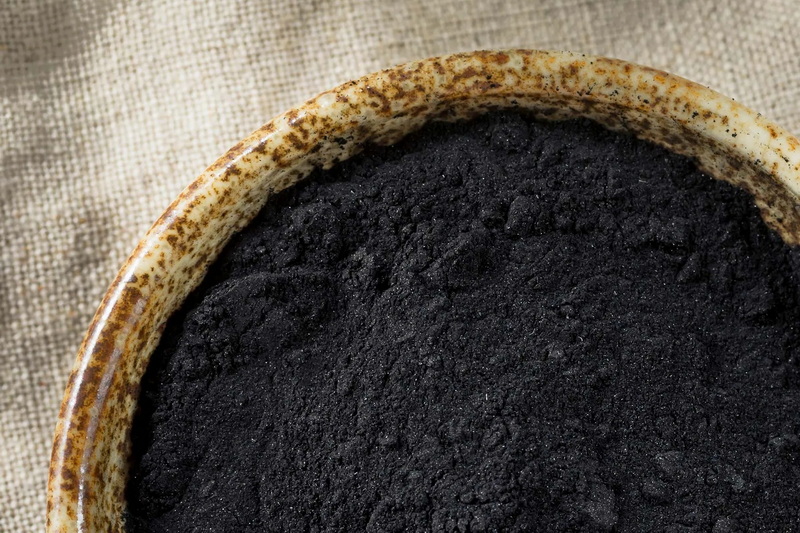
Activated carbon is one of the most effective and widely used filtration media for water treatment, air and gas purification, food and beverage processing, and many other industrial applications. As a result, knowing how to safely remove activated carbon from a filter—whether for replacement, cleaning, or system maintenance—is essential for both home users and industrial operators. This guide explains practical methods to remove activated carbon from filters used in household units, aquariums, air purifiers, and industrial systems, and shows when to remove, clean, or completely replace the activated carbon media.
What Is Activated Carbon and Why Remove It?
Activated carbon is a highly porous carbon material with a very large internal surface area, which allows it to adsorb organic molecules, chlorine, odors, and many impurities from water and air streams. Over time, the adsorption sites become saturated, and the activated carbon loses effectiveness, so it must be cleaned, regenerated, or removed and replaced. In some situations, such as chemical dosing in aquariums or specific process treatments in water systems, activated carbon must be temporarily removed from the filter so it does not adsorb treatment chemicals. In industrial wastewater treatment, activated carbon added to a process stream often has to be removed downstream to prevent discharge of carbon and captured contaminants.
Removing activated carbon at the right time helps maintain stable filtration performance, protects downstream equipment, and avoids quality issues in water, air, and process lines. Whether you are dealing with a small household activated carbon filter or a large industrial activated carbon system, understanding when and how to remove activated carbon is the foundation of reliable operation.
Safety Precautions Before Removing Activated Carbon
Before removing activated carbon from any filter, it is important to follow basic safety and operational precautions. Activated carbon filters often operate under pressure, carry stored water or air, and may hold contaminants that you do not want to release into the environment.
Key safety tips when working with activated carbon filters include:
- Turn off power and isolate the system before opening any activated carbon housing.
- Close valves and relieve pressure to avoid sudden sprays of water or air.
- Wear gloves, a mask, and eye protection when handling used activated carbon, especially in chemical or wastewater applications.
- Use containers or trays to catch water and loose activated carbon granules when opening housings.
- Follow local regulations for the handling and disposal of spent activated carbon, particularly when activated carbon has been used to remove hazardous substances.
For household and small systems, always shut off the water or power supply, relieve pressure, and consult the equipment manual to understand how the housing opens and how the activated carbon filter is held in place. For industrial water treatment equipment, operators typically isolate the activated carbon vessel, depressurize the system, and prepare tools such as wrenches, suction pipes, and seals before starting the activated carbon replacement process.
How to Remove Activated Carbon From a Household Water Filter
For many household water filters, activated carbon is integrated as a carbon block cartridge or as loose granular activated carbon (GAC) inside a housing, and removal is straightforward if you follow a clear step-by-step process. The general goal is to open the filter housing safely, take out the activated carbon element, clean the housing, and then either install fresh activated carbon or reassemble the unit without it if you are bypassing carbon temporarily.
Step-by-Step Guide for Whole-House or Under-Sink Activated Carbon Filters
1. Turn off the water supply
Locate the shutoff valve before the activated carbon filter and close it, or switch off the pump at the control panel. Open a downstream faucet to relieve pressure and allow residual water to drain until it stops. This ensures that when you open the activated carbon housing, water does not spray out.
2. Depressurize and prepare the housing
If your activated carbon housing has a pressure-relief button, press it to ensure all pressure is released. Place a bucket or tray under the housing to capture water and any loose activated carbon that may spill out. This helps keep the work area clean and prevents activated carbon granules from going down the drain.
3. Unscrew the housing or open the vessel
Use the supplied filter wrench or an appropriate tool to unscrew the housing holding the activated carbon cartridge. For larger activated carbon tanks, follow the manufacturer's instructions to remove the head assembly and gain access to the media. Take care not to damage O-rings or threads as you open the activated carbon filter vessel.
4. Remove the activated carbon element
Lift out the carbon block cartridge or GAC cartridge from the housing and set it aside for disposal or inspection. If the vessel contains loose activated carbon media, use a suction tube or carefully pour the spent activated carbon out into suitable containers. Try to remove as much spent activated carbon as possible so that fresh media can function correctly.
5. Clean the inside of the housing or tank
Wipe the inside of the housing with clean water and mild soap to remove debris, residual activated carbon granules, and biofilm. Rinse thoroughly so no soap or fine activated carbon particles remain, and inspect O-rings and seals for damage. A clean surface helps new activated carbon work more efficiently.
6. Refill or reassemble the activated carbon filter
If you are replacing activated carbon, load the new activated carbon media or insert a new cartridge according to the recommended orientation and filling volume. Reinstall the housing, turn the water back on slowly, and flush several gallons until water runs clear and any loose activated carbon dust is removed. Flushing new activated carbon is critical to remove fines and prevent black water at the tap.
Tips for Cartridge and Pitcher Activated Carbon Filters
- Many pitcher and faucet-mount filters use sealed activated carbon cartridges that you cannot open. Removal is as simple as unlocking and pulling out the spent activated carbon cartridge and inserting a new one.
- Always flush new activated carbon cartridges for the time specified by the manufacturer, as fresh activated carbon usually releases some fine particles initially.
- If you need to temporarily remove activated carbon from a system (for example, during shock chlorination), you can take out the activated carbon cartridge and install a bypass cartridge or a blank insert if available.
How to Remove Activated Carbon From an Aquarium Filter
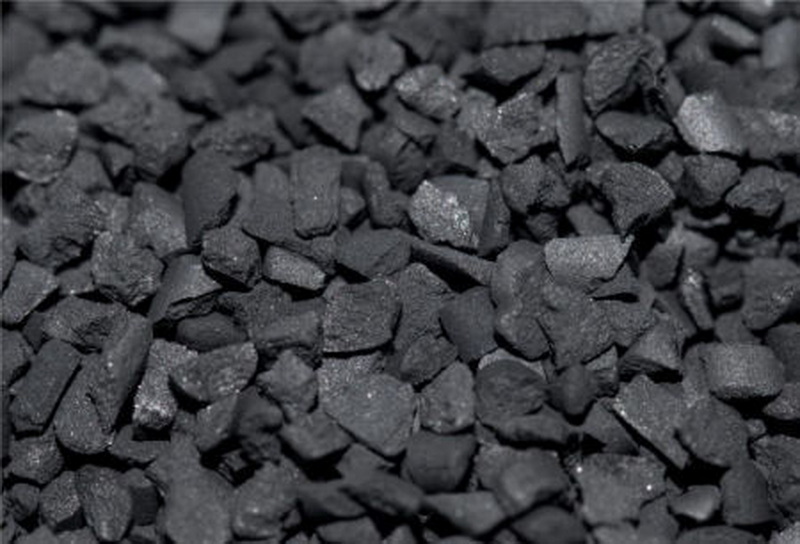
Aquarium filters often use small cartridges filled with activated carbon granules, and removing activated carbon is a common step during fish medication or when switching to different filtration media. When medication instructions say “remove activated carbon from filter,” the aim is to prevent the activated carbon from adsorbing the active ingredients in the treatment. Once treatment is complete, fresh activated carbon can be added back to restore chemical filtration.
Steps to Remove Activated Carbon From an Aquarium Filter Cartridge
1. Switch off power and remove the filter
Turn off the aquarium filter and unplug it from the power source. Lift the filter or cartridge assembly out of the aquarium, allowing water to drain back into the tank or a bucket. This prevents spills and protects both the fish and the equipment.
2. Open or modify the cartridge
Many hang-on-back filters use disposable cartridges that can be cut open to access the activated carbon. Using scissors or a sharp blade, carefully cut along the seam of the cartridge to expose the activated carbon granules. Work over a container so that loose activated carbon does not scatter.
3. Empty the activated carbon media
Pour the activated carbon granules into a waste container. Gently tap or shake the cartridge to dislodge residual activated carbon trapped in corners. Once the activated carbon is removed, you can decide whether to reuse the cartridge frame.
4. Replace the carbon with alternative filter media
Reuse the plastic frame and fabric of the cartridge by inserting filter foam, filter floss, or a fine sponge where the activated carbon used to be. This allows mechanical and biological filtration to continue while you run the aquarium without activated carbon. Many aquarium keepers permanently switch from disposable activated carbon cartridges to reusable sponge or bio-media solutions.
5. Reinstall and restart the filter
Place the modified cartridge back into the filter body and reinstall it on the aquarium. Restore power and check that water flows correctly without any loose activated carbon returning to the tank. After medication is finished and water changes are completed, you can add fresh activated carbon in a media bag if desired.
When to Remove Activated Carbon in Aquariums
- When dosing medications or water conditioners that you want to remain in the water.
- When troubleshooting issues potentially linked to old or saturated activated carbon, such as yellow water or lingering odors.
- When transitioning to a new filtration strategy focused on biological media rather than constant activated carbon use.
How to Remove Activated Carbon From an Air Purifier or Range Hood Filter
Air purifiers, kitchen range hoods, and recirculating ventilation systems typically use activated carbon filters to adsorb odors and volatile organic compounds from air. These activated carbon filters eventually become saturated and must be removed for cleaning, regeneration, or replacement to avoid odor breakthrough and poor air quality. Some designs allow limited cleaning of the activated carbon filter, while others are strictly non-washable and should be replaced entirely when exhausted.
Removing an Activated Carbon Filter From an Air Purifier
1. Power off and access the filter
Turn off and unplug the air purifier before accessing the internal activated carbon filter. Remove the front or rear cover as directed in the manual to expose the pre-filter, HEPA filter, and activated carbon filter.
2. Remove the activated carbon filter module
Slide or lift out the activated carbon filter panel, which may be combined with a HEPA element or may be separate. Inspect both sides for dust, debris, and discoloration that indicate the activated carbon is saturated.
3. Decide whether to clean or replace
Some activated carbon filters can be gently brushed or vacuumed to remove loose dust and extend service life, but their adsorption capacity still gradually declines. For non-regenerable standard activated carbon filters, remove and discard the filter when it reaches its recommended service life and install a new activated carbon panel.
4. Reassemble the air purifier
After you remove the old activated carbon filter and, if necessary, replace it, reinstall the HEPA and pre-filters. Close the cover, plug in the unit, and reset any filter change indicators according to the instructions.
Removing an Activated Carbon Filter From a Range Hood
1. Remove the grease filter
In most recirculating hoods, the metal or mesh grease filter is located at the bottom and must be removed first to access the deeper activated carbon filter. Release the latches, slide out the grease filter, and set it aside for cleaning.
2. Remove the activated carbon filter
The activated carbon filter is usually clipped or locked behind the grease filter. Release it according to the manufacturer's instructions and take the activated carbon filter module out of the hood for replacement or regeneration, depending on its type.
3. Replace or regenerate according to filter type
Standard disposable activated carbon filters are not washable and should be replaced once saturated. Long-life regenerative activated carbon filters can sometimes be cleaned and thermally regenerated following specific steps described by the manufacturer. After you remove the old activated carbon filter, install the new or regenerated filter and then refit the grease filter before using the hood again.
Removing Activated Carbon From Industrial Water Treatment Equipment
In industrial and municipal water treatment systems, activated carbon filters are often large pressure vessels or fixed-bed adsorbers packed with granular activated carbon. Over time, this activated carbon becomes saturated and must be removed either by backwashing, siphoning, vacuum removal, or opening the vessel and extracting the media with special equipment. Correct removal and replacement of activated carbon protects downstream softeners, membranes, and other process equipment while preserving overall treatment performance.
Removing Activated Carbon Media From a Fixed-Bed Filter
1. Prepare tools and isolate the system
Common tools for replacing activated carbon include pipe pliers, suction pipes, hoses, and sealing tape for reassembly. Isolate the activated carbon filter from the rest of the system, depressurize, and drain enough water to work safely inside the tank.
2. Partially fill with water and access the media
A small amount of water is usually left at the bottom of the activated carbon filter to help suspend and move the activated carbon during removal. Open the manway or remove the head assembly to expose the top of the activated carbon bed.
3. Remove the spent activated carbon
Use suction pipes, eductors, or similar equipment to withdraw the activated carbon from the vessel and transfer it into disposal containers or regeneration containers. Continue until the activated carbon level is sufficiently low to inspect underdrains and supporting layers such as sand or gravel.
4. Clean and prepare for new activated carbon
Inspect and rinse the internals, including underdrain systems, to remove residual activated carbon, fines, and debris. If sand or other support media is present, verify that it is correctly graded and filled to the specified bed height before refilling activated carbon above it.
5. Refill with fresh activated carbon and flush
Add new activated carbon to the required bed depth, ensuring even distribution and leaving space for backwash expansion. After reassembly, backwash and rinse the activated carbon bed until the effluent is clear, colorless, and free of fine activated carbon particles before returning the filter to service.
Process and Wastewater: Removing Activated Carbon From Suspension
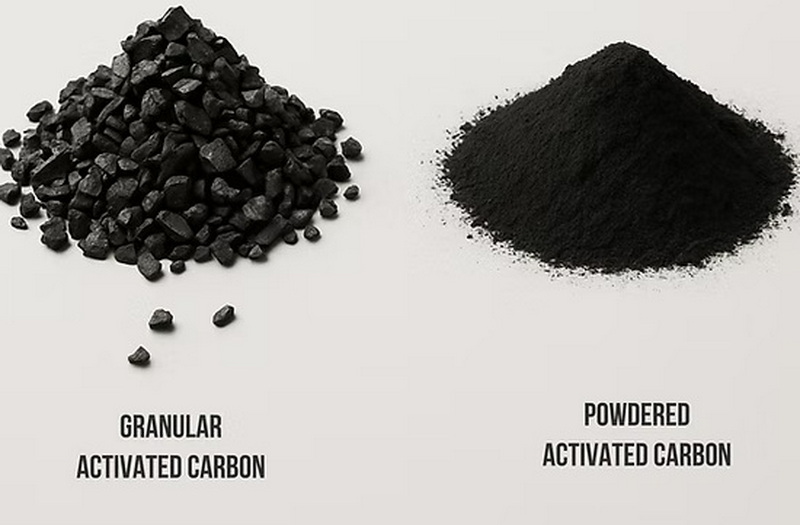
In some applications, activated carbon is dosed directly into process water or wastewater as a powdered or granular suspension. After adsorption, this suspended activated carbon must be removed before discharge or further treatment, otherwise it will carry contaminants downstream. One of the most effective methods for removing such activated carbon from suspension is to use a filter press or similar solid–liquid separation equipment.
In a typical setup, the treated water–carbon mixture is pumped to a filter press. Water passes through filter cloths while activated carbon and other solids are retained as a cake on the cloth surface. Once the press chambers are full, the press is opened and the dry activated carbon cake is discharged. The removed activated carbon cake can then be transported for disposal or regeneration, depending on the process and local regulations.
Cleaning or Regenerating Activated Carbon vs Removing It
In many household and light industrial systems, operators must decide whether to clean or regenerate existing activated carbon, or to completely remove and replace it. Light cleaning may temporarily improve performance by removing dust, sediment, and superficial contaminants, but it does not fully restore the original adsorption capacity of activated carbon.
Common Cleaning and Regeneration Options
- Rinsing and brushing
For some activated carbon filters, gently brushing with a soft brush or vacuuming the surface can remove dust and loose dirt without damaging the media. Simple rinsing of granular activated carbon under running water helps wash away loose sediment and fine particles, but it should be followed by thorough drying or flushing.
- Chemical soaking
A solution of warm water with mild additives such as lemon juice and salt can be used to soak some types of activated carbon for a deeper clean. The acidity helps dissolve scale while salt provides light abrasion on the activated carbon surface. In all cases, the activated carbon must be rinsed very thoroughly afterward to remove any residues.
- Thermal reactivation
For certain applications, activated carbon can be thermally reactivated at controlled temperatures to burn off organic contaminants captured in the pores. Industrial thermal reactivation of activated carbon is usually performed off-site in specialized kilns. Even with reactivation, there is a limit to how many times activated carbon can be regenerated before its structure degrades and it must be removed and replaced.
In many commercial and industrial settings, once activated carbon is exhausted, complete removal and replacement is favored because it ensures predictable performance and simplifies quality control. Cleaning methods are more suitable as temporary measures or for long-life activated carbon products specifically designed for regeneration.
When Should You Remove or Replace Activated Carbon?
Removing or replacing activated carbon at the right time keeps filters efficient and prevents contaminants, odors, or tastes from slipping through. If you notice breakthrough of odor, taste, color, or reduced flow in systems that rely on activated carbon, these are strong indicators that the activated carbon media needs attention.
Common Triggers for Removing Activated Carbon
- End of recommended service life
Many standard activated carbon filters in appliances and hoods are designed for about several months of typical use before they must be replaced. Long-life regenerable activated carbon filters may run for longer periods but still require periodic regeneration and eventual replacement.
- System performance changes
A noticeable drop in water flow, air flow, or increased pressure drop across an activated carbon filter often means the media is clogged or fouled. Foul smells, stale air, or poor taste in water indicate that the activated carbon is saturated and should be removed or replaced.
- Process or treatment changes
When dosing chemicals, medications, or special additives into water or aquariums, filtering through activated carbon can remove those chemicals, so the activated carbon must be temporarily removed from the filter. In process lines, when switching from one product to another, operators may remove the existing activated carbon and replace it to avoid cross-contamination.
Practical Tips for Working With Activated Carbon Filters
To make daily operation with activated carbon filters easier and more reliable, keep the following practical suggestions in mind:
- Label housings with the last activated carbon change date and expected next change date.
- Keep spare activated carbon cartridges or bags of activated carbon media in stock, especially for critical applications.
- Train staff or household members on basic steps for shutting down, opening, and reassembling activated carbon filters.
- Use clear plastic housings where possible, so you can visually monitor activated carbon condition and sediment buildup.
- For industrial systems, implement a monitoring program that includes pressure drop, effluent quality, and activated carbon sampling to decide when to remove or replace activated carbon.
Conclusion
Removing activated carbon from a filter is a routine but critical maintenance task that ensures water, air, and process streams remain clean and within specification. In household systems, the process typically involves shutting off the supply, opening the housing, taking out the activated carbon cartridge or media, cleaning the housing, and then refitting or replacing the activated carbon filter. For aquariums, removing activated carbon from filter cartridges is especially important when dosing medications so that the activated carbon does not strip active ingredients from the water. In air purifiers and range hoods, timely removal and replacement of activated carbon filters prevent odor breakthrough and maintain healthy indoor air quality. Industrial systems rely on controlled removal and replacement of granular or powdered activated carbon—from large vessels and process slurries—to maintain consistent treatment performance and regulatory compliance. By understanding how and when to remove activated carbon in these different scenarios, you can keep your filtration systems efficient, safe, and reliable.
Contact us to get more information!
FAQ
1. How often should I remove and replace activated carbon in my water filter?
The replacement interval for activated carbon in a water filter depends on usage, water quality, and filter design, but many household activated carbon cartridges are designed for replacement every few months. If you notice changes in taste, odor, or flow, you should remove the activated carbon filter sooner and inspect or replace it even if the nominal service life has not yet been reached.
2. Can I wash and reuse activated carbon instead of removing it permanently?
Some activated carbon filters can be lightly cleaned by brushing or rinsing to remove dust and sediment, but this does not fully restore the original adsorption capacity of the activated carbon. Disposable standard activated carbon filters, such as many range hood or pitcher filters, are not intended for long-term reuse and should be removed and replaced when saturated, while long-life activated carbon filters may be regenerable under controlled conditions.
3. Is it safe to remove activated carbon from my aquarium filter during medication?
Yes, in fact many aquarium treatment instructions require you to remove activated carbon from the filter before dosing medication. If activated carbon remains in place, it can adsorb the medicine and reduce its effectiveness. After treatment is complete and a water change is performed, you can add fresh activated carbon back to the aquarium filter to remove residual medication and restore chemical filtration.
4. What is the best way to handle and dispose of used activated carbon?
Used activated carbon from household water or air filters can often be disposed of with regular household waste, but local regulations may vary. In industrial or wastewater applications, spent activated carbon may contain concentrated contaminants and is usually managed as a controlled solid waste. Always consult local guidelines or plant procedures to decide how to handle and dispose of used activated carbon safely.
5. How do I know if my activated carbon filter is still working or needs removal?
Signs that an activated carbon filter is no longer effective include the return of odors, off-tastes, discoloration of water, or a noticeable drop in flow or system performance. If these symptoms appear before the recommended replacement interval, you should remove the activated carbon filter, inspect it, and either regenerate it (if allowed) or replace it with fresh activated carbon media. Regular monitoring of water or air quality helps you decide the right time to remove and replace activated carbon.
Citations:
1. https://www.reddit.com/r/aquarium/comments/11vkvwk/removing_carbon_filter_for_ich_treatment/
2. https://www.youtube.com/watch?v=nrMVlpSpjsw
3. https://www.youtube.com/watch?v=FtWIAPP5LlU
4. https://www.youtube.com/watch?v=Nzgau7XOUhQ
5. https://www.rabbitair.com/blogs/air-purifier/how-to-clean-your-activated-carbon-filter
6. https://www.gd-jiajie.com/jiajie/en/chunshui/3388.html
7. https://www.livingwhole.com.au/how-to-clean-an-activated-carbon-filter/
8. https://metchem.com/activated-carbon-removal/
9. https://www.youtube.com/watch?v=JUTG_5HQud0
10. https://www.filtrocappa.it/en/blog/maintenance-and-cleaning/can-activated-carbon-filters-be-washed
11. https://www.monsterfishkeepers.com/forums/threads/removing-carbon-filter-while-treating-tank.765795/
12. https://www.eng-tips.com/threads/removal-of-solidified-carbon-from-filtration-system.73487/
13. https://www.dubaopump.com/info-detail/maintenance-and-replacement-cycle-of-activated-carbon-filter
14. https://www.facebook.com/groups/ukaqua/posts/1035347294206254/
15. https://complete-water.com/video/replacing-carbon-in-carbon-filter-complete-water-solutions-wi


