Content Menu
● What Is Activated Carbon?
● Key Applications of Activated Carbon
>> Water and Wastewater Treatment
>> Air and Gas Purification
>> Food, Beverage, and Pharmaceuticals
>> Other Industrial Uses
● Step‑by‑Step Process: How to Manufacture Activated Carbon
>> 1. Raw Material Selection and Preparation
>> 2. Carbonization (Pyrolysis)
>> 3. Activation: Developing the Pore Structure
>>> 3.1 Physical (Steam or Gas) Activation
>>> 3.2 Chemical Activation (e.g., Phosphoric Acid)
>>> 3.3 Other Activation Approaches and Optimization
● Post‑Treatment: Washing, Drying, Sizing, and Packaging
>> 4. Washing and Neutralization
>> 5. Drying
>> 6. Crushing, Grinding, Shaping, and Screening
>> 7. Cooling and Packaging
● Process Parameters That Influence Activated Carbon Quality
● Advanced Topics in Activated Carbon Manufacturing
>> Surface Chemistry Modification
>> Reactivation and Sustainability
>> Quality Control and Testing
● Conclusion
● FAQ About Activated Carbon Manufacturing
>> 1. What raw materials are used to make activated carbon?
>> 2. What are the main steps in manufacturing activated carbon?
>> 3. What is the difference between physical and chemical activation?
>> 4. Why is washing important in activated carbon production?
>> 5. In which industries is manufactured activated carbon most widely used?
● Citations:
Manufacturing activated carbon is a controlled, high‑temperature process that transforms carbon‑rich raw materials into a highly porous adsorbent used across water treatment, air and gas purification, food and beverage, chemical, and pharmaceutical industries. A professional activated carbon manufacturer optimizes each step—from raw material selection to activation and post‑treatment—to achieve stable quality, high adsorption capacity, and application‑specific performance.
What Is Activated Carbon?
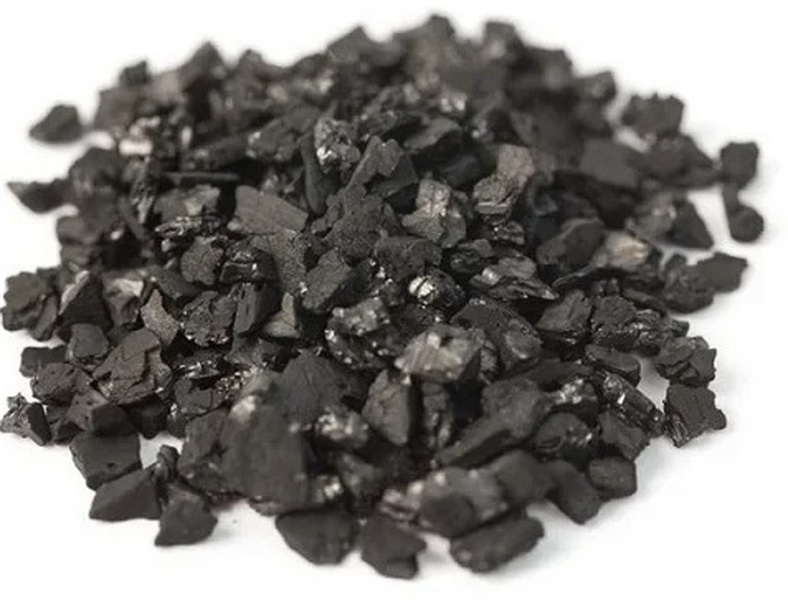
Activated carbon (also called activated charcoal) is a specially processed carbon material with an extremely high internal surface area and a complex network of micro‑, meso‑ and macropores that capture molecules from liquids and gases. It is widely used for decolorization, deodorization, removal of organic pollutants, heavy metals, and trace contaminants in industrial and environmental applications.
Typical raw materials for activated carbon include:
- Coconut shells and nutshells, which provide hard, wear‑resistant activated carbon with predominantly microporous structure.
- Wood and sawdust, which are common feedstocks for powdered activated carbon used in decolorization and fine purification.
- Coal and peat, which can be processed into granular activated carbon with flexible pore structures for large‑scale systems.
Because activated carbon can be engineered with different pore size distributions, surface chemistries, and particle sizes, it is extremely versatile and can be tailored for specific process conditions. In practice, almost all industrial activated carbon goes through two core stages: carbonization and activation, followed by washing, drying, sizing, and packaging.
Key Applications of Activated Carbon
Due to its high surface area and tunable pore structure, activated carbon plays a critical role in many industrial processes and environmental technologies. It is often installed in fixed beds, filters, columns, and batch tanks where liquids or gases pass through activated carbon media for purification.
Water and Wastewater Treatment
Activated carbon is a key material in drinking water treatment, industrial process water purification, and wastewater treatment.
- Municipal drinking water systems use granular activated carbon to remove pesticides, disinfection by‑products, taste and odor compounds, and various organic micropollutants.
- Industrial facilities apply powdered or granular activated carbon to protect equipment, improve product quality, and meet discharge regulations by adsorbing dissolved organics and residual chemicals.
- Groundwater remediation and water reuse projects often rely on activated carbon as a polishing step to meet strict contaminant limits.
Air and Gas Purification
In gas‑phase applications, activated carbon is used to purify process gases and exhaust air streams.
- Industrial exhaust streams containing volatile organic compounds (VOCs) and odorous gases pass through activated carbon beds for VOC abatement and odor control.
- Refineries and gas processors use activated carbon to remove mercury, sulfur compounds, and other trace contaminants from natural gas and process gases.
- Solvent recovery units use activated carbon to capture organic vapors, which can then be desorbed and recovered, reducing emissions and solvent consumption.
Food, Beverage, and Pharmaceuticals
High‑purity grades of activated carbon are essential for sensitive products in food, beverage, and pharmaceutical industries.
- In sugar refining, edible oil processing, and beverage production, activated carbon is widely used for decolorization, deodorization, and removal of off‑flavors and trace impurities.
- In pharmaceutical manufacturing, activated carbon helps purify active ingredients and intermediates by removing color bodies, residual solvents, and various organic impurities.
- In fine chemicals and high‑value ingredients, activated carbon can be used in both batch and continuous processes to ensure consistent purity.
Other Industrial Uses
Beyond water, air, and food applications, activated carbon is used in:
- Precious metal recovery, such as gold extraction using carbon‑in‑pulp and carbon‑in‑leach processes.
- Chemical and petrochemical industries as a catalyst support, scavenger for impurities, and polishing medium.
- Energy storage and electronics, where specialized activated carbon is used in supercapacitors, capacitive deionization, and gas storage applications.
Step‑by‑Step Process: How to Manufacture Activated Carbon
The industrial manufacture of activated carbon typically includes: raw material selection, preparation, carbonization, activation, washing and neutralization, drying, grinding or shaping, and final packaging. Each stage must be carefully controlled to obtain activated carbon with the desired pore structure, mechanical strength, and purity.
1. Raw Material Selection and Preparation
Manufacturing high‑quality activated carbon starts with selecting a suitable carbonaceous raw material. The choice of feedstock influences the physical and chemical properties of the final activated carbon.
Common feedstocks include:
- Coconut shell: Produces activated carbon with high hardness, low dust, and abundant micropores, ideal for drinking water and gas‑phase purification.
- Bituminous and lignite coal: Widely used for granular activated carbon in municipal and industrial water treatment due to robust performance and availability.
- Wood and sawdust: Often used for chemically activated carbon, especially in powdered form for decolorization and fine purification.
- Agricultural by‑products (rice husks, nutshells, fruit pits): Increasingly used to produce sustainable activated carbon with diverse pore structures.
Before carbonization, the raw material is cleaned to remove stones, metals, and other foreign matter, then crushed or sized as needed. Moisture content is reduced to a controlled level through drying to ensure stable feeding and consistent carbonization behavior. Proper pre‑treatment of raw materials helps the manufacturer produce activated carbon with uniform properties from batch to batch.
2. Carbonization (Pyrolysis)
Carbonization is the first thermal step in manufacturing activated carbon. In this stage, the prepared raw material is heated in the absence of oxygen to produce a carbon‑rich char.
Typical characteristics of the carbonization step:
- The raw material is fed into furnaces such as rotary kilns, vertical furnaces, or retorts under an inert or low‑oxygen atmosphere.
- Temperatures usually range from about 400 °C to 600 °C, depending on feedstock and process design.
- Volatile components—water, tars, gases, and other organics—are driven off, leaving behind a skeletal carbon matrix known as char.
During carbonization, tarry substances that would block pores are removed, and the basic porous framework of the activated carbon starts to form. The heating rate, residence time, and final temperature affect the char structure and, ultimately, the development of pores in later activation. Proper control at this stage is essential for producing activated carbon with high yield and good mechanical strength.
3. Activation: Developing the Pore Structure
Activation is the most critical stage in manufacturing activated carbon because it creates and enlarges the pore network that gives activated carbon its exceptional adsorption capacity. There are two main methods: physical activation and chemical activation.
3.1 Physical (Steam or Gas) Activation
Physical activation, also called thermal activation, exposes the carbonized char to oxidizing gases at elevated temperatures.
Key characteristics of physical activation:
- The char is heated to high temperatures, generally around 800–1000 °C, in a furnace specifically designed for activation.
- Steam, carbon dioxide, or a combination of gases is introduced into the furnace, reacting with the carbon in the char.
- The controlled gas–solid reaction gradually etches away carbon, opens up new pores, and enlarges existing ones.
As the char moves slowly through the activation zone, steam or CO₂ selectively burns carbon inside the particles, increasing the surface area of the activated carbon. The activation time, gas flow, and temperature determine the burn‑off level and final surface area, which can reach several hundred to more than one thousand square meters per gram. Physical activation is commonly used for granular and extruded activated carbon based on coconut shell or coal.
3.2 Chemical Activation (e.g., Phosphoric Acid)
Chemical activation is often applied to wood, sawdust, or other biomass materials to produce activated carbon at comparatively lower temperatures. In this method, the raw material is impregnated with a chemical activating agent before carbonization.
A typical phosphoric‑acid activation route for powdered activated carbon involves:
- Screening and drying of sawdust or similar feedstock to achieve a controlled particle size and moisture content.
- Preparation of a phosphoric acid solution, usually in the range of moderate to high concentration.
- Mixing or impregnation of the raw material with the acid so that it penetrates the internal structure; this may require several hours of contact time.
- Subsequent carbonization and activation in a furnace at moderate temperatures, often between 400 °C and 600 °C, for a defined period.
During chemical activation, the acid promotes dehydration and prevents excessive tar formation, while also creating cross‑links and opening pore structures. After activation, the chemically activated carbon must be thoroughly washed to remove residual chemicals and then dried. Chemical activation is especially useful for producing highly porous powdered activated carbon with a well‑developed pore network.
3.3 Other Activation Approaches and Optimization
Some processes involve additional activating gases or special conditions, such as hydrogenation or mixed‑gas atmospheres, to tailor the pore structure and surface chemistry of activated carbon. Advanced research has shown that physical activation mainly removes carbon from particle surfaces at high temperature, whereas chemical activation selectively removes less ordered carbon at lower temperatures, yielding highly porous activated carbon more quickly.
Manufacturers adjust parameters such as:
- Activation temperature and time.
- Type and flow rate of activating gas.
- Impregnation ratio and concentration in chemical activation.
By controlling these parameters, producers can engineer activated carbon for specific performance metrics such as iodine number, methylene blue value, hardness, and ash content.
Post‑Treatment: Washing, Drying, Sizing, and Packaging
Once activation is completed, the hot activated carbon undergoes several finishing steps to transform it into a stable, easy‑to‑handle product that meets application standards.
4. Washing and Neutralization
For chemically activated carbon and many physically activated grades, thorough washing is essential. The goals are to remove residual activating agents, soluble ashes, and unwanted inorganic impurities, and to adjust pH.
Typical washing and neutralization steps include:
- Multi‑stage washing of activated carbon with water, sometimes combined with acid washing to dissolve mineral components.
- Filtration or centrifugation to separate the activated carbon from the washing liquids.
- Repeated rinsing until conductivity, pH, and other indicators fall within specified limits.
Proper washing ensures that activated carbon does not release excessive dissolved substances into treated water or process streams. It is especially important for activated carbon used in drinking water, food and beverage, and pharmaceutical applications where purity requirements are strict.
5. Drying
After washing, activated carbon contains a significant amount of moisture that must be removed before storage and packaging. Controlled drying helps stabilize the product and prevents microbial growth or quality deterioration.
In industrial plants, drying is typically carried out in:
- Rotary or belt dryers for granular activated carbon.
- Tray, belt, or flash dryers for powdered activated carbon.
Temperatures are carefully controlled so that the internal pore structure of the activated carbon is not damaged. The final moisture content is adjusted to meet product specifications, often a few percent by weight, to ensure good flowability and consistent performance.
6. Crushing, Grinding, Shaping, and Screening
Depending on the intended product form—powdered activated carbon (PAC), granular activated carbon (GAC), or extruded/pelletized activated carbon—the dried material is processed accordingly.
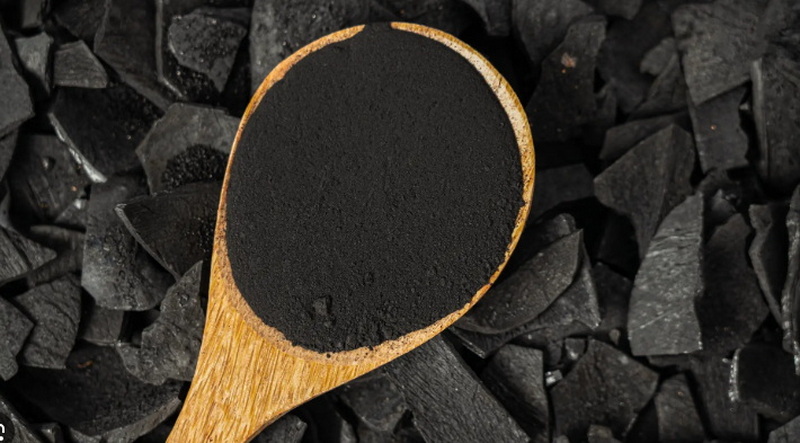
- For PAC, dried activated carbon is milled or ground to a fine powder, with typical particle sizes in a range suitable for rapid dispersion in water or process liquids.
- For GAC, the product is crushed and then screened to achieve specified particle size ranges, such as common mesh sizes used in water filters and adsorption columns.
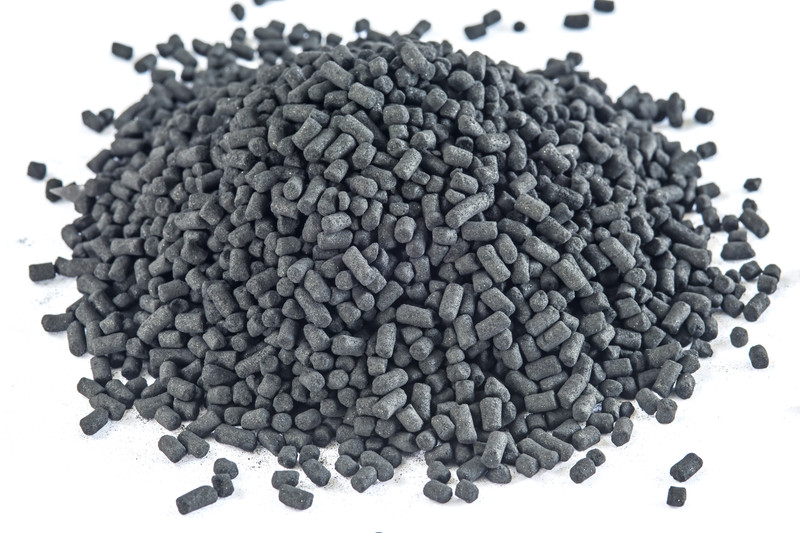
- For extruded or pelletized activated carbon, powders may be mixed with binders and formed into cylindrical pellets before or after activation, then screened to ensure consistent diameter and length.
Sizing and shaping are important because they determine pressure drop, contact efficiency, and handling properties for activated carbon in fixed‑bed and moving‑bed systems. Proper particle size distribution helps avoid channeling and ensures uniform flow through activated carbon beds.
7. Cooling and Packaging
Before packaging, activated carbon must be cooled from its elevated processing temperature to near ambient conditions. Controlled cooling reduces the risk of ignition and prevents condensation of moisture inside packaging.
Industrial plants often use:
- Screw conveyors or similar equipment with cooling jackets to reduce temperature step by step.
- Cooling kilns or chambers where activated carbon is gently cooled to room temperature.
After cooling, activated carbon is transferred to packaging stations where it is filled into:
- Bulk bags (big bags) for large industrial users.
- Smaller bags, sacks, or drums for specific markets and dosing methods.
- Custom packaging tailored to customer needs and application requirements.
During packaging, quality control checks such as bulk density, moisture, particle size, and basic adsorption indicators are performed to ensure that each batch of activated carbon meets the required specification.
Process Parameters That Influence Activated Carbon Quality
Industrial manufacturers continuously optimize process parameters to fine‑tune the performance of activated carbon. Key parameters include:
- Raw material composition: Different feedstocks produce activated carbon with characteristic ash content, hardness, pore size distribution, and surface chemistry.
- Carbonization profile: Heating rate, peak temperature, and residence time during carbonization influence the char structure and, indirectly, the final pore network.
- Activation method: Physical activation at higher temperatures versus chemical activation at lower temperatures leads to different pore development patterns and burn‑off levels.
- Activation severity: Longer activation time or more aggressive conditions increase surface area and pore volume but can also reduce yield and hardness.
- Washing and post‑treatment: The washing agent, number of washing cycles, and neutralization conditions affect ash content, pH, and leachable impurities.
By carefully balancing these factors, a professional activated carbon manufacturer can design products that meet the specific needs of water treatment, air purification, food and beverage purification, and pharmaceutical processing.
Advanced Topics in Activated Carbon Manufacturing
As regulations tighten and customers demand more specialized performance, activated carbon manufacturing continues to evolve. Several advanced topics are important for modern plants.
Surface Chemistry Modification
Beyond basic activation, manufacturers can modify the surface chemistry of activated carbon to target specific contaminants. For example, acid washing, oxidation, or impregnation with metals and other agents can:
- Enhance adsorption of acidic, basic, or polar compounds.
- Improve catalytic properties for reactions such as ozone decomposition or oxidation of certain pollutants.
- Tailor activated carbon for applications such as odor control, mercury removal, and catalytic processes.
These modifications allow activated carbon to act not only as an adsorbent but also as a catalyst or catalyst support in complex industrial systems.
Reactivation and Sustainability
Spent activated carbon can often be thermally reactivated rather than disposed of, reducing waste and overall life‑cycle costs. In a reactivation facility, used activated carbon is heated at high temperature in a controlled atmosphere to remove adsorbed contaminants and restore a significant portion of its adsorption capacity.
Reactivation benefits include:
- Lower raw material consumption and reduced environmental footprint.
- Cost savings for clients using large volumes of granular activated carbon.
- Responsible management of spent activated carbon that contains adsorbed pollutants.
Manufacturers who integrate reactivation services with new activated carbon production can offer more sustainable and economical solutions.
Quality Control and Testing
Quality control is central to manufacturing reliable activated carbon. Standard tests help characterize and ensure consistent performance:
- Iodine number and methylene blue value to indicate micropore and mesopore capacity.
- BET surface area measurements to quantify total surface area.
- Hardness and abrasion tests to evaluate mechanical strength, especially important for granular and extruded activated carbon.
- Ash content, pH, and extractables tests to verify purity and compatibility with sensitive applications.
By monitoring these parameters from raw material to finished activated carbon, manufacturers can maintain high standards and provide traceable, consistent products for global customers.
Conclusion
Manufacturing activated carbon is a multi‑stage, precision process that transforms selected carbonaceous raw materials into a high‑value adsorbent with a finely tuned porous structure. From carbonization and activation to washing, drying, sizing, and packaging, each stage directly affects the adsorption capacity, purity, and stability of the final activated carbon used in demanding industrial applications. By choosing the right raw material and carefully optimizing process parameters, manufacturers can deliver activated carbon solutions that meet strict standards in water treatment, air and gas purification, food and beverage processing, and pharmaceutical production. With advanced surface modification, reactivation technologies, and rigorous quality control, modern activated carbon manufacturing continues to support cleaner processes and more sustainable industrial operations.
Contact us to get more information!
FAQ About Activated Carbon Manufacturing
1. What raw materials are used to make activated carbon?
Activated carbon is commonly produced from coconut shells, coal, wood, peat, and various agricultural by‑products such as nutshells and fruit pits. Each raw material creates activated carbon with different hardness, ash content, and pore structure, so manufacturers select feedstocks based on the target application and performance requirements.
2. What are the main steps in manufacturing activated carbon?
The typical manufacturing flow includes raw material selection and preparation, carbonization in the absence of oxygen, activation by either physical or chemical methods, washing and neutralization, drying, particle sizing or shaping, and final packaging. These steps build and refine the internal pore network, resulting in activated carbon with high surface area and stable mechanical properties.
3. What is the difference between physical and chemical activation?
In physical activation, carbonized char is heated to high temperatures in the presence of steam or carbon dioxide so that controlled gas–solid reactions open and enlarge pores. In chemical activation, the raw material is first impregnated with activating chemicals such as phosphoric acid, then carbonized and activated at comparatively lower temperatures, which promotes rapid pore development and is often used to produce highly porous powdered activated carbon.
4. Why is washing important in activated carbon production?
Washing and neutralization remove residual chemicals, mineral impurities, and soluble by‑products from the activated carbon. This step ensures that the final activated carbon meets strict requirements for ash content, pH, and leachable substances, which is especially important for applications such as drinking water treatment, food and beverage processing, and pharmaceutical purification.
5. In which industries is manufactured activated carbon most widely used?
Manufactured activated carbon is widely applied in municipal and industrial water treatment, groundwater remediation, and water reuse. It is also crucial in air and gas purification, food and beverage processing, pharmaceutical manufacturing, precious metal recovery, and various chemical processes where activated carbon removes colors, odors, organic contaminants, and trace impurities.
Citations:
1. https://www.sciencedirect.com/topics/engineering/preparing-activated-carbon
2. https://www.dec.group/_docs_/ACA-docs/activated-carbon-production-ACA_en.html
3. https://feeco.com/introduction-to-activated-carbon/
4. https://www.youtube.com/watch?v=KZ4nIHJqm0o
5. https://activatedcarbon.com/manufacturing
6. https://www.calgoncarbon.com/industrial-processes/
7. https://patents.google.com/patent/US5187141A/en
8. https://www.karbonous.com/applications/
9. https://en.wikipedia.org/wiki/Activated_carbon
10. https://activatedcarbon.com/applications


