Content Menu
● What Is Coconut Shell Activated Carbon
● Raw Material Selection and Pre‑Treatment
>> Selecting Coconut Shells
>> Cleaning, Drying, and Size Reduction
● Step‑by‑Step Production Process
>> Overview of the Two Main Stages
>> Carbonization of Coconut Shells
>> Physical (Steam/CO2) Activation
>> Chemical Activation (Alternative Route)
>> Washing, Drying, and Screening
● Equipment Needed for Coconut Shell Activated Carbon Production
>> Core Process Equipment
>> Optional Treatment and Finishing Equipment
● Quality Control and Key Performance Indicators
>> Important Properties of Coconut Shell Activated Carbon
>> Typical Applications and Performance
● Safety, Environmental, and Industrial Considerations
>> Safety and Emissions Control
>> Sustainability Advantages of Coconut Shell Activated Carbon
● Practical Tips for Setting Up a Coconut Shell Activated Carbon Plant
● Conclusion
● FAQ
>> 1. What is coconut shell activated carbon?
>> 2. How is coconut shell activated carbon different from other types of activated carbon?
>> 3. What are the main steps to make coconut shell activated carbon?
>> 4. Where is coconut shell activated carbon commonly used?
>> 5. Can coconut shell activated carbon be regenerated and reused?
● Citations:
Coconut shell activated carbon is a high‑performance adsorbent widely used in water treatment, air and gas purification, food and beverage processing, and pharmaceutical applications. This guide explains how to make coconut shell activated carbon step by step, from raw shell selection to finished product, and shows how process control, equipment configuration, and quality testing influence performance in different industrial systems.
Coconut shell activated carbon is produced through a carefully controlled sequence of shell selection, drying, carbonization, activation, washing, drying, and screening to create a high‑surface‑area material for water and gas purification. By optimizing process parameters and equipment, manufacturers can tailor coconut shell activated carbon to specific industrial applications, delivering reliable performance in municipal water treatment, air filtration, food and beverage processing, and pharmaceutical and chemical industries.
What Is Coconut Shell Activated Carbon
Coconut shell activated carbon is a porous carbon material produced from coconut shells that have been carbonized and then activated to create a very high internal surface area and microporous structure. Compared with coal‑based or wood‑based activated carbon, coconut shell activated carbon typically has a higher percentage of micropores, making it especially effective at removing low‑molecular‑weight organic contaminants and odors from water and gas streams.
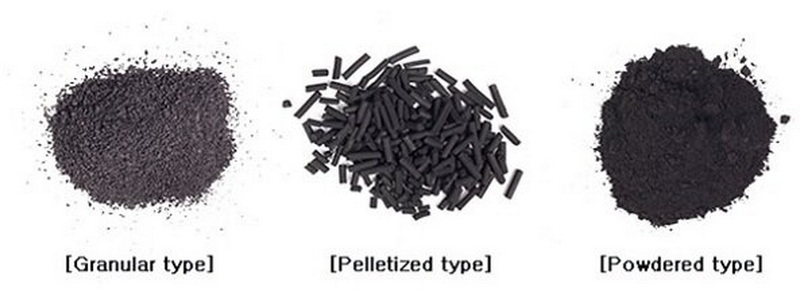
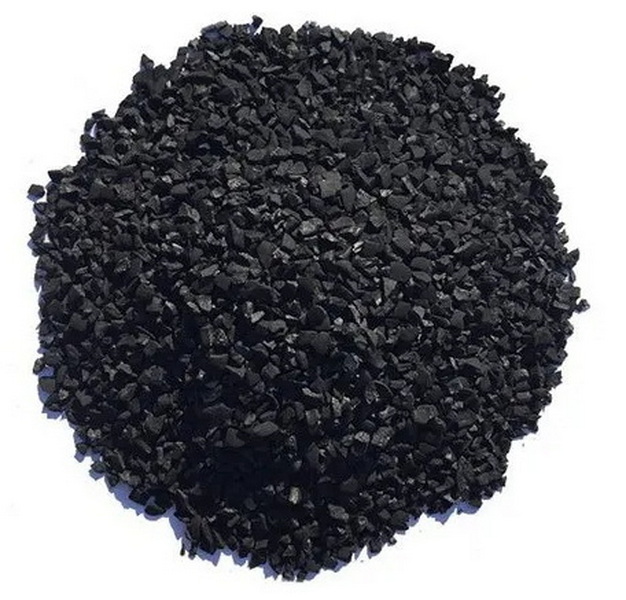
Coconut shell activated carbon is commonly produced as granular activated carbon (GAC), powdered activated carbon (PAC), or shaped pellets depending on the application. Its high hardness, low dust content, and renewable raw material base make coconut shell activated carbon attractive for municipal water treatment, air filters, respirators, gold recovery, food and beverage purification, and many specialty chemical processes.
From a performance perspective, coconut shell activated carbon often reaches specific surface areas in the range of 1000–1600 m²/g, with a pore size distribution dominated by micropores and some mesopores. This structure enables coconut shell activated carbon to adsorb a wide spectrum of organic compounds, chlorine, disinfection by‑products, and traces of volatile organic compounds. Because coconut shell activated carbon is derived from a renewable agricultural by‑product, it also supports sustainability goals in modern filtration systems.
Raw Material Selection and Pre‑Treatment
Selecting Coconut Shells
The first step in making coconut shell activated carbon is choosing high‑quality shells with low moisture, low ash, and minimal contamination from soil or other plant matter. Industrial producers often source coconut shells from tropical regions with abundant coconut plantations such as Southeast Asia, South Asia, and some Pacific regions, where consistent quality and supply are available for activated carbon manufacturing.
Ideally, coconut shells used for activated carbon are fully matured, well dried, and cleaned of residual coconut meat and external fibers to reduce volatile impurities. Sorting by size and removing stones and metals before processing helps protect crushers, kilns, and activation equipment used in activated carbon production. Good raw material selection improves yield, process stability, and the final adsorption performance of coconut shell activated carbon.
Cleaning, Drying, and Size Reduction
Before carbonization, coconut shells for activated carbon are washed if necessary and then thoroughly dried to remove free moisture, which improves energy efficiency in the kiln. Drying can be done in sun dryers, flash dryers, or rotary dryers until the moisture content is low enough for stable burning and carbonization in the next step.
Dried shells are then crushed to a controlled size using jaw crushers or hammer mills so that heat transfer during carbonization and activation is uniform, which is essential for consistent activated carbon quality. Proper size reduction also helps later when grinding and screening the activated carbon to specified mesh sizes such as 6–12, 8–16, 20–40, or 200–325 mesh. The combination of proper drying and controlled particle size ensures that coconut shell activated carbon develops a homogeneous pore structure in subsequent stages.
Step‑by‑Step Production Process
Overview of the Two Main Stages
Making coconut shell activated carbon typically involves two main stages: carbonization (pyrolysis) and activation of the resulting char. In carbonization, organic compounds in the the coconut shell decompose at high temperature in limited oxygen, leaving a carbon‑rich char that is the precursor of activated carbon.
In the activation stage, the coconut shell char is treated at high temperature with oxidizing gases such as steam or carbon dioxide, which react with carbon and open a network of microscopic pores to form activated carbon with very high specific surface area. Both stages must be carefully controlled to produce coconut shell activated carbon with the desired pore size distribution, hardness, and adsorption capacity.
Carbonization of Coconut Shells
During carbonization, screened coconut shells are fed into carbonization equipment such as a rotary kiln, drum kiln with chimney, traditional pit kiln, or continuous carbonization furnace that provides uniform high temperatures under restricted oxygen conditions. Typical carbonization temperatures for coconut shell activated carbon precursors are in the range of about 500–600 degrees Celsius, maintained for a suitable residence time depending on equipment design and feed size.
As the coconut shells are heated, moisture, tars, and volatile organics are driven off, and the shells are transformed into coconut shell charcoal, which is the intermediate product for activated carbon. The yield and quality of this charcoal strongly affect the final yield and performance of coconut shell activated carbon, so producers monitor temperature, residence time, and off‑gas composition to control the process.
After carbonization, airflow is gradually cut or controlled to allow the charcoal to cool (often called pacification), preventing the carbonized material from burning to ash and preserving the structure needed for activated carbon. The cooled coconut shell charcoal is then crushed and screened to the desired size for the activation step, ensuring consistent particle size distribution and uniform activation.
Physical (Steam/CO2) Activation
In physical activation, carbonized coconut shell char is introduced into an activation furnace or fluidized bed reactor and heated to even higher temperatures, often 800–900 degrees Celsius, in an atmosphere containing water vapor or carbon dioxide. These oxidizing gases react with the carbon in the char, and part of the carbon is consumed to form gases such as carbon monoxide, carbon dioxide, and hydrogen, leaving behind a network of pores that turn the char into activated carbon.
The activation conditions—temperature, residence time, gas flow rate, and oxygen content—strongly influence the pore structure and adsorption properties of coconut shell activated carbon. A longer activation time or higher temperature generally increases surface area and total pore volume, but if over‑activated, the structure may become too fragile, reducing hardness and mechanical strength.
Coconut shell activated carbon produced by steam activation typically has a very high specific surface area and a predominance of micropores, which is ideal for water treatment and gas purification. In continuous processes, activated carbon from coconut shell char exits the reactor and passes through cooling, de‑dusting, and sometimes surface modification steps before final grading and packaging. The choice of activation method and reactor design—such as rotary kilns, multi‑hearth furnaces, or fluidized beds—determines energy efficiency, throughput, and how precisely the pore structure can be tailored.
Chemical Activation (Alternative Route)
Besides physical activation, coconut shell char or even raw shells can be treated with chemicals such as phosphoric acid, zinc chloride, or potassium hydroxide before or during carbonization to produce chemically activated carbon. In chemical activation, the impregnating agent promotes dehydration and cross‑linking at lower temperatures, which can develop different pore structures and high surface area in the resulting activated carbon.
After impregnation and heating, the chemically activated carbon must be thoroughly washed to remove residual reactants and salts, then dried and sized. Chemical activation is sometimes used to tailor coconut shell activated carbon for specific applications where a particular mesopore or macropore structure is beneficial, such as in decolorization or certain gas‑phase processes. However, steam‑activated coconut shell activated carbon remains dominant in many water and air purification markets because it avoids chemical additives and simplifies wastewater treatment.
Washing, Drying, and Screening
Regardless of the activation method, freshly activated carbon often contains ash, residual inorganic compounds, and fines that must be removed or reduced to meet specification. Washing with water, sometimes followed by acid washing, removes soluble minerals and improves the purity and performance of coconut shell activated carbon in sensitive applications like food, beverage, and pharmaceuticals.
The washed activated carbon is then dried, commonly in rotary or belt dryers, to achieve a stable moisture content suitable for storage and use. Finally, the coconut shell activated carbon is crushed if needed, screened to the required mesh size (for example 6–12, 8–16, or 12–40 mesh for granular activated carbon, or finer for powdered activated carbon), and packaged in bags or bulk containers ready for use in filtration systems. At this stage, producers may also blend different batches or sizes of coconut shell activated carbon to meet specific customer requirements.
Equipment Needed for Coconut Shell Activated Carbon Production
Core Process Equipment
To make coconut shell activated carbon at industrial scale, manufacturers typically use crushers, dryers, carbonization kilns, activation furnaces, cooling systems, and screening machines. Crushers and grinders handle size reduction of shells and char, while rotary kilns or drum kilns provide the controlled thermal environment required to turn shells into charcoal suitable for activated carbon.
Activation equipment may include rotary activation kilns, multiple‑hearth furnaces, shaft furnaces, or fluidized bed reactors that allow precise control of temperature and gas distribution, which is crucial for high‑quality coconut shell activated carbon. Steam generation systems, blowers, and flue gas treatment units are also important supporting devices, ensuring that the activated carbon process maintains both product quality and safe emissions.
Downstream, conveying, dust collection, and packaging systems ensure that activated carbon is handled safely and delivered in clean, consistent form to customers. Automated bagging machines, bulk loading systems, and palletizing equipment can help large producers of coconut shell activated carbon improve efficiency and reduce labor intensity.
Optional Treatment and Finishing Equipment
Some coconut shell activated carbon plants incorporate acid‑washing systems and neutralization tanks to produce low‑ash, low‑metal grades for specialized uses such as pharmaceutical intermediates, high‑purity chemicals, and certain beverage applications. Acid‑washed coconut shell activated carbon typically has lower iron, calcium, and magnesium levels, improving color removal and preventing unwanted reactions in sensitive processes.
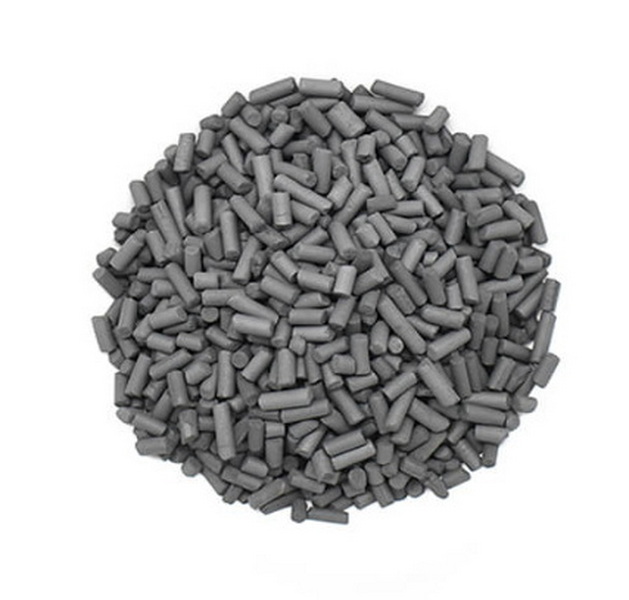
Other plants may use pelletizing or briquetting equipment to form granular or extruded activated carbon with controlled shape and mechanical strength for gas‑phase adsorption systems. Shaped coconut shell activated carbon pellets are often used in air purification, solvent recovery, and gas masks because they offer low pressure drop and high mechanical robustness.
Analytical instruments such as BET surface area analyzers, pore size distribution analyzers, adsorption test rigs, hardness testers, and ash content testers are often installed in laboratories to verify that each batch of coconut shell activated carbon meets performance specifications. These tools support continuous improvement and help manufacturers offer tailored activated carbon solutions for water, air, and process purification markets.
Quality Control and Key Performance Indicators
Important Properties of Coconut Shell Activated Carbon
High‑quality coconut shell activated carbon is characterized by high specific surface area, a high proportion of micropores, low ash, high hardness, low dust content, and controlled particle size distribution. Typical test parameters include iodine number, methylene blue adsorption, molasses number, apparent density, pH, moisture content, ash content, and abrasion resistance.
Microporous coconut shell activated carbon is especially effective at removing chlorine, volatile organic compounds, and trace organics from drinking water and industrial process streams. For gas‑phase applications, parameters such as carbon tetrachloride activity or butane working capacity are often used to evaluate performance. Consistent quality control testing ensures that each lot of activated carbon behaves predictably in fixed‑bed, moving‑bed, or powdered dosing systems.
Typical Applications and Performance
In municipal and household water treatment, coconut shell activated carbon is widely used in filters to remove chlorine, pesticides, herbicides, disinfection by‑products, and off‑tastes from drinking water. Point‑of‑use cartridges, central treatment systems, and industrial process water filters rely on coconut shell activated carbon because of its high adsorption capacity and clean, low‑ash nature.
Air and gas purification systems use coconut shell activated carbon to adsorb odors, volatile organic compounds, and toxic gases in HVAC filters, gas masks, industrial scrubbers, and solvent recovery units. Food and beverage processors apply coconut shell activated carbon to decolorize liquids, purify sweeteners, refine edible oils, and remove unwanted flavor compounds without affecting essential nutrients.
In gold mining and certain pharmaceutical processes, coconut shell activated carbon is chosen for its durability and high adsorption capacity under demanding operating conditions, such as high temperatures and repeated adsorption–desorption cycles. Due to its hardness and low attrition, coconut shell activated carbon maintains particle integrity and reduces carbon loss in these continuous or semi‑continuous processes.
Safety, Environmental, and Industrial Considerations
Safety and Emissions Control
Producing coconut shell activated carbon involves high‑temperature equipment and combustible gases, so proper furnace design, insulation, and gas handling systems are essential for safe operation. Operators must monitor oxygen levels, temperature profiles, and pressure to prevent uncontrolled combustion or backfire in carbonization and activation units.
Off‑gases from carbonization and activation often contain tars, particulate matter, and volatile organics that must be burned or treated before release to minimize environmental impact. Many plants use afterburners, heat exchangers, and dust collectors to clean and recover energy from these gas streams, improving the environmental footprint of coconut shell activated carbon production.
Dust from crushing and screening activated carbon is both a health and explosion hazard, so plants implement dust collection, proper ventilation, and personal protective equipment to protect workers. Regular maintenance and monitoring of kilns, reactors, and steam systems help prevent hotspots, leaks, and unplanned downtime, ensuring stable production of coconut shell activated carbon.
Sustainability Advantages of Coconut Shell Activated Carbon
Coconut shell activated carbon is produced from an agricultural by‑product that would otherwise have limited uses or be discarded, making it an attractive renewable source compared with fossil‑based carbons. Because coconut trees continuously produce coconuts, the supply of shells for activated carbon is relatively sustainable when managed responsibly.
The high hardness and long service life of coconut shell activated carbon in many applications can reduce replacement frequency and waste generation compared with softer carbons. When exhausted, coconut shell activated carbon can sometimes be thermally reactivated, restoring a significant portion of its adsorption capacity and further improving lifecycle sustainability. As more industries seek low‑carbon and circular solutions, coconut shell activated carbon is becoming a preferred adsorbent in global markets.
Practical Tips for Setting Up a Coconut Shell Activated Carbon Plant
For companies considering investment in coconut shell activated carbon production, several practical points can improve the success of a project:
- Secure a stable, long‑term supply of coconut shells with clear quality specifications and moisture targets.
- Choose the appropriate production scale and activation technology (batch or continuous, steam or chemical) based on target markets and quality requirements.
- Design the plant layout to minimize material handling distances between crushing, drying, carbonization, activation, and screening sections.
- Implement robust quality control procedures to verify key performance indicators of coconut shell activated carbon before shipment.
- Highlight the sustainability profile of coconut shell activated carbon in marketing materials, emphasizing renewable raw materials and potential reactivation.
By paying attention to these aspects, manufacturers can build a competitive, efficient coconut shell activated carbon operation that meets stringent safety, environmental, and product quality standards.
Conclusion
Coconut shell activated carbon is a versatile, high‑performance adsorbent produced from a renewable agricultural by‑product through carefully controlled carbonization and activation processes. From selecting and drying coconut shells to carbonizing, activating, washing, drying, and screening, every step in the process influences the pore structure, hardness, and adsorption performance of the final activated carbon product.
With appropriate crushers, kilns, activation furnaces, washing systems, and laboratory equipment, manufacturers can produce coconut shell activated carbon tailored to applications in water treatment, air and gas purification, food and beverage processing, gold recovery, and pharmaceuticals. By optimizing quality control and emphasizing safety and environmental protection, coconut shell activated carbon producers can deliver reliable, sustainable solutions to global filtration and purification markets.
Contact us to get more information!
FAQ
1. What is coconut shell activated carbon?
Coconut shell activated carbon is a porous adsorbent made by carbonizing and activating coconut shells to develop a network of micropores with very high internal surface area. Because of its microporous structure and high hardness, coconut shell activated carbon is widely used in water, air, and industrial purification processes where efficient adsorption and long service life are required.
2. How is coconut shell activated carbon different from other types of activated carbon?
Compared with coal‑based or wood‑based grades, coconut shell activated carbon generally has a higher proportion of micropores, making it especially effective at removing low‑molecular‑weight pollutants and odors from water and gas streams. It also offers high hardness and low dust, which improve performance in fixed‑bed filter systems and reduce carbon losses during handling, backwashing, and transport.
3. What are the main steps to make coconut shell activated carbon?
The main steps are raw shell cleaning and drying, carbonization at around 500–600 degrees Celsius to produce coconut shell charcoal, activation at high temperature with steam or carbon dioxide, followed by washing, drying, and screening to the desired particle size. Each step must be controlled to produce coconut shell activated carbon with the desired pore structure, hardness, and adsorption capacity, suitable for specific water, air, or process purification applications.
4. Where is coconut shell activated carbon commonly used?
Coconut shell activated carbon is widely used in drinking water filters, municipal water plants, household cartridges, air purifiers, gas masks, industrial gas treatment systems, food and beverage decolorization, gold recovery, and pharmaceutical purification. Its high adsorption capacity, clean surface, and renewable origin make coconut shell activated carbon a preferred choice in many environmentally focused and high‑value applications.
5. Can coconut shell activated carbon be regenerated and reused?
In many industrial systems, spent coconut shell activated carbon can be thermally reactivated in specialized facilities that burn off adsorbed organics and restore pore volume. Properly regenerated coconut shell activated carbon can often be reused in multiple cycles, reducing operating costs and environmental impact for large‑scale water, air, and process treatment plants.
Citations:
1. https://qizhongcarbon.com/blog/what-is-coconut-shell-activated-carbon/
2. https://rotarykilnfactory.com/how-to-make-activated-carbon-from-coconut-shell/
3. https://gycarbons.com/News/88.html
4. https://rajahfiltertechnics.com/water-filtration/coconut-becomes-activated-carbon/
5. https://iarjset.com/wp-content/uploads/2022/05/IARJSET.2022.9440.pdf
6. https://www.homewater.com/blog/coconut-carbon-the-complete-guide
7. https://generalcarbon.com/facts-about-activated-carbon/a-guide-to-acid-washed-coconut-shell-activated-carbon/
8. https://activatedcarbondepot.com/blogs/news/coconut-shell-activated-charcoal-benefits-uses
9. https://mellifiq.com/en/coconut-shell-activated-carbon/
10. https://www.intratec.us/solutions/commodity-production-costs/reports/activated-carbon-production-cost-activated-carbon-production-from-coconut-shell-steam-activation-process


