Content Menu
● What Is Activated Carbon And Why It Works
● Safety Notes Before You Start
● Materials Needed For A DIY Activated Carbon Water Filter
● Optional: How To Make Your Own Activated Carbon
● Step‑By‑Step: Building Your Activated Carbon Water Filter
>> Step 1: Prepare The Filter Housing
>> Step 2: Create The Support Layer
>> Step 3: Add The Activated Carbon Layer
>> Step 4: Add Sand And Gravel Layers
>> Step 5: Start And Flush The Activated Carbon Water Filter
● How An Activated Carbon Water Filter Cleans Water
● Maintenance And Replacement Of Your Activated Carbon Filter
● When To Use And When Not To Use A DIY Activated Carbon Water Filter
● Tips To Optimize Your Activated Carbon Water Filter
● Summary And Conclusion
● FAQ About Activated Carbon Water Filters
>> 1. How effective is a DIY activated carbon water filter?
>> 2. Can an activated carbon water filter remove bacteria and viruses?
>> 3. How long does activated carbon last in a water filter?
>> 4. Is homemade activated carbon as good as commercial activated carbon?
>> 5. Is it safe to drink water from a DIY activated carbon water filter every day?
● Citations:
Learn how to make an effective activated carbon water filter at home, including materials, step‑by‑step assembly, DIY activated carbon preparation, safety tips, maintenance, and FAQs to improve water taste and quality.
What Is Activated Carbon And Why It Works
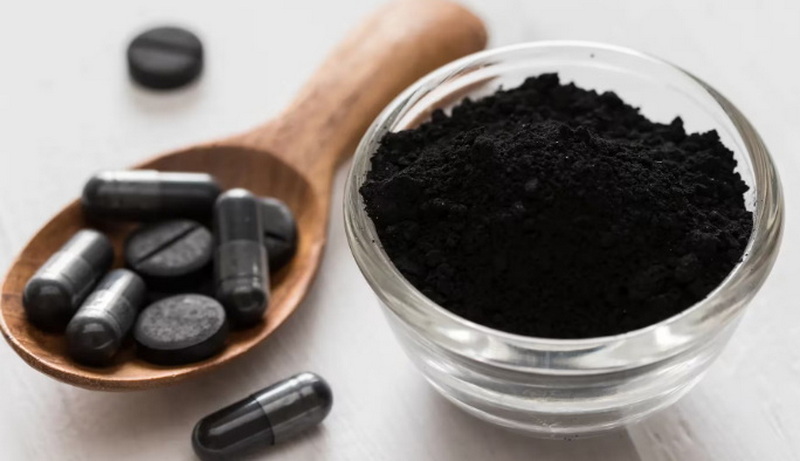
Activated carbon is a highly porous form of carbon made from raw materials such as coconut shells, wood, or coal and processed at high temperature to create an enormous internal surface area. This huge network of micro‑pores allows activated carbon to adsorb a wide range of dissolved contaminants from water rather than simply filtering them mechanically. In water filtration, activated carbon is widely used to reduce chlorine, chloramine, many volatile organic compounds, some pesticides, and various substances that cause bad taste and odor. Because activated carbon relies on adsorption, its performance depends on pore structure, contact time, and the concentration and type of contaminants in the water. For serious or large‑scale treatment, professionally manufactured activated carbon with controlled properties is preferred over improvised charcoal.
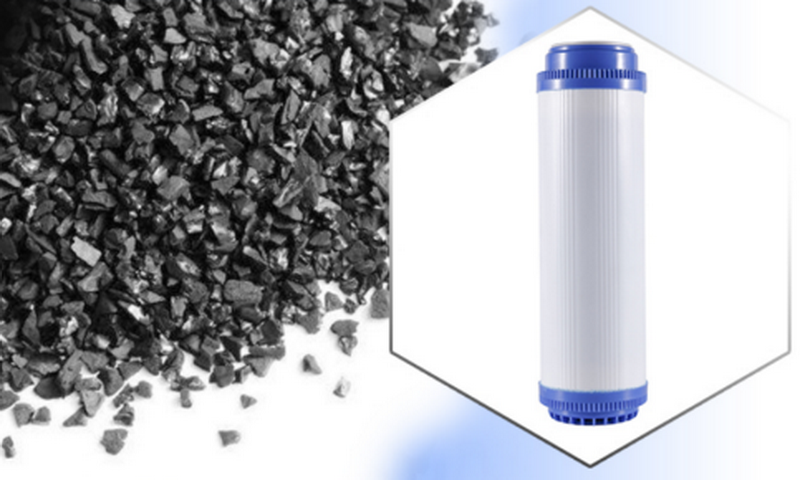
An activated carbon water filter uses this porous media in a cartridge or loose bed so that water flows through and contaminants adhere to the surface of the carbon granules. Compared with ordinary charcoal, activated carbon has been processed to develop more pores and much higher surface area, which makes it significantly more effective for water treatment. Many household filtration systems, from countertop jugs to under‑sink systems and whole‑house units, rely on activated carbon as a core component of their design. At the same time, activated carbon is usually combined with sediment filters, membranes, or disinfection processes because it does not address every contaminant class equally well. Understanding how activated carbon works will help you design a more efficient activated carbon water filter for home or emergency use.
Safety Notes Before You Start
Before building a DIY activated carbon water filter, it is important to understand its limitations and basic safety rules. A homemade activated carbon water filter can improve taste, odor, and some chemical contaminants, but it should not be considered a complete purification system for microbiologically unsafe water. Bacteria, viruses, and protozoa may still pass through an activated carbon layer unless the system is specifically designed and tested to remove them. Therefore, you should always pair an activated carbon water filter with boiling, chemical disinfection, ultraviolet treatment, or a certified microfiltration or ultrafiltration stage when dealing with untreated or questionable water sources.
Handling activated carbon also requires some caution, especially when dealing with fine granular or powdered products. The dust from activated carbon can irritate eyes and respiratory passages, so wearing basic protection like a dust mask and safety glasses is recommended during filling and maintenance. Industrial guidance on the care and handling of activated carbon notes that dust exposure should be minimized, and that large enclosed vessels filled with activated carbon should be ventilated and assessed for gas buildup before entry. In extreme industrial situations, activated carbon beds used for gas adsorption can even pose a fire hazard if vapors react exothermically, although this is unlikely in a small home water filter. By respecting simple precautions—avoiding dust inhalation, keeping carbon away from open flames, and understanding that an activated carbon water filter does not guarantee pathogen removal—you can safely enjoy the benefits of activated carbon filtration.
Materials Needed For A DIY Activated Carbon Water Filter
To make a basic gravity‑driven activated carbon water filter at home, you can use simple and inexpensive materials. The core of the system is the activated carbon itself, ideally granular activated carbon (GAC) that is rated for drinking water or aquarium use from a reputable supplier. This type of activated carbon is manufactured to be clean, porous, and suitable for contact with water that may be consumed. In addition to activated carbon, you will need a filter housing such as a plastic bottle, glass cylinder, or short length of food‑grade PVC pipe. The container needs an inlet at the top and a controlled outlet at the bottom so that water is forced to pass through the activated carbon layer.
To protect the activated carbon and improve overall filtration, you will also need a few layering materials. A support layer of cotton balls, coffee filter paper, or fine cloth at the bottom prevents activated carbon particles from escaping with the water. On top of the activated carbon layer, you can add clean fine sand to capture small suspended particles before they reach the carbon. Above the sand, a layer of small gravel or pebbles helps distribute the incoming flow and trap larger debris. Gather scissors or a knife to cut the bottle, rubber bands or tape to secure cloth, and a clean container to collect the filtered water. With these materials, you can build a simple yet effective activated carbon water filter that demonstrates the principles used in many commercial systems.
Optional: How To Make Your Own Activated Carbon
If you prefer to control the entire process from raw material to finished filter, you can attempt to make your own activated carbon. Keep in mind that home‑produced activated carbon is difficult to standardize and may not match the performance of professionally engineered products, but it can still be useful for non‑critical applications and educational experiments. A common DIY approach starts with a carbon‑rich material such as hardwood pieces, coconut shells, or even clean nutshells. These materials are first converted into charcoal in a low‑oxygen environment. You can place them in a metal container with a small vent hole and heat the container in a fire or oven until the material carbonizes and turns into charcoal, then allow it to cool completely before opening.
Once you have charcoal, the next stage is activation, where the internal pore structure of the carbon is developed. For chemical activation at a small scale, one common method is to crush the charcoal into granules or powder and soak it in a solution of a chemical such as calcium chloride or zinc chloride. Some DIY guides also describe using an acidic solution, for example water mixed with lemon juice or another mild acid, to help open up pores when the charcoal is heated again. After soaking for several hours or overnight, the carbon is thoroughly rinsed with clean water to remove residual chemicals and then dried in an oven at moderate temperature. More advanced processes heat the impregnated charcoal at higher temperatures under controlled conditions to create highly porous activated carbon. Whatever method you choose, remember that commercial activated carbon is produced under carefully monitored temperatures and atmospheres, so for critical drinking‑water filtration, using professionally made activated carbon is strongly recommended.
Step‑By‑Step: Building Your Activated Carbon Water Filter
Step 1: Prepare The Filter Housing
Begin by choosing a suitable housing for your activated carbon water filter, such as a clear plastic bottle with a capacity of one to two liters. Wash the bottle thoroughly with mild detergent and rinse until no soap remains, as residues can interfere with the performance of the activated carbon. Using scissors or a knife, cut off the bottom of the bottle, which will become the open top where you pour water into the filter. Keep the original cap on the bottle, because the water will exit through a small opening at the neck, ensuring that it is forced through the layers of media including the activated carbon. If desired, you can drill a small hole in the cap to control the flow rate so that water passes more slowly through the activated carbon bed, increasing contact time and improving adsorption.
Step 2: Create The Support Layer
Turn the bottle upside down so that the capped end faces down, and create a support layer to hold the activated carbon and other media in place. Stuff cotton balls, folded coffee filter paper, or a piece of clean cloth into the neck of the bottle, making sure there are no large gaps around the edges. This support layer acts as a barrier that prevents fine activated carbon particles and sand from leaking out while still allowing water to pass through. You want the support to be dense enough to retain the activated carbon but not so dense that it completely blocks the flow. If you are using cloth, secure it firmly with a rubber band around the neck so that it stays tight when you fill the filter with activated carbon and other materials.
Step 3: Add The Activated Carbon Layer
After the support layer is installed, it is time to add the most important part of your activated carbon water filter: the activated carbon media. If your activated carbon granules are very large, you can crush them gently to reduce particle size and increase surface area, but avoid grinding them into extremely fine powder that will be difficult to contain and will wash out as dust. Pour the activated carbon into the bottle until it fills about one‑third to one‑half of the bottle height. This thick bed ensures the water has enough distance to travel through the activated carbon layer, maximizing adsorption.
Once the activated carbon is in place, gently tap or shake the bottle to help the granules settle and eliminate large channels. Channels or voids reduce the effectiveness of the activated carbon water filter because water can bypass much of the media rather than being forced through it. The goal is an even, compact yet permeable activated carbon bed. At this stage, you have effectively created the core segment of your activated carbon water filter, and the additional layers will protect and support its performance over time.
Step 4: Add Sand And Gravel Layers
With the activated carbon layer prepared, you can enhance your filter by adding a fine sand layer followed by a gravel layer. First, pour a layer of clean, washed fine sand on top of the activated carbon until it reaches several centimeters in thickness. This sand layer acts as a pre‑filter that removes small particles from the incoming water, which reduces clogging in the activated carbon pores. Clean sand also helps distribute the flow evenly over the surface of the activated carbon bed.
On top of the sand, add a layer of small gravel or pebbles. This top layer catches leaves, coarse sediment, and visible debris before they make contact with the finer media below. In a properly layered activated carbon water filter, the sequence from bottom to top is: support layer (cotton or cloth) at the neck, then the thick activated carbon bed, then fine sand, and finally gravel. This arrangement mimics classic multi‑media filters and ensures that the activated carbon is protected, used efficiently, and easier to maintain.
Step 5: Start And Flush The Activated Carbon Water Filter
Once your layers are in place, position the bottle upside down over a clean collection container or second bottle. Loosen the cap slightly or ensure the outlet hole is open so that water can drip or flow slowly through your activated carbon water filter. Begin by pouring clean water into the gravel at the top and allowing it to pass through the entire filter. You will likely see black or gray water at first as fine particles and dust from the activated carbon wash out.
Continue flushing several volumes of water through the activated carbon water filter until the effluent runs clear and free of visible carbon particles. This step is essential because it removes loose dust and conditions the activated carbon surface for optimal adsorption. After flushing, you can begin filtering water that you intend to use for non‑critical purposes or that you will further treat by boiling or disinfection. Periodically check the flow rate; if the activated carbon water filter becomes clogged, it may be time to replace or re‑layer the media.
How An Activated Carbon Water Filter Cleans Water
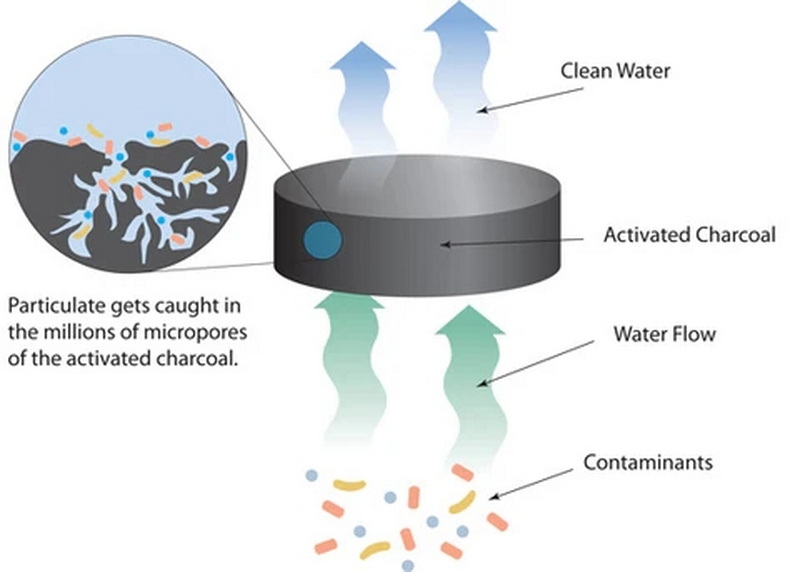
An activated carbon water filter cleans water through a combination of adsorption and physical filtration. Adsorption is a surface process where contaminant molecules are attracted to and held on the internal surfaces of the activated carbon pores. This is different from absorption, where a substance is taken into the bulk of a material. Activated carbon has an enormous internal surface area, often hundreds of square meters per gram, giving it many active sites where molecules such as chlorine, chloramine, and various organic compounds can attach.
Physical filtration in an activated carbon water filter occurs through the layered materials surrounding the carbon. The gravel and sand layers trap suspended solids and visible sediment, helping to clarify the water before it reaches the activated carbon. Inside the activated carbon bed, some fine particles can be physically strained out as they get trapped in the tortuous paths between granules. The overall effectiveness of an activated carbon water filter depends on contact time, temperature, pH, and the specific contaminants present. Slower flow rates generally increase contact time between water and activated carbon, improving adsorption but reducing convenience. This is why many commercial activated carbon water filters are carefully engineered to balance flow and performance according to the intended use.
Maintenance And Replacement Of Your Activated Carbon Filter
Like all filtration media, activated carbon does not last forever. Over time, the pores of activated carbon gradually fill with adsorbed contaminants and the media becomes saturated. When this happens, the activated carbon water filter loses its ability to adsorb additional substances and may even start releasing previously captured compounds if conditions change. In addition, the outer surfaces of the granules can accumulate biofilm and fine sediment, further reducing flow and effectiveness. For these reasons, regular maintenance and timely replacement are essential.
In a DIY activated carbon water filter, there is no built‑in indicator to tell you exactly when the activated carbon is exhausted, so you should watch for changes in taste, odor, or color. If you notice that chlorine smell returns or the water tastes the same as before filtration, the activated carbon is likely spent and should be replaced. Some industrial guidance recommends that activated carbon filters in purified water systems not be used beyond a defined time limit and emphasizes that fresh carbon is essential for reliable performance. For household use, a conservative approach is to replace the activated carbon frequently, such as every few weeks for intermittent use or sooner if the feed water is heavily contaminated. Cleaning the housing and replacing sand and gravel periodically also helps keep your activated carbon water filter running smoothly.
When To Use And When Not To Use A DIY Activated Carbon Water Filter
A DIY activated carbon water filter can be very useful in certain contexts but is not always the right solution. One good use case is education: building a small activated carbon water filter in a classroom or at home is an excellent way to demonstrate concepts like adsorption, multi‑layer filtration, and water quality improvement. Another appropriate use is as a taste‑improvement stage for treated tap water or for water that has already been disinfected by boiling or chemical methods during camping or emergencies. In these situations, the activated carbon water filter primarily enhances taste and removes residual chemicals from disinfectants.
However, a homemade activated carbon water filter should not be relied upon as the only line of defense for highly contaminated or unknown water sources. Industrial wastewater, agricultural runoff, or water suspected of containing heavy metals, pathogens, or complex industrial chemicals require far more sophisticated treatment than a simple bottle of sand and activated carbon can provide. In critical applications, engineered and certified activated carbon filters, often paired with membranes and other technologies, are designed and tested to meet strict performance standards. The main takeaway is that a DIY activated carbon water filter is best used as an auxiliary or educational tool, not as a complete water treatment system for high‑risk situations.
Tips To Optimize Your Activated Carbon Water Filter
There are several practical steps you can take to get better performance from your activated carbon water filter. First, choose high‑quality activated carbon designed for water treatment instead of random charcoal. Products that meet common drinking‑water or food‑grade standards are manufactured and tested for purity, minimizing the risk of unwanted contaminants leaching into your water. Second, design your activated carbon water filter to encourage slow and even flow through the carbon bed. A smaller outlet hole, a deeper bed of activated carbon, and a steady gravity‑fed flow all increase contact time and improve adsorption.
Third, protect the activated carbon from clogging and premature exhaustion by using effective pre‑filtration. The sand and gravel layers, combined with a simple cloth pre‑filter, significantly reduce the load of suspended solids reaching the activated carbon. This preserves the internal pore structure of the activated carbon for chemical adsorption rather than particle capture. Finally, store your activated carbon properly between uses. Keep unused activated carbon sealed in a dry container, and avoid leaving an activated carbon water filter idle and wet for long periods, because stagnant water inside the filter can encourage microbial growth. By paying attention to material quality, flow rate, pre‑filtration, and storage, you can get the best possible performance out of your activated carbon water filter.
Summary And Conclusion
An activated carbon water filter is a powerful, accessible technology that you can build at home using simple materials and a well‑designed layer structure. By understanding what activated carbon is, how it works, and how to construct a basic gravity filter with a thick carbon bed, sand, gravel, and a support layer, you can significantly improve the taste and aesthetic quality of many water sources. Optional steps like making your own activated carbon from wood or shells add an extra educational dimension, though for critical applications, professional activated carbon is the safest choice.
At the same time, it is crucial to recognize the limitations of a DIY activated carbon water filter. While activated carbon excels at adsorbing many chemicals that affect taste and odor, it does not automatically make contaminated water microbiologically safe. The most responsible way to use an activated carbon water filter is as one part of a multi‑step water treatment strategy, where disinfection and, when necessary, more advanced filtration technologies handle pathogens and difficult contaminants. With proper safety practices, maintenance, and realistic expectations, a homemade activated carbon water filter can be an effective tool for learning, emergency preparedness, and everyday water quality improvement.
Contact us to get more information!
FAQ About Activated Carbon Water Filters
1. How effective is a DIY activated carbon water filter?
A DIY activated carbon water filter can be quite effective at improving taste and odor and reducing many organic chemicals and chlorine, especially when it uses a thick bed of high‑quality activated carbon. However, because home‑built filters are not independently tested or certified, their exact performance is unknown, so they should be treated as supplemental rather than primary treatment devices.
2. Can an activated carbon water filter remove bacteria and viruses?
Standard activated carbon is not primarily designed to remove bacteria and viruses, although some microorganisms may be reduced incidentally as they pass through the filter. To make water microbiologically safe, you still need reliable disinfection methods such as boiling, chemical disinfectants, ultraviolet treatment, or a certified filter with pores small enough to block pathogens.
3. How long does activated carbon last in a water filter?
The useful life of activated carbon in a water filter depends on several factors, including the quality of the feed water, the volume of water processed, and the contact time. As the pores become filled with contaminants, the activated carbon gradually loses its adsorption capacity, and signs such as the return of chlorine smell or bad taste indicate that it is time to replace the media.
4. Is homemade activated carbon as good as commercial activated carbon?
Homemade activated carbon made from charcoal and simple chemical activation can develop some porosity and provide limited adsorption, making it suitable for experiments or low‑risk applications. Commercial activated carbon, however, is produced under controlled conditions and tested for specific performance characteristics, so it is generally far more reliable for drinking‑water filtration.
5. Is it safe to drink water from a DIY activated carbon water filter every day?
If the feed water is already microbiologically safe and the activated carbon is of food‑grade or drinking‑water grade quality, water filtered through a well‑maintained activated carbon water filter can be suitable for daily use. For untreated or questionable sources, a DIY activated carbon water filter should only be one part of a broader treatment system that includes proven disinfection methods and, ideally, professionally designed filtration equipment.
Citations:
1. https://www.youtube.com/watch?v=7Biyc8wZCY0
2. https://www.instructables.com/Water-Purification-Through-Activated-Carbon/
3. https://www.allfilters.com/blog/activated-charcoal-water-filters-guide
4. https://wcponline.com/2005/06/22/care-handling-activated-carbon/
5. https://www.epa.gov/rmp/chemical-safety-alert-fire-hazard-carbon-adsorption-deodorizing-systems
6. https://thesurvivaltabs.com/blogs/news/diy-activated-charcoal-and-off-grid-water-filtration-tips
7. https://www.facebook.com/groups/172772332261594/posts/828752126663608/
8. https://www.youtube.com/watch?v=_Ao7sm_jx5U
9. https://www.osmotics.co.uk/blog/post/main-carbon-filter-types-water-filtration-guide
10. https://www.total-water.com/blog/activated-carbon-water-filter-overlooked-part-industrial-water-system/
11. https://www.cancerdiagnostics.com/site/attachments/SDSs/Activated_Carbon_Filters_SDS.pdf
12. http://www.hefilter.com/Industry-News/Tips-on-Carbon-Filter-Maintenance.shtml


