Content Menu
● What Is Coconut Shell Activated Carbon?
● Key Advantages of Coconut Shell Activated Carbon
● Raw Material Selection and Pretreatment
>> Selecting Quality Coconut Shells
>> Cleaning, Drying, and Size Reduction
● Carbonization – Turning Coconut Shells into Charcoal
>> Carbonization Conditions
>> Importance of Controlled Carbonization
● Activation – Creating the Pore Structure
>> Physical (Steam / Gas) Activation
>> Chemical Activation
● Post-Processing – Cooling, Sizing, and Washing
>> Cooling and Handling
>> Crushing, Grinding, and Screening
>> Washing, Acid Washing, and Drying
● Quality Control and Packaging
● Industrial Applications of Coconut Shell Activated Carbon
>> Water and Wastewater Treatment
>> Air and Gas Purification
>> Food and Beverage Processing
>> Pharmaceutical and Medical Uses
>> Gold Recovery and Environmental Remediation
● Safety, Environmental, and Operational Considerations
● Conclusion
● FAQ About Coconut Shell Activated Carbon
>> 1. What is the difference between coconut shell activated carbon and coal-based activated carbon?
>> 2. Is coconut shell activated carbon safe for drinking water?
>> 3. How long does coconut shell activated carbon last in filtration systems?
>> 4. Can spent coconut shell activated carbon be regenerated?
>> 5. Which industries benefit most from coconut shell activated carbon?
● Citations:
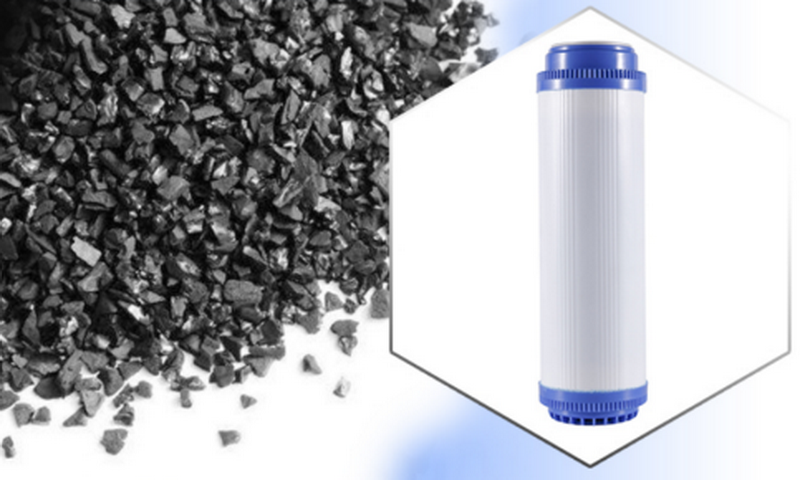
Coconut shell activated carbon is a high-performance adsorbent produced from a renewable agricultural by-product and engineered to deliver excellent purification performance in water, air, food, chemical, and pharmaceutical applications. By controlling each stage of the production process—from shell selection and carbonization to activation and finishing—manufacturers can produce coconut shell activated carbon with tailored pore structures, particle sizes, and performance characteristics for different industries.
As a professional Chinese manufacturer and exporter, we provide customized coconut shell activated carbon solutions for global customers, focusing on stable quality, consistent performance, and application-specific designs that help our clients achieve efficient, sustainable filtration and purification.
What Is Coconut Shell Activated Carbon?
Coconut shell activated carbon is a type of activated carbon made by carbonizing and activating cleaned, dried coconut shells under controlled conditions. The process removes volatile components from the shells, leaving a carbon-rich structure that is then activated to create a vast network of microscopic pores. This internal pore structure dramatically increases the surface area, allowing coconut shell activated carbon to capture and hold a wide range of contaminants.
Compared with coal- or wood-based activated carbon, coconut shell activated carbon generally exhibits higher hardness, lower dust, and a predominance of micropores. These micropores are especially effective for removing small organic molecules, disinfection by-products, volatile organic compounds, and many taste and odor compounds. Because coconut shells are a renewable, widely available by-product, coconut shell activated carbon is also regarded as an environmentally friendly and sustainable option.
Key Advantages of Coconut Shell Activated Carbon
Coconut shell activated carbon is widely chosen when performance, durability, and sustainability are priorities. Its advantages include:
- High specific surface area and microporosity, providing strong adsorption of low-molecular-weight organic contaminants and many VOCs.
- Excellent hardness and abrasion resistance, which reduces dust formation, minimizes carbon loss during handling, and extends service life in filtration systems.
- Low ash and impurity content, supporting high-purity applications such as food and beverage processing, pharmaceuticals, and electronics-grade water.
- Renewable raw material base, using coconut shell waste from the coconut industry and helping reduce reliance on fossil-based carbons.
- Stable performance under continuous operation, making coconut shell activated carbon suitable for fixed-bed filters, pressure vessels, and large-scale treatment systems.
- Versatility across multiple industries, from drinking water and wastewater treatment to air and gas purification, gold recovery, and environmental remediation.
Raw Material Selection and Pretreatment
Selecting Quality Coconut Shells
The quality of coconut shell activated carbon starts with the quality of the raw coconut shells. Mature, hard, and clean shells produce better activated carbon because they contain more fixed carbon and fewer impurities. Shells should be free from mold, excessive moisture, and foreign materials such as soil, stones, and metallic objects.
In industrial practice, suppliers and manufacturers often develop specifications for coconut shells, including moisture content, size, and impurity levels. Consistent raw material quality helps ensure that the resulting coconut shell activated carbon meets required standards for surface area, hardness, and ash content.
Cleaning, Drying, and Size Reduction
Once collected, the coconut shells are cleaned to remove residual coconut meat, fibers, and surface contaminants. Cleaning can involve manual sorting, mechanical separation, and washing with water. After washing, the shells are dried either in the sun or in industrial dryers to reduce moisture to a suitable level for carbonization.
Dried shells are then crushed or chipped into controlled sizes to improve heat transfer and uniformity during carbonization. Proper size reduction ensures that each piece of coconut shell is heated evenly, which contributes to consistent quality in the finished coconut shell activated carbon. At this stage, the material is ready to enter the carbonization phase.
Carbonization – Turning Coconut Shells into Charcoal
Carbonization is the process of converting the organic components of coconut shells into a carbon-rich char that will later be activated. During carbonization, the prepared shells are heated in an oxygen-limited environment so that volatile substances are driven off while the solid carbon framework remains.
Carbonization Conditions
In commercial production, carbonization often takes place in drum kilns, vertical kilns, or rotary kilns designed to limit oxygen and control temperature. Typical features of the carbonization stage include:
- Temperature range generally from about 300 °C up to around 600 °C, often optimized around 500–600 °C.
- Residence times of several hours, sometimes up to 12 hours in certain kiln designs, to allow full conversion of the shells to charcoal.
- Restricted oxygen supply to prevent complete combustion and preserve the carbon content.
As the temperature rises, moisture is driven off, and then the shells begin to decompose, releasing gases and vapors such as water vapor, tars, and light hydrocarbons. The remaining solid product is coconut shell charcoal, sometimes referred to as coconut carbon or green char.
Importance of Controlled Carbonization
Carefully controlled carbonization is crucial for producing high-quality coconut shell activated carbon. If temperatures are too low or residence times too short, the char may contain excessive volatile matter and underdeveloped carbon structure. If temperatures are too high or oxygen leaks into the kiln, the material can burn and form ash instead of usable char.
Properly carbonized coconut shell charcoal has a stable structure, suitable fixed carbon content, and an initial pore system that can be further developed during activation. This char will be the feedstock for producing premium coconut shell activated carbon.
Activation – Creating the Pore Structure
Activation transforms coconut shell charcoal into highly porous coconut shell activated carbon by developing and enlarging its internal pore network. There are two main activation methods: physical (steam or gas) activation and chemical activation.
Physical (Steam / Gas) Activation
Physical activation is widely used in industrial-scale production of coconut shell activated carbon, especially for granular products.
In this method, coconut shell charcoal is fed into an activation furnace or rotary kiln and heated to high temperatures, typically in the range of 800–1000 °C. Steam and/or carbon dioxide are introduced as activating agents. These gases react with the carbon in controlled gasification reactions, gradually opening up closed pores and enlarging existing ones.
Key variables in physical activation include:
- Activation temperature.
- Residence time of the charcoal in the activation zone.
- Flow rate and composition of the activating gases (steam, CO₂, and sometimes other gases).
- Oxygen content and atmosphere control within the furnace.
By adjusting these parameters, manufacturers can tune the pore structure, surface area, and adsorption characteristics of the final coconut shell activated carbon. Physical activation is particularly suitable for producing strong, low-dust granular coconut shell activated carbon for water filters, air treatment, and gold recovery.
Chemical Activation
Chemical activation provides an alternative route to coconut shell activated carbon, often used when specific pore size distributions or very high surface areas are required.
In chemical activation, the carbonized material (or sometimes even raw material) is impregnated with a chemical activating agent, such as phosphoric acid, potassium hydroxide, or zinc chloride. The impregnated material is then heated at lower temperatures than physical activation, usually in the range of 500–900 °C, depending on the chemical used.
During heating, chemical reactions between the activating agent and the carbon matrix create a highly developed pore system. After activation, the product must be thoroughly washed to remove residual chemicals and by-products, then dried. The result is coconut shell activated carbon with tailored porosity and surface chemistry.
Chemical activation is common for powdered activated carbon grades and for specialty coconut shell activated carbon used in high-purity applications, where specific adsorption behavior is required.
Post-Processing – Cooling, Sizing, and Washing
Once activation is complete, the hot activated carbon must be cooled, processed to the desired particle size, and, when necessary, washed to achieve required purity.
Cooling and Handling
Activated carbon exiting the activation furnace is at very high temperature and can ignite if exposed directly to air. To prevent combustion, cooling is typically carried out in an inert or controlled environment, often with indirect water-cooled equipment. Safe cooling protects both the coconut shell activated carbon and the equipment and prevents dust explosions.
Once cooled, the activated carbon can be safely conveyed for further processing. At this stage, it is already functional, but additional steps are needed to match specific customer requirements.
Crushing, Grinding, and Screening
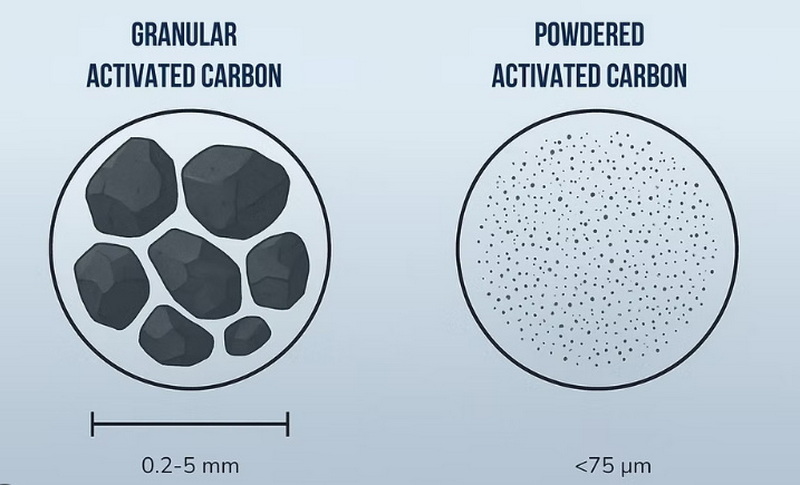
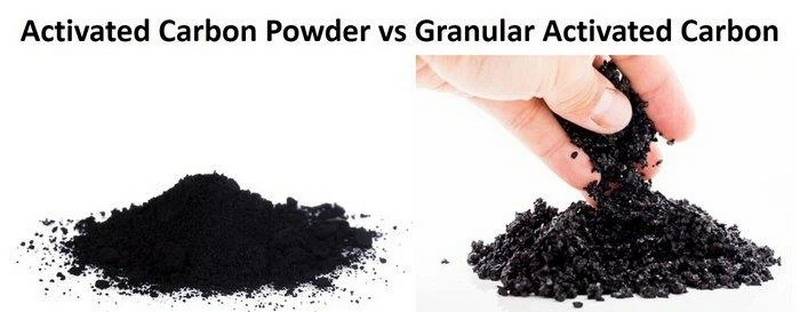
To create different product grades, the cooled coconut shell activated carbon is crushed, ground, and screened into defined particle sizes. Common granular sizes include 6–12 mesh, 8–16 mesh, 10–24 mesh, and 20–40 mesh, while powdered coconut shell activated carbon is often milled to 200 mesh, 325 mesh, or finer.
Accurate size classification is important because particle size affects:
- Flow resistance and pressure drop in filtration systems.
- Contact time between the fluid and the coconut shell activated carbon.
- Kinetics of adsorption and overall treatment efficiency.
By offering a range of mesh sizes, a manufacturer can supply coconut shell activated carbon optimized for different equipment designs and operating conditions.
Washing, Acid Washing, and Drying
Depending on the activation method and target application, the activated carbon may be washed with water or acid solutions to remove soluble impurities, ash, and residual chemicals. Acid washing, often using hydrochloric acid, is a common step for producing high-purity coconut shell activated carbon with low mineral content.
After washing, the carbon is rinsed until it meets specified pH and conductivity values, and then dried in industrial dryers to achieve a controlled moisture content. Proper washing and drying improve the stability and purity of coconut shell activated carbon, especially for drinking water, food and beverage, and pharmaceutical applications.
Quality Control and Packaging
Reliable coconut shell activated carbon products require rigorous quality control. Before shipment, each batch is tested according to standard methods to verify key performance indicators such as:
- Iodine number or BET surface area.
- Methylene blue adsorption or other capacity tests.
- Hardness and abrasion resistance.
- Ash content and moisture content.
- Bulk density and particle size distribution.
- pH of the carbon-water suspension and water-soluble impurities.
Only after passing these tests is the coconut shell activated carbon packaged in appropriate containers such as multi-layer paper bags, plastic-lined bags, drums, or big bags. Packaging is designed to protect the product from moisture, contamination, and mechanical damage during transportation and storage.
Clear labeling on each package—showing product name, coconut shell origin, mesh size, batch number, and recommended applications—helps end users select and manage the correct coconut shell activated carbon grade for their systems.
Industrial Applications of Coconut Shell Activated Carbon
Coconut shell activated carbon is widely used because it offers high adsorption performance combined with mechanical strength and environmental benefits.
Water and Wastewater Treatment
In drinking water treatment, coconut shell activated carbon effectively removes chlorine, trihalomethanes, pesticides, herbicides, and other organic contaminants that affect taste, odor, and safety. It is used in point-of-use filters, municipal treatment plants, and industrial water purification systems.
For wastewater and process water, coconut shell activated carbon helps remove organic pollutants, color, surfactants, and many trace contaminants. It is applied in fixed beds, carbon columns, and batch treatment systems to help industries meet discharge standards and protect the environment.
Air and Gas Purification
Coconut shell activated carbon is also widely used for air and gas purification. Its microporous structure and high hardness make it suitable for:
- Removing volatile organic compounds and odors in industrial exhaust treatment.
- Improving indoor air quality in HVAC systems and air purifiers.
- Protecting workers and end users in respirators and gas masks by adsorbing toxic gases and vapors.
Because coconut shell activated carbon generates relatively low dust, it is convenient to handle and maintain in gas-phase filtration systems.
Food and Beverage Processing
Food-grade coconut shell activated carbon is used to decolorize and purify products such as sugar syrups, edible oils, alcoholic beverages, fruit juices, and soft drinks. It helps remove color bodies, unwanted flavors, and trace contaminants without adding any taste of its own when properly washed and prepared.
The low ash content and high purity of coconut shell activated carbon are important in these applications, where strict regulations and quality expectations must be met.
Pharmaceutical and Medical Uses
In the pharmaceutical sector, coconut shell activated carbon is used to purify intermediates, remove organic impurities from process streams, and recover solvents. Medical-grade activated carbon derived from coconut shell is also used in certain detoxification treatments and formulations designed to bind toxins in the gastrointestinal tract.
The high adsorptive capacity and relatively low level of trace impurities make coconut shell activated carbon a reliable choice in many sensitive, health-related applications.
Gold Recovery and Environmental Remediation
Granular coconut shell activated carbon plays a vital role in gold recovery processes, where it adsorbs gold cyanide complexes from leach solutions. Its high hardness and abrasion resistance allow it to withstand repeated adsorption and regeneration cycles.
Coconut shell activated carbon is also used in soil and groundwater remediation to capture persistent organic pollutants, emerging contaminants, and industrial chemicals. Its sustainable raw material base and strong performance make it an attractive option for environmental cleanup projects.
Safety, Environmental, and Operational Considerations
Producing and using coconut shell activated carbon involves certain safety and environmental considerations that must be carefully managed.
From a safety perspective, carbonization and activation processes operate at high temperatures and handle combustible materials and gases. Facilities must be equipped with proper ventilation, gas monitoring, dust collection, fire protection, and explosion prevention systems. Operators should be trained to handle hot equipment, fine carbon dust, and chemical agents (in the case of chemical activation or acid washing).
From an environmental perspective, using coconut shells as raw material helps reduce agricultural waste and dependence on fossil carbon sources. Energy released during carbonization and activation can often be recovered and reused within the plant, improving overall energy efficiency. Proper treatment of off-gases, process wastewater, and spent coconut shell activated carbon ensures that the overall lifecycle remains environmentally responsible.
End users of coconut shell activated carbon should also manage spent carbon appropriately. In many cases, spent coconut shell activated carbon can be regenerated thermally to restore much of its capacity. Regeneration reduces solid waste and allows the valuable carbon structure to be reused multiple times before final disposal.
Conclusion
Coconut shell activated carbon is a high-value adsorbent produced through a carefully controlled sequence of operations, beginning with raw shell selection and pretreatment and continuing through carbonization, activation, post-processing, and quality control. Each step influences the pore structure, mechanical strength, and adsorption performance of the final product, so professional process management is essential.
Because of its high microporosity, excellent hardness, low ash content, and renewable origin, coconut shell activated carbon has become a preferred choice for demanding applications in water treatment, air and gas purification, food and beverage processing, pharmaceuticals, gold recovery, and environmental remediation. By tailoring mesh size, activation conditions, and post-treatment steps, manufacturers can supply coconut shell activated carbon grades that match specific performance targets.
As an experienced Chinese manufacturer and exporter, we specialize in providing customized coconut shell activated carbon solutions for global industrial customers. Through strict control of raw materials, advanced production equipment, and comprehensive testing, we help our partners achieve reliable, efficient, and sustainable purification performance in their processes.
Contact us to get more information!
FAQ About Coconut Shell Activated Carbon
1. What is the difference between coconut shell activated carbon and coal-based activated carbon?
Coconut shell activated carbon generally has a higher proportion of micropores and higher hardness, making it particularly effective for adsorbing small organic molecules and resisting abrasion in packed beds. Coal-based activated carbon typically has a wider pore size distribution with more mesopores and may have higher ash content, while coconut shell activated carbon offers lower ash, higher purity, and a more sustainable, renewable raw material source.
2. Is coconut shell activated carbon safe for drinking water?
Yes, when manufactured and washed according to appropriate standards, coconut shell activated carbon is safe and widely used for drinking water treatment. It is commonly used in household filters, point-of-use devices, and municipal treatment systems to remove chlorine, disinfection by-products, pesticides, and other organic contaminants, improving both the taste and safety of the water.
3. How long does coconut shell activated carbon last in filtration systems?
The service life of coconut shell activated carbon depends on the type and concentration of contaminants, flow rate, contact time, and system design. In many water and air purification systems, coconut shell activated carbon can remain effective for several months to a few years. Breakthrough monitoring, pressure drop measurements, and regular water quality testing are used to decide when the carbon should be replaced or regenerated.
4. Can spent coconut shell activated carbon be regenerated?
In many cases, spent coconut shell activated carbon can be thermally regenerated in specialized facilities. During regeneration, the adsorbed contaminants are desorbed and destroyed at high temperature, restoring much of the adsorption capacity. Regeneration allows coconut shell activated carbon to be reused multiple times, reducing operating costs and minimizing waste.
5. Which industries benefit most from coconut shell activated carbon?
Industries that benefit significantly from coconut shell activated carbon include drinking water and wastewater treatment, beverage and food processing, indoor and industrial air purification, pharmaceutical and fine chemical production, gold mining, and environmental remediation. These sectors rely on the high microporosity, durability, and consistent quality of coconut shell activated carbon to meet strict performance, safety, and regulatory requirements.
Citations:
1. https://rajahfiltertechnics.com/water-filtration/coconut-becomes-activated-carbon/
2. https://www.youtube.com/watch?v=LmWb7JbW5Gs
3. https://rotarykilnsupplier.com/activated-carbon-making/how-to-make-activated-charcoal-from-coconut-shell/
4. https://scholarcommons.scu.edu/ceng/3/
5. https://www.intratec.us/solutions/commodity-production-costs/reports/activated-carbon-production-cost-activated-carbon-productio
6. https://puragen.com/uk/insights/understanding-coconut-shell-activated-carbon/
7. https://www.karbonous.com/coconut-shell-activated-carbon/
8. https://www.homewater.com/blog/coconut-carbon-the-complete-guide
9. https://wpinc.com/using-coconut-shell-activated-carbon-for-environmental-cleanup/
10. https://drinkflowater.com/health-benefits-of-activated-coconut-carbon/
11. https://activatedcarbondepot.com/blogs/news/coconut-shell-activated-charcoal-benefits-uses
12. https://activatedcarbon.com/products/coconut-shell-activated-carbon
13. https://getpuroair.com/blogs/news/how-coconut-shell-carbon-filters-improve-indoor-air-quality


