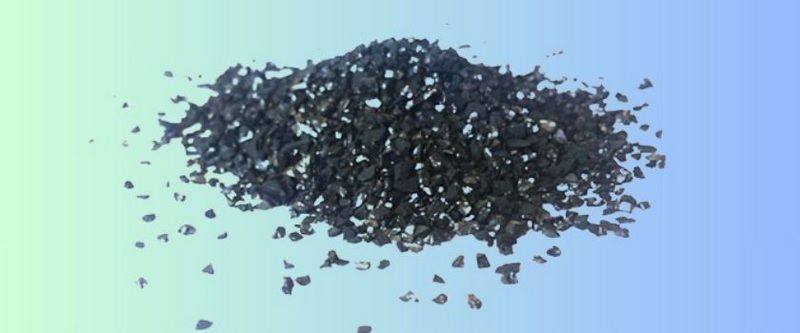
Content Menu
● What Is Activated Carbon?
● How Activated Carbon Works in an Aquarium
● Industrial Production of Activated Carbon
>> Step 1: Selecting the Raw Material
>> Step 2: Carbonization
>> Step 3: Activation (Physical or Chemical)
>>> Physical (Steam or Gas) Activation
>>> Chemical Activation
>> Step 4: Washing and Drying
>> Step 5: Crushing, Sieving, and Shaping
● Simple DIY Concept for Making Activated Carbon
● Types of Activated Carbon for Aquariums
>> Granular Activated Carbon (GAC)
>> Pelletized or Extruded Activated Carbon
>> Powdered Activated Carbon (PAC)
● How to Use Activated Carbon in Your Aquarium
>> Choosing the Right Activated Carbon
>> Rinsing Before Use
>> Placement in the Filter
>> How Much Activated Carbon to Use
>> Replacement Frequency
● What Activated Carbon Can and Cannot Remove
>> What Activated Carbon Can Remove
>> What Activated Carbon Cannot Remove
● Advantages and Disadvantages of Activated Carbon
>> Advantages
>> Disadvantages
● Practical Tips for Using Activated Carbon in Aquariums
● Conclusion
● FAQ
>> 1. What exactly is activated carbon in an aquarium?
>> 2. Is it safe to make my own activated carbon for aquarium use?
>> 3. How often should I replace the activated carbon in my aquarium filter?
>> 4. Does exhausted activated carbon release toxins back into the aquarium?
>> 5. Do I still need biological filtration and water changes if I use activated carbon?
● Citations:
Activated carbon is one of the most effective and versatile filtration media used in aquariums to keep water clear, odor-free, and safe for fish and plants. As a highly porous material with enormous internal surface area, activated carbon can adsorb a wide range of dissolved impurities from aquarium water, including chemicals, toxins, and organic waste. For both beginner and advanced aquarists, understanding how activated carbon works, how to make it, and how to use it correctly is essential for maintaining a stable and healthy aquarium environment.
In this article, you will learn what activated carbon is, how industrially produced activated carbon is made, what a DIY process looks like on a small scale, and how to apply activated carbon correctly in your aquarium filter. You will also discover the benefits and limitations of activated carbon, common mistakes to avoid, and practical tips to get the most out of this powerful media. A concise conclusion and a detailed FAQ section are provided at the end for quick reference.
What Is Activated Carbon?
Activated carbon is a specially processed form of carbon that has been treated to develop a vast network of microscopic pores. These pores dramatically increase the surface area of the material, often reaching hundreds or even over a thousand square meters per gram. This extreme surface area enables activated carbon to adsorb (not absorb) dissolved substances from water or air, trapping them on the surface of the carbon particles.
In the context of an aquarium, activated carbon is used in the filter to remove:
- Dissolved organic compounds that cause yellow or brown tint in water
- Residual medications after treatment
- Many unwanted chemicals, including chlorine and some heavy metals
- Odor-causing molecules that make the tank smell unpleasant
Because of its strong adsorption capacity, activated carbon is commonly included as part of multi-stage filtration systems in both freshwater and marine aquariums. It does not replace biological filtration, but it strongly complements it by polishing the water and removing substances that biological filters cannot handle efficiently.
How Activated Carbon Works in an Aquarium
Activated carbon works through a combination of physical adsorption and, in some cases, mild chemical interactions. When aquarium water passes through or over activated carbon, dissolved molecules in the water are attracted to and held on the surface of the carbon's pores. Once the pores are filled or “saturated” with these molecules, the activated carbon cannot adsorb much more and must be replaced.
Key aspects of how activated carbon functions include:
- Adsorption, not absorption: The molecules stick to the surface of the carbon rather than being soaked into the material.
- Micropores and mesopores: Different pore sizes target different molecules. Micropores are excellent for small organic molecules, while larger pores can trap bigger compounds.
- Flow rate sensitivity: Water must flow through the activated carbon at an appropriate speed. If water flows too fast, contact time is too short and adsorption is less effective. If it flows too slowly, the filter may clog or not process enough water.
- Direction of flow: Activated carbon works best when water is forced through it rather than simply sitting next to it. That is why it is usually placed in a canister, hang-on-back, or internal filter where water is actively pumped through the media.
Because activated carbon is constantly binding dissolved compounds, its performance gradually declines as the pores become occupied. At that point the media can become “exhausted” and should be replaced with fresh activated carbon to maintain effective filtration.
Industrial Production of Activated Carbon
Understanding the industrial production of activated carbon helps you appreciate why high-quality, professionally manufactured media is usually recommended for aquarium use. Commercial activated carbon production follows several controlled steps designed to optimize pore structure, purity, and performance.
Step 1: Selecting the Raw Material
Common raw materials for activated carbon include:
- Coconut shells
- Wood (such as sawdust or wood chips)
- Coal (bituminous or lignite)
- Peat and other carbon-rich biomass
Each raw material produces activated carbon with different pore distributions and hardness. Coconut-shell-based activated carbon is particularly popular in water treatment due to its high proportion of micropores and good mechanical strength.
Step 2: Carbonization
The raw material is first carbonized. In this process, it is heated to moderate temperatures (typically 400–700°C) in the absence or near-absence of oxygen. This drives off water and volatile organic compounds, leaving behind a carbon-rich char. Carbonization reduces the material to a more concentrated carbon skeleton that can then be “activated” to form the final pore structure.
Step 3: Activation (Physical or Chemical)
The carbonized char is then activated using one of two main techniques:
Physical (Steam or Gas) Activation
In physical activation, the char is heated to very high temperatures, often between 800 and 1000°C, in the presence of steam, carbon dioxide, or a mixture of gases. These activating gases react with the carbon in a controlled way, burning off parts of the char and opening up an intricate network of pores. Temperature, activation time, and gas flow are carefully controlled to achieve the desired pore size distribution and surface area.
Chemical Activation
In chemical activation, the raw material or char is impregnated with chemical activating agents such as phosphoric acid (H₃PO₄), zinc chloride (ZnCl₂), or alkali metal hydroxides. After impregnation, the material is heated to a lower temperature than physical activation, typically 400–800°C. The chemical agents help dehydrate and open the structure, creating a highly porous framework. After activation, the material is thoroughly washed to remove residual chemicals.
Step 4: Washing and Drying
Once activation is complete, the activated carbon is cooled and washed to remove ash, residues, or chemical remnants. Proper washing is critical for water-treatment-grade activated carbon, especially if it will be used in aquariums where sensitive fish and invertebrates are present. After washing, the product is dried to a specific moisture content to ensure stability and ease of handling.
Step 5: Crushing, Sieving, and Shaping
The dried activated carbon is then processed into different forms:
- Granular activated carbon (GAC)
- Powdered activated carbon (PAC)
- Extruded or pelletized activated carbon
Granular activated carbon is the most common form used in aquarium filters. The particles are sieved to achieve a consistent size range that balances flow resistance with contact area. Finally, the activated carbon is packaged, often under controlled conditions, to prevent contamination and moisture uptake.
Simple DIY Concept for Making Activated Carbon
While industrially produced activated carbon is recommended for aquarium use, understanding a simplified, small-scale concept is useful for education and experimentation. If you attempt any DIY process, it should be done only for non-critical applications or test setups, and never for sensitive or high-value livestock.
A simplified conceptual process might look like this:
1. Select a clean biomass such as hard wood or coconut shell, free from paints, chemicals, or glues.
2. Char the material by heating it in a low-oxygen environment (for example, in a covered metal container with small vent holes placed in a fire). The goal is to burn off volatile components without reducing everything to ash.
3. Crush the resulting charcoal into relatively small pieces to increase surface area.
4. Activate the charcoal by heating it at high temperature while exposing it to steam (for example, placing the char in a metal container above boiling water so that steam passes through while it is heated on a stove or in a kiln). This is only a very rough analogy to proper steam activation.
5. Cool, rinse, and dry the material thoroughly. Any ash, dust, or contaminants should be removed as much as possible.
This kind of DIY activated carbon will not match the performance, purity, or consistency of professionally produced media, but the basic idea reflects the principles of carbonization and activation. For any aquarium with valuable fish, shrimp, corals, or delicate plants, it is far safer to use high-quality commercial activated carbon specifically designed for water treatment or aquarium use.
Types of Activated Carbon for Aquariums
Several types of activated carbon are available for aquarium filtration, and each has its own characteristics and ideal uses.
Granular Activated Carbon (GAC)
Granular activated carbon consists of irregularly shaped granules. It is widely used because it:
- Offers a good balance between flow resistance and contact area
- Works effectively in canister filters, hang-on-back filters, and internal filters
- Is relatively easy to rinse and handle
GAC is generally the first choice for most aquarium applications.
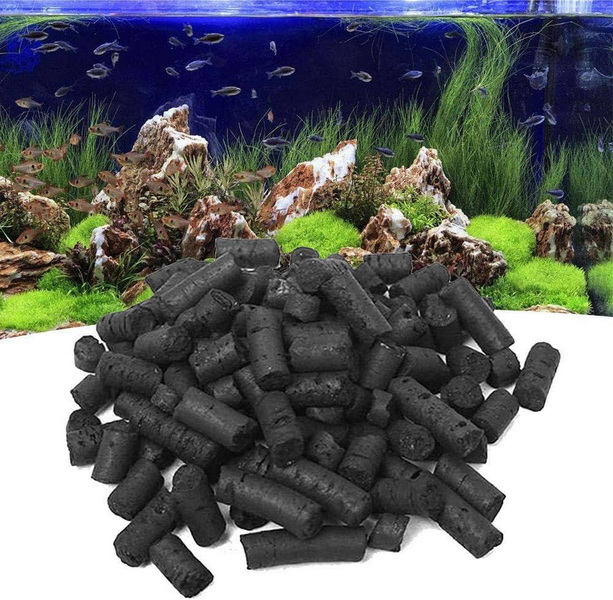
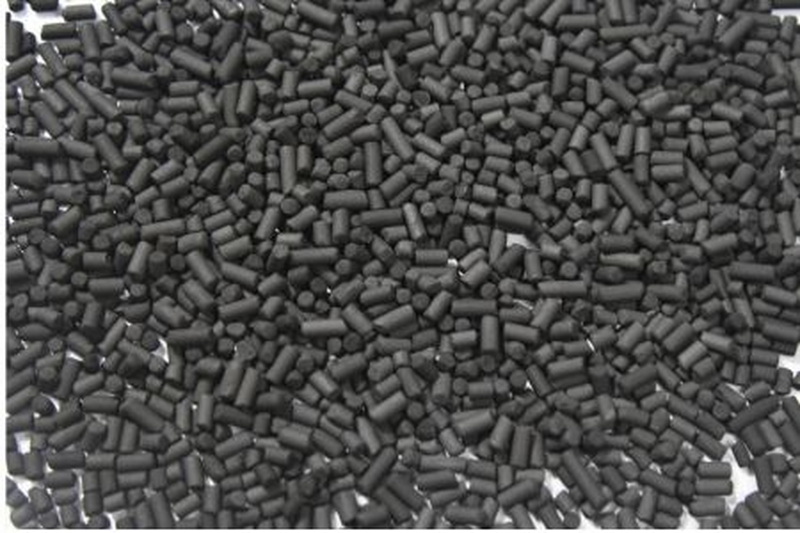
Pelletized or Extruded Activated Carbon
Pelletized activated carbon is extruded into cylindrical pellets of uniform size. It has:
- High mechanical strength
- Low dust levels
- Good flow characteristics in high-pressure or high-flow systems
It is often used in industrial and specialty water treatment setups, and in some advanced aquarium reactors.
Powdered Activated Carbon (PAC)
Powdered activated carbon consists of very fine particles. Although it has a very high surface area and can adsorb quickly, it is not convenient for use in standard aquarium filters because:
- It easily passes through filter media bags
- It can cloud the water if not contained properly
- It is harder to remove completely after use
PAC is more commonly used in municipal water treatment plants or as a temporary treatment in systems where it can be properly dosed and filtered out.
How to Use Activated Carbon in Your Aquarium
Using activated carbon correctly is as important as selecting a good product. Proper placement, rinsing, and replacement schedules will determine how effective activated carbon is in your aquarium.
Choosing the Right Activated Carbon
When choosing activated carbon for aquarium use, look for:
- Products explicitly labeled for aquarium or water-treatment use
- Low-ash content and minimal phosphate release
- Reliable manufacturer specifications regarding surface area and iodine number (if provided)
Avoid products that may contain additives or binders not intended for aquatic environments. Industrial-grade activated carbon designed for air filtration may not be appropriate for aquariums.
Rinsing Before Use
New activated carbon often contains fine dust and small particles. Before placing it in your aquarium filter:
1. Place the activated carbon in a fine mesh filter bag or media bag.
2. Rinse under running tap water until the water runs clear.
3. Optionally, you can briefly rinse with dechlorinated water if you want to avoid any residual tap water entering the aquarium.
This step prevents the initial cloudiness that can otherwise appear when un-rinsed activated carbon is introduced to the aquarium.
Placement in the Filter
Activated carbon should be placed where water will flow through it steadily and evenly. In many filter designs, the order of media from inlet to outlet is:
1. Mechanical filtration (sponges, filter floss) to remove particles
2. Chemical filtration (activated carbon, resins)
3. Biological filtration (bio-rings, bio-balls, porous ceramics)
By placing mechanical media before activated carbon, you prevent debris from clogging the carbon's pores prematurely. The clean water passing through the carbon maximizes its adsorption capacity and lifespan.
How Much Activated Carbon to Use
A common guideline is approximately 50–100 grams of activated carbon per 100 liters (about 26 gallons) of water, though exact amounts vary by product and loading conditions. Many aquarium brands provide recommended dosing guidelines on their packaging. Start within the suggested range and adjust based on your aquarium's bioload, water color, and odor.
Replacement Frequency
Activated carbon is not a “set it and forget it” media. Once its pores are saturated with adsorbed substances, it becomes exhausted and should be replaced. Typical replacement intervals are:
- Every 2–4 weeks in a heavily stocked or medicated tank
- Every 4–6 weeks in a lightly stocked, well-maintained tank
There is a common misconception that exhausted activated carbon will release all captured contaminants back into the water. In practice, once saturated, it simply stops adsorbing and becomes more or less inert under normal aquarium conditions. However, regular replacement ensures consistent performance and avoids any risk associated with long-term accumulation of bound substances.
What Activated Carbon Can and Cannot Remove
Understanding the capabilities and limitations of activated carbon helps you design an effective overall filtration strategy.
What Activated Carbon Can Remove
Activated carbon is particularly effective at removing:
- Dissolved organic compounds that cause yellow or brown water
- Many medications after treatment is finished
- Chlorine and some chlorinated by-products
- Phenols and other odor-causing molecules
- Many dyes and colorants
By removing these substances, activated carbon improves water clarity and aesthetics and can reduce stress on fish by eliminating irritating compounds.
What Activated Carbon Cannot Remove
Activated carbon is not effective for everything. It has limited or no ability to remove:
- Ammonia
- Nitrite
- Nitrate
These nitrogen compounds must be controlled by biological filtration, water changes, and proper tank management. Activated carbon also does not correct basic issues with water hardness or pH, which are determined primarily by dissolved minerals and buffering capacity. For these parameters, you will need specific water conditioners, remineralizers, or buffering substrates.
Advantages and Disadvantages of Activated Carbon
To decide how activated carbon fits into your aquarium maintenance strategy, consider its key advantages and disadvantages.
Advantages
- Improved water clarity: Activated carbon helps maintain crystal-clear water, enhancing the appearance of the aquarium.
- Odor control: It removes many odor-causing substances, keeping your aquarium smelling fresh.
- Chemical polishing: It adsorbs a wide range of dissolved organic compounds and residual chemicals, acting as a chemical “polish” for your water.
- Medication cleanup: After you finish medicating your fish, activated carbon is very useful for removing leftover drugs from the water.
Disadvantages
- Ongoing cost: Because activated carbon must be replaced regularly, it adds a recurring expense to aquarium maintenance.
- Potential removal of beneficial compounds: In planted or specialized tanks, activated carbon may remove some trace elements or organic compounds that plants or invertebrates could use.
- Not a complete solution: It does not replace biological filtration or eliminate the need for water changes. It is one part of a broader filtration system.
In many general community aquariums, the benefits of activated carbon outweigh its drawbacks, especially when used in moderation and replaced on a regular schedule.
Practical Tips for Using Activated Carbon in Aquariums
To get the best results from activated carbon, keep these practical tips in mind:
- Do not run activated carbon during active medication treatment unless the medication instructions explicitly allow it, because activated carbon can remove some or all of the medication.
- After finishing a medication cycle, add fresh activated carbon to clear residual drugs from the water.
- If you keep heavily planted tanks and dose fertilizers, you may choose to run activated carbon intermittently rather than continuously, to avoid excessive removal of certain organics.
- Always rinse new activated carbon thoroughly to minimize dust and initial cloudiness.
- Use a suitably fine mesh bag so that smaller granules of activated carbon cannot escape into the tank.
By integrating these practices into your maintenance routine, you can enjoy the full advantages of activated carbon without unintended side effects.
Conclusion
Activated carbon is a powerful and reliable tool for maintaining high water quality in aquariums. Thanks to its enormous surface area and highly porous structure, activated carbon can effectively adsorb a range of dissolved organic compounds, residual chemicals, and odor-causing molecules, leaving the water clear, bright, and more comfortable for fish and plants. Understanding how activated carbon is made, how it works, and how to use it correctly allows you to integrate it intelligently into your filtration system rather than relying on it blindly.
While activated carbon is not a cure-all and cannot replace biological filtration or regular water changes, it plays an important supporting role in many freshwater and marine setups. By choosing high-quality activated carbon, placing it properly in your filter, and replacing it on an appropriate schedule, you can greatly improve the overall stability and beauty of your aquarium. Used thoughtfully, activated carbon is an invaluable part of modern aquarium filtration strategy.
Contact us to get more information!
FAQ
1. What exactly is activated carbon in an aquarium?
Activated carbon in an aquarium is a form of processed carbon with a highly porous structure, designed to adsorb dissolved impurities from the water. It is typically made from coconut shells, wood, or coal and is manufactured in a controlled way to maximize surface area and pore volume. In aquarium filters, activated carbon helps to remove substances that mechanical and biological filtration cannot handle alone.
2. Is it safe to make my own activated carbon for aquarium use?
In theory, you can make a form of activated carbon at home by carbonizing and activating a carbon-rich material, but it is difficult to achieve the purity, consistency, and pore structure of industrially produced activated carbon. DIY methods often lack precise temperature control, proper activation conditions, and thorough washing, which are crucial for safe aquarium use. For tanks with valuable or sensitive fish, it is much safer to use commercially produced activated carbon designed for water treatment.
3. How often should I replace the activated carbon in my aquarium filter?
Most aquarists replace activated carbon every 2–4 weeks, depending on tank size, stocking level, and the amount of dissolved organics in the water. If you notice water discoloration, odors, or reduced clarity returning sooner, you may need to replace it more frequently. Following the manufacturer's recommendations is a good starting point, and you can adjust the schedule based on your aquarium's behavior.
4. Does exhausted activated carbon release toxins back into the aquarium?
Under normal aquarium conditions, exhausted activated carbon does not suddenly release all of the adsorbed substances back into the water. Instead, it simply becomes saturated and stops adsorbing new compounds effectively. The main reason to replace it is to restore adsorption capacity, not because it becomes dangerous when exhausted. Nevertheless, very old media can accumulate detritus and may contribute to reduced water quality, so regular replacement is good practice.
5. Do I still need biological filtration and water changes if I use activated carbon?
Yes. Activated carbon does not remove ammonia, nitrite, or nitrate, which are the primary toxic nitrogen compounds produced by fish waste and decomposing organic matter. These must be controlled through a mature biological filter, appropriate stocking and feeding, and regular water changes. Activated carbon is a complementary tool that polishes the water and removes specific dissolved organics and chemicals, but it does not replace the core fundamentals of aquarium maintenance.
Citations:
1. https://www.youtube.com/watch?v=g9kgnQaKF0k
2. https://aquariumscience.org/7-4-2-activated-carbon/
3. https://activatedcarbondepot.com/blogs/news/activated-carbon-for-aquariums-a-complete-guide
4. https://www.dec.group/_docs_/ACA-docs/activated-carbon-production-ACA_en.html
5. https://heycarbons.com/manufacture-of-activated-carbon/
6. https://www.aquaticexperts.com/blogs/faq-resources/should-you-use-activated-carbon-in-your-aquarium
7. https://www.aquaticexperts.com/pages/activated-carbon-in-your-aquarium
8. https://www.drtimsaquatics.com/aquarium-hobby/general-articles/activated-carbon/


