Content Menu
● What Is Activated Carbon?
● Safety First: Is Homemade Activated Carbon Safe?
● Basic Principle: From Charcoal to Activated Carbon
● Materials and Tools for DIY Activated Carbon
● Step‑by‑Step: How to Make Charcoal for Activated Carbon
>> Prepare the Raw Material
>> Load the Metal Container
>> Carbonize Over a Fire
>> Allow to Cool Completely
>> Inspect and Crush the Charcoal
● Chemical Activation: Turning Charcoal into Activated Carbon
>> Grind Charcoal to a Fine Powder
>> Prepare the Activating Solution
>> Soak the Charcoal
>> Rinse to Remove Excess Chemicals
>> Dry the Activated Carbon
● Alternative Low‑Tech Activation Approaches
● How to Use Homemade Activated Carbon
>> DIY Water Filter Applications
>> DIY Air and Odor Filters
>> Use in Aquariums and Terrariums
● Comparing Homemade vs Industrial Activated Carbon
● Regenerating and Disposing of Used Activated Carbon
>> Can You Regenerate DIY Activated Carbon?
>> Safe Disposal Practices
● When You Should Not Rely on Homemade Activated Carbon
● Conclusion
● FAQ About Homemade Activated Carbon
>> 1. Is it really possible to make activated carbon at home?
>> 2. What is the best raw material for DIY activated carbon?
>> 3. Can I use homemade activated carbon to purify drinking water?
>> 4. How long does homemade activated carbon remain effective?
>> 5. Is homemade activated carbon safe for aquarium or terrarium use?
● Citations:
Making activated carbon at home is possible on a small, experimental scale, but it must be done carefully because it involves high temperatures, open fire, and chemical solutions. For critical uses such as drinking water treatment, medical applications, or industrial filtration, professionally manufactured activated carbon is still the safest and most reliable choice.
What Is Activated Carbon?
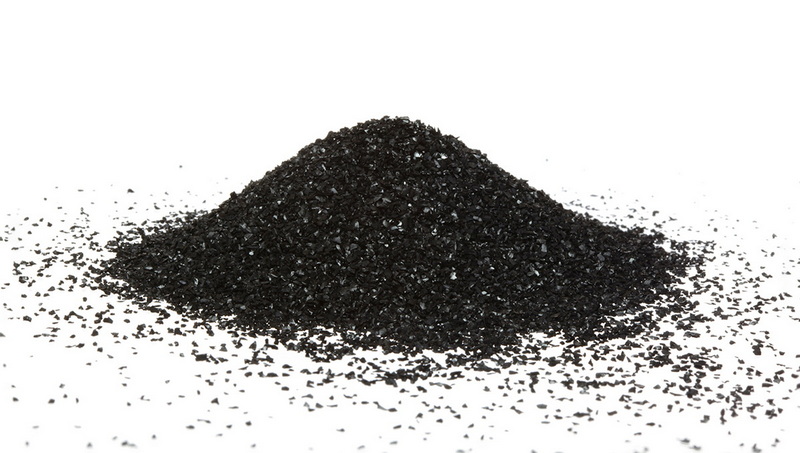
Activated carbon is a highly porous form of carbon with an enormous internal surface area, created by carbonizing and “activating” carbon‑rich materials like hardwood, coconut shell, or other biomass. This extremely porous structure allows activated carbon to adsorb (trap) organic molecules, chlorine, odors, and many other contaminants from water, air, and gases.
In industry, activated carbon is produced in controlled furnaces or kilns using steam or chemical activation processes to achieve precise pore structure and performance. At home, you can only approximate activated carbon, usually at a lower and less consistent quality, by combining DIY charcoal making with a low‑tech activation step.
Safety First: Is Homemade Activated Carbon Safe?
Before learning how to make activated carbon at home, it is important to understand the safety limitations and realistic expectations.
- Home production uses high heat, fire pits, or stoves and must be done outdoors or in very well‑ventilated areas to avoid smoke build‑up and carbon monoxide exposure.
- Burning wood or coconut shells can release particulates, carbon monoxide, and volatile organic compounds (VOCs), which may cause respiratory irritation and other health problems if inhaled in high concentrations.
- Chemical activation with calcium chloride or similar salts must follow basic chemical‑handling rules: gloves, eye protection, and careful mixing of solutions.
- DIY activated carbon should not be used for life‑critical medical treatments (such as poisoning emergencies) because its adsorption capacity and purity are not certified.
For non‑critical experiments, small water pre‑filters, odor control, or educational projects, homemade activated carbon can be an interesting low‑cost solution.
Basic Principle: From Charcoal to Activated Carbon
At home, making activated carbon usually involves two major stages.
1. Carbonization:
You heat a carbon‑rich raw material (hardwood, coconut shell, bamboo, etc.) in a low‑oxygen environment until it becomes charcoal.
2. Activation:
You increase the internal surface area and porosity of this charcoal using either a chemical solution (such as calcium chloride) or a simplified thermal treatment, then wash and dry it to obtain activated carbon.
Industrial plants use high‑temperature steam activation at up to around 800–1000 °C, which is difficult to reproduce at home, so DIY activated carbon will generally have lower adsorption capacity than commercial products.
Materials and Tools for DIY Activated Carbon
You can adapt the following materials depending on what you have available, but keep them as clean and food‑safe as possible if you plan to use the activated carbon for any water contact.
- Carbon source: hardwood chunks (oak, maple, beech), coconut shells, or bamboo (avoid painted or treated wood).
- Fire setup: outdoor fire pit, charcoal grill, or camp stove, plus a covered metal container (paint can, metal bucket, or cast‑iron pot with lid) with a small vent hole.
- Activating agent (for chemical activation): calcium chloride or food‑grade zinc chloride, plus distilled water.
- Grinding and filtering: hammer, mortar and pestle, or coffee grinder; fine mesh, cheesecloth, or coffee filter.
- Drying: oven or food dehydrator to remove residual moisture after washing the activated carbon.
- Protection: heat‑resistant gloves, safety glasses, long sleeves, and a safe outdoor work area.
Step‑by‑Step: How to Make Charcoal for Activated Carbon
Prepare the Raw Material
Choose clean, dry hardwood pieces, coconut shells, or similar biomass with no paint, glue, or chemical treatment. Cut them into small pieces so that carbonization will be more uniform, and remove any dirt or debris to avoid unwanted ash and impurities in the final activated carbon.
Load the Metal Container
Fill a metal bucket, paint can, or cast‑iron pot with the prepared raw material and close it with a lid, leaving a small vent hole so that gases can escape without allowing too much oxygen to enter. This low‑oxygen environment is critical to convert the material to charcoal instead of simply burning it to ash.
Carbonize Over a Fire
Place the container in the center of a fire pit or over a camp stove and build a strong fire around it. Maintain the fire for several hours, often around three to six hours depending on the size of the container and the wood, until the smoke from the vent hole decreases significantly, indicating that volatile compounds have mostly burned off.
Allow to Cool Completely
When carbonization is complete, let the container cool fully before opening it, which may take several hours. Opening the container while hot can introduce oxygen suddenly and cause the charcoal to ignite, which would destroy the internal structure needed for activated carbon.
Inspect and Crush the Charcoal
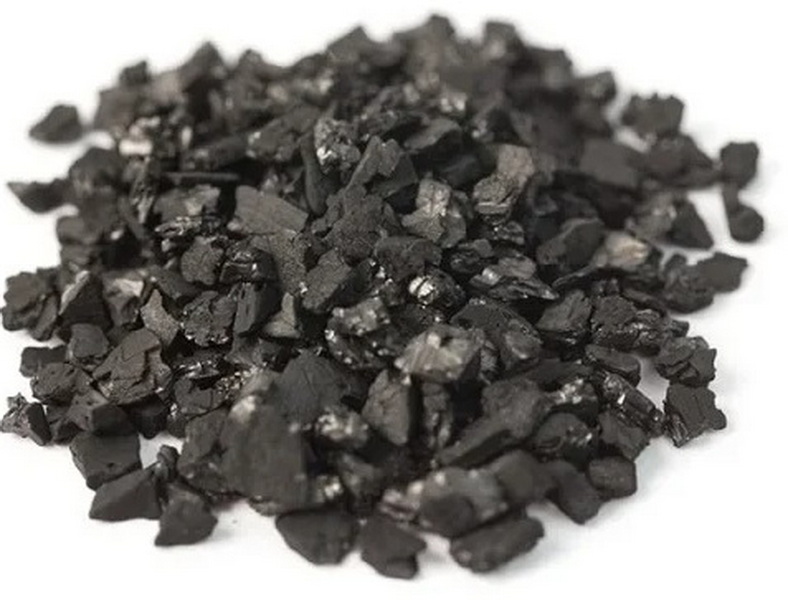
Once cool, open the container and check that the material is fully charred and black throughout, with no unburned wood or shell inside. Break the charcoal into smaller pieces using a hammer, mortar and pestle, or grinder; the finer the particles, the easier it will be to activate and use the activated carbon later.
Chemical Activation: Turning Charcoal into Activated Carbon
For many home setups, a simple calcium chloride or zinc chloride solution is used to activate the charcoal.
Grind Charcoal to a Fine Powder
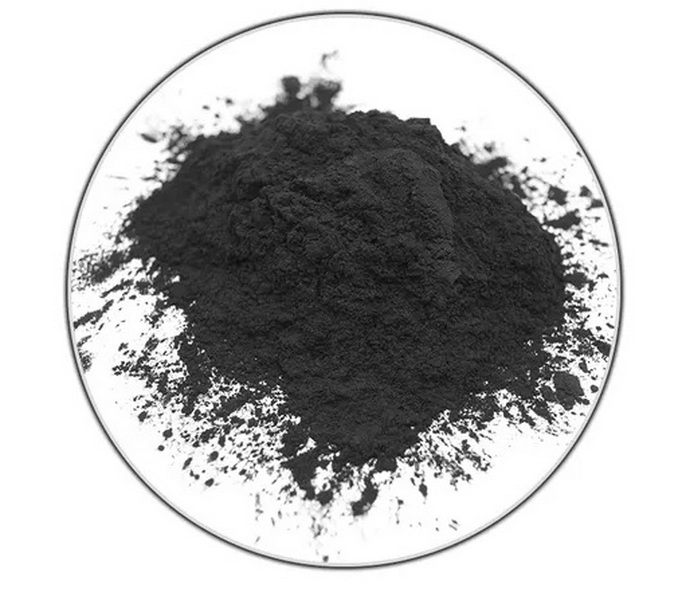
Use a coffee grinder, blender, or mortar and pestle to grind the charcoal into a fine powder, removing any large pieces or contaminants. Aim for a uniform particle size because this helps the activating solution penetrate more evenly and improves the performance of the final activated carbon.
Prepare the Activating Solution
Dissolve one part calcium chloride (by weight) in three parts distilled water in a glass or plastic container and stir until everything is fully dissolved. Calcium chloride is often available from hardware stores or online and is commonly used in small‑scale activated carbon production experiments.
Soak the Charcoal
Slowly pour the activating solution over the charcoal powder until it is fully covered but not excessively diluted, then mix thoroughly to remove dry pockets. Let the mixture soak for about 24 hours so the chemical agent can react with the charcoal structure and open additional pores, forming activated carbon.
Rinse to Remove Excess Chemicals
After soaking, strain the mixture through cheesecloth or a fine filter and rinse the activated carbon repeatedly with distilled water until the pH of the rinse water is close to neutral. Proper washing is essential to remove residual salts and to ensure the activated carbon does not contaminate the water or air it is later used to treat.
Dry the Activated Carbon
Spread the rinsed activated carbon on a baking tray lined with parchment paper and dry it in an oven at about 200–225 °F (around 93–107 °C) for two to three hours, or until it is completely dry. When finished, store the dry activated carbon in an airtight glass jar, preferably with a desiccant such as a silica packet to protect it from moisture.
Alternative Low‑Tech Activation Approaches
In some rural or off‑grid situations, people use only heat and slow burning to obtain a type of activated carbon with limited but useful adsorption capacity.
- Coconut shell charcoal can be made with simple kilns, then treated with salts like calcium chloride to boost adsorptive performance.
- Low‑tech coconut shell activated carbon can remove certain organic contaminants from water, but its capacity is lower than high‑temperature steam‑activated carbon.
- These low‑tech methods are useful for community water projects and emergency filtration, but they still require experimentation, testing, and regular replacement of the activated carbon media.
In all cases, low‑tech activated carbon should be treated as a backup or experimental adsorbent, rather than a full replacement for certified products.
How to Use Homemade Activated Carbon
Once you have prepared activated carbon, you can integrate it into simple water, air, or odor‑control systems.
DIY Water Filter Applications
You can use homemade activated carbon in gravity water filters or bottle filters to improve taste and reduce some dissolved organic compounds.
- Fill a section of PVC pipe or a plastic bottle with layers of gravel, sand, and activated carbon in the middle.
- Pour water slowly through the column so that it spends more contact time with the activated carbon.
- Replace the activated carbon regularly when taste or odor returns, or after a known treated volume.
This type of filter can be useful for emergency or outdoor situations, but it should not be considered a complete water purification system.
DIY Air and Odor Filters
Activated carbon is also very effective for adsorbing odors, smoke, and some volatile organic compounds.
- Create a simple air filter by placing activated carbon granules between two layers of breathable fabric or mesh and fixing the pad to a fan.
- Pack activated carbon into small sachets and place them in shoes, refrigerators, cars, or closets to reduce odors.
- Integrate activated carbon into home air purifiers or DIY fume hoods to help capture smells from cooking, smoking, or small chemical experiments.
Because homemade activated carbon is variable in quality, monitor performance and replace media frequently.
Use in Aquariums and Terrariums
In many aquarium and terrarium setups, small amounts of clean, well‑washed activated carbon can help remove odors and dissolved organics.
- Place the activated carbon into a fine mesh bag and install it in the filter compartment.
- Rinse thoroughly before use to remove dust that might cloud the water.
- Remove or replace activated carbon when medicating fish or using special water treatments, because activated carbon can adsorb some medicines.
For sensitive aquatics or expensive livestock, many hobbyists still prefer commercial aquarium‑grade activated carbon with known specifications.
Comparing Homemade vs Industrial Activated Carbon
Even with careful DIY methods, homemade activated carbon is different from industrial products. The table below highlights some key differences.
| Aspect | Homemade Activated Carbon | Industrial Activated Carbon |
| Raw materials | Household wood, coconut shell, biomass | Selected coal, coconut shell, wood, or other controlled feedstock |
| Activation method | Simple chemical soak, low‑tech thermal treatment | Precisely controlled steam or chemical activation in furnaces |
| Surface area and porosity | Unknown and variable, often lower | Tested and optimized for specific adsorption performance |
| Purity and ash content | Not measured, may contain residual salts and ash | Strictly monitored; washed and filtered to industrial standards |
| Application suitability | Experiments, odor control, emergency or non‑critical uses | Drinking water, food and beverage, pharmaceutical, industrial processes |
| Certification and testing | No formal certification | Certified to meet international standards and regulations |
This comparison shows why homemade activated carbon is best used where occasional performance variation is acceptable, while critical applications should rely on professional products.
Regenerating and Disposing of Used Activated Carbon
Can You Regenerate DIY Activated Carbon?
Used activated carbon becomes saturated with contaminants and loses its adsorption capacity over time. In industrial settings, some activated carbon is thermally reactivated in specialized kilns at very high temperatures.
At home, true regeneration is difficult because:
- You cannot easily reach the high temperatures needed to drive off adsorbed contaminants without burning the carbon.
- Some adsorbed substances may decompose into harmful by‑products when heated.
For small‑scale home use, it is usually safer and more practical to dispose of used activated carbon responsibly and make or purchase fresh material.
Safe Disposal Practices
How you dispose of used activated carbon depends on what it has been used to adsorb.
- For simple odor control in refrigerators or closets, used activated carbon can often be disposed of with regular household garbage.
- If it has been used to remove oils, solvents, or chemical fumes, it might be better to treat it as hazardous waste according to local regulations.
- Never dump heavily contaminated activated carbon directly into soil or waterways, because it may slowly release captured substances back into the environment.
When in doubt, check local waste management guidelines or use commercially supplied activated carbon filters that come with clear disposal instructions.
When You Should Not Rely on Homemade Activated Carbon
Homemade activated carbon has clear limitations compared with professionally manufactured activated carbon.
- The pore size distribution, surface area, and hardness are rarely measured in home setups, so performance is unpredictable.
- Contaminants from raw materials, incomplete washing of activating chemicals, or residual ash can remain in the DIY activated carbon.
- For regulated drinking water systems, pharmaceutical production, or medical poisoning treatment, only certified activated carbon from specialized manufacturers should be used.
For these reasons, at‑home activated carbon is best treated as an educational project or a backup adsorbent for low‑risk uses, not a replacement for industrial‑grade activated carbon.
Conclusion
Making activated carbon at home is achievable by first producing clean charcoal from hardwood or coconut shells and then activating it chemically with a salt solution, followed by thorough washing and careful drying. This DIY activated carbon can adsorb some contaminants and improve water taste or air quality in simple systems, making it useful for experiments, emergency filtration, and basic odor control. However, homemade activated carbon cannot match the consistent performance, tested purity, and regulatory compliance of industrial activated carbon, so critical applications such as drinking water treatment, food and beverage processing, and pharmaceutical production should always rely on certified products from professional manufacturers.
Contact us to get more information!
FAQ About Homemade Activated Carbon
1. Is it really possible to make activated carbon at home?
Yes, you can make a basic form of activated carbon at home by carbonizing clean biomass in a low‑oxygen container and then activating the resulting charcoal with a chemical solution such as calcium chloride. The key is to work safely with heat and chemicals, and to accept that homemade activated carbon will be less consistent than commercial products.
2. What is the best raw material for DIY activated carbon?
Hardwood pieces and coconut shells are among the best raw materials for homemade activated carbon because they produce hard, dense charcoal with good potential for porosity. Avoid painted, treated, or laminated wood, as these can release toxic compounds during carbonization and contaminate both the environment and your activated carbon.
3. Can I use homemade activated carbon to purify drinking water?
Homemade activated carbon can improve taste and reduce some organic contaminants in simple water filters, but it is not certified for drinking water safety. For long‑term or critical drinking water applications, it is much safer to use professionally manufactured activated carbon cartridges that have been tested to meet specific standards.
4. How long does homemade activated carbon remain effective?
The service life of DIY activated carbon depends on contaminant load, flow rate, and contact time, but it generally becomes saturated faster than industrial activated carbon. As a simple rule, replace homemade activated carbon frequently in filters, especially once odors or off‑tastes return, or after treating a known, limited volume of water or air.
5. Is homemade activated carbon safe for aquarium or terrarium use?
Homemade activated carbon can be used in some aquariums and terrariums if it is clean, well‑washed, and free from residual chemicals, but there is always some risk due to unknown purity. For sensitive fish, corals, or reptiles, it is usually better to use aquarium‑grade activated carbon from reputable suppliers, and to follow their specific instructions for use and replacement.
Citations:
1. General home‑scale activated carbon and charcoal DIY tutorials and guides.
2. Educational resources on small‑scale coconut shell activated carbon production and its applications.
3. Articles and technical notes on low‑tech water filtration and off‑grid treatment using activated carbon.
4. Basic safety information on handling calcium chloride and other activating agents at home.
5. Public technical literature comparing homemade and industrial activated carbon performance and limitations.


