Content Menu
● What Is Granular Activated Carbon?
● How Granular Activated Carbon Works
● Why GAC Eventually “Goes Bad”
● Typical Service Life Ranges
● Practical Signs Your GAC Is Bad (Water Systems)
● Practical Signs in Air and Gas Applications
● Testing Methods to Confirm GAC Exhaustion
● Operating Factors That Shorten GAC Life
● How to Monitor GAC Health Proactively
● Replacement vs Regeneration of GAC
● Best Practices to Extend GAC Life
● Conclusion
● FAQ About Granular Activated Carbon Going Bad
>> 1: How long does granular activated carbon usually last?
>> 2: What is the easiest way to tell if my GAC is bad?
>> 3: Can granular activated carbon be regenerated and reused?
>> 4: Is old granular activated carbon dangerous?
>> 5: How can I extend the life of my granular activated carbon?
● Citations:
What Is Granular Activated Carbon?
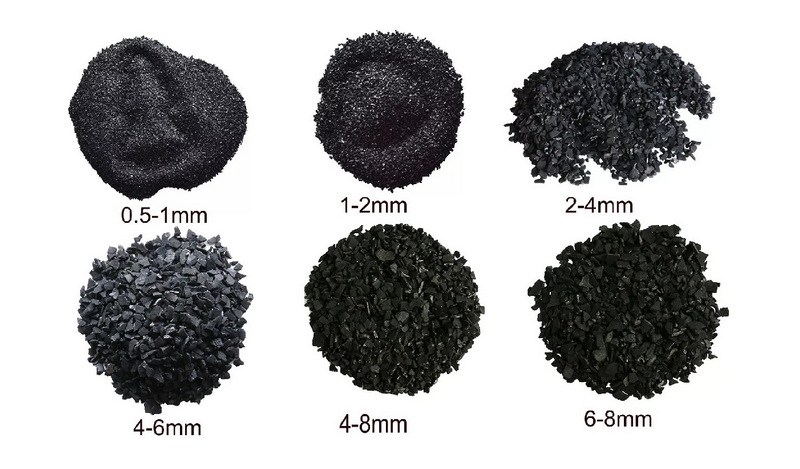
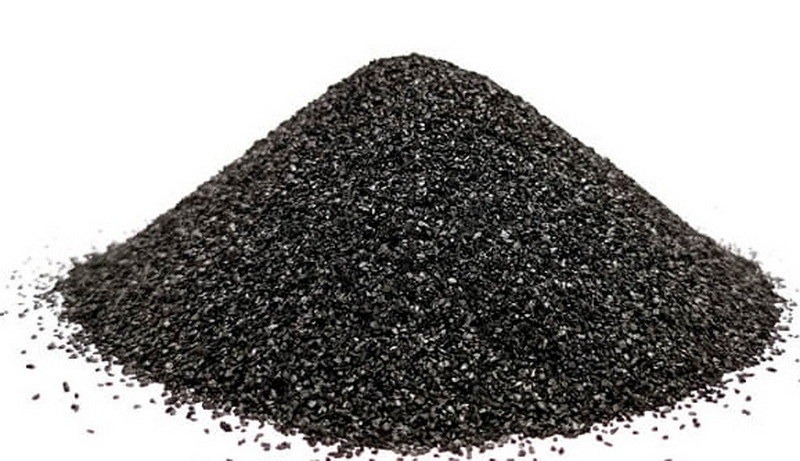
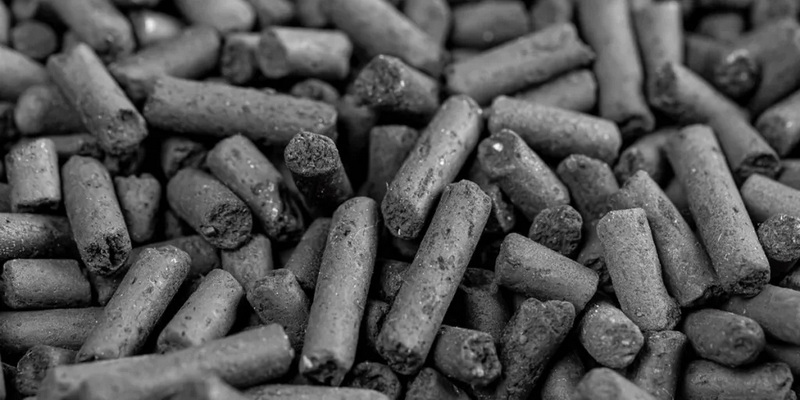
Granular activated carbon (GAC) is a porous adsorbent made from materials such as coal, coconut shell, or wood that are carbonized and activated to create a huge internal surface area. In water, air, and process applications, granular activated carbon removes contaminants by adsorbing organic molecules, chlorine and chloramines, taste and odor compounds, and many trace pollutants into its pore structure.[3][4][1]
- In water treatment, granular activated carbon is widely used for polishing drinking water, industrial process water, wastewater effluent, and groundwater remediation.[4][3]
- In air and gas purification, granular activated carbon beds capture volatile organic compounds (VOCs), odorous gases, and hazardous pollutants from exhaust streams and gas lines.[5][6]
How Granular Activated Carbon Works
Granular activated carbon works mainly through physical adsorption: contaminant molecules diffuse into the pores and adhere to the carbon surface through Van der Waals forces and other interactions. The finely tuned pore size distribution (micropores, mesopores, macropores) determines which contaminants are removed most efficiently and how long the media lasts.[7][1][4]
- As water or gas passes through a bed of granular activated carbon, soluble organics and other target compounds transfer from the fluid phase to the carbon surface until equilibrium or “breakthrough” is reached.[8][7]
- Once the pores are filled or blocked by contaminants, the adsorption capacity for new pollutants falls sharply and the granular activated carbon becomes “spent” or “exhausted.”[9][1]
Why GAC Eventually “Goes Bad”
Granular activated carbon does not chemically disappear, but its performance degrades as pores are filled or fouled. The usable life of granular activated carbon is therefore limited by adsorption capacity, pore plugging by suspended solids or biofilm, and potential structural changes from regeneration or harsh operating conditions.[1][5][9]
Key mechanisms that make granular activated carbon go bad:
- Adsorption saturation: Over time, target contaminants occupy the most active adsorption sites, leaving fewer sites available for new molecules.[9][1]
- Fouling and clogging: Suspended solids, iron, manganese, oil, organic macromolecules, or biological growth can block pores and reduce surface area, often before theoretical capacity is reached.[7][4]
- Thermal or chemical damage: High temperature, oxidants, or repeated regeneration cycles can change the carbon structure and reduce mechanical strength and effective pore volume.[6][1]
Typical Service Life Ranges
There is no single lifetime for granular activated carbon because operating conditions vary widely, but practical ranges are well documented.[3][1]
- Small point‑of‑use carbon cartridges for drinking water are often rated for a few hundred to a few thousand gallons or roughly 3–12 months of use, depending on quality and flow.[2][10]
- Large GAC contactors in municipal or industrial systems are usually designed around target bed volumes treated before breakthrough, often tens of thousands of bed volumes, with media change‑out or regeneration at defined performance endpoints.[8][7]
Manufacturers, system integrators, and standards such as WQA fact sheets generally recommend time‑based maximum media life (for example, one year for certain drinking water GAC units), even if performance appears acceptable.[1][3]
Practical Signs Your GAC Is Bad (Water Systems)
For water treatment applications, field operators typically rely on direct performance indicators and user feedback to know when granular activated carbon has gone bad.[11][2]
Common warning signs include:
- Changed taste or odor: Reappearance of chlorine smell, musty or earthy odors, or “chemical” tastes indicates target compounds are breaking through the GAC bed.[12][2]
- Color or turbidity changes: Yellow, brown, or cloudy water can mean organic matter or particles are no longer being removed effectively, or particles are leaching from an overloaded bed.[13][10]
- Decreased flow or pressure: As pores and voids clog with particulates or biofilm, differential pressure increases and system flow drops, even if water still looks clear.[2][12]
If these symptoms appear before the normal replacement interval, the granular activated carbon may be overloaded, fouled, or incorrectly sized for the application.[11][2]
Practical Signs in Air and Gas Applications
In air purification, odor control, and gas treatment, performance loss of granular activated carbon appears differently but is driven by the same saturation and fouling mechanisms.[5][13]
Typical signs GAC is bad in air or gas:
- Return of odors or pollutants: When previously controlled smells, VOC emissions, or process contaminants reappear downstream, the carbon bed is often at or past breakthrough.[13][5]
- Higher outlet concentrations in monitoring data: Online gas analyzers or periodic sampling show rising outlet levels approaching or exceeding design targets.[5][8]
- Increased pressure drop across the bed: This suggests dust loading, condensation, or particulate fouling within the granular activated carbon bed.[7][5]
In critical industrial or environmental applications, these signs are usually backed up by breakthrough curves, scheduled media change‑out, or regeneration contracts to avoid unexpected failures.[8][7]
Testing Methods to Confirm GAC Exhaustion
Beyond visual and operational clues, there are several ways to test whether granular activated carbon has gone bad.[3][7]
Representative methods include:
- Influent/effluent quality testing: Comparing contaminant concentrations before and after the GAC bed is the most direct method; rising effluent levels or reduced removal percentage indicate approaching exhaustion.[4][7]
- Breakthrough curves and bed volumes treated: Plotting effluent concentration vs bed volumes processed helps define when a given granular activated carbon reaches a pre‑set breakthrough threshold.[7][8]
- Index tests on media samples: Lab tests such as iodine number, methylene blue value, or specific adsorption tests on used carbon compared with virgin carbon quantify remaining capacity or regeneration efficiency.[6][3]
For high‑value systems, installing online analyzers (for example, TOC, UV254, residual disinfectant, or specific pollutant sensors) alongside granular activated carbon filters supports predictive maintenance and avoids sudden performance drops.[4][7]
Operating Factors That Shorten GAC Life
The same granular activated carbon grade can last months in one system and years in another, depending on operating conditions.[1][7]
Major life‑limiting factors:
- High contaminant load: Heavily polluted water or gas streams quickly saturate adsorption sites and require more frequent GAC change‑out or regeneration.[9][1]
- Short contact time and high flow rate: Insufficient empty bed contact time reduces removal efficiency and may accelerate fouling near the inlet zone of the bed.[8][7]
- Suspended solids and biofouling: Lack of prefiltration or poor backwashing allows particles and microbial growth to clog granular activated carbon pores and channels.[4][7]
- Extreme temperatures or oxidants: Very hot water, steam, free chlorine, ozone, or strong oxidants can damage the GAC structure or change its surface chemistry.[5][1]
Designing an appropriate pre‑treatment train, choosing the right GAC grade, and maintaining correct hydraulics strongly improves the usable life of granular activated carbon in demanding applications.[1][4]
How to Monitor GAC Health Proactively
Instead of waiting until granular activated carbon obviously goes bad, operators can implement a monitoring plan that links sampling points, test parameters, and action thresholds.[7][8]
Key elements of a practical monitoring strategy:
- Defined sampling schedule: Regularly test influent and effluent for key contaminants, taste/odor indicators, or surrogate parameters such as TOC or UV254.[4][7]
- Tracking bed volumes treated or throughput: Record total volume processed or hours of operation to align with design expectations and empirical change‑out intervals.[8][7]
- Differential pressure checks: Log pressure drop across the GAC bed to detect fouling and schedule backwashing or media replacement before severe restriction occurs.[1][7]
- Performance thresholds and alarms: Define setpoints for maximum allowable effluent concentration, residual taste/odor, or headloss to trigger actions such as switching to a fresh granular activated carbon bed.[3][7]
This approach is especially important for critical uses such as pharmaceutical water, food and beverage polishing, and regulatory‑driven effluent polishing where failures are costly or unacceptable.[3][4]
Replacement vs Regeneration of GAC
When granular activated carbon goes bad, users can either replace it with fresh media or send it for regeneration (reactivation).[6][5]
- Replacement with virgin GAC: Offers maximum guaranteed capacity and predictable performance, and is common for smaller systems or sensitive applications like drinking water and food processing.[3][1]
- Thermal reactivation or regeneration: Spent granular activated carbon is processed in specialized furnaces to drive off adsorbed contaminants and reopen pores, then returned to service, often at reduced cost and environmental footprint.[6][5]
Studies show that properly regenerated GAC can retain a large fraction of its original adsorption capacity, though repeated cycles gradually reduce performance and may require blending with virgin granular activated carbon. Choice between replacement and regeneration depends on contaminant type, logistics, regulatory status of spent carbon, and total life‑cycle cost.[14][5][6]
Best Practices to Extend GAC Life
Extending the useful life of granular activated carbon reduces operating cost and waste while maintaining high treatment performance.[7][1]
Recommended practices:
- Grade selection: Choose a granular activated carbon with pore structure tailored to the target contaminants (for example, appropriate iodine or molasses number for the application).[4][1]
- Good pre‑treatment: Use sediment filters, coagulation, or biological pre‑treatment to reduce solids and high‑molecular‑weight organics before GAC.[7][4]
- Correct bed design: Ensure sufficient bed depth, uniform distribution, and appropriate empty bed contact time to avoid channeling and under‑utilization of the media.[8][7]
- Routine backwashing and cleaning: Periodic backwash helps remove trapped particles, relieve headloss, and minimize biofouling in granular activated carbon beds.[3][7]
- Scheduled change‑out: Combine time‑based and performance‑based triggers so GAC is replaced before severe breakthrough or hygiene problems occur.[2][3]
For industrial users, partnering with a specialized granular activated carbon supplier helps optimize grade selection, system design, and regeneration logistics for specific water, air, or process streams.[5][1]
Conclusion
Granular activated carbon goes bad when its pores are saturated or fouled so badly that it can no longer achieve the required removal of target contaminants, even if the media still looks physically intact. By watching for performance changes, testing influent and effluent quality, tracking throughput and pressure drop, and following a clear maintenance schedule, operators can detect exhausted granular activated carbon early and replace or regenerate it before quality or compliance problems occur.[2][9][1][7]
FAQ About Granular Activated Carbon Going Bad
1: How long does granular activated carbon usually last?
The service life of granular activated carbon can range from a few months in small household filters to many months or even years in large, well‑designed industrial systems, depending on contaminant load, flow rate, and pre‑treatment. Most cartridge manufacturers specify a maximum time‑in‑service (such as 3–12 months), while industrial GAC beds are often sized to treat a target number of bed volumes before regeneration or replacement.[2][1][7][3]
2: What is the easiest way to tell if my GAC is bad?
For water treatment, the easiest clues that granular activated carbon is bad are changes in taste, odor, color, or a noticeable drop in filter flow and pressure. For air or gas, the return of odors or contaminants previously controlled by the filter is a strong sign of GAC exhaustion, especially when monitoring data confirm increased outlet concentrations.[13][11][5][2]
3: Can granular activated carbon be regenerated and reused?
Yes, many industrial users regenerate spent granular activated carbon in specialized reactivation furnaces, restoring most of its adsorption capacity and reducing disposal and purchase costs. However, each regeneration cycle slightly reduces performance, so it is common to blend regenerated GAC with virgin granular activated carbon to maintain consistent quality.[6][5]
4: Is old granular activated carbon dangerous?
Old or exhausted granular activated carbon mainly becomes risky because it no longer removes contaminants effectively and can sometimes harbor bacteria or release captured compounds, rather than because the carbon itself becomes toxic. For regulated or sensitive applications such as drinking water or pharmaceuticals, spent GAC must be handled and disposed of according to local regulations and best practice, especially if it has adsorbed hazardous substances.[12][14][2][3]
5: How can I extend the life of my granular activated carbon?
To extend the life of granular activated carbon, ensure proper pre‑filtration, operate within recommended flow rates and contact times, perform regular backwashing, and follow a consistent change‑out or regeneration schedule based on performance data. Working with an experienced GAC supplier to match media grade and system design to your actual water, air, or process conditions can significantly increase the effective lifespan of granular activated carbon.[5][1][7]
Citations:
[1](https://southerncarbon.com/usage-life-of-activated-carbon/)
[2](https://pristinewatersofteners.com/activated-carbon-water-filters-lifespan-and-when-to-replace-them/)
[3](https://wqa.org/wp-content/uploads/2022/09/2016_GAC.pdf)
[4](https://www.ncbi.nlm.nih.gov/books/NBK234593/)
[5](https://revive-environmental.com/what-is-granular-activated-carbon-regeneration-and-why-it-matters-for-pfas-removal/)
[6](https://www.tandfonline.com/doi/full/10.1080/09593330802422803)
[7](https://www.sciencedirect.com/science/article/abs/pii/S0045653517310238)
[8](https://spectrum.library.concordia.ca/id/eprint/979033/)
[9](https://www.cleantechwater.co.in/debunking-myths-about-activated-carbon-water-treatment/)
[10](https://crateclub.com/blogs/loadout/how-long-does-a-carbon-water-filter-last-a-comprehensive-guide)
[11](https://www.cleantechwater.co.in/how-to-know-it-is-time-to-change-activated-carbon-filters/)
[12](https://abhirowater.com/when-to-change-your-activated-carbon-filter/)
[13](https://www.mantasystems.net/a/blog/post/activated-carbon)
[14](https://www.epa.gov/sites/default/files/2016-09/documents/perfdemotestplan-rev0-complete.pdf)
[15](https://www.sciencedirect.com/science/article/pii/S0307904X10003951)
[16](https://www.clarencewaterfilters.com.au/how-do-carbon-water-filters-work/)
[17](https://rajahfiltertechnics.com/water-filtration/when-to-change-your-activated-carbon-filter-and-why-you-have-to/)
[18](https://justplumbingaz.com/blog/when-to-replace-your-water-filtration-system-9-signs-its-time/)
[19](https://www.reddit.com/r/AirQuality/comments/13fynab/how_to_check_if_a_carbon_filter_needs_to_be/)
[20](https://www.facebook.com/groups/647534792032262/posts/24143970148628729/)


