Content Menu
● What Is Activated Carbon?
● Why Filter Alcohol With Activated Carbon?
● How Activated Carbon Works in Alcohol Filtration
● Main Types of Activated Carbon for Alcohol
>> Granular Activated Carbon (GAC)
>> Powdered Activated Carbon (PAC)
>> Activated Carbon Cartridges
● Typical Applications for Alcohol Filtration
● Safety Guidelines for Using Activated Carbon With Alcohol
● Step‑by‑Step: How to Filter Alcohol With Activated Carbon
>> Step 1: Define the Alcohol and Treatment Goal
>> Step 2: Choose Suitable Activated Carbon and Dosage
>> Step 3: Select a Filtration Configuration
>>> Packed Bed Columns
>>> Batch Treatment Tanks With PAC
>>> Activated Carbon Cartridge Systems
● Preparing and Conditioning Activated Carbon
● Controlling Contact Time and Flow Rate
● Operating the Filtration and Monitoring Quality
● Managing Breakthrough and Carbon Replacement
● Gravity Columns vs. Cartridge Filters
>> Gravity Granular Activated Carbon Columns
>> Activated Carbon Cartridge Systems
● Using Activated Carbon Responsibly in Spirits Production
● Conclusion
● FAQ About Filtering Alcohol With Activated Carbon
>> 1. Does activated carbon make alcohol safer to drink?
>> 2. Will activated carbon remove all flavors from my spirit?
>> 3. Can I reuse activated carbon for alcohol filtration?
>> 4. Is there a recommended amount of activated carbon for vodka?
>> 5. What is the difference between activated carbon and regular charcoal in alcohol filtration?
● Citations:
Using activated carbon to filter alcohol is one of the most effective ways to remove off‑flavors, odors, color bodies, and trace organic contaminants from spirits and industrial alcohol solutions while preserving purity and smoothness.
Activated carbon filtration is widely used in distilleries, beverage plants, chemical factories, and pharmaceutical facilities. When designed correctly, an activated carbon system can turn harsh, impure alcohol into a cleaner, more neutral product that meets strict sensory and regulatory requirements.
What Is Activated Carbon?
Activated carbon is a highly porous carbon material with an enormous internal surface area that adsorbs unwanted molecules from liquids and gases.
It is produced from raw materials such as coal, coconut shell, or wood. These raw materials are first carbonized and then “activated” through physical or chemical processes that develop a network of micro‑, meso‑, and macropores. This pore structure gives activated carbon a huge surface area and high adsorption capacity.
In alcohol purification, activated carbon adsorbs fusel oils, aldehydes, esters, higher alcohols, and odor‑causing compounds that remain after fermentation and distillation. By capturing these impurities, activated carbon helps refine the flavor, aroma, and appearance of alcohol without adding chemicals or changing its main composition.
Why Filter Alcohol With Activated Carbon?
Filtering alcohol with activated carbon improves both sensory quality and chemical purity.
For potable spirits such as vodka, rum, gin, neutral grain spirits, and some white rums or light whiskeys, activated carbon filtration removes harsh notes, solvent‑like aromas, and haze. This results in a smoother mouthfeel, a cleaner nose, and a more neutral, refined character that many consumers prefer.
In industrial and pharmaceutical applications, activated carbon is used to purify ethanol, isopropanol, and other alcohols. The goal is to remove volatile by‑products, organic impurities, and color bodies so the alcohol can meet stringent specifications for hand sanitizers, cosmetics, pharmaceutical excipients, and laboratory reagents.
Because activated carbon relies on physical adsorption instead of strong chemical reactions, it is a flexible polishing step that can be adjusted without fundamentally changing the nature of the alcohol.
How Activated Carbon Works in Alcohol Filtration
The purification mechanism of activated carbon depends on adsorption, not simple mechanical filtration.
When alcohol passes through a packed bed or cartridge of activated carbon, impurity molecules are attracted to and held on the extensive internal surface inside the pores. Micro‑ and mesopores are especially effective at capturing small organic molecules such as aldehydes, esters, and small organic acids.
The efficiency of activated carbon depends on:
- Pore size distribution
- Surface area and surface chemistry
- Contact time between alcohol and carbon
- Temperature and alcohol strength
- Concentration and type of impurities
The more time the alcohol spends in contact with the activated carbon, the greater the chance that unwanted molecules will be adsorbed. However, too long a contact time or excessive dosages can strip desirable aroma compounds from some spirits, so the process must be carefully controlled.
Main Types of Activated Carbon for Alcohol
Different forms of activated carbon can be selected depending on the process and filtration equipment.
Granular Activated Carbon (GAC)
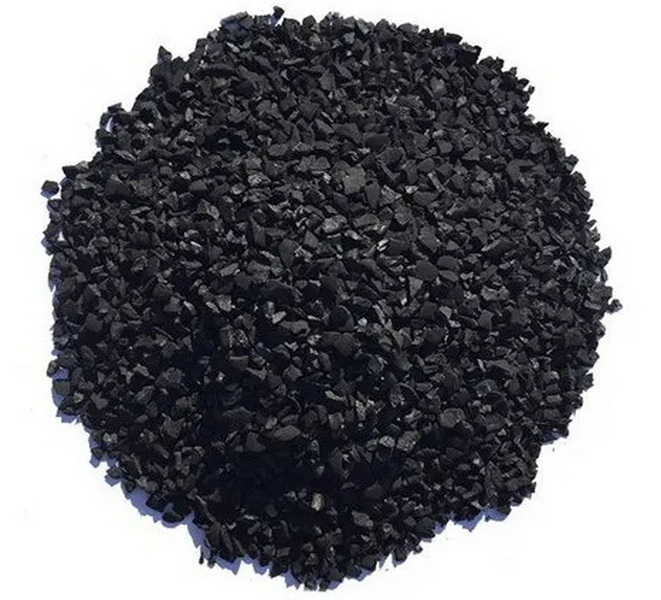
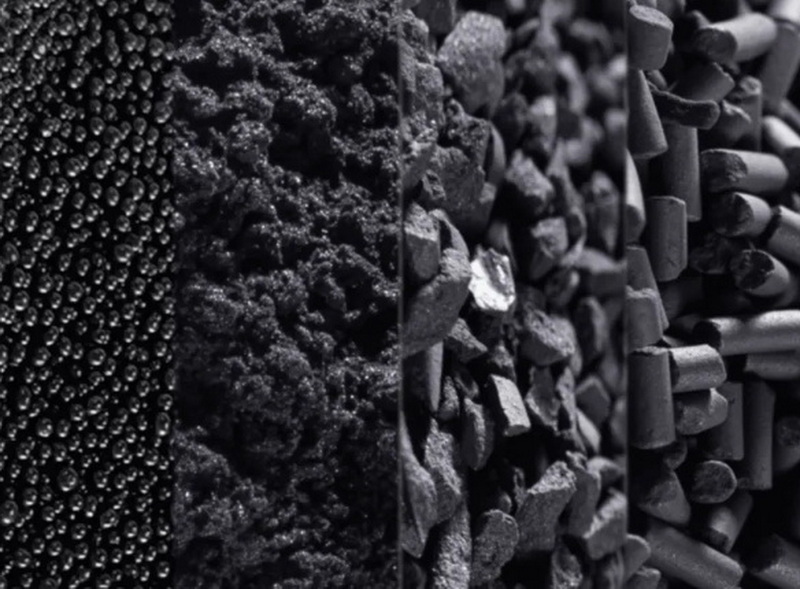
Granular activated carbon is supplied as relatively large particles and is widely used in packed columns and adsorber vessels. It offers:
- Low pressure drop through the bed
- High mechanical strength
- Good suitability for continuous processes
- Potential for thermal reactivation and reuse
GAC beds are common in distilleries that treat large volumes of spirit or industrial plants purifying ethanol for downstream processing.
Powdered Activated Carbon (PAC)
Powdered activated carbon consists of very fine particles. It is often dosed directly into a liquid and later removed with filtration. In alcohol applications, PAC may be used in batch treatment tanks where quick mixing and short‑term contact are needed.
Because PAC is difficult to recover and regenerate, it is typically used as a one‑time additive rather than a permanent fixed bed.
Activated Carbon Cartridges
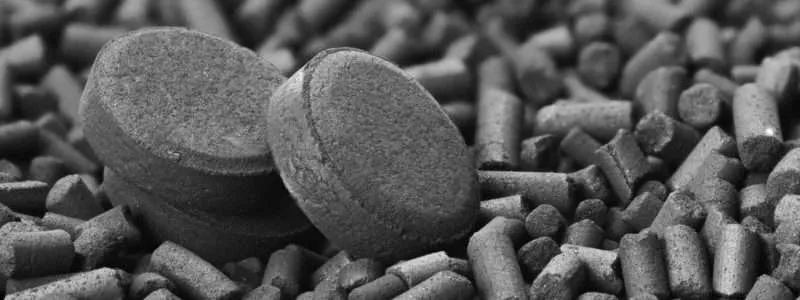
Activated carbon cartridges compress fine activated carbon into a rigid or semi‑rigid cartridge. These are used in compact filtration units that are easy to install, operate, and replace.
Cartridge systems are popular in:
- Small distilleries
- Craft or hobby setups
- Pilot lines and R&D labs
They provide the advantages of activated carbon without requiring a large industrial column or complicated handling of loose media.
Typical Applications for Alcohol Filtration
Activated carbon is used in multiple alcohol‑related industries and scenarios, including:
- Vodka and neutral spirits polishing
To achieve a neutral, clean flavor profile, producers often pass the spirit through beds of activated carbon to remove any remaining congeners.
- Light rum and gin refining
Activated carbon can help remove unwanted harsh notes or residual color while preserving key botanicals and desired flavors if used gently and precisely.
- Industrial ethanol purification
Ethanol used for hand sanitizers, cleaning agents, and industrial chemicals can be polished with activated carbon to reduce odor and color and remove organic by‑products.
- Pharmaceutical and food‑grade alcohol
When alcohol is used as a solvent or excipient in pharmaceutical or food applications, activated carbon helps the material meet strict purity specifications.
Safety Guidelines for Using Activated Carbon With Alcohol
Handling activated carbon and alcohol safely is essential for operators and the facility.
- Dust control
Powdered or dry granular activated carbon can generate dust, which may irritate the respiratory system. Use local ventilation where carbon is handled and avoid creating unnecessary dust clouds.
- Personal protective equipment (PPE)
Gloves, safety glasses or goggles, and suitable clothing help prevent skin and eye contact with carbon dust and alcohol. In some cases, dust masks or respirators may be required.
- Flammability and explosion risks
Alcohol is flammable, and fine carbon dust can also present a combustion hazard under certain conditions. Ensure good grounding, avoid sparks, and keep ignition sources away from filtration systems and carbon storage areas.
- Spent carbon management
Activated carbon used to filter alcohol will retain adsorbed organics and some fraction of solvent. It must be handled and disposed of according to local regulations, and in larger systems, it can be sent for professional reactivation rather than simple disposal.
Step‑by‑Step: How to Filter Alcohol With Activated Carbon
This section describes a general workflow that can be adapted for different scales and equipment. Always follow local regulations and equipment instructions.
Step 1: Define the Alcohol and Treatment Goal
Clarify the target before choosing an activated carbon grade and system design.
- Identify the alcohol type: vodka, neutral grain spirit, rum, gin, flavored spirit, fermentation ethanol, or isopropanol.
- Determine alcohol strength, batch size or flow rate, and initial impurity levels.
- Decide whether the goal is complete polishing (for neutral spirits), gentle refinement (for characterful spirits), or strict purification (for industrial or pharmaceutical alcohol).
A clear treatment goal makes it easier to pick the right activated carbon and avoid over‑ or under‑treating the product.
Step 2: Choose Suitable Activated Carbon and Dosage
The performance of the system depends heavily on the grade and dose of activated carbon.
Key selection factors include:
- Raw material (coconut shell, coal, wood)
- Pore size distribution (more micropores for small organics, mesopores for slightly larger molecules)
- Surface area and hardness
- Compliance with food, beverage, or pharmaceutical standards
For beverage spirits, specialized food‑grade activated carbon designed for distilled spirits is recommended. For industrial or pharma applications, the carbon should meet relevant regulatory and purity standards.
Dosage guidelines can vary widely, but often start with small‑scale tests to determine:
- Amount of activated carbon per liter or gallon of alcohol
- Target contact time
- Expected breakthrough behavior
After laboratory or pilot trials, the selected dosage and process parameters can be scaled up to production level.
Step 3: Select a Filtration Configuration
There are several common ways to bring alcohol into contact with activated carbon.
Packed Bed Columns
A column filled with granular activated carbon is one of the most traditional approaches. Alcohol flows downward (or upward in some designs) through the bed, contacting the activated carbon over a defined residence time.
Advantages:
- High efficiency for continuous or semi‑continuous operation
- Good control of contact time
- Suitable for high‑volume distilleries and industrial plants
Batch Treatment Tanks With PAC
In batch treatment, powdered or fine activated carbon is mixed into a tank of alcohol. After a certain contact time, the mixture is filtered to remove the carbon.
Advantages:
- Flexible and easy to apply to different batch sizes
- Useful for experimental treatments or one‑time corrections
Disadvantages include more complex solid‑liquid separation and limited opportunity for carbon reuse.
Activated Carbon Cartridge Systems
Cartridge systems integrate activated carbon into replaceable cartridges inside a pressure‑rated housing. Alcohol is pumped through the housing and forced through the cartridge.
Advantages:
- Compact footprint
- Clean handling, minimal dust
- Easy cartridge replacement
These systems are well suited to small or medium producers who want the benefits of activated carbon without large columns or handling loose media.
Preparing and Conditioning Activated Carbon
Proper preparation is important to achieve consistent results.
- Rinsing and washing
Some activated carbon products are pre‑washed, while others benefit from rinsing to remove fines and initial dust. Rinsing also helps fully wet the pores, which supports stable performance.
- Bed packing
When filling a column, distribute the granular activated carbon evenly to avoid voids and channeling. Use vibration or gentle tapping to settle the bed, and fill slowly to minimize dust.
- Pre‑flushing
After the column is packed, it is common to flush with water, dilute alcohol, or a similar medium at low flow. This step removes fines and air from the bed, setting up more uniform flow patterns.
Correct conditioning ensures that the alcohol will contact activated carbon evenly and predictably, which improves overall purification.
Controlling Contact Time and Flow Rate
Contact time is a crucial parameter in activated carbon filtration.
- Residence time
The volume of the activated carbon bed and the flow rate of the alcohol determine how long the liquid spends in contact with the media. Longer contact times generally mean better removal of impurities.
- Flow rate limits
Too high a flow rate can cause channeling, where the alcohol finds a few preferred paths through the bed and bypasses much of the activated carbon. This reduces adsorption efficiency.
- Balancing quality and productivity
Producers must balance the desire for maximum purification with the need for reasonable throughput. In some cases, several lighter passes through activated carbon can be more effective than a single extremely slow pass.
By tuning these parameters, the operator can decide how strongly the activated carbon will polish the alcohol.
Operating the Filtration and Monitoring Quality
Continuous quality monitoring helps keep an activated carbon system operating at its best.
Typical checks include:
- Visual inspection for clarity and color changes
- Sensory evaluation by trained tasters for odor and flavor improvements
- Laboratory measurements of congeners, aldehydes, acids, and other impurities
- Periodic sampling at different points along the bed or over time to detect changes in performance
If the outlet quality begins to drift from target values, the operator may adjust flow rates, change the activated carbon bed depth, or schedule replacement of the media.
Managing Breakthrough and Carbon Replacement
Activated carbon works until its adsorption sites become saturated. At that point, impurities begin to appear in the treated alcohol, which is known as breakthrough.
Signs of breakthrough include:
- Return of unwanted odors or flavors in the treated alcohol
- Rise in analytical values of targeted contaminants
- Changes in color or haze
When breakthrough is detected, the activated carbon must be replaced or regenerated.
- In large systems, spent granular activated carbon is often sent to specialized facilities for thermal reactivation, restoring a significant portion of its capacity.
- In smaller systems, especially those using cartridges, the media is typically replaced with new activated carbon, as reactivation is not economical at small scale.
Consistent monitoring and timely replacement keep the activated carbon system efficient and prevent the release of contaminants back into the product.
Gravity Columns vs. Cartridge Filters
Different filtration arrangements use activated carbon in slightly different ways and are suited to different production scales.
Gravity Granular Activated Carbon Columns
A gravity column relies on the force of gravity to pull alcohol through a bed of granular activated carbon at a controlled rate. These systems are common in craft distilleries and can be built in various sizes.
Key characteristics:
- Long contact times
- Simple design, often with minimal pumping
- High flexibility for experimental adjustments
Activated Carbon Cartridge Systems
Cartridge systems enclose activated carbon within pre‑formed cartridges and use pumps to move alcohol through the housing.
Key characteristics:
- Compact, modular design
- Convenient media replacement
- Good option for smaller capacity operations
Both systems apply the same core principle: alcohol must contact the internal surface of activated carbon for sufficient time to allow adsorption of impurities.
Using Activated Carbon Responsibly in Spirits Production
Activated carbon filtration should complement good fermentation and distillation practices, not replace them.
- A clean fermentation with controlled temperature and nutrient balance produces fewer off‑flavors, reducing the load on activated carbon.
- Careful distillation, including proper control of heads, hearts, and tails, limits the concentration of fusel oils and harsh congeners in the spirit.
For neutral spirits like vodka, producers often use relatively intensive activated carbon treatment to create a clean profile. For more characterful products such as whiskey, rum, or brandy, activated carbon should be used cautiously, if at all, because it can strip desirable colors and flavors along with unwanted compounds.
Conclusion
Filtering alcohol with activated carbon is a proven and versatile method for polishing both beverage spirits and industrial alcohol. Through its unique pore structure and extremely high internal surface area, activated carbon can adsorb a wide range of flavor‑ and odor‑causing molecules, color bodies, and trace organic contaminants.
When producers choose an appropriate grade of activated carbon, design suitable contact times and flow rates, and monitor breakthrough carefully, they can significantly improve the sensory quality and purity of their products. In beverage applications, this leads to smoother, cleaner spirits with greater consumer appeal; in industrial and pharmaceutical uses, it helps alcohol meet demanding technical and regulatory specifications.
Activated carbon is most effective when integrated into a broader quality strategy that includes clean fermentation, well‑controlled distillation, and responsible system maintenance. Used in this way, activated carbon filtration becomes a powerful polishing step that supports consistent, high‑quality alcohol production.
Contact us to get more information!
FAQ About Filtering Alcohol With Activated Carbon
1. Does activated carbon make alcohol safer to drink?
Activated carbon can reduce certain organic by‑products, fusel oils, and odor‑causing compounds, improving the sensory profile and helping alcohol approach its intended purity. However, activated carbon cannot fix fundamentally unsafe alcohol. If the alcohol contains toxic contaminants such as methanol or has been produced under unsafe conditions, activated carbon alone cannot make it safe to drink. Good production practices and compliance with regulations are essential.
2. Will activated carbon remove all flavors from my spirit?
The impact of activated carbon on flavor depends on dosage, contact time, and the style of spirit. Neutral spirits like vodka are often heavily treated with activated carbon to achieve a very clean, nearly flavorless profile. In contrast, characterful spirits such as whiskey, rum, or brandy may be treated lightly or not at all, because strong activated carbon treatment can strip desirable flavors and aromas along with unwanted compounds.
3. Can I reuse activated carbon for alcohol filtration?
Granular activated carbon used in large industrial or distillery systems can sometimes be thermally reactivated by specialized service providers, restoring much of its adsorption capacity. In smaller setups, especially those using activated carbon cartridges, media is typically replaced when exhausted. Attempting to regenerate cartridges or small volumes of activated carbon at home is usually not effective and may be unsafe.
4. Is there a recommended amount of activated carbon for vodka?
There is no single universal dosage, because optimal levels depend on the base spirit quality, equipment design, and desired level of polishing. However, industry practice and regulatory guidance for vodka often reference treatment ranges on the order of small fractions of an ounce of activated carbon per gallon of spirit, or equivalent continuous‑flow rates in columns. Distillers typically conduct pilot trials, adjusting media volume and residence time until the vodka reaches the targeted neutrality and smoothness.
5. What is the difference between activated carbon and regular charcoal in alcohol filtration?
Activated carbon is specifically processed to create an extremely high internal surface area and a controlled pore structure optimized for adsorption. Regular charcoal, such as lump charcoal for grilling, usually has much lower surface area and a less controlled composition. As a result, activated carbon is far more efficient and predictable for alcohol purification. For safety and performance reasons, food‑grade or beverage‑grade activated carbon is strongly preferred over generic charcoal when filtering alcohol.
Citations:
1. https://activatedcarbondepot.com/products/distillery-carbon-for-spirits
2. https://generalcarbon.com/industries-served/distilleries-activated-carbon/
3. https://www.calgoncarbon.com/covid-19/alcohol-purification-for-hand-sanitizers/
4. https://www.northernbrewer.com/products/still-spirits-ez-carbon-filter
5. https://www.reddit.com/r/firewater/comments/1h1z3z8/whats_the_consensus_on_active_carbon_filtration/
6. https://sites.chemengr.ucsb.edu/~ceweb/faculty/scott/Chemical%20SOPs/CarbonPowder.pdf
7. https://proof33.com/activated-carbon-filtration-a-craft-distillers-guide/
8. https://www.ttb.gov/laws-regulations-and-public-guidance/rulings/76-3
9. https://www.reddit.com/r/firewater/comments/sc237x/does_anyone_run_their_liquor_through_this/
10. https://www.vodka-tf.com/carbon-processing/


