Content Menu
● What Is Spent Activated Carbon?
● Why Safe Disposal of Activated Carbon Matters
● Main Disposal and Regeneration Routes for Activated Carbon
>> Reactivation and Regeneration of Activated Carbon
>> Incineration of Activated Carbon
>> Landfill Disposal of Activated Carbon
● Step‑by‑Step Guide: How to Dispose of Activated Carbon Safely
>> Step 1: Identify the Application and Contaminants
>> Step 2: Classify the Spent Activated Carbon
>> Step 3: Choose a Disposal or Regeneration Route
>> Step 4: Work With Qualified Service Providers
>> Step 5: Follow Safety and Handling Best Practices
● Best Practices for Industrial Users of Activated Carbon
>> Design for Easy Removal and Replacement
>> Monitor Performance and Plan Changeouts
>> Adopt Closed‑Loop and Circular Approaches
● Home and Small‑Scale Users: How to Dispose of Activated Carbon
>> Typical Household Filters
>> Aquariums and Small Purifiers
● Conclusion
● FAQ About How to Dispose of Activated Carbon
>> 1. How do I know if my spent activated carbon is hazardous?
>> 2. Can activated carbon be reused after disposal or regeneration?
>> 3. Is landfilling spent activated carbon safe for the environment?
>> 4. Why is thermal reactivation popular for industrial activated carbon?
>> 5. Should small businesses dispose of activated carbon themselves?
● Citations:
Activated carbon is a powerful adsorbent used across many industries, from water treatment and air purification to food, beverage, chemical, and pharmaceutical production. Knowing how to dispose of activated carbon correctly is essential for safety, regulatory compliance, and environmental protection. The right disposal route depends on how the activated carbon was used, what it has adsorbed, and what local regulations require.
This article explains what spent activated carbon is, why safe disposal matters, the main disposal and regeneration options, and step‑by‑step guidance for both industrial and small‑scale users. It is particularly helpful for businesses and operators who rely on activated carbon filters and need a practical, compliant plan for the end of the carbon's service life.
What Is Spent Activated Carbon?
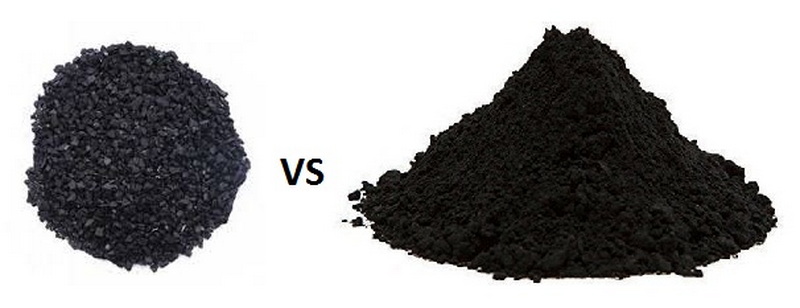
Activated carbon is produced from carbon‑rich raw materials such as coal, coconut shells, or wood and is processed to create a highly porous internal structure. This structure gives activated carbon an enormous internal surface area, allowing it to adsorb a wide range of contaminants from water, air, and process streams.
Over time, the pores of activated carbon fill with the molecules it has captured. When the adsorption capacity is mostly used up, the material becomes “spent activated carbon” and can no longer perform effectively. At this stage, the spent activated carbon must be regenerated, reactivated, or safely disposed of.
In water treatment applications, spent activated carbon may contain pesticides, industrial solvents, fuels, disinfection by‑products, or natural organic matter removed from municipal or industrial wastewater. In air and gas purification systems, spent activated carbon often contains volatile organic compounds (VOCs), odorous gases, or toxic vapors stripped from exhaust streams. In food, beverage, and pharmaceutical processes, activated carbon may adsorb color bodies, off‑flavors, trace organics, or process impurities.
Because spent activated carbon is loaded with contaminants, it cannot be treated like ordinary solid waste. Before deciding how to dispose of activated carbon, plant operators must understand what is inside the material and which rules apply.
Why Safe Disposal of Activated Carbon Matters
Safe disposal of activated carbon is critical for several reasons: human health, environmental protection, and legal compliance. When spent activated carbon is mishandled, the contaminants it holds can be released to air, soil, or water, undermining the very purpose of using activated carbon in the first place.
In many regions, spent activated carbon can be classified as hazardous waste, depending on the types and concentrations of pollutants it contains. Spent activated carbon that has adsorbed toxic organics, heavy metals, or other regulated substances may fall under hazardous waste regulations. Improper disposal of such activated carbon can lead to groundwater contamination via leachate, air emissions from uncontrolled burning, and long‑term environmental damage.
From a compliance standpoint, companies that use activated carbon in industrial processes must follow waste management and environmental laws. Violations can result in fines, sanctions, or even shutdowns. For industries such as drinking water treatment, food and beverage processing, and pharmaceuticals, mishandling spent activated carbon also risks reputational damage, product quality issues, and loss of customer trust.
By planning ahead and adopting proven best practices, operators can manage activated carbon responsibly, keeping people and ecosystems safe while meeting their regulatory obligations.
Main Disposal and Regeneration Routes for Activated Carbon
There are three main routes for handling spent activated carbon:
- Reactivation or regeneration
- Incineration
- Landfill disposal
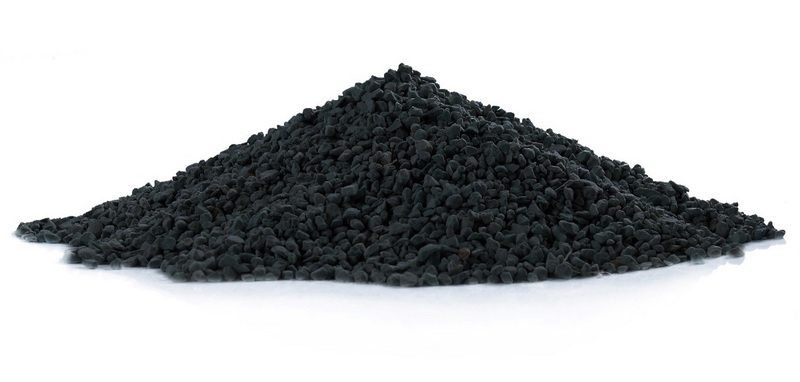
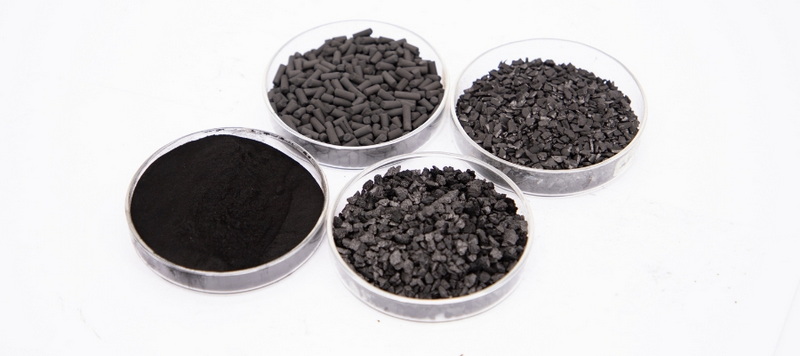
The best option depends on the contaminant load, local rules, the physical form of the activated carbon (granular, pelletized, powdered), and cost and sustainability targets.
Reactivation and Regeneration of Activated Carbon
Reactivation and regeneration are processes used to restore the adsorption capacity of spent activated carbon. Instead of discarding the material, operators send spent activated carbon to specialized facilities, where it is treated to remove contaminants and reopen the pore structure.
Thermal reactivation is the most common industrial method. In this process, spent activated carbon is heated to very high temperatures, typically in the range of several hundred degrees Celsius, in a controlled, low‑oxygen environment. Steam and heat drive off or destroy the adsorbed organics while preserving most of the carbon framework. Off‑gases pass through emission control systems to destroy pollutants and protect air quality.
After reactivation, the restored activated carbon often regains a substantial portion of its original capacity. The reactivated product may be used alone or blended with fresh activated carbon to achieve desired performance. Reactivated activated carbon is widely used in applications such as wastewater treatment, vapor recovery, and some industrial process streams.
Other regeneration techniques exist as well. Biological regeneration uses microorganisms to degrade adsorbed organics on the surface of activated carbon in water applications. Wet oxidation and advanced oxidation processes use chemical oxidants to break down contaminants while the activated carbon remains in service. Electrochemical and photocatalytic methods have been studied for specialized cases. These non‑thermal regeneration methods are more niche but show how flexible the concept of regenerating activated carbon can be.
Choosing reactivation or regeneration brings several benefits. It reduces the amount of solid waste sent to landfills or incinerators, cuts the demand for fresh raw materials, and often lowers total lifecycle cost. In many cases, using reactivated activated carbon can cut overall media cost significantly compared to always buying new product.
Incineration of Activated Carbon
In some situations, especially when contaminants are highly toxic, persistent, or tightly regulated, incineration is a preferred route for handling spent activated carbon. High‑temperature incineration destroys both the activated carbon and the adsorbed pollutants, converting much of the carbon to gases such as carbon dioxide and leaving a small quantity of ash.
Incineration must be carried out in specialized facilities designed to handle hazardous or industrial waste. Such facilities maintain precise temperature control, sufficient residence time, and robust air pollution control systems to manage emissions. This is essential when the activated carbon has captured hazardous organics or other dangerous substances that cannot be released.
This route is typically chosen when:
- Reactivation is technically impractical or not permitted for the specific contaminants.
- Regulations require complete destruction of certain compounds.
- The volume of spent activated carbon is relatively small, making dedicated reactivation economically unattractive.
While incineration reduces solid waste volume dramatically, it eliminates the possibility of reusing the activated carbon. For many operators, it is a safety‑ and compliance‑driven choice rather than a resource‑conserving one.
Landfill Disposal of Activated Carbon
Landfill disposal is another route for dealing with spent activated carbon, especially for materials that are classified as non‑hazardous. In particular, powdered activated carbon from some water treatment processes may be more difficult to regenerate economically, so landfill disposal remains common in certain cases.
Only properly engineered and approved landfills should receive spent activated carbon. The site must have appropriate liners, leachate collection systems, and monitoring programs. Before spent activated carbon can be landfilled, it often needs to be characterized through testing to confirm that it meets acceptance criteria. In some cases, stabilization or solidification processes are used to further reduce leachability of contaminants.
Although landfill disposal can be technically straightforward, it does not recover the resource value of the activated carbon and adds to long‑term waste burdens. Where practical, many operators now prefer regeneration or reactivation to reduce reliance on landfills and to move toward more circular resource use.
Step‑by‑Step Guide: How to Dispose of Activated Carbon Safely
A structured approach helps ensure that activated carbon is handled safely from the moment it is deemed spent until its final destination. The following step‑by‑step guide applies mainly to industrial users but can be adapted for smaller operations.
Step 1: Identify the Application and Contaminants
Start by clearly identifying where the activated carbon is used and what types of contaminants it is likely to hold. This is a critical foundation for all later decisions.
- Record whether the activated carbon comes from water treatment, wastewater polishing, air or gas purification, solvent recovery, food and beverage processing, pharmaceutical manufacturing, or chemical production.
- Gather process documentation, such as safety data sheets for chemicals in contact with the activated carbon, historical monitoring data, and any existing lab analyses.
- Pay attention to contaminants that are regulated or known to be hazardous. Examples include chlorinated solvents, certain pesticides, heavy metals, and specific industrial organics.
A clear understanding of use conditions and probable contaminants makes it much easier to determine how to dispose of activated carbon correctly and legally.
Step 2: Classify the Spent Activated Carbon
Next, classify the spent activated carbon according to applicable waste regulations. This often involves a combination of knowledge‑based assessments and analytical testing.
- Arrange representative sampling of the spent activated carbon, following good sampling practices to capture variability within the filter or system.
- Send samples to accredited laboratories for analysis. Typical parameters may include total organic content, specific priority pollutants, leachable metals, ignitability, or other regulatory criteria.
- Consult with internal EHS (environment, health, and safety) staff or external experts to assign the correct waste codes and determine whether the spent activated carbon is hazardous or non‑hazardous.
Classification is not just a paperwork exercise. It defines which disposal routes are allowed, what documentation is required, and which facilities can accept the waste. For example, hazardous spent activated carbon might need to go to a hazardous waste incinerator or to a specialized reactivation facility, while non‑hazardous activated carbon may have more options.
Step 3: Choose a Disposal or Regeneration Route
Based on classification and process requirements, select the most suitable route for handling the spent activated carbon.
- Reactivation or regeneration is often the first choice for granular or pelletized activated carbon used in water or air treatment, particularly when contaminants can be safely destroyed in a reactivation furnace and when regulations allow reuse.
- Incineration may be required or strongly preferred for spent activated carbon loaded with highly toxic or non‑recyclable substances, or where regulations mandate complete destruction of particular contaminants.
- Landfill disposal may be an option for non‑hazardous, stabilized forms of spent activated carbon, especially for powdered activated carbon where regeneration is not economical.
In many cases, the same industrial user may use more than one route, depending on the stream. For example, one plant may regenerate granular activated carbon from a water filter while incinerating spent powdered activated carbon from a separate treatment step.
Step 4: Work With Qualified Service Providers
Most industrial users do not manage the entire disposal or regeneration process alone. Instead, they partner with specialized service providers and activated carbon suppliers.
Qualified providers can:
- Remove spent activated carbon safely from vessels, columns, or filters using vacuum trucks, slurry systems, or manual handling with proper safeguards.
- Package spent activated carbon in approved containers, such as drums, big bags, or bulk tankers, and manage labeling and documentation.
- Transport the material to reactivation plants, incinerators, or landfills under regulated conditions.
- Supply fresh or reactivated activated carbon with properties tailored to the client's process requirements.
Working with experienced partners helps ensure that all regulatory and technical requirements are met. It also simplifies logistics and frees plant personnel to focus on core production tasks.
Step 5: Follow Safety and Handling Best Practices
Handling spent activated carbon safely is essential, especially when unknown or hazardous contaminants might be present.
Recommended practices include:
- Conduct a risk assessment before opening vessels or filters containing spent activated carbon, considering possible exposure to toxic vapors, oxygen‑deficient atmospheres, heat, or dust.
- Use appropriate personal protective equipment (PPE) such as gloves, goggles, protective clothing, and respiratory protection, depending on the risk profile.
- Implement good ventilation in confined or enclosed spaces where activated carbon is handled.
- Avoid uncontrolled burning or random mixing of spent activated carbon with chemicals such as strong oxidizers, as this can create dangerous reactions.
- Train all relevant staff on safe handling procedures, emergency response, and the specific risks associated with spent activated carbon in their facility.
By embedding these practices into standard operating procedures, companies can reduce accidents, protect workers, and manage activated carbon more responsibly.
Best Practices for Industrial Users of Activated Carbon
Industrial users can significantly improve safety, cost control, and sustainability by integrating activated carbon disposal planning into system design and operations.
Design for Easy Removal and Replacement
When designing new systems or retrofitting existing ones, engineers should consider how activated carbon will be removed and replaced at the end of its service life.
Good design features include:
- Adequate manways and access points for safe entry and media handling.
- Lifting lugs, rails, or hoists that allow slurry tanks, filter housings, or adsorber vessels to be serviced without excessive manual lifting.
- Valves and piping arrangements that make it easy to isolate, drain, and depressurize equipment before opening.
Designing with the entire lifecycle of activated carbon in mind—installation, operation, removal, and replacement—reduces downtime and lowers the overall cost of ownership.
Monitor Performance and Plan Changeouts
Activated carbon performance should be monitored through process data rather than waiting for obvious problems like odor, color, or contamination breakthroughs.
Useful tools and indicators include:
- Breakthrough curves based on online or periodic sampling at the inlet and outlet of activated carbon systems.
- Pressure drop measurements across beds, which can highlight fouling or packing issues.
- Changes in key quality parameters, such as residual organic content in treated water or VOC levels in cleaned air streams.
When data show that activated carbon is nearing the end of its effective life, operators can schedule changeouts and arrange for regeneration or disposal ahead of time. This proactive approach reduces production disruptions and allows more efficient logistics for shipping and receiving activated carbon.
Adopt Closed‑Loop and Circular Approaches
A growing number of plants are configuring their activated carbon use as part of a closed‑loop or circular system. Instead of purchasing only virgin activated carbon and disposing of it after one use, they send spent activated carbon to reactivation facilities and reuse the reactivated product in suitable applications.
Benefits of this approach include:
- Reduced consumption of raw materials and lower environmental footprint.
- Decreased volumes of solid waste going to landfill or incineration.
- Lower overall media costs when reactivated activated carbon can replace a portion of virgin product.
For industries committed to sustainability goals and environmental reporting, implementing a regeneration program for activated carbon is an effective and visible measure.
Home and Small‑Scale Users: How to Dispose of Activated Carbon
While much of the discussion around how to dispose of activated carbon focuses on industrial users, home and small‑scale applications also rely on activated carbon in products like pitcher filters, under‑sink cartridges, aquarium filters, and small air purifiers.
Typical Household Filters
In many household water treatment systems, activated carbon is used to improve taste and odor and to remove low levels of chlorine or organics. Under typical conditions, the spent activated carbon in these filters is not classified as hazardous. However, local rules can differ, so users should check municipal guidance on how to dispose of small filters.
Common recommendations include:
- Follow the manufacturer's instructions on filter replacement and disposal.
- Do not cut open cartridges or disperse loose activated carbon into drains, yards, or gardens.
- Place used filters or sealed packets containing activated carbon in regular household waste if local authorities allow it.
Although the quantities of activated carbon in home systems are small, proper disposal helps prevent localized contamination and keeps spent activated carbon out of waterways.
Aquariums and Small Purifiers
Aquarium owners and users of compact air purifiers also frequently handle activated carbon. In these settings, activated carbon may absorb fish waste‑related organics, medications, or indoor air pollutants. As with household water filters, the spent activated carbon is usually managed as ordinary household waste, but only after it is contained securely.
Good practices include:
- Removing the spent activated carbon from filter housings and placing it in a bag or container that can be sealed.
- Avoiding uncontrolled dumping of activated carbon into sinks, toilets, or outdoor areas.
- Ensuring that children and pets cannot access used activated carbon, especially if it has adsorbed chemicals or medications from aquarium treatments.
For small businesses such as cafes, small breweries, or laboratories that use modest amounts of activated carbon, it is often safer to consult local regulations or a professional waste contractor rather than disposing of activated carbon independently.
Conclusion
Activated carbon is a critical tool for cleaning water, air, gases, and process streams across many industries, but its job does not end when the pores are full. Knowing how to dispose of activated carbon correctly is essential for protecting people, meeting legal obligations, and safeguarding the environment. The right approach starts with understanding where and how activated carbon is used, then carefully classifying the resulting spent activated carbon.
From there, operators can choose among reactivation, regeneration, incineration, or landfill disposal, often in combination, to handle different waste streams in a safe and compliant way. Working with qualified service providers and following robust safety practices ensures that spent activated carbon is removed, transported, and treated correctly. For industrial users, integrating disposal planning and regeneration into system design, performance monitoring, and sustainability programs transforms activated carbon from a one‑time consumable into a managed, circular resource.
For households and small‑scale users, simple steps like containing used filters, following manufacturer guidance, and avoiding uncontrolled dumping are enough to ensure that small quantities of activated carbon are handled responsibly. Whether on a large or small scale, thoughtful disposal of activated carbon closes the loop on a powerful purification technology, maximizing benefits while minimizing risks and environmental impact.
Contact us to get more information!
FAQ About How to Dispose of Activated Carbon
1. How do I know if my spent activated carbon is hazardous?
The hazard status of spent activated carbon depends on the contaminants it has adsorbed and the regulations in your region. If the process involves toxic chemicals, solvents, regulated organics, or heavy metals, there is a higher chance that the spent activated carbon could be considered hazardous. The safest approach is to take representative samples and send them to an accredited laboratory for analysis, then consult environmental or waste management professionals to interpret the results and assign the correct waste codes.
2. Can activated carbon be reused after disposal or regeneration?
Activated carbon cannot simply be reused once it is spent, because its pores are already filled with contaminants and its adsorption capacity is greatly reduced. However, spent activated carbon can often be regenerated or reactivated to restore much of its effectiveness. Thermal reactivation and other regeneration methods remove adsorbed substances and help reopen the pore structure. The resulting reactivated activated carbon can then be reused in appropriate applications, sometimes blended with fresh material.
3. Is landfilling spent activated carbon safe for the environment?
Landfilling spent activated carbon can be environmentally acceptable when strict conditions are met. The material must be characterized to confirm that it qualifies for disposal at the chosen landfill, and the site itself must be properly engineered with liners, leachate collection, and monitoring. Nevertheless, many operators prefer to reduce reliance on landfills by using regeneration or reactivation whenever feasible. These approaches help conserve resources, reduce waste volumes, and align better with long‑term sustainability goals.
4. Why is thermal reactivation popular for industrial activated carbon?
Thermal reactivation is popular because it is a robust and versatile method that works for many types of industrial spent activated carbon. By heating the material in a controlled atmosphere, the process removes or destroys a wide range of adsorbed organics while preserving much of the carbon structure. Reactivated activated carbon offers a balance between performance and cost savings, making it an attractive option for water treatment plants, vapor recovery systems, and various industrial facilities seeking to reuse their activated carbon rather than treating it as a one‑time consumable.
5. Should small businesses dispose of activated carbon themselves?
Small businesses that use activated carbon in modest quantities—such as local food and beverage producers, small laboratories, or small manufacturing shops—should be cautious about handling disposal entirely on their own. Even if the volumes are limited, the spent activated carbon may contain regulated contaminants, and local rules can be complex. In many cases, it is wise for small businesses to consult local authorities, waste management companies, or activated carbon suppliers for guidance. Partnering with a qualified service provider ensures that spent activated carbon is collected, classified, transported, and treated in a way that meets regulatory requirements and protects employees and the surrounding community.
Citations:
1. https://wcponline.com/2005/06/22/care-handling-activated-carbon/
2. https://www.linkedin.com/pulse/think-twice-before-using-spent-activated-1w4yc
3. https://gasificationplant.com/biomass-energy/activated-carbon-regeneration-methods/
4. https://norit.com/reactivation
5. https://feeco.com/activated-carbon-a-critical-component-in-water-treatment-facilities/
6. https://www.carbotecnia.info/en/learning-center/activated-carbon-theory/activated-carbon-reactivation/
7. https://semspub.epa.gov/work/01/6847.pdf
8. https://www.sciencedirect.com/science/article/abs/pii/S0255270119315089
9. https://pmc.ncbi.nlm.nih.gov/articles/PMC7584032/
10. https://recofiltration.com/activated-carbon-removal-and-recycling-services


