Content Menu
● What an Activated Carbon Air Filter Does
● Can Activated Carbon Air Filters Be Washed and Reused?
● Step‑by‑Step: How to Clean an Activated Carbon Air Filter
>> Preparation and Safety
>> Dry Cleaning: Dust and Debris Removal
>> Wet Cleaning (Only If Allowed)
>> Thorough Drying and Reinstallation
● When to Replace Instead of Clean
● Best Practices for Maintaining Activated Carbon Air Filters
● Conclusion
● FAQ
>> FAQ 1: Can I wash my activated carbon air filter with water?
>> FAQ 2: How often should I clean an activated carbon air filter?
>> FAQ 3: When should I replace an activated carbon air filter instead of cleaning it?
>> FAQ 4: Does cleaning restore the adsorption capacity of activated carbon?
>> FAQ 5: Is it safe to use detergents or chemicals on activated carbon air filters?
Cleaning an activated carbon air filter helps maintain airflow and odor control, but it cannot fully restore the original adsorption capacity of the activated carbon. Proper cleaning focuses on removing dust and trapped particles, drying the filter thoroughly, and following the manufacturer's instructions to avoid damaging the activated carbon structure or growing mold inside the filter.
Activated carbon air filters are used in home air purifiers, HVAC systems, industrial ventilation, odor control units, and many other systems where gases and smells need to be removed from air. When cleaning an activated carbon air filter, the goal is to keep the system running efficiently for as long as possible while understanding that the activated carbon will eventually become saturated and require replacement.
What an Activated Carbon Air Filter Does
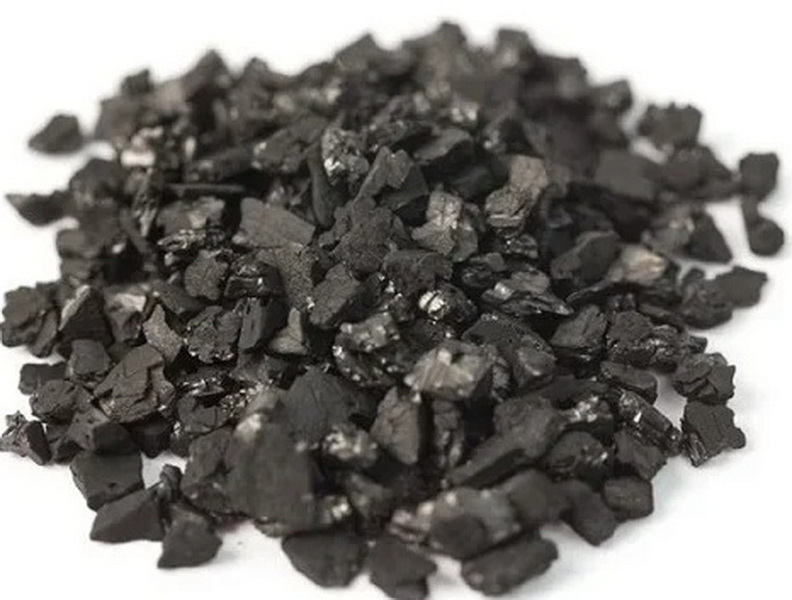
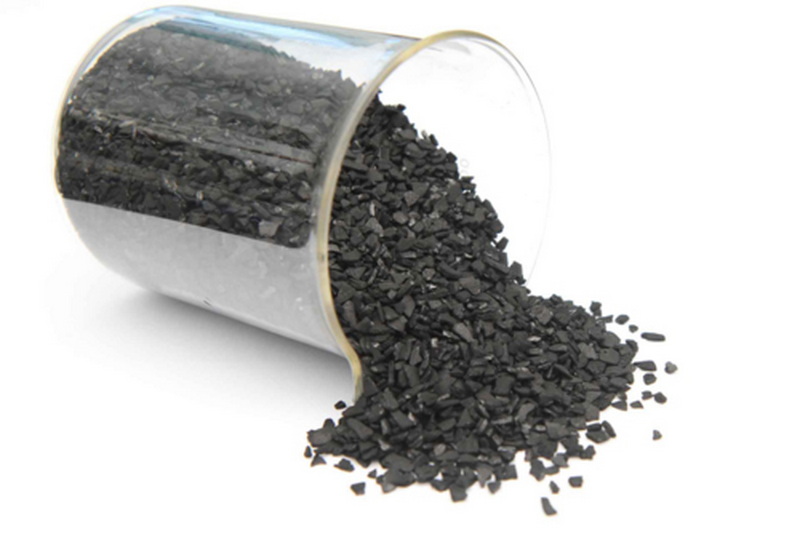
Activated carbon air filters use highly porous activated carbon to adsorb odors, gases, and volatile organic compounds (VOCs) from air streams. The enormous internal surface area of activated carbon allows it to trap molecules that pass through the filter, reducing smells from smoke, pets, cooking, chemicals, and industrial emissions.
The adsorption process in activated carbon is mostly physical: gas molecules are attracted to and held on the surface of the activated carbon's micro‑pores. Over time, these pores fill up with contaminants and moisture, reducing the filter's capacity to adsorb new pollutants. Even if dust and lint are removed from the outside of the filter, the internal pores of the activated carbon remain partly saturated.
For this reason, cleaning an activated carbon air filter is mainly a maintenance step that improves airflow and removes loose contaminants. It does not completely regenerate the activated carbon media or return it to “like‑new” performance, because that would require high‑temperature industrial reactivation.
Can Activated Carbon Air Filters Be Washed and Reused?
Different manufacturers have different recommendations about whether their activated carbon air filters can be washed with water. Some carbon pre‑filters for home purifiers are labeled as washable, while many others are designed for surface cleaning only and then replacement once the activated carbon is saturated.
Rinsing an activated carbon filter with water can help remove dust and some surface residues. However, water does not open the microscopic pores of activated carbon or release most of the adsorbed gases and odors. In some cases, washing can even reduce performance if detergents or chemicals coat the activated carbon surface.
Another important risk is moisture. Damp activated carbon can provide a breeding ground for bacteria and mold, especially if the filter is reinstalled before it is completely dry. For this reason, washing should only be done if the manufacturer states that the activated carbon air filter is washable. Even then, cleaning should be seen as a way to extend the life of the filter slightly, not as a full regeneration method.
Step‑by‑Step: How to Clean an Activated Carbon Air Filter
Preparation and Safety
Before cleaning any activated carbon air filter, always turn off and unplug the air purifier, HVAC unit, or exhaust fan. This protects you from electric shock and prevents the fan from pulling in dust while the filter is removed.
Next, review the user manual or product label for specific instructions about the activated carbon filter. Some manuals clearly state “do not wash” or “replace only,” while others provide instructions for vacuuming, rinsing, or washing. Always follow these guidelines, because different activated carbon filter constructions respond differently to moisture and mechanical stress.
Prepare the tools you need for cleaning. Typically, you will want:
- A soft‑bristle brush
- A vacuum cleaner with a soft brush attachment
- A clean, dry cloth
- Access to warm running water (only if washing is allowed)
- A clean, dry area where the activated carbon filter can be left to air‑dry
Avoid aggressive tools such as stiff brushes, high‑pressure water jets, or strong household chemicals, as these can damage the activated carbon media, the frame, or any bonding materials.
Dry Cleaning: Dust and Debris Removal
Dry cleaning is the safest and most universal way to maintain an activated carbon air filter. It focuses on removing dust, lint, and visible debris that block airflow and make the filter clog faster.
1. Open the unit and access the filters
Remove the front panel or service door of the purifier or air handling unit. Carefully slide out the filter stack, which often includes a pre‑filter, a HEPA or particle filter, and then the activated carbon air filter.
2. Separate the pre‑filter
If there is a washable pre‑filter in front of the activated carbon, take it off and set it aside. This pre‑filter usually captures the bulk of the dust before it reaches the activated carbon.
3. Vacuum the pre‑filter
Use the vacuum with a soft brush attachment to gently clean the pre‑filter mesh or foam. If the pre‑filter is washable, you can rinse it according to the manufacturer's instructions and let it dry.
4. Vacuum the activated carbon air filter
With low suction, lightly vacuum the surface of the activated carbon filter to remove loose dust. Do not press hard or bend the filter, as this can crack the frame or dislodge activated carbon granules.
5. Lightly tap to release dust
If appropriate, gently tap the filter on the edge with your hand to knock loose additional dust. Do this outside or over a trash can to avoid spreading dust indoors. Avoid strong impacts that might damage the activated carbon layer.
Dry cleaning can be repeated regularly to keep the activated carbon air filter as clean as possible on the outside, slowing down airflow resistance and extending service life.
Wet Cleaning (Only If Allowed)
Wet cleaning is more controversial and should only be used when the product documentation explicitly states that the activated carbon filter is washable or rinseable. If this is not clearly stated, treat the activated carbon air filter as non‑washable.
If wet cleaning is allowed, follow these steps:
1. Rinse gently
Hold the activated carbon air filter under a gentle stream of lukewarm water. Let the water flow through the filter in the direction opposite to normal airflow to help flush out debris. Do not use very hot water, high pressure, or strong sprays that could break the structure or wash away activated carbon.
2. Skip harsh chemicals
Avoid strong detergents, bleach, alcohol, or solvent‑based cleaners. These substances can react with activated carbon or leave residues that block adsorption sites. If the manufacturer allows a mild detergent, use only a small amount and rinse thoroughly.
3. Avoid soaking for too long
Long soaking times may cause the frame or adhesives to weaken, and can saturate the activated carbon with water. A brief rinse is usually enough to remove surface dirt if the filter is designed to be washed.
4. Check for damage
Inspect the filter after rinsing. If the frame is warped, the mesh is torn, or large amounts of activated carbon have washed out, the filter should be replaced rather than reused.
Thorough Drying and Reinstallation
Because activated carbon readily absorbs moisture, proper drying is critical after any wet cleaning.
- Place the activated carbon air filter on a clean, flat surface in a well‑ventilated area.
- Allow air to circulate around the filter; you can use a fan to speed up drying, but avoid direct heat sources such as ovens, heaters, or direct sunlight that might warp plastic frames or degrade the activated carbon.
- Drying can take many hours or even a full day or more, depending on thickness and construction. Do not reinstall the filter until it feels completely dry to the touch and no moisture is visible.
Once dry, reinstall the filter in the correct orientation, making sure any arrows indicating airflow direction are followed. Replace the pre‑filter and any HEPA or particle filters in the proper order, then close the unit and plug it in. Turn on the system and check for normal airflow and noise, which indicate that the activated carbon filter is seated properly.
When to Replace Instead of Clean
Even with careful cleaning, every activated carbon air filter eventually reaches the end of its useful life. Understanding when to replace the filter is just as important as knowing how to clean it.
Typical signs that it is time to replace an activated carbon air filter include:
- Persistent odors
If smells from cooking, pets, smoke, or chemicals return quickly after you start the unit, the activated carbon may be saturated.
- Shortened effective time
If the filter used to control odors for weeks or months and now seems effective only for a short time, its adsorption capacity is likely nearly exhausted.
- Musty or unpleasant smell from the filter itself
A damp, moldy, or chemical smell coming directly from the activated carbon air filter may indicate microbial growth or contamination that cleaning cannot solve safely.
- Visible damage
Cracks in the frame, tears in the media, or loose granules leaking from the filter are clear signals that a new activated carbon filter is needed.
Most consumer and light commercial activated carbon air filters are designed as disposable components. While cleaning can extend life slightly, the filter should be replaced according to the manufacturer's recommended interval or sooner if performance clearly declines. Industrial activated carbon systems sometimes use bulk carbon beds that can be reactivated or replaced in larger quantities, but this is usually handled by specialized service providers under controlled conditions.
Best Practices for Maintaining Activated Carbon Air Filters
Keeping an activated carbon air filter in good condition is easier when the whole system is maintained properly. Good practices include:
- Maintain the pre‑filter
The pre‑filter captures much of the dust before it reaches the activated carbon. Cleaning or washing the pre‑filter regularly reduces the dust load on the activated carbon and helps extend its life.
- Control humidity
High humidity can fill activated carbon pores with water, reducing adsorption of gases. If possible, operate the air system in reasonably dry conditions, or ensure dehumidification is in place for very humid environments.
- Keep a maintenance log
Record the dates when you clean the filters and when you replace the activated carbon. Note any changes in odor control performance. This makes it easier to predict when the next replacement will be needed.
- Follow manufacturer recommendations
Each model of air purifier, HVAC unit, or odor control system is designed around a specific filter type and expected replacement cycle. Using the recommended activated carbon filter and following the suggested schedule ensures the best performance and safety.
- Store spare filters properly
Spare activated carbon filters should be kept in their sealed packaging until they are needed and stored in a cool, dry place. Exposing spare filters to strong odors or humidity for long periods can reduce their initial effectiveness.
For industrial users, it is also important to consider safety, environmental regulations, and proper disposal of spent activated carbon, especially if it has captured hazardous chemicals or solvents. In such cases, activated carbon may need to be handled as controlled waste and treated by specialized facilities.
Conclusion
Cleaning an activated carbon air filter is an important maintenance step that helps keep airflow high and extends the useful life of the filter, but it does not completely restore the adsorption capacity of the activated carbon. Dry cleaning with a vacuum and soft brush is generally safe and should be performed regularly, while wet cleaning must only be used when the manufacturer clearly allows it and the filter can be dried thoroughly.
Because the microscopic pores inside activated carbon eventually become saturated with gases and vapors, every activated carbon air filter will reach a point where cleaning is no longer effective and replacement is necessary. By combining sensible cleaning practices, good system maintenance, and timely replacement, users can keep activated carbon air filters working efficiently in home, commercial, and industrial environments.
Contact us to get more information!
FAQ
FAQ 1: Can I wash my activated carbon air filter with water?
Some activated carbon air filters are designed to be rinsed gently with water, but many are not. If the manufacturer does not clearly say that the activated carbon filter is washable, it is safer to clean it only by vacuuming and then replace it when performance declines. Water can remove surface dust but will not fully restore the adsorption capacity of the activated carbon, and moisture left inside the filter can encourage mold growth.
FAQ 2: How often should I clean an activated carbon air filter?
Cleaning frequency depends on how dusty your environment is and how many hours per day the air system runs. For most home purifiers, it is reasonable to check and clean the filters every one to three months. In very dusty or high‑usage conditions, including some industrial settings, you may need to inspect and clean the activated carbon air filter more frequently, while still following the recommended replacement schedule.
FAQ 3: When should I replace an activated carbon air filter instead of cleaning it?
You should replace an activated carbon air filter when odors return quickly after the system starts, when the filter itself smells musty or unpleasant, or when the recommended service life has been exceeded. Visible damage, such as a cracked frame or torn media, is also an immediate reason to install a new activated carbon filter. Cleaning is only a temporary measure and cannot permanently restore saturated activated carbon.
FAQ 4: Does cleaning restore the adsorption capacity of activated carbon?
No, cleaning does not fully restore the adsorption capacity of activated carbon. Vacuuming or rinsing can remove dust and some surface contamination, which improves airflow and temporarily helps performance. However, the internal pores of the activated carbon remain partly filled with adsorbed gases, and only industrial high‑temperature reactivation processes can significantly reopen these pores. For most consumer filters, replacement is the practical solution.
FAQ 5: Is it safe to use detergents or chemicals on activated carbon air filters?
In most cases, strong detergents or chemicals should not be used on activated carbon air filters. They can react with the activated carbon or coat its surface, blocking adsorption sites and reducing effectiveness. If the manufacturer allows a mild detergent for washable filters, use only a small amount, rinse thoroughly, and dry the filter completely before reinstalling it. When in doubt, stick to vacuuming and follow the replacement recommendations.


