Content Menu
● What Activated Carbon Does in an Aquarium
● When and Why to Use Activated Carbon
● Types of Activated Carbon for Aquariums
● Tools and Materials You Need
● Step‑by‑Step: How to Add Activated Carbon to Aquarium
● Where to Place Activated Carbon in the Filter
● Why Rinsing Activated Carbon Is Important
● How Much Activated Carbon to Use
● How Long Activated Carbon Lasts in Aquarium
● Safety Tips When Using Activated Carbon
● Common Mistakes to Avoid When Adding Activated Carbon
● Conclusion
● FAQ About Adding Activated Carbon to Aquarium
>> (1) How much activated carbon should I add to my aquarium filter?
>> (2) Can I just drop activated carbon directly into the aquarium?
>> (3) Do I need to rinse activated carbon before adding it?
>> (4) Where in the filter should activated carbon be placed?
>> (5) How often should I change activated carbon in my aquarium?
● Citations:
Activated carbon is one of the most effective ways to keep aquarium water clear, odor‑free, and safe for fish by removing dissolved organics, discoloration, and many chemical contaminants. When activated carbon is added correctly to an aquarium filter, it becomes a powerful part of the overall filtration system rather than just a bag of black granules sitting in the tank.
What Activated Carbon Does in an Aquarium
Activated carbon is a highly porous filtration media made from carbon‑rich materials that are processed to create millions of microscopic pores. These pores give activated carbon a massive internal surface area that can adsorb dissolved organic compounds, tannins, phenols, residual chlorine, medications, and many other chemicals from aquarium water.
- Activated carbon helps remove odors, yellow discoloration from driftwood tannins, and many dissolved organics that mechanical sponges cannot trap.
- Activated carbon does not remove ammonia, nitrite, or nitrate, so biological filtration and regular water changes are still essential in any aquarium using activated carbon.
When and Why to Use Activated Carbon
Most hobbyists use activated carbon in aquariums when they want crystal‑clear water and extra chemical filtration beyond standard mechanical and biological media. Activated carbon is also extremely useful after medication treatments to strip remaining drugs from the water so they do not continue affecting fish or invertebrates.
- Activated carbon is especially helpful in tanks with driftwood, strong odors, or heavy feeding that causes dissolved organics to build up.
- Many experienced aquarists keep activated carbon on hand and run it periodically or after specific events rather than using it 24/7 in every aquarium.
Types of Activated Carbon for Aquariums
Several forms of activated carbon are commonly used in aquariums, each with slightly different handling and performance characteristics. Choosing the right type of activated carbon for your aquarium filter makes it easier to add and maintain in the system.
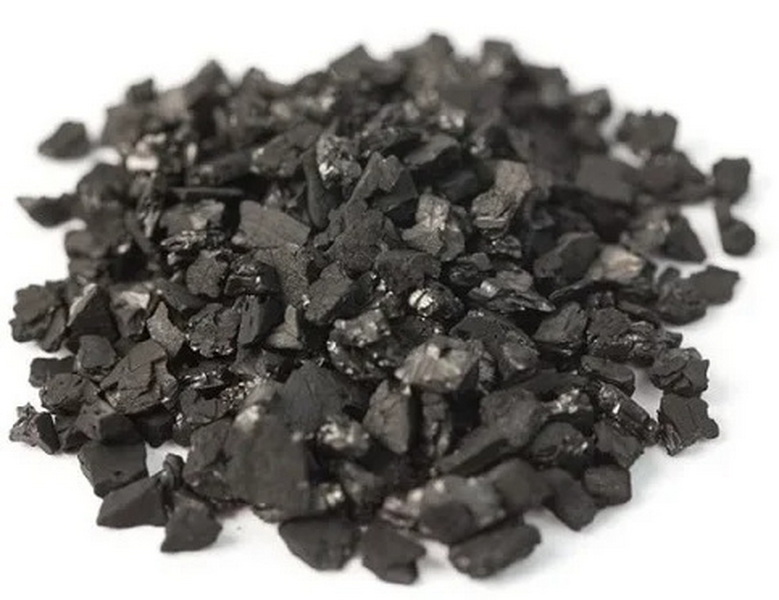
- Granular activated carbon (GAC) is the most common type for aquarium filters and media bags because it balances flow, surface area, and ease of rinsing.
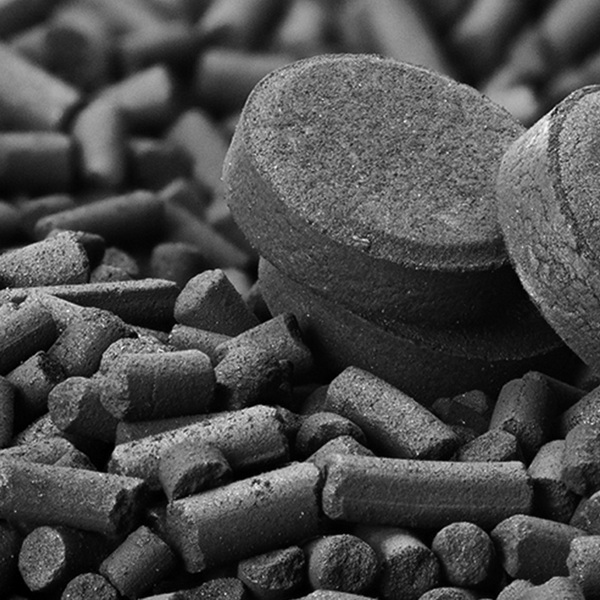
- Pellet and specialty activated carbon products are often used in reactors or high‑flow systems and may have different recommended dosages and lifespans.
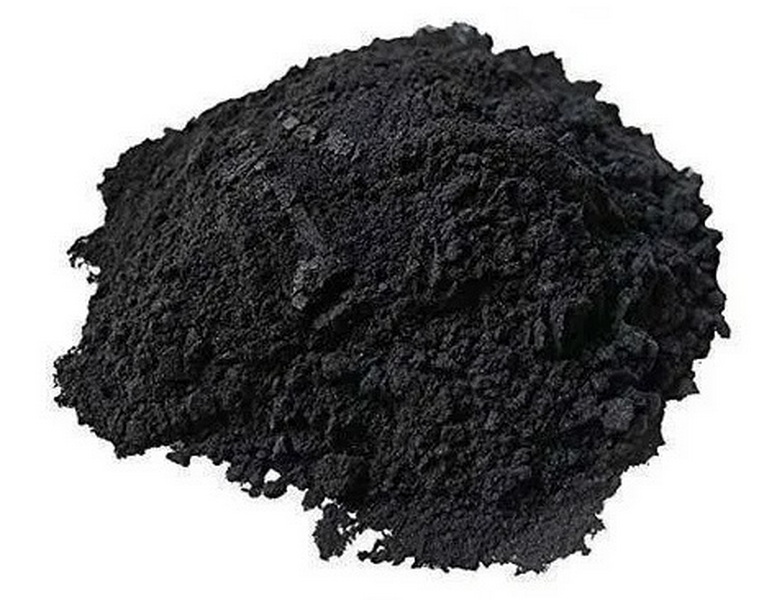
- Powdered activated carbon is usually used in short‑term treatments or dosing systems and is not as convenient for long‑term use inside small aquarium filters.
Tools and Materials You Need
Before adding activated carbon to an aquarium, gather all the necessary tools so the process goes smoothly and safely for fish. Proper containment and rinsing of activated carbon are crucial steps to prevent dust clouds and to ensure efficient water contact with the carbon.
- High‑quality activated carbon product suitable for aquariums, preferably granular activated carbon.
- Fine mesh media bag or cartridge designed to hold activated carbon inside a filter without letting granules escape into the aquarium water.
- Bucket or container of clean tap water or dechlorinated water to rinse the activated carbon before placing it into the aquarium filter.
- Access to your aquarium filter compartment, sump, hang‑on‑back filter, internal filter, or canister filter where activated carbon will be placed.
- Optional: disposable gloves and a small scoop to handle activated carbon if you want to keep hands clean.
Step‑by‑Step: How to Add Activated Carbon to Aquarium
Adding activated carbon to an aquarium is simple, but each step matters for performance and fish safety. The basic process is to measure the activated carbon, place it in a media bag, rinse it thoroughly, and then place the bag in a high‑flow area of the filter where water is forced through the activated carbon.
1. Measure the required amount of activated carbon according to the product label or filter manufacturer's guideline for your tank size.
2. Pour the activated carbon into a fine mesh media bag and close it securely so no activated carbon granules can escape into the aquarium.
3. Rinse the activated carbon in the media bag under running water or in a bucket, gently stirring until the water runs mostly clear and visible dust is removed.
4. Turn off the filter or pump temporarily, then place the activated carbon media bag into the designated filter chamber, sump section, or high‑flow area of your aquarium system.
5. Restart the filter or pump, check that water is flowing strongly through or around the activated carbon bag, and monitor your aquarium water for clarity and any unusual behavior from fish.
For many hang‑on‑back filters, the activated carbon media bag is placed behind or under the main filter pad so that water first passes through mechanical media, then through the activated carbon. In canister filters, activated carbon is often placed in a tray or basket dedicated to chemical media, after sponges and before or after biological media depending on the design.
Where to Place Activated Carbon in the Filter
The placement of activated carbon inside the aquarium filter strongly affects how efficiently it removes contaminants from the water. Activated carbon should always be located where water is actively forced through it, not just sitting motionless in a corner of the tank.
- In hang‑on‑back, internal, or canister filters, activated carbon is usually placed after mechanical media (sponges or filter floss) so that debris is removed before water reaches the carbon.
- In sumps or all‑in‑one aquariums, activated carbon in a media bag can be hung or placed in a high‑flow chamber where water continuously passes through it rather than stagnant areas.
- In reef aquariums and large systems, activated carbon may be run in a dedicated reactor where water is pumped upward through the activated carbon column for maximum contact.
Good water flow is crucial because activated carbon removes contaminants only from the water that touches its surface. If water bypasses the media bag or flows weakly around it, much of the activated carbon will remain underused while contaminants continue circulating in the aquarium.
Why Rinsing Activated Carbon Is Important
Brand‑new activated carbon contains fine dust and powder that can cloud aquarium water if not rinsed away before use. Thorough rinsing also pushes air out of the activated carbon pores and helps water enter them, which improves adsorption once the carbon is placed in the aquarium filter.
- New activated carbon should be rinsed until the water from the media bag runs significantly clearer, even if it is not perfectly transparent.
- Rinsing activated carbon in tap water or dechlorinated water is widely practiced and does not harm the carbon for typical aquarium use when done briefly.
- For sensitive reef tanks, many aquarists prefer to rinse activated carbon in RO/DI water to avoid introducing extra minerals or chlorine during the rinsing step.
If you skip rinsing, the dust from activated carbon can temporarily make the aquarium look dirty and may irritate fish gills, especially in small tanks with limited water volume. Rinsed activated carbon is cleaner, sinks faster, and begins working more predictably in the aquarium filter.
How Much Activated Carbon to Use
There is no single universal dosage for activated carbon in every aquarium, but many practical guidelines exist. Manufacturers often suggest a specific number of grams or cups of activated carbon per gallon or per 50–55 gallons of aquarium water.
- A common starting point for many hobby products is around 0.5–1 cup of granular activated carbon per 50 gallons of aquarium water.
- For small tanks, hobbyists often use a few tablespoons of activated carbon per 10 gallons, adjusting based on water color, smell, and sensitivity of fish or corals.
- High‑quality activated carbon with more surface area may require a smaller quantity to achieve the same effect compared with lower‑grade carbon.
The goal is to use enough activated carbon to polish the water without completely overstripping trace elements or occupying too much space that could be used for biological media. If you are unsure, start with the lower end of the recommended range and increase the amount of activated carbon only if water clarity and odor are not improving as desired.
How Long Activated Carbon Lasts in Aquarium
Activated carbon does not work forever because its pores gradually become filled with the substances it adsorbs from the aquarium water. Most aquarium guides suggest replacing activated carbon every 2–4 weeks, although heavily stocked or heavily discolored tanks may exhaust activated carbon faster.
- In lightly stocked freshwater aquariums, many hobbyists replace activated carbon once a month as part of regular maintenance.
- In reef aquariums or tanks recovering from medications, higher contaminant loads may require changing activated carbon every 2–3 weeks.
- When water begins to look yellow, smell musty, or lose the “polished” sparkle, the existing activated carbon is likely saturated and should be replaced.
Activated carbon does not usually release the trapped contaminants back into the water when exhausted; it simply stops adsorbing new ones. However, relying on old, exhausted activated carbon provides no benefit and can reduce space for other essential filter media.
Safety Tips When Using Activated Carbon
Activated carbon is generally safe for aquarium fish and plants when used correctly, but a few precautions protect both livestock and filtration performance.
- Remove or bypass activated carbon when dosing medications that specifically warn against use with chemical media, or when you want plant fertilizers and certain additives to remain in the water column.
- Avoid overfilling small filters with activated carbon at the expense of biological media, because beneficial bacteria on ceramic rings or sponges are vital for controlling ammonia and nitrite.
- Do not crush activated carbon granules into powder, as this increases dust and can clog filter pads more quickly.
- Always keep activated carbon in a secure media bag or cartridge so loose pieces do not enter impellers, pumps, or the mouths of curious fish.
Used activated carbon can be disposed of in household trash, but allow it to dry in the media bag first to avoid drips and smell. Some advanced users employ spent activated carbon in non‑aquarium odor control applications, but for most hobbyists, simple disposal is sufficient.
Common Mistakes to Avoid When Adding Activated Carbon
Even though using activated carbon in an aquarium is straightforward, several common mistakes can reduce its benefits or cause confusion about its real role.
- Relying on activated carbon instead of proper water changes, biological filtration, and stocking control can lead to long‑term water quality problems.
- Leaving the same activated carbon in the filter for many months and expecting it to keep working indefinitely is unrealistic, because adsorption capacity is finite.
- Sprinkling loose activated carbon directly into the aquarium without a media bag can make the substrate and decorations dirty and difficult to clean.
- Assuming activated carbon will remove ammonia, nitrite, or nitrate can create a dangerous false sense of security; those parameters must be controlled with biological media, live plants, and water changes.
Understanding what activated carbon can and cannot do helps aquarists integrate it correctly as one component of a balanced filtration strategy.
Conclusion
Activated carbon is a powerful, flexible chemical filtration media that helps keep aquarium water clear, odor‑free, and visually attractive when placed correctly in the filter and maintained on a regular replacement schedule. By choosing the right activated carbon product, rinsing it thoroughly, placing it in a high‑flow area after mechanical media, dosing an appropriate amount, and changing it every few weeks, aquarists can integrate activated carbon into a stable filtration system that protects fish and plants while supporting long‑term water quality in the aquarium.
Contact us to get more information!
FAQ About Adding Activated Carbon to Aquarium
(1) How much activated carbon should I add to my aquarium filter?
The ideal amount of activated carbon depends on the aquarium size and the specific product instructions, but many guidelines suggest a few tablespoons per 10 gallons or dedicated doses such as around 0.5–1 cup per 50–55 gallons. Always prioritize the manufacturer's recommended dosage for that particular activated carbon and adjust based on water clarity, fish load, and how sensitive your livestock is to rapid changes.
(2) Can I just drop activated carbon directly into the aquarium?
Activated carbon should always be contained in a media bag, cartridge, or dedicated reactor rather than poured loosely into the aquarium, because free granules can scatter, clog equipment, and be swallowed by fish. Keeping activated carbon in a fine mesh bag or cartridge also makes it easy to remove, rinse, and replace while ensuring water flows efficiently through the activated carbon in the filter instead of around it.
(3) Do I need to rinse activated carbon before adding it?
New activated carbon should be rinsed thoroughly before going into the aquarium filter to remove dust that would otherwise cloud the water. Rinsing also forces water into the pores of the activated carbon, which improves performance once it is placed under flow inside the aquarium filtration system and helps prevent temporary irritation of fish gills.
(4) Where in the filter should activated carbon be placed?
Activated carbon works best when placed after mechanical media, such as sponges or filter floss, so that debris is removed before water passes through the chemical media stage. In canisters, hang‑on‑back filters, and sumps, activated carbon in a mesh bag should sit in a high‑flow area where water is forced through or across the carbon rather than being left in a low‑flow corner of the aquarium with weak circulation.
(5) How often should I change activated carbon in my aquarium?
Most aquarium sources recommend changing activated carbon every 2–4 weeks, depending on fish load, feeding habits, and how quickly the water becomes discolored or develops odors. If the aquarium water starts to look yellow, smell musty, or lose the polished look, it usually means the current activated carbon has become saturated and should be replaced with fresh media in the filter.
Citations:
1. https://activatedcarbondepot.com/blogs/news/activated-carbon-for-aquariums-a-complete-guide
2. https://www.aquaticexperts.com/pages/activated-carbon-in-your-aquarium
3. https://www.bulkreefsupply.com/content/post/5-minute-saltwater-aquarium-guide-ep23-carbon
4. https://www.ratemyfishtank.com/blog/using-carbon-in-a-freshwater-aquarium
5. https://www.mantasystems.net/a/blog/post/activated-carbon
6. https://www.swelluk.com/help-guides/how-long-does-carbon-last-in-an-aquarium-filter/
7. https://www.aquariumcoop.com/blogs/faqs/do-i-need-carbon-in-my-aquarium-filter
8. https://www.youtube.com/watch?v=7-uFSc0mYYg
9. https://www.youtube.com/watch?v=jm6bOaOmJGs
10. https://www.youtube.com/watch?v=e47HJvyUdoU


