Content Menu
● What Activated Carbon Does in an Aquarium
● General Rules: How Often to Change Activated Carbon
● Factors That Affect Activated Carbon Replacement Frequency
>> Tank bio‑load and feeding
>> Tank size and water volume
>> Amount and grade of activated carbon
>> Water clarity goals and aesthetics
>> Special events: medications, tannins, and algae blooms
● Typical Replacement Intervals for Different Aquarium Types
>> Freshwater community aquariums
>> Planted freshwater aquariums
>> Saltwater and reef aquariums
>> Specialized and high‑load systems
● Practical Signs It Is Time to Change Activated Carbon
● How Much Activated Carbon to Use
● Step‑by‑Step: Changing Activated Carbon in Aquarium Filters
● Risks of Not Changing Activated Carbon on Time
● Recommended Replacement Schedules at a Glance
● Tips for Using Activated Carbon Effectively
● Conclusion
● FAQ: How Often to Change Activated Carbon in Aquarium
>> 1. How often should I change activated carbon in a normal freshwater aquarium?
>> 2. Do I need to use activated carbon in my aquarium all the time?
>> 3. Can old activated carbon harm my fish if I forget to replace it?
>> 4. Should I remove activated carbon when using medications or water treatments?
>> 5. How can I tell if my activated carbon is exhausted if the water still looks clear?
● Citations:
Activated carbon is one of the most widely used filtration media in home and professional aquariums, but it does not last forever and must be replaced regularly to keep water clear, odor‑free, and safe for aquatic life. In most aquariums, activated carbon is changed every 2–4 weeks, but the exact schedule depends on tank size, stocking level, water quality, and the grade and dosage of activated carbon used. Understanding how activated carbon works, how quickly it becomes saturated, and how to recognize the signs of exhaustion is essential for building a smart maintenance routine.
What Activated Carbon Does in an Aquarium
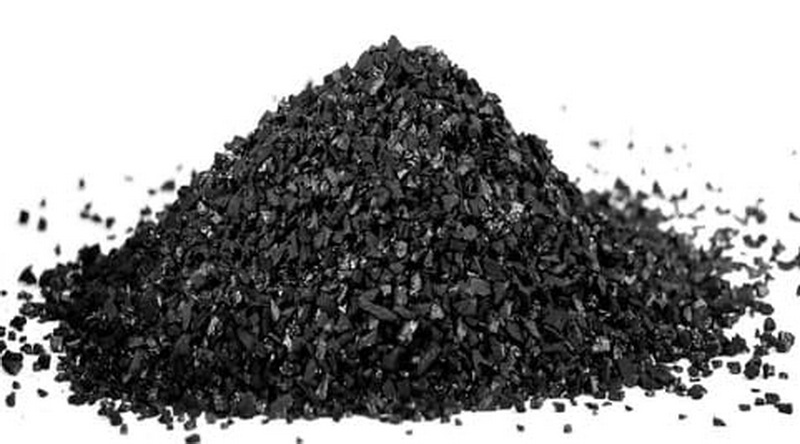
Activated carbon is a highly porous carbon material with an enormous internal surface area that adsorbs dissolved organic compounds, tannins, phenols, medication residues, and many other microscopic pollutants from aquarium water. By trapping these contaminants in its pore structure, activated carbon helps keep the water crystal clear, reduces yellow or brown discoloration, and removes many sources of unpleasant odors.
In aquarium filtration, activated carbon is considered a form of chemical filtration that works alongside mechanical media (sponges, pads, filter floss) and biological media (ceramic rings, bio‑balls, porous blocks). Mechanical media physically trap debris, biological media host beneficial bacteria that process ammonia and nitrite, while activated carbon focuses on invisible dissolved substances that cannot be removed by simple straining. In both freshwater and marine systems, activated carbon is widely used to “polish” the water and improve clarity and overall viewing experience.
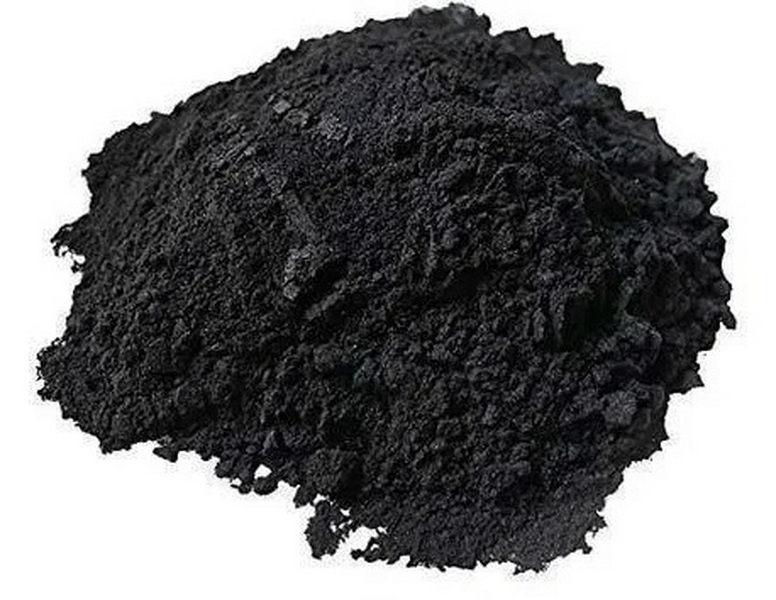
Most aquarium products supply activated carbon as loose granules (GAC), pellets, or pre‑filled filter bags and cartridges. This makes it easy for aquarists to place activated carbon in hang‑on‑back filters, internal power filters, canister filters, and sump filter chambers. The flexibility of activated carbon dosage and placement allows it to be tailored to many different aquarium designs and water quality goals.
General Rules: How Often to Change Activated Carbon
There is no single universal replacement interval that fits every aquarium, but several practical guidelines are accepted across the hobby:
- Many manufacturers and aquarium experts recommend changing activated carbon roughly once a month in typical home aquariums.
- A widely used rule of thumb is to change activated carbon every 2–4 weeks, especially in tanks with moderate to high organic load or whenever top‑tier water clarity is desired.
- In lightly stocked aquariums with very good mechanical and biological filtration, activated carbon can sometimes remain effective slightly longer, but its adsorption capacity still declines steadily.
Because most of the adsorption activity of activated carbon occurs within the first week or two and then slows as pores fill up, many aquarists prefer to stay closer to the 3‑week mark rather than stretching the media far beyond a month. On the other hand, constantly replacing activated carbon every few days is usually unnecessary and can become expensive. A fixed, realistic schedule such as changing activated carbon every 3 or 4 weeks works well for many tanks and helps maintain consistent water quality.
Factors That Affect Activated Carbon Replacement Frequency
The optimal schedule for changing activated carbon depends on how quickly it becomes saturated with contaminants in a specific system. The following factors have the biggest impact on replacement frequency.
Tank bio‑load and feeding
Bio‑load refers to the amount of organic waste produced by fish, invertebrates, and leftover food. Heavily stocked tanks with large or messy fish, frequent feeding, or poor maintenance generate more dissolved organics. In such conditions, activated carbon saturates faster because it has to adsorb more compounds.
- Heavily stocked freshwater tanks often require changing activated carbon every 2–3 weeks.
- Lightly stocked tanks with careful feeding can often follow a 3–4 week schedule without noticeable decline in clarity.
Tank size and water volume
Smaller aquariums with limited water volume can experience rapid changes in water chemistry, especially if the amount of activated carbon used is minimal. Because the same amount of pollution has less water to dilute it, activated carbon in small tanks may reach capacity sooner. Larger systems, when dosed with enough activated carbon, may maintain performance for a bit longer, but they still benefit from regular monthly changes.
Amount and grade of activated carbon
The quantity and quality of activated carbon used are critical:
- Using more activated carbon increases the total adsorption capacity and may extend the effective service interval.
- High‑quality activated carbon with a high surface area and appropriate pore size distribution can work more efficiently and may maintain performance longer than low‑grade carbon.
However, even a large amount of high‑grade activated carbon should not be left in the filter indefinitely. Once saturated, it stops contributing to chemical filtration and may trap fine particles and biofilm that can reduce flow. A practical approach is to use the recommended dosage for your tank size, then replace that activated carbon on a regular schedule.
Water clarity goals and aesthetics
Display tanks, aquascapes, show tanks, and reef aquariums where water clarity is a major aesthetic priority often require tighter control over dissolved substances. In such systems, aquarists may choose to change activated carbon a little more frequently to keep water looking exceptionally clear, even if some capacity might remain.
Special events: medications, tannins, and algae blooms
Certain events can dramatically increase the load on activated carbon:
- After medication treatments, activated carbon is often used to remove residual drugs from the water column. In this situation, the carbon can become saturated quickly and is usually replaced soon after.
- Tanks with driftwood or botanicals that release heavy tannins can cause activated carbon to fill up faster while it removes brown tint.
- After significant algae blooms or other water quality problems, a fresh charge of activated carbon may exhaust more quickly than usual.
In all these cases, it is wise to treat activated carbon as a short‑term tool and change it earlier than the usual schedule.
Typical Replacement Intervals for Different Aquarium Types
Different aquarium categories place different demands on activated carbon. Adjusting replacement frequency to each type helps maintain stable, clear water.
Freshwater community aquariums
Most tropical community tanks with moderate stocking and regular water changes can follow a 3–4 week activated carbon replacement interval. This aligns well with monthly filter cleaning and partial water changes. For such tanks, activated carbon acts as an extra polishing step rather than the primary source of filtration. Heavily stocked community tanks or those with messy feeders may benefit from a 2–3 week schedule.
Planted freshwater aquariums
Many planted tank keepers are cautious with continuous use of activated carbon because it can adsorb certain trace elements and nutrients that plants rely on. For this reason, planted aquariums often use activated carbon:
- Only temporarily after medications or chemical accidents.
- Short‑term to clear tannins or color after new wood is added.
When used, activated carbon in planted tanks is typically run for 2–4 weeks and then removed or replaced. In many high‑tech aquascapes, aquarists rely on water changes, mechanical filtration, and biological stability rather than long‑term activated carbon.
Saltwater and reef aquariums
Marine and reef tanks frequently use high‑quality activated carbon to remove yellowing compounds, dissolved organics, and contaminants that can affect coral health and light penetration. A common recommendation for reef systems is to change activated carbon every 2–4 weeks. Some reef keepers prefer smaller amounts of activated carbon changed more often, such as every 2 weeks, to keep water exceptionally clear and avoid sudden shifts in water chemistry.
Specialized and high‑load systems
Systems with large predatory fish, high feeding regimes, or heavy nutrient loads can saturate activated carbon rapidly. In these environments, changing activated carbon every 2 weeks, or even more frequently, may be appropriate. Regular observation of water color and odor helps fine‑tune the schedule.
Practical Signs It Is Time to Change Activated Carbon
While time‑based schedules are useful, certain signs in the aquarium provide clear warnings that activated carbon has reached or is nearing exhaustion.
- Yellow or brown water tint
When dissolved organic compounds and tannins build up, the water often takes on a yellow or tea‑colored tint. Comparing tank water in a white bucket against fresh tap or RO water can highlight the color change. If this tint returns after a period of clear water, it is a strong sign that the activated carbon is full.
- Unpleasant odors
An established aquarium with good mechanical and biological filtration should not smell strongly. If a noticeable “tanky” or rotten odor appears and basic maintenance is up to date, spent activated carbon may no longer be removing odor‑causing molecules. Replacing activated carbon often restores a neutral smell.
- Reduced water clarity or “haze”
Slight cloudiness or haze not related to bacterial blooms or stirred‑up debris can indicate that dissolved substances and fine particles are no longer being removed effectively. A fresh portion of activated carbon usually helps restore clarity.
- Routine time interval reached
Even if water appears acceptable, changing activated carbon at the planned 2–4 week interval prevents any hidden saturation issues. Treating activated carbon as a consumable, like filter pads that eventually clog, is a safer approach than leaving it indefinitely.
By combining these visual and sensory checks with a fixed interval, aquarium owners can manage activated carbon more confidently and avoid unnecessary risks.
How Much Activated Carbon to Use
How often to change activated carbon is tightly linked to how much activated carbon is used in the first place. Under‑dosing the media can cause it to saturate quickly, while extreme over‑dosing may be wasteful.
Common dosing guidelines include:
- Around 0.5–1 cup of granular activated carbon for every 50 gallons (about 190 liters) of aquarium water.
- Roughly 100–200 grams of activated carbon for each 100 liters of water, depending on organic load and clarity goals.
If the aquarium is particularly dirty, recently medicated, or heavily stained with tannins, many aquarists temporarily increase the amount of activated carbon. Once the water has cleared and conditions have stabilized, they return to a more moderate dosage and continue with the regular replacement schedule. Using enough activated carbon ensures that a 2–4 week interval provides consistent performance rather than rapid saturation.
Step‑by‑Step: Changing Activated Carbon in Aquarium Filters
Replacing activated carbon is usually straightforward and can be combined with routine maintenance such as water changes and sponge cleaning.
1. Turn off the filter and unplug equipment
Always disconnect power to the filter before opening it. This prevents accidental spills, electrical hazards, and damage to the pump.
2. Open the filter and remove old activated carbon
Gently remove media bags, cartridges, or baskets containing the old activated carbon. Try not to shake debris back into the tank. Place the old media in a container or bag for disposal.
3. Rinse mechanical media in tank water
Sponges and pads can be rinsed in a bucket of aquarium water to remove trapped debris while preserving beneficial bacteria. Avoid using chlorinated tap water for this step to protect the bio‑filter.
4. Prepare fresh activated carbon
Measure the recommended amount of activated carbon for your aquarium volume. If using loose granules, pour them into a fine mesh media bag or appropriate filter tray.
5. Rinse new activated carbon
Briefly rinse the fresh activated carbon under running water or in a bucket to remove fine dust that could temporarily cloud the aquarium. Do not over‑agitate the media, as excessive abrasion can create more fines.
6. Reassemble the filter
Place mechanical media first in the flow path, followed by activated carbon, and then biological media if your filter design allows. This arrangement permits mechanical media to trap debris before water reaches the activated carbon, keeping the carbon cleaner and more effective.
7. Restore power and check operation
Plug in the filter and confirm that normal flow has resumed. Check that no loose bits of activated carbon are escaping into the tank and that water is circulating properly through the media.
Performing this procedure every 2–4 weeks, or according to your customized schedule, keeps activated carbon active and ensures chemical filtration remains an effective part of your overall system.
Risks of Not Changing Activated Carbon on Time
Leaving activated carbon in the filter long after it has lost its adsorption capacity can undermine water quality and cause subtle problems.
- Loss of adsorption capacity
Exhausted activated carbon no longer traps dissolved organics, so yellow tint, odors, and other issues gradually return. The media may still look dark and solid, but its microscopic pores are filled.
- Potential release of adsorbed substances
There is ongoing debate about whether old activated carbon can leach previously adsorbed compounds back into the water, especially if conditions change. While hard data is limited, the safest approach is to avoid extreme overuse and follow a sensible replacement schedule.
- Reduced filter efficiency and flow
Very old activated carbon can accumulate fine particles and biofilm on its surface, effectively becoming a clogged mechanical medium. This can reduce water flow and lower the overall effectiveness of the filter, putting stress on fish and beneficial bacteria.
By treating activated carbon as a consumable and replacing it at regular intervals instead of leaving it indefinitely in the filter, aquarists significantly reduce these risks.
Recommended Replacement Schedules at a Glance
Below is a concise view of how often to change activated carbon in different aquarium scenarios:
- Standard freshwater community tank: change activated carbon every 3–4 weeks.
- Heavily stocked freshwater tank: change activated carbon every 2–3 weeks.
- Planted freshwater aquascape: use activated carbon short‑term, typically 2–4 weeks, mainly after medications or to clear tannins.
- Saltwater or reef aquarium: change activated carbon every 2–4 weeks, often on a set schedule.
- After medication or algae bloom: replace activated carbon early, sometimes within 1–2 weeks, to remove concentrated residues.
- Low‑bio‑load, lightly stocked tank: with careful monitoring, activated carbon may last up to 4–6 weeks, but visual checks and odor tests are important.
These guidelines serve as a starting point. Each aquarium is unique, so you should adjust how often to change activated carbon based on your own observations of water clarity, smell, livestock behavior, and test results.
Tips for Using Activated Carbon Effectively
To get the best results from activated carbon in your aquarium, consider the following practical tips:
- Use high‑quality, aquarium‑grade activated carbon from reputable suppliers rather than unknown industrial products.
- Avoid crushing or grinding activated carbon, as this creates excess dust and reduces effective particle size.
- Ensure good water flow through the activated carbon by placing it where filter current is strong, but do not pack it so tightly that water bypasses the media.
- Do not rely on activated carbon to solve fundamental problems such as overstocking, poor maintenance, and inadequate biological filtration.
- Keep a log or schedule so you know exactly when the activated carbon was last replaced, making it easier to follow a consistent routine.
Combined with regular water changes, good feeding practices, and sound mechanical and biological filtration, activated carbon is a powerful tool for maintaining a healthy, attractive aquarium.
Conclusion
Activated carbon plays a key role in many aquariums by removing dissolved organics, tannins, odors, and residual chemicals that mechanical and biological filtration cannot address. To keep activated carbon working effectively, it must be replaced at regular intervals instead of being left in the filter indefinitely. For most aquariums, changing activated carbon every 2–4 weeks is a reliable starting point, with heavily stocked or sensitive systems often benefiting from more frequent replacement and lightly stocked tanks sometimes stretching toward the longer end of the range.
By paying attention to water color, clarity, odor, and livestock behavior, and by following a clear maintenance schedule for activated carbon, aquarists can maintain stable water quality and a visually stunning display. When in doubt, it is generally better to change activated carbon a bit early than to allow exhausted media to sit in the filter where it no longer contributes to safe, clean aquarium water.
Contact us to get more information!

FAQ: How Often to Change Activated Carbon in Aquarium
1. How often should I change activated carbon in a normal freshwater aquarium?
In a typical freshwater community tank with moderate stocking and regular water changes, you can change activated carbon every 3–4 weeks. This schedule provides a good balance between cost and performance, keeping water clear and odor‑free without wasting still‑active media. Heavily stocked tanks, messy feeders, or tanks that show yellow tint or odors earlier may need a 2–3 week interval instead.
2. Do I need to use activated carbon in my aquarium all the time?
Continuous use of activated carbon is not strictly necessary for every aquarium, and many healthy setups run successfully without it, especially heavily planted tanks. Activated carbon is extremely useful for specific tasks such as removing medications, clearing discoloration from tannins or dyes, and polishing water before events or photography. Whether you use activated carbon all the time or only occasionally depends on your filtration design and water quality goals.
3. Can old activated carbon harm my fish if I forget to replace it?
Forgetting a single replacement is unlikely to immediately kill fish, but old activated carbon stops adsorbing dissolved organics, so water quality can gradually degrade. Over time, this can lead to increased stress on fish due to higher levels of dissolved waste and possible odor or color issues. In extreme cases, very old carbon that restricts flow or accumulates debris may indirectly harm livestock by reducing overall filter efficiency. Sticking to a regular schedule prevents these problems.
4. Should I remove activated carbon when using medications or water treatments?
Yes, in most cases you should remove activated carbon from the filter when dosing medications, water conditioners designed to remain active, or certain additives. Activated carbon can adsorb the active ingredients and make the treatment less effective. After the treatment period is over and partial water changes have been completed, you can install fresh activated carbon to help remove any remaining residues from the water.
5. How can I tell if my activated carbon is exhausted if the water still looks clear?
Clear water does not necessarily mean the water is free of dissolved contaminants, so appearance alone is not a perfect indicator. The best approach is to follow a consistent replacement schedule of 2–4 weeks based on your tank conditions, while also monitoring for early signs such as developing yellow tint, new odors, or subtle haze. Comparing a sample of aquarium water in a white bucket with fresh tap or RO water can help reveal a slight tint that may not be obvious when looking directly into the tank.
Citations:
1. https://www.aquaticexperts.com/pages/activated-carbon-in-your-aquarium
2. https://www.swelluk.com/help-guides/how-long-does-carbon-last-in-an-aquarium-filter/
3. https://www.aquariumcoop.com/blogs/faqs/how-long-does-aquarium-filter-media-last
4. https://activatedcarbondepot.com/blogs/news/activated-carbon-for-aquariums-a-complete-guide
5. https://www.mantasystems.net/a/blog/post/activated-carbon
6. https://water.co.id/en/artikel/how-to-use-activated-carbon-in-aquariums-and-koi-ponds
7. https://aquariumscience.org/index.php/7-4-2-activated-carbon/
8. https://tanninaquatics.com/blogs/the-tint-1/yeah-you-can-use-carbon
9. https://www.reddit.com/r/Aquariums/comments/40r63n/how_often_should_i_replace_the_activated_carbon/
10. https://www.youtube.com/watch?v=O3xxx44sjLo


