Content Menu
● What is granular activated carbon?
● How granular activated carbon works
● Key properties that affect “how much granular activated carbon” you need
● Typical uses of granular activated carbon
● Design concepts: from dosage to bed volume
● How much granular activated carbon for water treatment?
● How much granular activated carbon for air and gas purification?
● Using bulk density to calculate how much granular activated carbon you need
● Practical examples of “how much granular activated carbon”
● Operational factors that change how much granular activated carbon you use
● Safety and regulatory considerations
● How a professional manufacturer can help
● Conclusion
● FAQs about granular activated carbon
>> FAQ 1: How is granular activated carbon different from powdered activated carbon?
>> FAQ 2: How is the amount of granular activated carbon for a new filter estimated?
>> FAQ 3: How often should granular activated carbon be replaced?
>> FAQ 4: Can spent granular activated carbon be regenerated?
>> FAQ 5: What information should be provided to size a granular activated carbon system?
● Citations:
Granular activated carbon is one of the most versatile and effective adsorption media for water treatment, air and gas purification, and many other industrial processes. Knowing how much granular activated carbon (GAC) you actually need is critical for performance, cost control, and system design.[1][2][3]
What is granular activated carbon?
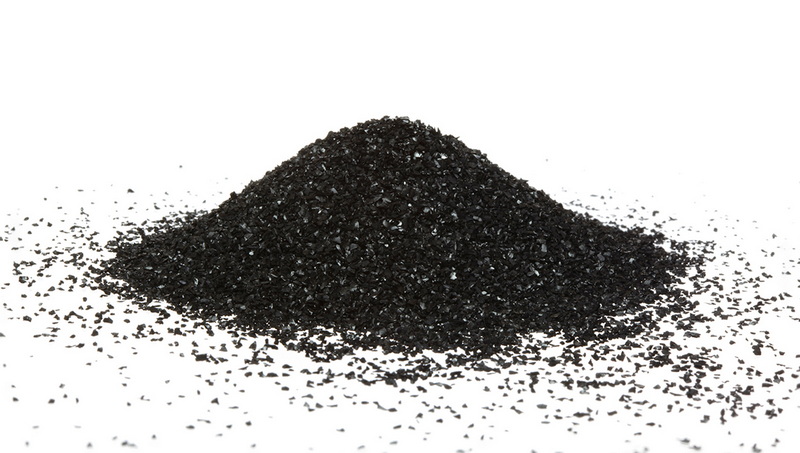
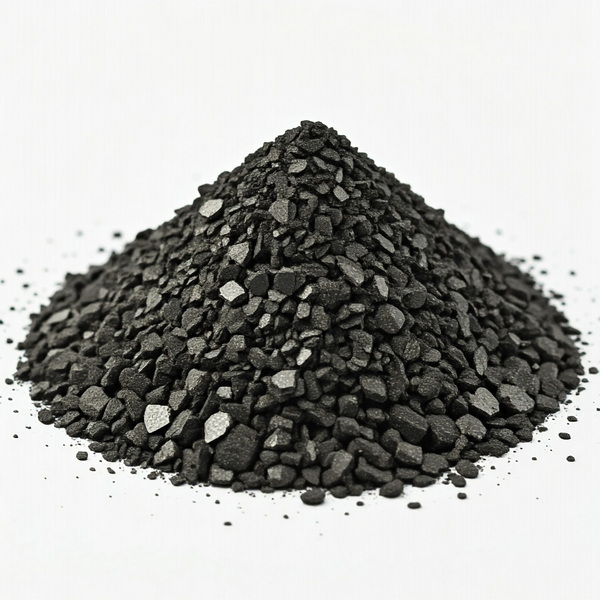
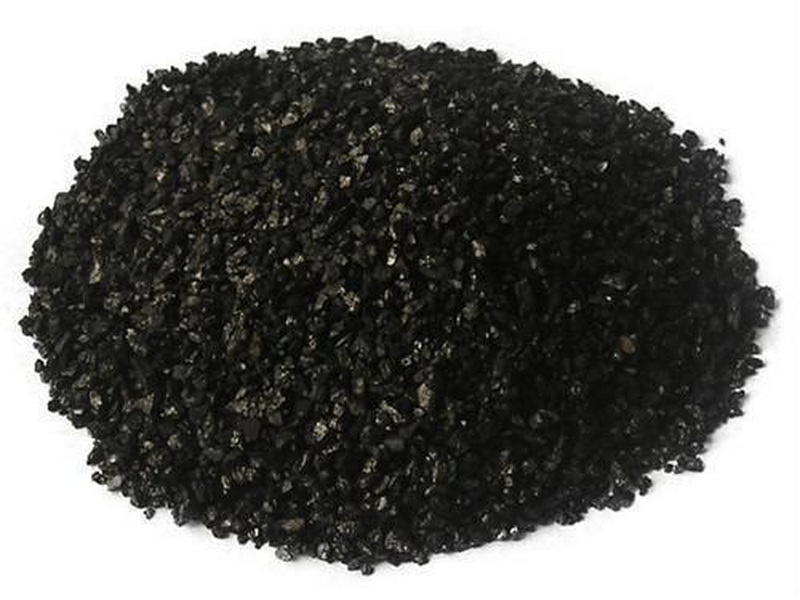
Granular activated carbon is an adsorbent made from carbon-rich raw materials (such as coal, coconut shell, or wood) that are processed to create a highly porous structure with enormous internal surface area. In granular form, the particles typically range from about 0.5 to several millimeters, making them suitable for fixed beds, columns, and filter vessels.[4][5][1]
Because of its huge internal surface area—often over thousands of square meters per gram—granular activated carbon can capture a wide variety of organic molecules, taste and odor compounds, and certain inorganic contaminants from liquids and gases. This is why granular activated carbon is widely applied in drinking water treatment, wastewater polishing, air and vapor treatment, food and beverage processing, and pharmaceutical purification.[2][5][1]
How granular activated carbon works
Granular activated carbon works primarily through physical adsorption, where molecules diffuse into the pores and are held on the carbon surface by Van der Waals forces. The pore size distribution (micropores, mesopores, macropores) determines which molecules can be effectively captured in a given application.[5][1]
In addition to physical adsorption, granular activated carbon can be tailored for chemisorption and catalytic reactions by modifying the surface chemistry, which is important for removing specific pollutants like sulfur compounds or certain oxidized organics. Over time, the adsorption sites fill up, and the granular activated carbon bed becomes exhausted and must be replaced or thermally reactivated.[6][7][1][2]
Key properties that affect “how much granular activated carbon” you need
Several measurable properties help determine how much granular activated carbon is required for a given duty:
- Bulk (apparent) density: Typical bulk density of granular activated carbon is around 0.4–0.6 g/cm³, which corresponds roughly to 400–600 kg/m³. This property lets engineers convert between carbon mass and bed volume when sizing filters or adsorbers.[8][9][7]
- Surface area and activity: Activated carbons often have specific surface areas of up to several thousand m²/g, and higher activity (for example, specific iodine or CTC numbers) typically means less mass is required to achieve a target contaminant removal.[1][5]
- Particle size distribution: Granular activated carbon grades such as 8×30, 12×40, or 20×50 mesh balance adsorption rate against pressure drop; smaller particles give faster kinetics but higher headloss, while larger particles give lower pressure drop but may require deeper beds.[10][4]
- True density: The solid (skeletal) density of activated carbon is generally about 2.0–2.2 g/cm³ but is mainly used for material characterization, while bulk density is more relevant to “how much granular activated carbon” is required in practice.[9][5]
Typical uses of granular activated carbon
Granular activated carbon is widely used in:
- Drinking water treatment: To remove organic chemicals, taste, odor, disinfection by‑product precursors, and emerging contaminants such as PFAS. Granular activated carbon contactors are often designed with specific bed depths and empty bed contact times to meet performance goals.[3][2][6]
- Industrial wastewater and process water: To polish effluents or recycle process streams by removing dissolved organics and color.[7][1]
- Air and gas purification: To capture VOCs, odors, and hazardous air pollutants in fixed-bed filters or canisters filled with granular activated carbon.[7][1]
- Food, beverage, and pharmaceutical applications: To decolorize liquids, remove off-flavors, and achieve high purity where granular activated carbon offers a regenerable and controllable adsorption step.[1][7]
In each of these cases, the central question for designers and users is “how much granular activated carbon” is needed to achieve the required removal efficiency at acceptable operating cost.[2][3]
Design concepts: from dosage to bed volume
When engineers answer “how much granular activated carbon” is required, they usually think in terms of:
- Carbon usage rate (CUR): Mass of granular activated carbon used per volume of water or gas treated, such as mg GAC per liter of water. Lower carbon usage rates indicate more efficient treatment.[11][12]
- Empty bed contact time (EBCT): The theoretical residence time of the fluid in the granular activated carbon bed, calculated as bed volume divided by flow rate. EBCT is a primary parameter for sizing GAC contactors in drinking water systems.[4][3][2]
- Bed depth and breakthrough curve: Contaminant breakthrough is monitored to determine how long a given volume of granular activated carbon remains effective and when changeout is required.[3][2]
In practice, “how much granular activated carbon” is chosen by balancing target contaminant removal, required runtime before breakthrough, and allowable capital and operating cost.[2][3]
How much granular activated carbon for water treatment?
For drinking water treatment, regulatory agencies and engineering guidelines emphasize that the granular activated carbon system must be sized based on contaminant type, concentration, and required removal efficiency. Designers often use EBCT values in the range of several minutes up to around 10–20 minutes for challenging contaminants, combined with sufficient bed depth.[13][6][2]
Studies of PFAS and other persistent organic pollutants show that a carbon usage rate threshold (for example, less than about 25 mg GAC per liter of water) is sometimes used as an indicator of economically feasible granular activated carbon treatment. Actual design values vary widely, so pilot testing or modeling is usually recommended before finalizing “how much granular activated carbon” should be installed.[11][3]
In point‑of‑use or small point‑of‑entry GAC filters, the amount of granular activated carbon is typically limited by cartridge dimensions, and performance is then expressed in terms of volume of water treated before breakthrough rather than in a universal dosage number.[6][4]
How much granular activated carbon for air and gas purification?
In air and gas treatment, the required amount of granular activated carbon depends on the vapor concentration, gas flow rate, temperature, and breakthrough criteria. Systems are usually designed with fixed beds of a given volume, and the bed life is predicted from adsorption isotherms, mass transfer zone length, and expected loading.[7][1]
Granular activated carbon for gas-phase service is often specified by bulk density, activity, and particle size, and the total bed volume is calculated from the required contact time and maximum allowable pressure drop. In this context, asking “how much granular activated carbon” typically means determining the bed volume in cubic meters and then converting to mass using bulk density data provided by the supplier.[9][1][7]
Using bulk density to calculate how much granular activated carbon you need
Because most granular activated carbon products fall in a bulk density range of roughly 0.4–0.6 g/cm³ (400–600 kg/m³), engineers can use this as a practical design range before confirming exact values from product data sheets. A higher bulk density indicates more carbon mass per unit volume, which generally translates to more adsorption capacity in the same vessel volume.[8][5][9][7]
For example, if a filter vessel has an internal volume allocated for granular activated carbon of 1 m³ and the chosen product has a bulk density of 500 kg/m³, the required mass of granular activated carbon is approximately 500 kg. This simple conversion is frequently used when answering the question “how much granular activated carbon” is needed to fill or rebed existing vessels and columns.[14][9][7]
Practical examples of “how much granular activated carbon”
In practice, the question “how much granular activated carbon” arises in different ways:
- Municipal drinking water plant: Sizing large GAC contactors for organic removal might involve several meters of bed depth and multiple parallel adsorbers, each containing many tonnes of granular activated carbon, with EBCT values chosen to meet strict quality targets.[3][2]
- Industrial polishing filter: A smaller industry might install a single steel vessel with a bed volume of a few cubic meters, each cubic meter containing several hundred kilograms of granular activated carbon based on bulk density.[14][9]
- Point‑of‑use consumer filter: A cartridge may contain only hundreds of grams of granular activated carbon, designed to treat a limited number of liters before replacement.[4][6]
In each case, the blend of bed volume, bulk density, water or gas flow, and target contaminant removal determines the real answer to “how much granular activated carbon” is appropriate.[2][3]
Operational factors that change how much granular activated carbon you use
Even after initial design, several operational aspects strongly affect actual granular activated carbon consumption:
- Influent quality variation: Higher contaminant concentrations or seasonal changes can shorten GAC bed life, effectively increasing how much granular activated carbon is consumed per year.[6][11]
- Hydraulic loading and flow fluctuations: Operating at higher flows than design reduces EBCT and may accelerate breakthrough, causing more frequent granular activated carbon changeouts.[3][2]
- Backwashing and attrition: Granular activated carbon is abrasive and can be lost during backwashing or transfer operations, slightly increasing the amount of carbon that must be purchased for makeup.[15][10]
- Regeneration strategy: If off‑site thermal reactivation is used, a portion of mass is lost during each cycle, so planners must consider make‑up carbon and the effective long‑term usage rate of granular activated carbon.[7][1]
These realities mean that the theoretical design answer to “how much granular activated carbon” should always be tested against long‑term operational data and adjusted accordingly.[2][3]
Safety and regulatory considerations
For some specific contaminants, such as radon in drinking water, GAC usage can lead to radioactive buildup in the carbon bed, which must be considered when deciding how much granular activated carbon to use and how long to operate between changeouts. Guidance documents recommend limiting influent concentrations and ensuring that granular activated carbon filters are replaced often enough to control radiation exposure.[16][10]
More generally, water treatment guidance emphasizes that sizing and dosing of granular activated carbon must be based on a proper assessment of contaminant types, concentrations, and system hydraulics, and that all GAC systems require regular monitoring and maintenance. Proper disposal or regeneration of spent granular activated carbon is also essential to comply with environmental regulations.[6][1][7][2]
How a professional manufacturer can help
Working with an experienced manufacturer and exporter of activated carbon products can greatly simplify the process of determining how much granular activated carbon you need. By combining lab testing, pilot trials, and engineering support, it is possible to select the optimal GAC grade and accurately estimate bed sizes, carbon usage rates, and life‑cycle costs for water, air, food, chemical, and pharmaceutical applications.[9][1][3][2]
A technical team can interpret system data, model breakthrough curves, and recommend specific bulk densities, particle sizes, and surface chemistry to match your treatment goals, ensuring that the final answer to “how much granular activated carbon” is both technically sound and commercially competitive.[11][3]
Conclusion
“How much granular activated carbon” is not a single fixed number but a design result that depends on contaminant characteristics, flow rate, target effluent quality, bed depth, EBCT, and the physical properties of the selected GAC grade. Using parameters such as bulk density, carbon usage rate, and contact time, engineers can translate treatment goals into concrete bed volumes and masses of granular activated carbon across water, air, and industrial purification processes.[9][3][2]
With proper system design, monitoring, and support from a specialized activated carbon manufacturer, end users can optimize how much granular activated carbon they purchase and consume, achieving reliable purification performance while controlling operating costs.[1][3]
FAQs about granular activated carbon
FAQ 1: How is granular activated carbon different from powdered activated carbon?
Granular activated carbon consists of relatively large particles suitable for fixed beds and filters, while powdered activated carbon uses much finer particles that are typically dosed as a slurry and later removed by clarification or filtration. Because of its particle size and mechanical strength, granular activated carbon is preferred for continuous adsorption columns and long‑term filtration, whereas powdered activated carbon is more often used for intermittent or low‑dosage applications.[17][1]
FAQ 2: How is the amount of granular activated carbon for a new filter estimated?
Engineers usually start by defining the required bed volume from hydraulic considerations such as flow rate and target EBCT, then multiply that volume by the product's bulk density to find how much granular activated carbon mass is needed. Pilot testing or modeling may then refine the estimate by predicting breakthrough times and carbon usage rates for the specific contaminants present.[9][11][3][2]
FAQ 3: How often should granular activated carbon be replaced?
Replacement frequency for granular activated carbon depends on influent contaminant levels, flow rate, and performance targets, so there is no single universal interval. In practice, users watch for contaminant breakthrough or follow manufacturer and regulatory guidance, which may recommend changeouts ranging from months to several years for larger systems and shorter intervals for small cartridges.[4][6][2]
FAQ 4: Can spent granular activated carbon be regenerated?
Yes, many industrial systems send spent granular activated carbon to specialized facilities for thermal reactivation, where contaminants are removed at high temperature and the adsorptive capacity is largely restored. However, there is some loss of mass and performance in each regeneration cycle, so users must plan for makeup GAC and confirm whether their specific contaminants and regulations allow regeneration.[7][1]
FAQ 5: What information should be provided to size a granular activated carbon system?
To determine how much granular activated carbon is needed, designers typically require data on contaminant types, concentrations, flow rates, temperature, target effluent levels, and any site‑specific constraints such as available footprint and maximum pressure drop. With this information, it is possible to select a suitable GAC grade and design bed depth, EBCT, and total carbon mass that will meet treatment objectives.[6][3][2]
Citations:
[1](https://www.sciencedirect.com/topics/engineering/granular-activated-carbon)
[2](https://www.epa.gov/sdwa/overview-drinking-water-treatment-technologies)
[3](https://www.epa.gov/system/files/documents/2022-03/gac-documentation-.pdf_0.pdf)
[4](https://hydronixwater.com/granular-activated-carbon-fact-sheet/)
[5](https://en.wikipedia.org/wiki/Activated_carbon)
[6](https://www.health.state.mn.us/communities/environment/hazardous/topics/gac.html)
[7](https://www.newterra.com/article/what-is-activated-carbon/)
[8](https://heycarbons.com/apparent-density-and-bulk-density/)
[9](https://activatedcarbon.net/Resources/density-of-activated-carbon/)
[10](https://wqa.org/wp-content/uploads/2022/09/2016_GAC.pdf)
[11](https://awwa.onlinelibrary.wiley.com/doi/full/10.1002/aws2.1269)
[12](https://www.eng-tips.com/threads/how-to-calculate-carbon-usage-rate.185267/)
[13](https://www.newmoa.org/wp-content/uploads/2023/02/Design-Operational-Insights-into-Activated-Carbon-for-PFAS-Removal-in-Drinking-Water-Treatment.pdf)
[14](https://www.targetproducts.com/PDFs/DS-granular.pdf)
[15](https://www.publications.usace.army.mil/portals/76/publications/engineerdesignguides/dg_1110-1-2.pdf)
[16](https://www.ncbi.nlm.nih.gov/books/NBK230507/)
[17](https://www.suezwaterhandbook.com/water-and-generalities/fundamental-physical-chemical-engineering-processes-applicable-to-water-treatment/adsorption/applied-activated-carbon-principles)
[18](https://www.calgoncarbon.com/app/uploads/DS-BPL4x615-EIN-E1-.pdf)
[19](http://www.ontario.ca/document/design-guidelines-drinking-water-systems/treatment-and-chemical-application)
[20](https://www.reddit.com/r/Wastewater/comments/14q2po8/granular_activated_carbon_question/)


