Content Menu
● What Is Powdered Activated Carbon?
● How Much Does Powdered Activated Carbon Cost?
>> Regional Price Tendencies for PAC
● Key Factors That Influence PAC Cost
>> 1. Raw Material and Feedstock
>> 2. Production Process and Activation Method
>> 3. Quality Specifications and Certification
>> 4. Order Volume, Packaging, and Logistics
● How Powdered Activated Carbon Is Manufactured
>> Carbonization and Activation Steps
>> Impact of Process Control on Cost
● Main Industrial Applications of Powdered Activated Carbon
>> Water and Wastewater Treatment
>> Air and Flue Gas Purification
>> Food, Beverage, and Pharmaceuticals
● How to Evaluate Cost-Effectiveness, Not Just Price
>> Performance-Based Cost View
>> Service, Technical Support, and Reliability
● Practical Tips for Buying Powdered Activated Carbon
● Conclusion
● FAQ (H3)
>> 1. What is the difference between powdered activated carbon and granular activated carbon?
>> 2. Why does powdered activated carbon from different suppliers have different prices?
>> 3. How can I reduce the total cost of using powdered activated carbon?
>> 4. Is coal-based powdered activated carbon safe for drinking water treatment?
>> 5. How should powdered activated carbon be stored and handled?
● Citations:
Powdered activated carbon (PAC) is one of the most widely used adsorbents in modern industry because it offers a very large surface area, strong adsorption capacity, and flexible dosing methods for both water and air treatment applications. For international buyers, the key question is not only how powdered activated carbon works, but also how much powdered activated carbon costs and what drives price differences between suppliers and regions. This article explains the main cost factors, typical price ranges, production and quality considerations, and purchasing tips, helping you evaluate total cost of ownership rather than only looking at price per kilogram.[9][10][11][12]
What Is Powdered Activated Carbon?
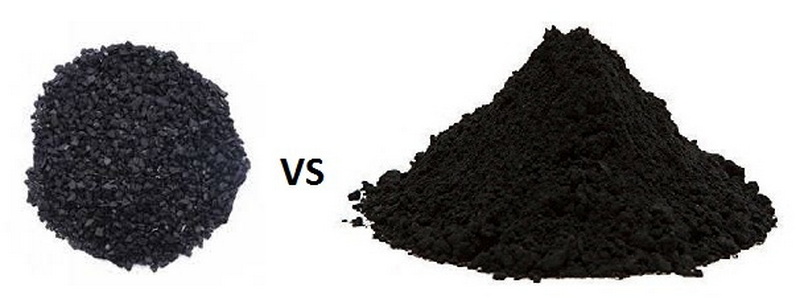
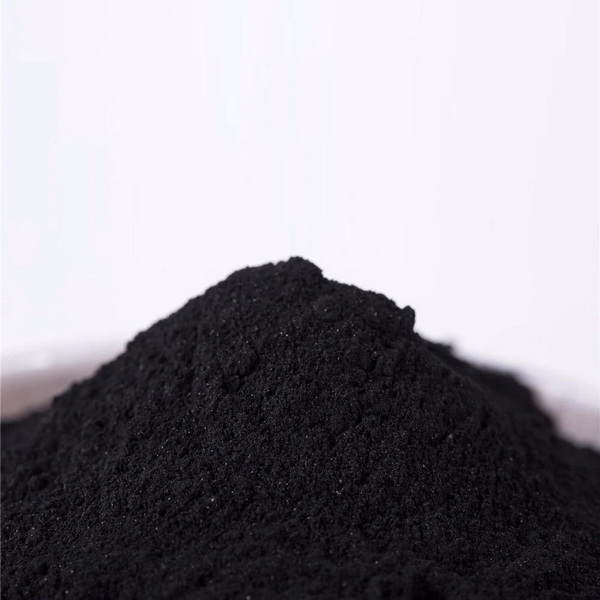
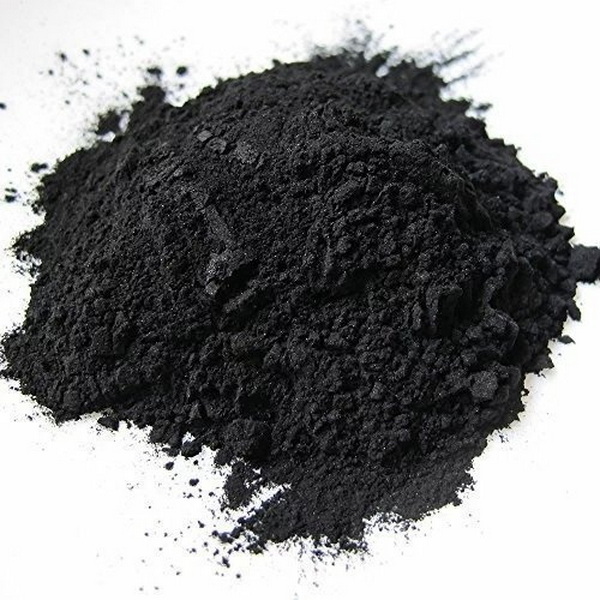
Powdered activated carbon is a finely milled form of activated carbon, usually with particles small enough to pass through 80–325 mesh sieves, which provides an extremely high surface area per unit mass. Because powdered activated carbon is so fine, it disperses quickly in liquids and offers rapid adsorption kinetics, making it ideal for short-contact-time water and wastewater treatment processes. PAC can be produced from coal, coconut shells, wood, or other carbon-rich feedstocks, each producing a different pore structure and adsorption profile suitable for specific applications.[3][8][13][14][15][9]
How Much Does Powdered Activated Carbon Cost?
The cost of powdered activated carbon is usually quoted per kilogram or per metric ton, and the actual price varies according to quality level, raw material, and order size. Benchmark procurement data show that activated carbon prices in recent years have typically ranged around US$1.6–2.1 per kg in major regions such as North America, Europe, Northeast Asia, India, and Australia, with PAC often aligning to the lower or middle of that band depending on specifications and volume. In practice, large industrial contracts for powdered activated carbon are commonly negotiated on a per-ton basis with volume discounts, long-term supply arrangements, and logistics solutions included in the overall commercial package.[11][16][17][18]
Regional Price Tendencies for PAC
- North America and Europe usually show relatively higher powdered activated carbon prices driven by tighter environmental standards, higher production and labor costs, and more demanding certification requirements.[12][11]
- Northeast Asia, including China, often offers more competitive powdered activated carbon pricing thanks to integrated raw material supply, economies of scale, and mature export infrastructure.[15][19]
- Emerging markets such as India and Southeast Asia are increasingly important both as producers and consumers of powdered activated carbon, and their price levels tend to sit between Chinese export prices and Western domestic prices.[20][11]
For serious procurement projects, the most accurate way to know how much powdered activated carbon costs is always to request a detailed quotation based on your exact specification, annual volume, and delivery terms.
Key Factors That Influence PAC Cost
Several technical and commercial factors have a direct impact on how much powdered activated carbon costs in the market.
1. Raw Material and Feedstock
The choice of feedstock strongly affects both performance and price of powdered activated carbon. Coal-based powdered activated carbon is widely used because it is cost-effective, offers good mechanical strength, and provides a balanced pore size distribution suitable for many water treatment and flue-gas applications. Coconut shell-based powdered activated carbon generally offers higher hardness and a more microporous structure, which is highly effective for removal of small organic molecules and some trace contaminants, but its cost is often higher due to raw material price and limited supply in certain regions. Wood-based powdered activated carbon is commonly used for decolorization in food and beverage, sugar refining, and pharmaceuticals, where fast adsorption and ease of regeneration or disposal may be more important than mechanical strength.[4][8][13][21][3][15]
2. Production Process and Activation Method
Powdered activated carbon is produced through two main stages: carbonization and activation, followed by grinding to powder and packaging. In carbonization, the chosen raw material is heated in an oxygen-limited environment at roughly 350–600°C to drive off volatile components and produce a carbon-rich char that retains the basic structure of the original feedstock. During activation, this char is exposed to steam or chemical activating agents at higher temperatures, often 400–1000°C, which creates a highly porous structure and dramatically increases the surface area of the resulting powdered activated carbon.[1][5][6][8][3]
Chemical activation with reagents such as phosphoric acid or zinc chloride can generate very high porosity at lower temperatures but requires additional washing and acid recovery steps, which add to production costs and environmental management requirements. Steam activation is widely used for coal-based powdered activated carbon and is often considered a cleaner method, though it requires higher temperatures and more energy input, influencing the final cost of powdered activated carbon.[2][1][3]
3. Quality Specifications and Certification
The more demanding the quality specifications, the more expensive powdered activated carbon tends to be. Key parameters that directly influence cost include:[22][12]
- Iodine value and methylene blue number, which indicate adsorption capacity and microporosity.[14][12]
- Apparent density and particle size distribution, which affect handling behavior, dosage, and system design.[8][12]
- Ash content and moisture content, where lower ash and optimized moisture levels often require more controlled processes and better raw materials, raising the price of powdered activated carbon.[23][12]
- Compliance with standards like ISO quality systems, NSF/ANSI for drinking water, food-grade approvals, and pharmaceutical GMP-related documentation, which also add to testing and certification costs.[12][22]
When evaluating how much powdered activated carbon costs, buyers should compare technical data sheets and quality certificates side by side, rather than only looking at a price quote with no specification details.
4. Order Volume, Packaging, and Logistics
Pricing for powdered activated carbon is heavily volume-dependent, with significant discounts commonly granted for multi-ton or annual contract quantities. Standard packaging is usually 20–25 kg bags or 500–1000 kg jumbo bags, and larger packaging units generally reduce cost per kilogram due to lower packaging material and handling costs. International shipping terms such as FOB, CIF, or DAP will also influence the apparent price of powdered activated carbon because freight, insurance, port charges, and local transportation are either included or separated depending on the agreed Incoterms.[17][18][21][24][11][20]
How Powdered Activated Carbon Is Manufactured
Understanding the production process helps explain why two samples of powdered activated carbon with similar iodine values may still have different costs.
Carbonization and Activation Steps
In a typical production line, carbon-rich feedstock is first crushed and screened to an appropriate size, then dried to control moisture content before carbonization. During carbonization, the material is heated in a rotary kiln, vertical furnace, or fluidized bed without oxygen, which removes volatile components and forms an initial pore structure in the carbon matrix. The carbonized product is then transferred to an activation furnace, where steam or chemical agents create an extensive network of micropores and mesopores that give powdered activated carbon its high adsorption capacity.[5][1][3][8]
The activation step is energy-intensive, and the time, temperature, and gas flow must be carefully controlled to avoid over-burning or under-developing the pores, which would either waste raw material or reduce performance. After activation, the carbon is cooled, washed (if chemically activated), dried, and milled to the required particle size, typically 80–325 mesh, then classified and packed as finished powdered activated carbon.[6][3][8]
Impact of Process Control on Cost
Tight process control and continuous monitoring of key parameters (temperature profiles, gas composition, residence time) help produce powdered activated carbon with consistent quality, but require investment in automation and experienced technical staff. Plants that recycle activation agents, recover heat, and treat exhaust gases also bear higher capital costs, which may be reflected in the price of their powdered activated carbon but can result in more stable long-term supply and better environmental compliance. Buyers focusing on long-term strategic procurement should consider these aspects, because a slightly higher unit price can be offset by fewer quality complaints, longer filter life, and smoother operation.[1][3][5]
Main Industrial Applications of Powdered Activated Carbon
Powdered activated carbon is used wherever fast, flexible adsorption is needed, especially when the process is batch-based or when fixed adsorber beds would be impractical.
Water and Wastewater Treatment
Municipal drinking water plants and industrial facilities dose powdered activated carbon into clarifiers and contact tanks to remove taste and odor compounds, pesticides, micro-pollutants, and other organic contaminants. In wastewater treatment, powdered activated carbon is used to reduce COD, color, and specific toxic organics, either in main treatment stages or for polishing effluents before discharge or reuse. Because powdered activated carbon can be added temporarily, it is ideal for handling seasonal or incidental contamination events without redesigning the entire plant.[10][25][9][14]
Air and Flue Gas Purification
In air and gas treatment, powdered activated carbon is often injected into flue gas streams to adsorb dioxins, furans, mercury, and volatile organic compounds before the gas passes through bag filters or electrostatic precipitators. This approach is widely used in waste incineration plants, power stations, and industrial boilers where installing large granular carbon beds would be technically or economically challenging. The dosing rate and specific surface area of the powdered activated carbon directly affect removal efficiency and operational cost, making correct grade selection and supplier support very important.[13][25][9][10][14]
Food, Beverage, and Pharmaceuticals
The food and beverage industry uses powdered activated carbon for decolorization and deodorization of sugar solutions, edible oils, juices, wines, and other liquid products. PAC selectively removes colored and odorous compounds while preserving key nutrients and organoleptic properties when the process is properly designed. In pharmaceutical production, powdered activated carbon plays a role in purification and refining steps for antibiotics, vitamins, and specialty chemicals by adsorbing trace impurities and reaction by-products. These demanding applications require high-purity, low-ash, often acid-washed powdered activated carbon, which carries a higher price than standard industrial grades.[25][26][14][22][12]
How to Evaluate Cost-Effectiveness, Not Just Price
When asking “how much does powdered activated carbon cost,” a more useful question is “how much does it cost per cubic meter of water treated or per kilogram of pollutant removed.”
Performance-Based Cost View
A cheaper powdered activated carbon with lower adsorption capacity may require a higher dosage to achieve the same treatment performance, ultimately increasing chemical consumption and sludge disposal costs. On the other hand, a high-performance powdered activated carbon with optimized pore structure may allow lower dosages, longer filter runs, and fewer operational disturbances, reducing the overall cost of treatment even if the price per kilogram is higher. Performance testing and pilot trials are therefore vital steps in comparing powdered activated carbon offers from different suppliers.[14][22][12]
Service, Technical Support, and Reliability
Total cost of ownership also includes technical support, laboratory testing, emergency supply capabilities, and flexibility in adjusting powdered activated carbon specifications over time. Reliable suppliers that maintain stock near major ports, provide rapid logistics, and offer technical assistance in optimizing PAC dosage can help clients avoid downtime and unnecessary over-dosing, which saves far more money than marginal price differences per kilogram. For long-term partnerships, it is often advantageous to select a technically strong manufacturer that understands your process rather than switching frequently between the lowest-priced options.[19][27][28][15]
Practical Tips for Buying Powdered Activated Carbon
When sourcing powdered activated carbon from global suppliers, consider the following practical points:
- Clearly define your application: drinking water, industrial wastewater, flue gas, food, or pharmaceuticals; this determines the required grade of powdered activated carbon and relevant certifications.[9][25]
- Request detailed technical data sheets and recent test reports including iodine value, methylene blue number, particle size distribution, ash, moisture, and pH.[23][12]
- Ask for application-specific recommendations for powdered activated carbon dosage, contact time, and handling instructions based on your existing system design.[10][9]
- Evaluate logistics options, packaging formats, and storage conditions to ensure safe handling and stable quality over time.[21][24]
- Whenever possible, conduct pilot trials or side-by-side tests using different powdered activated carbon samples under your real process conditions before making a final procurement decision.[12][14]
By following these steps, buyers can better understand how much powdered activated carbon truly costs in their process and avoid expensive trial-and-error.
Conclusion
Powdered activated carbon is a critical material for water treatment, air and gas purification, food and beverage processing, and pharmaceutical and chemical manufacturing, thanks to its high surface area and strong adsorption performance. The price of powdered activated carbon is influenced by feedstock choice, manufacturing process, quality specifications, order volume, and logistics, and international price data indicate a typical band of roughly US$1.6–2.1 per kilogram across major regions, with variations for specialized grades and contract volumes. When evaluating suppliers, it is essential to look beyond the unit price and consider total cost of ownership, including PAC dosage, process efficiency, technical support, and long-term reliability, to ensure that each kilogram of powdered activated carbon delivers maximum value in your specific application.[11][15][25][9][14][12]
FAQ (H3)
1. What is the difference between powdered activated carbon and granular activated carbon?
Powdered activated carbon has a much smaller particle size (typically 80–325 mesh), disperses rapidly in liquids, and is usually dosed directly into process streams, while granular activated carbon consists of larger particles used in fixed beds or columns. PAC is favored where short contact times and flexible dosing are required, whereas granular carbon is better for continuous filtration systems that rely on packed beds and backwashing cycles.[8][20][25][14]
2. Why does powdered activated carbon from different suppliers have different prices?
Different suppliers use different raw materials, activation technologies, and quality control systems, which directly affect production costs and performance of powdered activated carbon. Some producers also invest in advanced testing, certifications, and environmental protection systems, which increase operating costs but deliver more consistent and sustainable products, leading to higher prices for certain PAC grades.[3][5][22][12]
3. How can I reduce the total cost of using powdered activated carbon?
To reduce total cost, optimize powdered activated carbon dosage through jar testing or pilot trials, choose the right grade with adequate but not excessive adsorption capacity, and improve process conditions such as mixing and contact time. Working closely with a technically experienced manufacturer or supplier can help improve adsorption efficiency and reduce wastage, lowering chemical and sludge handling costs over the long term.[27][15][14][12]
4. Is coal-based powdered activated carbon safe for drinking water treatment?
Coal-based powdered activated carbon is widely used in municipal drinking water treatment plants worldwide when it meets relevant quality and safety standards such as appropriate ash levels, low heavy metal content, and regulatory approvals. Reputable manufacturers provide detailed analyses and certifications to demonstrate that their coal-based powdered activated carbon is suitable for potable water applications and complies with national or international guidelines.[28][22][9][12]
5. How should powdered activated carbon be stored and handled?
Powdered activated carbon should be stored in dry, well-ventilated areas away from strong oxidizers and ignition sources, and its bags or bulk containers should remain sealed to avoid moisture uptake and contamination. During handling, operators should use proper dust control and personal protective equipment, because PAC is a fine powder that can cause dust exposure and may pose a combustible dust hazard if not managed correctly.[5][13][8][12]
Citations:
[1](https://feeco.com/introduction-to-activated-carbon/)
[2](https://nanocarbons.co/manufacturing-process/)
[3](https://heycarbons.com/manufacture-of-activated-carbon/)
[4](https://jamescumming.com.au/articles/the-production-process-of-powdered-activated-carbon/)
[5](https://activatedcarbon.com/manufacturing)
[6](https://www.sciencedirect.com/topics/engineering/preparing-activated-carbon)
[7](https://www.youtube.com/watch?v=KZ4nIHJqm0o)
[8](https://rotarykilnfactory.com/how-to-make-coal-based-activated-carbon/)
[9](https://puragen.com/uk/insights/what-is-powder-activated-carbon/)
[10](https://www.mandmmilling.com/closer-look-at-powdered-activated-carbon-pac/)
[11](https://businessanalytiq.com/procurementanalytics/index/activated-carbon-prices/)
[12](https://southerncarbon.com/quality-standards-for-activated-carbon/)
[13](https://activatedcarbon.com/products/powdered-activated-carbon)
[14](https://www.sciencedirect.com/topics/engineering/powdered-activated-carbon)
[15](https://qizhongcarbon.com)
[16](https://www.made-in-china.com/products-search/hot-china-products/Powdered_Activated_Carbon.html)
[17](https://www.alibaba.com/showroom/activated-carbon-price-in-kg.html)
[18](https://www.alibaba.com/showroom/bulk-activated-carbon-powder-price.html)
[19](https://heycarbons.com)
[20](https://activatedcarbon.com/activated-carbon)
[21](https://www.siliconactivatedcarbon.com/activated-carbon.html)
[22](https://heycarbons.com/activated-carbon-testing-standards/)
[23](https://www.naturecarbon.com/news/standard-and-moisture-content-of-powdered-acti-85267149.html)
[24](https://www.calpaclab.com/bulk-activated-charcoal-powder-norit-ca3-20-kg/spc-c1191-20kgbl)
[25](https://www.calgoncarbon.com/powdered-activated-carbon/)
[26](https://www.karbonous.com/applications/)
[27](https://www.carbonyihang.com)
[28](https://www.huameicarbon.com)


