Content Menu
● What Activated Carbon Does in a Reef Tank
● Basic Dosing Rules for Activated Carbon in Reef Tanks
● Step‑by‑Step: How to Calculate Activated Carbon for Your Reef Tank
>> Step 1: Find Your True System Volume
>> Step 2: Choose a Starting Dosage Range
>> Step 3: Convert to Practical Units
>> Step 4: Adjust for Bioload and Water Quality Goals
>> Step 5: Introduce Activated Carbon Gradually
>> Step 6: Monitor and Fine‑Tune
● Placement and Flow: How to Use Activated Carbon Effectively
● How Often to Change Activated Carbon in a Reef Tank
● Risks of Using Too Much Activated Carbon in a Reef Tank
● Matching Activated Carbon Type to Reef Tank Needs
>> Common Types of Activated Carbon
● Real‑World Dosing Scenarios for Reef Tanks
>> Example 1: 50‑Gallon Mixed Reef
>> Example 2: 100‑Gallon SPS‑Dominant Reef
>> Example 3: 75‑Gallon Reef After Medication
>> Example 4: 200‑Gallon Heavily Stocked Reef
● Best Practices for Using Activated Carbon in Reef Tanks
● Conclusion
● FAQ About Activated Carbon in Reef Tanks
>> 1. How much activated carbon should I use in my first reef tank?
>> 2. Can I run activated carbon all the time in a reef aquarium?
>> 3. Does activated carbon remove beneficial trace elements from reef water?
>> 4. Can activated carbon cause HLLE in tangs and other reef fish?
>> 5. Should I remove activated carbon when dosing medications or reef additives?
● Citations:
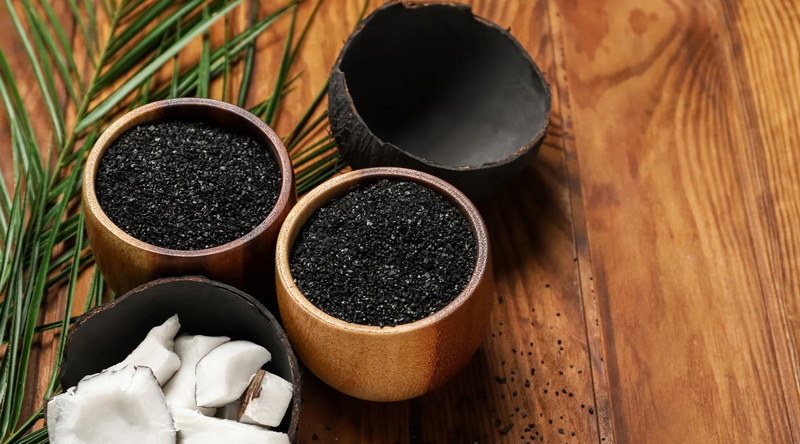
Using the right amount of activated carbon in a reef tank is about balancing water clarity, chemical safety, and coral health. Most reef keepers start with roughly 0.5–1 cup of activated carbon per 50 gallons (about 40–50 g per 100 L) and then adjust depending on bioload, discoloration, and nutrient levels.
What Activated Carbon Does in a Reef Tank
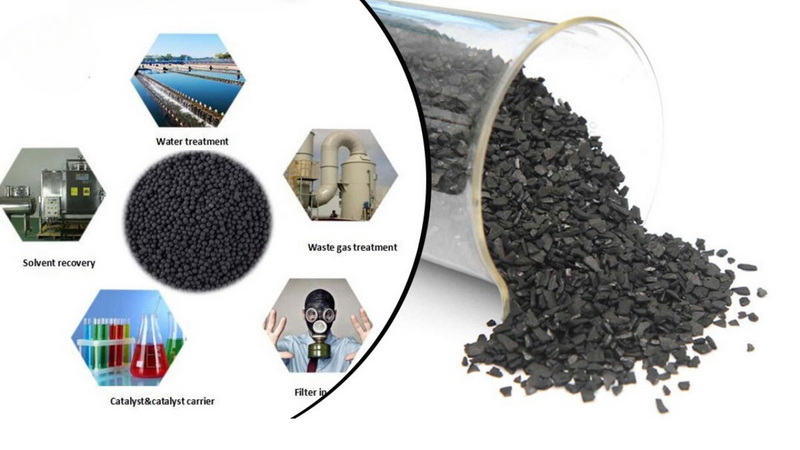
Activated carbon is a highly porous filtration media that adsorbs dissolved organic compounds, yellowing agents, odors, toxins, and residual chemicals from reef tank water. In a mixed reef tank with soft corals and hard corals, activated carbon helps remove coral warfare toxins and yellow substances, improving water clarity and light penetration for photosynthetic organisms.
Activated carbon also supports reef tank stability by smoothing out chemical spikes after events such as spawning, coral allelopathy, or accidental overdosing of certain additives. However, over‑polishing the water with too much activated carbon or overly aggressive use can strip trace elements and change light intensity too quickly, which may stress sensitive corals.
In practice, activated carbon in a reef tank is part of a broader chemical filtration strategy. It often works alongside protein skimmers, refugia, and mechanical filters to keep dissolved organics at manageable levels. When used correctly, activated carbon helps improve ORP (oxidation‑reduction potential) and overall visual quality of the reef water, making corals look brighter and fish more vibrant.
Basic Dosing Rules for Activated Carbon in Reef Tanks
There is no single “one size fits all” dosage, but several practical rules are widely used in reef aquariums. These rules are usually expressed in tablespoons, cups, grams, or milliliters per gallon or liter of system volume.
Common starting guidelines for activated carbon in reef tanks include:
- About 0.5–1 cup of activated carbon per 50 gallons of reef tank water for general long‑term use.
- About 40–50 g of activated carbon per 100 L when you already have clear water and only need to maintain it.
- Higher emergency doses such as 100 g per 100 L when removing medications or toxins after events like a dying sea cucumber or chemical contamination.
Some aquarists prefer to work in smaller units and will dose around 1 tablespoon of regular activated carbon per 3–5 gallons for stronger water polishing, then reduce to 1 tablespoon per 7–10 gallons for maintenance. Reef‑branded carbons designed for low phosphate and controlled pore size are typically dosed more conservatively, such as around 50 g per 200 L for 1–2 months in a moderately stocked reef aquarium.
Another way to think about how much activated carbon to use is to target a percentage of your filter volume instead of display volume. For example, you might fill 25–30% of a small media reactor with activated carbon and the rest with other media such as GFO or biomedia, then adjust the total amount of activated carbon up or down based on water clarity and nutrient trends.
Step‑by‑Step: How to Calculate Activated Carbon for Your Reef Tank
To decide how much activated carbon to use in a specific reef system, it is useful to follow a clear step‑by‑step approach.
Step 1: Find Your True System Volume
Include display tank, sump, and refugium, but subtract displacement from rock and sand when possible. A “75‑gallon” display with a sump may actually hold more like 60–70 gallons of water in practice once rock and sand are accounted for. Many reef keepers estimate actual water volume at about 75–85% of the advertised tank and sump capacity if they do not want to measure it precisely.
Step 2: Choose a Starting Dosage Range
For a typical mixed reef, a conservative starting range is approximately 0.5 cup of activated carbon per 50 gallons, or about 10 g per 100 L, then slowly increasing to 40–50 g per 100 L over several weeks. If the main goal is to remove medicines or strong toxins, use up to 100 g per 100 L for a short period, and then drop back to a milder maintenance dose once the emergency is over.
Step 3: Convert to Practical Units
Many aquarists think in tablespoons or cups, while most activated carbon packaging lists grams or milliliters. One cup of granular activated carbon usually weighs around 120–150 g depending on grade and grain size, so 0.5 cup is often around 60–75 g. If your reef tank is 100 gallons, a 0.5–1 cup starting dose is reasonable in most cases, especially if the tank is moderately stocked and not heavily discolored.
Step 4: Adjust for Bioload and Water Quality Goals
Heavily stocked reef tanks, tanks with heavy feeding, or tanks with yellow and cloudy water may need the higher end of the dosage range. Ultra‑low nutrient systems with sensitive SPS corals may do better with less activated carbon, changed more frequently, to avoid stripping trace elements and changing light too quickly. A light dose of activated carbon replaced weekly is often safer for delicate coral species than a heavy dose left in the system for months.
Step 5: Introduce Activated Carbon Gradually
Especially in systems with long‑standing yellow water, introducing a full, aggressive dose of activated carbon overnight can dramatically increase light penetration and shock corals. Many reef keepers start at around 10 g per 100 L and increase week by week to around 40–50 g per 100 L for long‑term use. This gradual increase gives corals time to adapt to the brighter, clearer water and reduces the risk of bleaching or stress.
Step 6: Monitor and Fine‑Tune
Once activated carbon is running, observe the reef for several days to weeks. Key signs that the amount of activated carbon is appropriate include clear, colorless water, good polyp extension, stable coral coloration, and no unusual behavior from fish. If corals suddenly retract or pale after activated carbon is added, consider cutting the amount in half, reducing flow through the media, or swapping to a gentler grade of activated carbon.
Placement and Flow: How to Use Activated Carbon Effectively
How much activated carbon you use matters, but where and how you place the activated carbon in your reef filtration system is just as important. The goal is to provide controlled water flow through the activated carbon so that a good portion of the tank's water passes through the media without grinding the carbon into dust.
Common methods for using activated carbon in reef tanks include:
- Media bag in a high‑flow area.
- Media reactor or fluidized bed.
- Canister filter section dedicated to activated carbon.
- Filter tray or cartridge in an all‑in‑one reef system.
A media bag placed in a high‑flow section of the sump is one of the simplest and safest methods. The activated carbon is contained, easy to remove, and not subjected to extreme tumbling. The bag should be rinsed thoroughly before use to remove dust, then placed where water can pass freely through it without being blasted.
Reactors offer higher efficiency because they force water through a bed of activated carbon, increasing contact time and adsorption. Flow must be adjusted so the activated carbon gently moves at the surface of the bed rather than violently tumbling. Excessive tumbling can break granules, creating fines that cloud the water and may irritate fish.
In all‑in‑one reef tanks, activated carbon can be placed in a rear chamber along with mechanical media such as filter floss. In these systems, the activated carbon should be arranged so that water flows through mechanical media first to catch detritus, then through the activated carbon to prevent clogging and maximize the lifespan of the chemical filtration.
How Often to Change Activated Carbon in a Reef Tank
Activated carbon has a limited capacity and eventually becomes saturated, at which point it no longer adsorbs impurities effectively. In reef tanks, activated carbon is typically changed more often than in many freshwater setups because of the higher organic load and concern for both water clarity and coral toxins.
Many reef‑oriented guidelines suggest that activated carbon in saltwater systems should be replaced every 1–4 weeks depending on the amount used and the system's needs. Some aquarists prefer a small amount of activated carbon changed weekly, while others use a larger amount replaced every month. Reef‑specific activated carbon products often recommend using a measured dose for 1–2 months in moderately stocked tanks.
Practical indicators that it is time to change activated carbon include:
- Yellowing or brown tint appearing again after initially clear water.
- Persistent or returning odors from the tank.
- Reduced clarity and an increase in haziness or film on the water surface.
- Less noticeable improvement in water quality after several days of running fresh activated carbon.
If activated carbon is being used after medication or a serious contamination event, it is often replaced more quickly, such as after 3–7 days, to ensure that removed chemicals are not released back into the water as the media becomes saturated.
Risks of Using Too Much Activated Carbon in a Reef Tank
Although many hobby discussions say it is hard to “overdose” activated carbon, heavy or careless use of activated carbon in reef tanks can cause real problems. The main risks come from excessive stripping of water, rapid changes in light penetration, and carbon dust particles.
Potential issues from overusing activated carbon include:
- Head and lateral line erosion (HLLE) in susceptible fish, especially tangs, when dusty activated carbon or carbon fines are present in the system.
- Over‑polished water that becomes extremely clear very quickly, increasing light penetration and potentially harming sensitive corals or causing them to bleach.
- Stripping of trace elements and dissolved organics that some corals, sponges, and filter feeders may rely on, leading to poor coloration or reduced polyp extension if activated carbon is used too aggressively.
To minimize these risks when using activated carbon:
- Choose high‑quality, low‑dust activated carbon with good hardness and low phosphate content.
- Rinse activated carbon thoroughly with RO/DI or clean saltwater before placing it in the system.
- Avoid very high reactor flow rates that grind activated carbon into fines and send dust into the display.
- Start with modest amounts of activated carbon and increase slowly while monitoring coral and fish health.
- Combine activated carbon with mechanical filtration, so any released fines are captured quickly.
Matching Activated Carbon Type to Reef Tank Needs
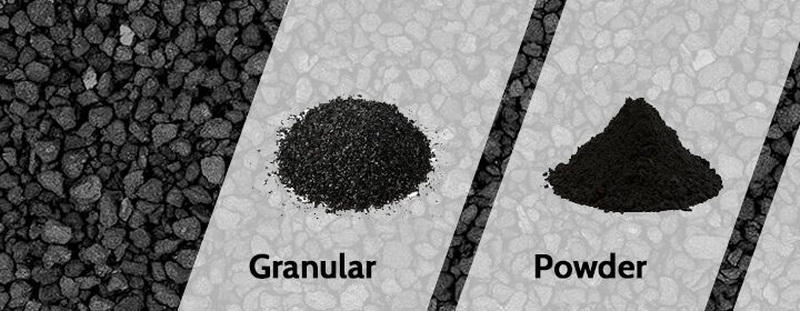
Not all activated carbon is the same, and choosing the right grade helps you decide how much activated carbon to use and how frequently to replace it. Key properties for reef‑safe activated carbon include pore size distribution, dust levels, phosphate leaching, ash content, and physical hardness.
Common Types of Activated Carbon
- Coconut shell activated carbon: Often has a high micropore content suited for small organic molecules, with good hardness and relatively low dust when manufactured for aquarium use.
- Bituminous coal activated carbon: A common choice in the aquarium trade, usually with a balanced pore structure and strong adsorption performance when properly washed.
- Lignite activated carbon: Softer and more prone to dust, sometimes used in lower‑cost products but less ideal for reef tanks because of the potential for fines and associated HLLE risk.
Reef‑dedicated products usually specify iodine numbers and methylene blue numbers to describe adsorption performance. Higher iodine and methylene blue numbers indicate strong adsorption of smaller molecules, which is beneficial in reef tanks filled with dissolved organics and coral toxins. Low ash, low phosphate activated carbon is preferred to avoid unwanted nutrient input.
When deciding how much activated carbon to use in a reef tank, factor in the type. A very high‑capacity, reef‑spec activated carbon may achieve the same polishing with less media than a generic grade, reducing cost and the risk of over‑stripping the water.
Real‑World Dosing Scenarios for Reef Tanks
The following examples show typical starting ranges for how much activated carbon to use in different reef scenarios. These are not strict rules but practical reference points.
Example 1: 50‑Gallon Mixed Reef
A 50‑gallon mixed reef with soft corals, LPS, and a few small fish might start with 0.5 cup of activated carbon in a mesh bag placed in the sump. The activated carbon is rinsed thoroughly and replaced every 2–3 weeks. If the water remains crystal clear and corals look healthy, this amount can be maintained long term.
Example 2: 100‑Gallon SPS‑Dominant Reef
A 100‑gallon SPS‑dominant system with strong lighting and aggressive skimming may only need 0.5 cup of activated carbon to start. The activated carbon is changed every 1–2 weeks. The aquarist monitors SPS coloration closely and avoids sudden increases in activated carbon that might change water clarity and light penetration too rapidly.
Example 3: 75‑Gallon Reef After Medication
After treating a 75‑gallon reef with medication, the aquarist adds a larger dose of activated carbon, around 100 g per 100 L equivalent, in a reactor for 3–5 days. Once the medication is removed, the reactor is cleaned, and the amount of activated carbon is reduced to a normal maintenance dose of around 0.5 cup every few weeks.
Example 4: 200‑Gallon Heavily Stocked Reef
A 200‑gallon reef with many fish and a high feeding regime may use 1–2 cups of activated carbon divided into two media bags placed in different high‑flow sump sections. Each bag is replaced alternately every 2 weeks, so fresh activated carbon is always present while avoiding large sudden swings in water chemistry.
These scenarios demonstrate that how much activated carbon is used in a reef tank depends strongly on tank volume, livestock, feeding habits, and owner goals. The best strategy is to start on the low side and adjust gradually.
Best Practices for Using Activated Carbon in Reef Tanks
To get the most from activated carbon while protecting fish and corals, it helps to follow a set of simple best practices.
- Rinse activated carbon thoroughly before use to remove dust and fines.
- Place activated carbon after mechanical filtration, not before, to reduce clogging and extend media life.
- Avoid packing activated carbon too tightly, so water can flow evenly through the media.
- Use smaller amounts of activated carbon changed more frequently rather than large amounts left in place for months.
- Observe livestock closely after any significant change in activated carbon amount or placement.
- Store unused activated carbon in a dry, sealed container to maintain performance.
These best practices make it easier to decide how much activated carbon to use confidently and help ensure long‑term reef stability.
Conclusion
The right amount of activated carbon for a reef tank depends on tank size, bioload, water clarity goals, coral sensitivity, and whether you are doing routine maintenance or emergency cleanup. In most reef aquariums, starting with about 0.5–1 cup of high‑quality, low‑dust activated carbon per 50 gallons (around 40–50 g per 100 L) and replacing it every 1–4 weeks provides a good balance between water clarity and reef health, as long as changes are made gradually and the system is closely monitored. By choosing an appropriate activated carbon type, placing it correctly in the filtration system, and adjusting the dosage over time, reef keepers can enjoy crystal‑clear water, healthier corals, and safer conditions for their fish.
Contact us to get more information!
FAQ About Activated Carbon in Reef Tanks
1. How much activated carbon should I use in my first reef tank?
For a first reef tank, a safe starting point is approximately 0.5 cup of activated carbon for every 50 gallons of actual system water. If the water is already very yellow or cloudy, you can gradually increase activated carbon use over 2–3 weeks to around 40–50 g per 100 L while watching coral response and fish behavior. Starting conservatively and adjusting slowly is better than adding too much activated carbon at once.
2. Can I run activated carbon all the time in a reef aquarium?
Many reef keepers run activated carbon continuously at modest levels to maintain clear, colorless water and control dissolved organics and coral toxins. Continuous use of activated carbon is generally safe if the media is low in dust, replaced regularly, and not used so aggressively that it strips trace elements or shocks corals with sudden light changes. Some reefers choose to run activated carbon only a few days each month, while others run it 24/7 at a lower dose.
3. Does activated carbon remove beneficial trace elements from reef water?
Activated carbon can adsorb some trace elements and organic complexes, especially if used in large amounts or for long periods without replacement. However, most reef aquariums compensate for this removal through regular water changes and careful dosing regimes, so moderate, well‑controlled activated carbon use rarely causes serious trace element deficiencies on its own. If you run a very low nutrient SPS system, you can use smaller amounts of activated carbon and supplement trace elements according to coral demands.
4. Can activated carbon cause HLLE in tangs and other reef fish?
Some studies and public aquarium experiences suggest that certain types of soft, dusty activated carbon, especially if used in reactors with high flow, are associated with a higher incidence of HLLE in tangs and other sensitive fish. The issue appears to be related to fines and sharp particles rather than activated carbon itself. Using hard, low‑dust activated carbon, rinsing it thoroughly, avoiding excessive tumbling, and maintaining good mechanical filtration can greatly reduce potential risk.
5. Should I remove activated carbon when dosing medications or reef additives?
Activated carbon will adsorb many medications, water conditioners, and certain additives, which can make treatments ineffective if the media remains in the system. In most cases, activated carbon is removed during dosing and then reintroduced after treatment to remove residues, following the instructions given on the medication or additive label. When in doubt, check the product guidelines and temporarily take out activated carbon during sensitive dosing procedures.
Citations:
1. https://topshelfaquatics.com/pages/carbon-calculator
2. https://www.bulkreefsupply.com/reef-calculator/carbon-calculator-aquarium
3. https://redseafish.com/reef-care-program/treatments/reef-spec-carbon/
4. https://www.mantasystems.net/a/blog/post/activated-carbon
5. https://www.ultimatereef.net/threads/activated-carbon-how-much.907026/
6. https://coralaxy.de/en/blogs/wissenswertes/activated-carbon-how-it-works-in-reef-tanks
7. https://www.reefbum.com/water-chemistry/pluses-minuses-using-activated-carbon
8. https://reefbuilders.com/2015/01/09/hlle-and-the-activated-carbon-connection/
9. https://reefs.com/interesting-thing-i-learned-about-carbon-this-week/
10. https://www.bulkreefsupply.com/content/post/using-brs-carbon-for-crystal-clear-reef-tank-water-brstv-spotlight


