Content Menu
● What Activated Carbon Does in an Aquarium
● General Dosage Rules: How Much Activated Carbon to Use
>> Common dosing guidelines
>> Example starting amounts
● Key Factors That Change How Much Activated Carbon You Need
>> Bioload and feeding
>> Source of discoloration and odors
>> Freshwater vs saltwater
● Placement and How to Use Activated Carbon in Filters
>> Best locations in the filtration system
>> Filter types for activated carbon
● How Often to Replace Activated Carbon
>> Typical replacement intervals
>> Signs that activated carbon needs changing
● Can You Use Too Much Activated Carbon?
>> Potential downsides of excessive activated carbon
>> When higher doses are justified
● Choosing the Right Type and Quality of Activated Carbon
>> Forms of activated carbon
>> Quality and performance
● Practical Examples of How Much Activated Carbon to Use
>> Small community freshwater aquarium (10–20 gallons)
>> Medium planted tank (30–55 gallons)
>> Large cichlid or goldfish tank
>> Reef or marine aquarium
● Maintenance Tips and Common Mistakes
>> Good maintenance practices
>> Mistakes to avoid
● Conclusion
● FAQ – How Much Activated Carbon for Aquarium
>> 1. How much activated carbon per gallon should I use?
>> 2. Do I need activated carbon in my aquarium all the time?
>> 3. How often should I replace activated carbon in my filter?
>> 4. Can too much activated carbon harm my fish or plants?
>> 5. Should I remove activated carbon when dosing medication or fertilizers?
Using the right amount of activated carbon in an aquarium is about balancing water clarity, chemical safety, and cost. In most freshwater and marine aquariums, common practice is to use roughly 1 tablespoon of activated carbon per 3–5 gallons of water, then adjust up or down based on your tank's bioload, water quality, and filtration style. Many aquarists also simply “use the least amount necessary” to keep the water clear and odor‑free, rather than blindly following maximum dosing rates.
What Activated Carbon Does in an Aquarium
Activated carbon is a highly porous filtration media that adsorbs dissolved organics, colors, odors, and many chemicals from aquarium water. Each grain of activated carbon has an enormous internal surface area where molecules are trapped, which is why a relatively small amount can greatly improve water clarity.
- Activated carbon removes chlorine, chloramine, tannins, medications, and many organic pollutants that mechanical sponges cannot catch.
- It does not remove all contaminants; for example, ammonia, nitrite, and nitrate require biological filtration or specific resins rather than activated carbon alone.
For most aquariums, activated carbon is used as chemical filtration, working together with mechanical and biological filtration to keep the water stable and healthy.
General Dosage Rules: How Much Activated Carbon to Use
There is no single “perfect” dosage, but the aquarium hobby and industry have settled on several practical rules of thumb for activated carbon. These can be used as starting points and then fine‑tuned for your own tank.
Common dosing guidelines
- About 1 tablespoon of activated carbon per 3 gallons is a widely used starting rate for standard aquarium‑grade activated carbon.
- Some reef keepers and freshwater hobbyists use lower rates, such as 1 tablespoon per 5–10 gallons, especially when running high‑performance carbons or when worried about stripping trace elements in planted or reef systems.
- Many professional suppliers emphasize “use the least amount necessary” and change activated carbon more frequently rather than using very large doses.
Example starting amounts
- 10 gallon aquarium: about 3–4 tablespoons of activated carbon.
- 20 gallon aquarium: about 6–7 tablespoons (roughly 0.4–0.5 cup) of activated carbon.
- 40 gallon aquarium: around ¾–1 cup of activated carbon, depending on stocking level and water clarity goals.
In practical use, the required amount of activated carbon will vary with fish load, feeding rate, presence of driftwood or tannin sources, and how well your mechanical and biological filtration are working.
Key Factors That Change How Much Activated Carbon You Need
The correct dosage of activated carbon in an aquarium is not only about tank volume; it is also shaped by your livestock, maintenance habits, and how quickly contaminants appear in the water. Understanding these factors helps prevent both under‑ and over‑dosing of activated carbon.
Bioload and feeding
- Heavy bioload tanks (large fish, overstocked community tanks, messy eaters) produce more dissolved organics, so they usually benefit from more activated carbon or more frequent replacement.
- Lightly stocked aquariums with disciplined feeding and regular water changes may need only modest amounts of activated carbon, or in some cases no continuous use at all.
Source of discoloration and odors
- Tanks with driftwood, leaves, or peat may release tannins that color the water; in such aquariums, a moderate but regularly refreshed amount of activated carbon is effective for keeping the water clear.
- If the main problem is occasional medication removal or emergency toxin removal, heavier short‑term doses of activated carbon can be used for 3–7 days and then removed or replaced.
Freshwater vs saltwater
- In reef and marine systems, many aquarists prefer smaller ongoing doses of activated carbon and frequent changes (for example, replacing every 7–14 days) to avoid stripping trace elements while still controlling organics and yellowing compounds.
- In simple freshwater community tanks, a bit more activated carbon can be used with longer replacement intervals (often 2–4 weeks), provided water is monitored for clarity and odor.
Placement and How to Use Activated Carbon in Filters
How activated carbon is placed inside the filter is just as important as the total amount used. Efficient contact between aquarium water and activated carbon maximizes adsorption efficiency and reduces waste.
Best locations in the filtration system
- Place activated carbon after mechanical filtration (sponges or pads) so that debris is removed before the water reaches the carbon bed, preventing premature clogging of activated carbon pores.
- In hang‑on‑back or internal filters, activated carbon is commonly loaded in cartridges, media bags, or dedicated chambers where water must pass through the carbon.
- In canister filters or sumps, activated carbon can be placed in a mesh bag between mechanical and biological stages or inside a separate basket, ensuring strong water flow through the media.
Filter types for activated carbon
- Media bags: A simple mesh or fine bag filled with activated carbon and placed where water flow is good is often sufficient for most freshwater aquariums.
- Media reactors: In advanced reef or high‑demand systems, a fluidized media reactor keeps activated carbon gently tumbling, providing maximum surface contact and very efficient adsorption.
Before placing activated carbon in an aquarium, it should be thoroughly rinsed to remove dust and fines so that carbon particles do not cloud the water.
How Often to Replace Activated Carbon
Even when the correct amount of activated carbon is used, it will eventually become saturated and stop adsorbing new contaminants. Replacement frequency depends on water chemistry, carbon quality, and operating conditions.
Typical replacement intervals
- Many consumer systems change activated carbon every 2–4 weeks in freshwater aquariums to ensure consistent performance.
- In reef tanks, some guidelines recommend replacing activated carbon more frequently, roughly every 7–14 days, especially when removing organics and residual medications.
Signs that activated carbon needs changing
- Water turns yellow or tea‑colored again after previously being clear, indicating that tannins and dissolved organics are no longer being adsorbed effectively by the activated carbon.
- Odors return or become stronger, suggesting that the activated carbon bed is saturated and needs replacement instead of simply being rinsed.
Using the correct amount of activated carbon but changing it too infrequently is a common mistake; moderate dosing with regular replacement is more reliable than large doses left in the filter for many months.
Can You Use Too Much Activated Carbon?
Many aquarists ask whether there is a risk in using “too much” activated carbon in an aquarium. In practice, the main concerns are economic waste and the potential removal of some trace elements or additives, rather than acute toxicity from activated carbon itself.
Potential downsides of excessive activated carbon
- Using far more activated carbon than necessary may strip certain trace organics and elements faster than intended, which some reef and planted tank keepers try to avoid to protect corals and sensitive plants.
- Excessive activated carbon can be wasteful; extra carbon that never gets fully utilized simply clogs with debris and offers no additional benefit once the water is already clear and odor‑free.
When higher doses are justified
- Short‑term high‑dose activated carbon is appropriate after dosing medications, chemicals, or when accidental contamination is suspected, because rapid adsorption is more important than maximizing media efficiency.
- In emergency response, it is common to fill additional media bags with fresh activated carbon and place them in high‑flow areas to quickly capture toxins, followed by partial water changes and careful monitoring.
For everyday maintenance, most aquariums do not need the maximum possible amount of activated carbon; modest doses combined with good water changes and biological filtration are usually sufficient.
Choosing the Right Type and Quality of Activated Carbon
Not all activated carbon is the same, and choosing a suitable grade for aquarium use will influence how much activated carbon is required and how often it must be replaced.
Forms of activated carbon
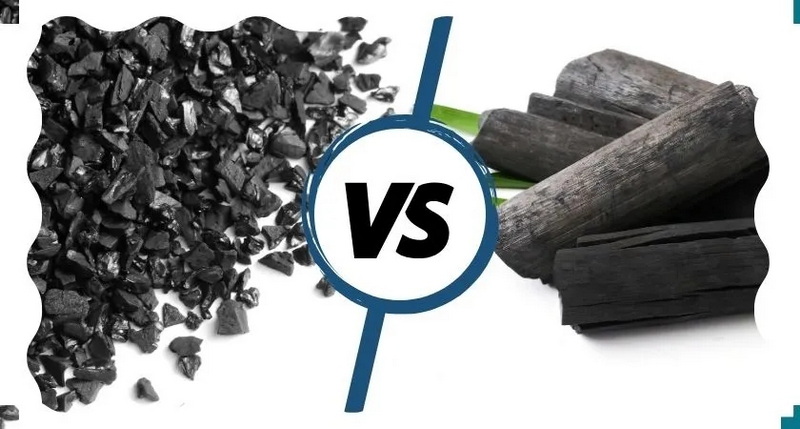
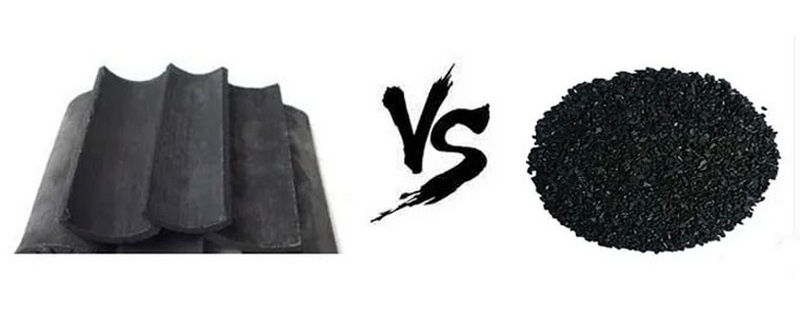
- Granular activated carbon (GAC) is the most common format for aquarium filters, offering a good balance between flow resistance and surface area.
- Pelletized or extruded activated carbon is also used in some reactors and industrial‑style systems where uniform shape and low dust are important.
- Powdered activated carbon is usually used in dosing or batch treatments rather than as a permanent media in filters, because it is too fine to hold in standard media bags.
Quality and performance
- High‑quality activated carbon designed for aquariums or aquatic use usually has lower ash and phosphate content, better hardness, and a pore structure tailored for dissolved organics, which improves adsorption efficiency per gram.
- Scientific or premium grades of activated carbon can treat very large volumes of water per unit volume of media, meaning that less activated carbon is needed to achieve the same performance compared to low‑grade carbon.
Selecting a suitable product and following the manufacturer's dosing guidance for activated carbon will help ensure stable water quality with minimal waste.
Practical Examples of How Much Activated Carbon to Use
Different aquarium sizes and setups require different activated carbon strategies. Using the rules of thumb and adjusting based on observation makes it easier for hobbyists to dial in the right amount of activated carbon for their situation.
Small community freshwater aquarium (10–20 gallons)
- Start with 3–7 tablespoons of activated carbon in a media bag inside the filter, equivalent to roughly 1 tablespoon per 3 gallons.
- Monitor clarity and odor; if water remains crystal clear and odorless between 2–4 week changes, the amount of activated carbon is sufficient and does not need to be increased.
Medium planted tank (30–55 gallons)
- Use a slightly lower ongoing dose of activated carbon, for example 1 tablespoon per 4–5 gallons, to reduce risk of stripping certain organics important for plants, while still benefiting from color and odor control.
- Consider running activated carbon intermittently instead of continuously, using it after major rescapes, driftwood additions, or medication use, and relying more on biological filtration and water changes at other times.
Large cichlid or goldfish tank
- Heavily stocked systems with big, messy fish often produce significant dissolved organics, so slightly higher doses of activated carbon or multiple media bags may be appropriate.
- Combining robust mechanical filtration, large biological media capacity, and a consistent schedule of replacing activated carbon every 2–3 weeks helps keep such tanks clear despite heavy waste production.
Reef or marine aquarium
- Combine a moderate amount of high‑quality activated carbon in a reactor or canister with frequent replacement, such as changing activated carbon every 7–14 days.
- Aim for efficient flow and contact time rather than very large doses of activated carbon, focusing on removing yellowing compounds and organics without over‑stripping the water of beneficial trace components.
These examples show that activated carbon dosage for aquariums is dynamic; using observation and testing alongside general guidelines helps determine how much activated carbon is truly required.
Maintenance Tips and Common Mistakes
Knowing how much activated carbon to use is only part of running a healthy aquarium; good maintenance practices are also crucial. Avoiding a few common mistakes can dramatically improve the effectiveness of activated carbon.
Good maintenance practices
- Rinse new activated carbon thoroughly until the rinse water runs mostly clear before placing it in the filter.
- Combine activated carbon use with regular partial water changes (for example, 20–30% weekly) to dilute nutrients and waste products that activated carbon does not remove.
- Vacuum the substrate and clean mechanical filter media on a schedule so that organic debris does not clog the surface of the activated carbon and reduce contact.
Mistakes to avoid
- Leaving the same activated carbon in the filter for many months and assuming it still works, instead of replacing it once it becomes saturated.
- Using activated carbon as a substitute for proper biological filtration or cycling; activated carbon cannot convert ammonia and nitrite to less harmful forms.
- Running activated carbon during medication treatments that specify it should be removed, which can reduce drug concentration and make treatment less effective.
By combining correct dosing of activated carbon with disciplined maintenance, aquarists can keep water conditions stable and reduce the risk of sudden problems.
Conclusion
For most aquariums, a reasonable starting point is approximately 1 tablespoon of activated carbon per 3–5 gallons of water, adjusted according to tank size, bioload, and the specific goals of chemical filtration. The right amount of activated carbon is the dose that keeps the water clear, odor‑free, and chemically stable without wasting media or stripping the water more than necessary, supported by regular replacement every 1–4 weeks depending on system demands.
By choosing high‑quality activated carbon, placing it correctly in the filter, and watching for visual cues like color and odor, aquarists can fine‑tune both the quantity and replacement schedule of activated carbon to maintain a healthy, attractive aquarium for fish, plants, corals, and invertebrates. When used thoughtfully as part of a broader filtration strategy, activated carbon remains one of the most versatile and reliable tools for keeping aquarium water in excellent condition.
Contact us to get more information!

FAQ – How Much Activated Carbon for Aquarium
1. How much activated carbon per gallon should I use?
Most hobbyists start with about 1 tablespoon of activated carbon per 3 gallons of aquarium water and then adjust up or down based on water clarity and bioload. Some keepers of sensitive planted or reef systems prefer slightly lower ongoing rates, such as 1 tablespoon per 5–10 gallons, combined with more frequent replacement of activated carbon.
2. Do I need activated carbon in my aquarium all the time?
Continuous use of activated carbon is optional; many successful aquariums run with little or no permanent activated carbon, relying instead on biological filtration and regular water changes. However, activated carbon is very useful after adding new driftwood, when water is discolored, when odors appear, or when removing medications and other chemicals from aquarium water.
3. How often should I replace activated carbon in my filter?
In typical freshwater home aquariums, activated carbon is commonly replaced every 2–4 weeks, or sooner if water color and odor indicate saturation. In reef aquariums or high‑demand systems, many aquarists prefer to change activated carbon more frequently, around every 7–14 days, especially when targeting organics and residual treatments.
4. Can too much activated carbon harm my fish or plants?
Excess activated carbon rarely harms fish directly if it is aquarium‑grade and properly rinsed, but using far more activated carbon than needed can strip some useful trace compounds and wastes media unnecessarily. For planted and reef tanks in particular, moderate doses of activated carbon with careful observation are preferred over very large constant doses of activated carbon, which may reduce certain trace elements more quickly.
5. Should I remove activated carbon when dosing medication or fertilizers?
Activated carbon can adsorb many medications and some organic additives, so it is usually recommended to remove activated carbon during treatment to avoid reducing drug effectiveness. After treatment is complete, fresh activated carbon can be added to strip residual medication, and then normal dosing of fertilizers or trace elements can resume in planted or reef aquariums.


