Content Menu
● What “Enough” Activated Carbon Really Means
● Standard Dosage Rules for 75 Gallon Tanks
● Freshwater vs. Saltwater: Does the Amount Change?
● Stocking Level and Bioload Considerations
● Placement of Activated Carbon in a 75 Gallon Tank
● How Often to Replace Activated Carbon
● Risks of Using Too Much Activated Carbon
● Preparing and Rinsing Activated Carbon Properly
● Adjusting Activated Carbon for Special Situations
● Choosing the Right Type of Activated Carbon
● Practical Step‑by‑Step Guide for a 75 Gallon Tank
● Conclusion
● FAQ
>> 1) How much activated carbon should I use continuously in a 75 gallon tank?
>> 2) How often should I replace activated carbon in a 75 gallon aquarium?
>> 3) Can I run my 75 gallon tank without activated carbon?
>> 4) Will activated carbon remove beneficial nutrients or trace elements?
>> 5) Is it safe to increase the amount of activated carbon temporarily in a 75 gallon tank?
● Citations:
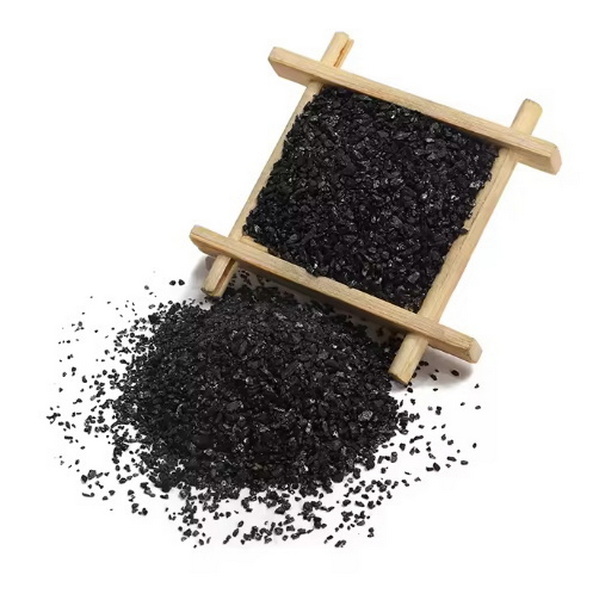
For a 75 gallon tank, a practical starting guideline is to use about 0.5–1 cup (roughly 100–200 g) of high‑quality activated carbon in the filter, depending on how heavily the aquarium is stocked and how clear and “polished” you want the water to be. Many hobbyists also use simple rules such as 1 tablespoon of activated carbon per 3 gallons and then adjust the dosage after observing the water for 1–2 weeks.
Activated carbon is a powerful filtration media that removes dissolved organics, odors, discoloration, medications, and many unwanted chemicals from aquarium water. Understanding how much activated carbon to use in a 75 gallon tank—and how to install, maintain, and adjust it—helps keep fish, corals, and plants healthy while avoiding overuse and unnecessary expense.
What “Enough” Activated Carbon Really Means
In everyday aquarium practice, “enough” activated carbon means using just the right amount to keep water clear, odor‑free, and chemically stable without stripping too many beneficial compounds. Because activated carbon works by adsorption, it gradually fills up with pollutants until its pores become saturated and it stops working effectively.
In a 75 gallon tank, most aquarists find that a moderate amount of activated carbon run continuously (or in regular cycles) is sufficient. If the water looks yellow, smells “fishy,” or has visible discoloration from driftwood tannins or chemical treatments, the amount of activated carbon is either too low or the media is exhausted and needs replacement.
Standard Dosage Rules for 75 Gallon Tanks
There is no single universal dose that works for every 75 gallon tank, because stocking level, feeding, and the type of livestock all matter. However, several practical rules of thumb are widely used:
- Rule 1: 1 tablespoon per 3 gallons
At this rate, a 75 gallon tank would use about 25 tablespoons—just over 1.5 cups—of standard aquarium‑grade activated carbon. This is on the higher side, suitable for heavy polishing or for short‑term use after medications or major water quality events.
- Rule 2: 0.5–1 cup per 75 gallons
Many reef and freshwater guides suggest that for routine use, around 0.5–1 cup of activated carbon is enough for a 75 gallon system, especially when using high‑capacity, low‑dust carbon. This range provides good water clarity without extreme stripping of organics.
- Rule 3: Follow brand‑specific directions
Some premium activated carbon products are more efficient per gram and list specific “gallons treated per cup” on the label. In those cases, start with the manufacturer's recommendation for roughly 75 gallons and then fine‑tune based on your own observations.
The key is to treat these estimates as starting points. If your 75 gallon aquarium is lightly stocked and well maintained, the lower end of the range often works well. For heavily stocked tanks, messy eaters, or systems with chronic yellowing or odor issues, the upper end—or even temporary higher doses—may be more appropriate.
Freshwater vs. Saltwater: Does the Amount Change?
Both freshwater and saltwater aquariums can benefit from activated carbon, but the optimal dose and change frequency can differ.
- Freshwater tanks
In community freshwater tanks, activated carbon is often used to remove tannins, residual medications, and general dissolved organics. For a 75 gallon freshwater aquarium, continuous use at a moderate level (around 0.5–1 cup) is usually enough, especially if water changes are regular.
- Reef and marine tanks
In reef aquariums, activated carbon is often used for water clarity and to remove toxins released by corals. Many reef keepers run relatively small amounts of high‑quality activated carbon on a continuous or pulsed schedule, changing it more frequently to avoid potential side effects. For a 75 gallon reef tank, small but frequently replaced batches—often in the lower half of the 0.5–1 cup range—are common.
Even though the basic question is “how much activated carbon for 75 gallon tank,” the real answer depends on whether the tank is planted, fish‑only, or reef, as well as how sensitive the inhabitants are to changes in water chemistry.
Stocking Level and Bioload Considerations
The heavier the bioload in the 75 gallon tank, the more dissolved organics reach the water. Bioload is influenced by:
- Number and size of fish
- Feeding frequency and type of food
- Presence of messy species (e.g., large cichlids, goldfish, or some marine predators)
A lightly stocked, well‑maintained 75 gallon tank with a modest feeding schedule may stay clear with a relatively small dose of activated carbon. In contrast, a heavily stocked tank with frequent feeding and limited water changes often requires a larger amount of activated carbon or more frequent replacement to maintain water clarity and smell.
As a rule:
- If the water is clear and odor‑free, you may be able to reduce the amount or extend the replacement interval.
- If the water is yellow, cloudy (without bacterial bloom), or smells strongly, increase the amount of activated carbon or change it more often.
Placement of Activated Carbon in a 75 Gallon Tank
Using the right amount of activated carbon is only half the equation; placing it correctly in the filter is equally important.
- After mechanical filtration
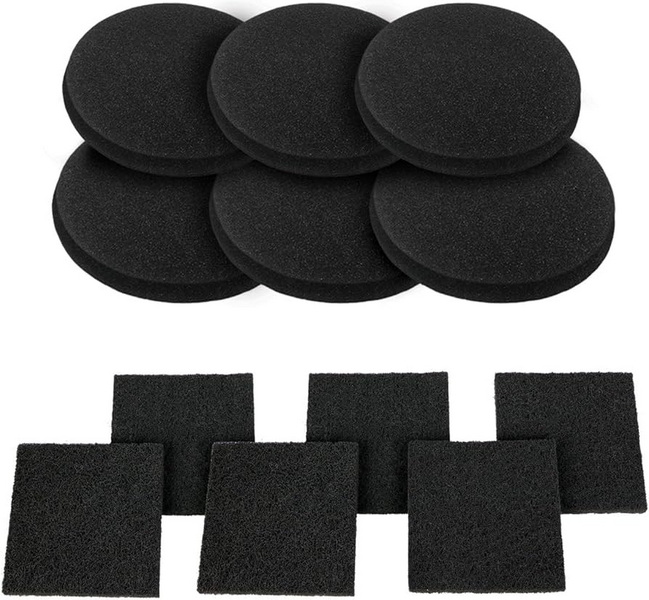
Activated carbon should be placed after coarse and fine mechanical media (sponges, pads, filter floss). This prevents solid debris from clogging the activated carbon pores and preserves the adsorption surface.
- Inside a filter bag or cartridge
For canister filters, activated carbon is usually placed in dedicated media trays. For hang‑on‑back filters and sumps, it can be packed in media bags or filter socks and positioned in high‑flow areas.
- Avoid dead spots and bypass
Water must be forced through the activated carbon, not simply around it. If the bag is stuffed in a corner with low flow, the effective amount of activated carbon is practically lower because most water never contacts the media.
In a 75 gallon tank, where filters typically have high flow rates, properly packed activated carbon in the main filter path ensures efficient contact and maximum use of the media's surface area.
How Often to Replace Activated Carbon
Even the best activated carbon has a limited lifespan. Once its pores are full of adsorbed compounds, it stops working and simply becomes an inert filter pad.
Typical replacement intervals are:
- Every 1–2 weeks in very demanding or heavily stocked marine systems, especially when targeting specific toxins or achieving ultra‑clear water.
- Every 2–4 weeks in most average‑load freshwater and reef aquariums where activated carbon is used primarily for polishing and odor control.
- Immediately after intensive uses such as removing medications or after clearing a severe chemical spill or toxin; in these situations, the media can become exhausted quickly and should be discarded once the emergency has passed.
If your 75 gallon tank suddenly becomes yellow or develops a strong odor even though mechanical and biological filtration are working well, it is often a sign that the activated carbon is exhausted and should be replaced.
Risks of Using Too Much Activated Carbon
In most home aquariums, using a bit more activated carbon than recommended will not cause instant catastrophe, but excessive or aggressive use can have drawbacks:
- Potential removal of beneficial compounds
Very large amounts of activated carbon used continuously may remove more dissolved organics and some trace substances than necessary, particularly in sensitive reef environments. While expert opinions differ on the extent of trace element removal, there is general agreement that extremely heavy, long‑term use should be approached cautiously.
- Carbon dust and mechanical irritation
Overfilling reactors or bags with activated carbon can cause excessive friction, grinding the granules into dust. If this dust is not rinsed out, it may end up in the tank and could irritate fish gills or settle on corals.
To avoid problems, it is usually better to run a moderate amount of high‑quality activated carbon, replace it regularly, and rely on water changes and balanced filtration rather than trying to solve every issue by doubling or tripling the carbon dose.
Preparing and Rinsing Activated Carbon Properly
Before placing activated carbon in a 75 gallon tank, proper preparation is essential:
- Rinse thoroughly
Place the activated carbon in a fine mesh bag and rinse under running water or in a bucket until the rinse water is mostly clear. This removes fines and dust produced during packaging and handling.
- Avoid hot or soapy water
Only use clean, additive‑free water (tap water is usually fine, followed by a quick final rinse with dechlorinated or tank water if desired). Never use soap or detergents.
- Pack loosely
In the filter tray or media bag, distribute the activated carbon in an even layer. It should not be packed so tightly that water cannot flow through it, but it should also not be so loose that it floats around and bypasses the main flow.
Correct rinsing and packing are critical to ensure that the chosen amount of activated carbon performs as expected and does not cause unnecessary initial cloudiness.
Adjusting Activated Carbon for Special Situations
There are several special situations in a 75 gallon tank where the standard amount of activated carbon may need to be temporarily increased or decreased.
- After medications
Once a treatment period is complete, extra fresh activated carbon is typically added to the filter to pull residual medications from the water. The tank may run a higher‑than‑usual dose of activated carbon for a few days, followed by a return to the normal maintenance amount after a partial water change.
- Severe discoloration or odor
When a 75 gallon aquarium develops intense yellow or brown water from driftwood, decaying matter, or chemical contamination, a larger dose of activated carbon is often combined with increased water changes. After the water clears, the amount of activated carbon can be reduced again.
- Low nutrient or planted systems
Some planted tank keepers use little or no activated carbon, preferring to maintain higher levels of nutrients in the water for plants. In such tanks, activated carbon may be reserved only for short‑term use after medications or accidental contamination.
In each case, the question “how much activated carbon for 75 gallon tank” becomes a matter of balancing the intensity and duration of use against the long‑term stability of the system.
Choosing the Right Type of Activated Carbon
The type and quality of activated carbon can significantly affect how much is needed in a 75 gallon aquarium.
- Granular activated carbon (GAC)
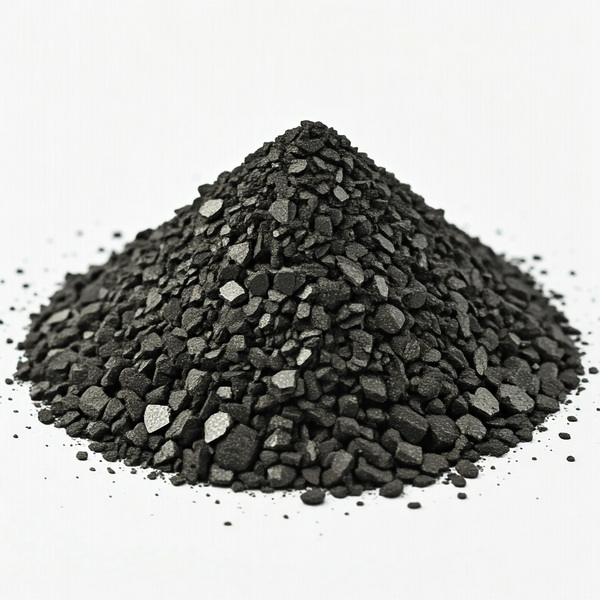
This is the most common type used in aquarium filters. It offers a large surface area and flexible packing options. It may produce more dust and usually needs thorough rinsing.
- Pelletized activated carbon
Pelletized forms are easier to handle, often generate less dust, and work well in reactors and high‑flow applications. Because pellets can be more uniform, water flows predictably through the media bed.
- Premium vs. economy brands
Premium activated carbon often has higher adsorption capacity per gram, meaning you may need less media to treat the same volume of water. It is usually lower in ash, phosphate‑free, and specially processed for aquarium use.
For a 75 gallon tank, the choice of activated carbon type and quality should match your goals: crystal‑clear water in a high‑end reef system may justify premium carbon, while a low‑budget community tank may do well with standard aquarium‑grade carbon changed frequently.
Practical Step‑by‑Step Guide for a 75 Gallon Tank
The following simple process helps you determine and manage the right amount of activated carbon for your 75 gallon aquarium:
1. Estimate a starting dose
Begin with 0.5–1 cup (about 100–200 g) of activated carbon for your 75 gallon tank. Lean toward the lower end for lightly stocked systems and the higher end for heavily stocked or problematic tanks.
2. Rinse the media
Place the activated carbon in a mesh bag and rinse until the water runs mostly clear, removing dust and fines.
3. Install in the right position
Put the bag or tray of activated carbon after mechanical media in your canister filter, hang‑on‑back filter, or sump, ensuring strong but not overly turbulent flow through the media.
4. Monitor water quality and livestock
Over the next 1–2 weeks, watch for changes in water clarity, color, and smell, and observe fish, corals, and plants for signs of stress or improvement.
5. Adjust amount and schedule
If the water still looks yellow or smells bad, slowly increase the amount of activated carbon or shorten the replacement interval. If everything is clear and stable, you may be able to slightly reduce the dose and extend the change interval.
This straightforward approach keeps the 75 gallon tank stable while fine‑tuning how much activated carbon is actually needed for your specific system.
Conclusion
For a typical 75 gallon aquarium, starting with about 0.5–1 cup (roughly 100–200 g) of high‑quality activated carbon placed in a high‑flow area of the filter after mechanical media provides a solid balance between water clarity and chemical stability. By adjusting this amount based on bioload, water quality, and special events such as medication or severe discoloration, you can optimize the benefits of activated carbon without overusing it or risking unnecessary side effects. When combined with good mechanical and biological filtration and consistent water changes, properly dosed and regularly replaced activated carbon becomes a reliable tool for keeping a 75 gallon tank clear, healthy, and visually impressive.
Contact us to get more information!
FAQ
1) How much activated carbon should I use continuously in a 75 gallon tank?
For continuous use in a 75 gallon tank, most aquarists find that 0.5–1 cup of activated carbon is enough to keep water clear and odor‑free under normal stocking and feeding. Heavily stocked tanks or systems with chronic discoloration may benefit from the higher end of this range or more frequent replacement, while lightly stocked tanks often do well near the lower end.
2) How often should I replace activated carbon in a 75 gallon aquarium?
In many 75 gallon aquariums, activated carbon is replaced every 2–4 weeks during routine operation. In very demanding reef systems, or when using activated carbon to remove specific contaminants or medications, replacement intervals as short as 1–2 weeks are common. If you notice water yellowing, increasing odor, or reduced clarity, it is a strong signal that the activated carbon is exhausted and should be changed.
3) Can I run my 75 gallon tank without activated carbon?
Yes, many aquarists successfully run 75 gallon tanks without activated carbon by relying on strong biological filtration and regular water changes. However, activated carbon is very useful for removing residual medications, tannins from driftwood, and various organic pollutants. Even if you do not run it continuously, it is wise to keep some activated carbon on hand for emergencies and for polishing the water when needed.
4) Will activated carbon remove beneficial nutrients or trace elements?
At moderate dosages, activated carbon in a 75 gallon tank primarily targets dissolved organics, odors, colorants, and many unwanted chemicals rather than essential major ions such as calcium, magnesium, or carbonate. There is debate about the extent to which activated carbon removes minor trace elements, especially in reef systems, so many reef keepers choose to use smaller amounts more frequently and support the tank with balanced dosing or trace‑element supplementation as needed. For most freshwater community setups, the risk of problematic trace element removal is very low when activated carbon is used sensibly.
5) Is it safe to increase the amount of activated carbon temporarily in a 75 gallon tank?
Temporarily increasing the amount of activated carbon in a 75 gallon tank is generally safe when done in a controlled way, especially after medications, accidental contamination, or severe discoloration. In these situations, a larger dose of fresh activated carbon can rapidly remove problem substances, and the media can then be removed or reduced once the water is stable and clear. The main precaution is to avoid permanently running extremely large amounts of highly aggressive carbon in sensitive reef systems without monitoring livestock and water chemistry.
Citations:
1. https://topshelfaquatics.com/pages/carbon-calculator
2. https://www.bulkreefsupply.com/reef-calculator/carbon-calculator-aquarium
3. https://www.reef2reef.com/threads/how-much-activated-carbon-is-too-much.445087/
4. https://activatedcarbondepot.com/blogs/news/activated-carbon-for-aquariums-a-complete-guide
5. https://www.drtimsaquatics.com/aquarium-hobby/general-articles/activated-carbon
6. https://www.reefbum.com/water-chemistry/pluses-minuses-using-activated-carbon
7. https://coralaxy.de/en/blogs/wissenswertes/activated-carbon-how-it-works-in-reef-tanks
8. https://reefs.com/interesting-thing-i-learned-about-carbon-this-week/


