Content Menu
● What Activated Carbon Does in Aquariums
● How Long Activated Carbon Is Good for in Aquarium
● Key Factors That Decide How Long Activated Carbon Is Good for
>> Bioload and Water Quality
>> Type and Quality of Activated Carbon
>> Freshwater vs. Saltwater or Reef Aquariums
>> Amount of Activated Carbon Used
>> Flow Rate and Contact Time
● How to Tell When Activated Carbon Is No Longer Good
>> Simple Bucket Test
● Recommended Replacement Schedules for Activated Carbon
● Best Practices to Make Activated Carbon Last Effectively
>> Rinse and Prepare Activated Carbon Correctly
>> Place Activated Carbon in the Right Filter Position
>> Maintain Good Overall Aquarium Hygiene
● Should You Run Activated Carbon All the Time?
>> When Continuous Activated Carbon Use Helps
>> When Limited or No Activated Carbon Is Better
● How Much Activated Carbon to Use in Aquarium
● Common Myths About How Long Activated Carbon Is Good for
>> Myth 1: Activated Carbon Lasts Forever
>> Myth 2: Exhausted Activated Carbon Dumps Toxins Back
>> Myth 3: You Cannot Run an Aquarium Without Activated Carbon
● Practical Monthly Routine for Activated Carbon in Aquarium
● Conclusion
● FAQ – How Long Is Activated Carbon Good for in Aquarium?
>> 1: How many weeks is activated carbon usually good for in a home aquarium?
>> 2: What are the clearest signs that activated carbon is no longer good?
>> 3: Is it dangerous to leave exhausted activated carbon in my filter?
>> 4: Can I run a planted aquarium without activated carbon?
>> 5: How often should I change activated carbon in a reef or saltwater aquarium?
In most home aquariums, activated carbon is good for about 2–6 weeks before it becomes saturated and stops effectively adsorbing impurities. The exact lifespan of activated carbon in an aquarium depends on tank size, bioload, water quality, carbon type, and how much activated carbon you use.
What Activated Carbon Does in Aquariums
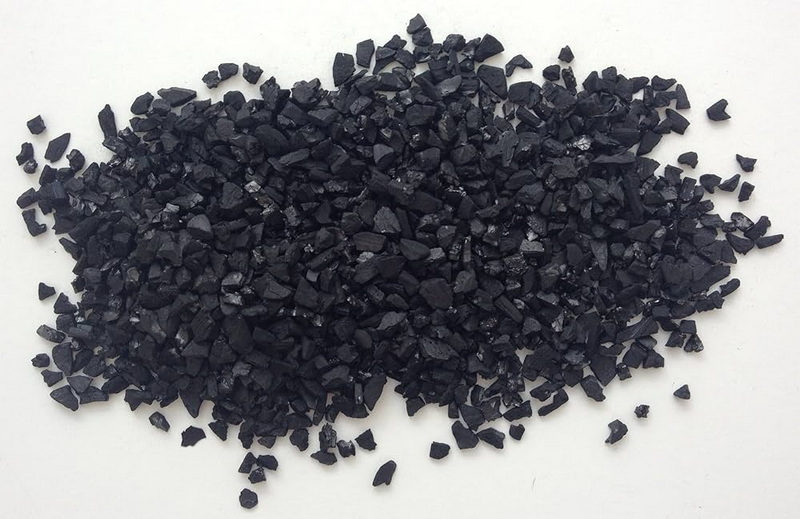
Activated carbon is a porous filtration media that adsorbs dissolved organic compounds, odors, discoloration, and many chemicals from aquarium water. In aquarium filters, activated carbon helps keep water crystal clear, reduces yellow tint, and improves light penetration and overall viewing quality.
- Activated carbon works by adsorption, trapping molecules on its huge internal surface area instead of dissolving into the water.
- It is typically placed in filter cartridges, media bags, or dedicated chambers within internal, hang‑on‑back, canister, or sump filters.
How Long Activated Carbon Is Good for in Aquarium
The typical service life of activated carbon in an aquarium is measured in weeks, not months or years. Most aquarists replace activated carbon on a regular schedule to maintain stable water quality and avoid performance drops.
- Many recommendations suggest replacing activated carbon every 2–4 weeks for optimal performance, especially in heavily stocked tanks.
- Other guidance indicates that activated carbon can last 4–6 weeks in standard freshwater aquariums, and often 2–4 weeks in saltwater tanks with higher organic loads.
In lightly stocked, well‑maintained tanks, some aquarists may stretch replacement to 6–8 weeks if water clarity and odor remain excellent. In tanks with very high bioload or after medication and algae problems, activated carbon may need to be changed even sooner than 2–3 weeks.
Key Factors That Decide How Long Activated Carbon Is Good for
Bioload and Water Quality
High bioload and dirty water shorten how long activated carbon is good for in an aquarium.
- Tanks with many fish, heavy feeding, decaying plant matter, or accumulated waste quickly saturate activated carbon, often requiring replacement every 2–3 weeks.
- Lightly stocked aquariums with disciplined maintenance and regular water changes can use the same activated carbon for 4–6 weeks before it stops working effectively.
If ammonia, nitrite, or nitrate frequently climb, or if you see large amounts of organic waste, your activated carbon is working harder and will not stay good for as long.
Type and Quality of Activated Carbon
Different types of activated carbon have different lifespans in aquarium use.
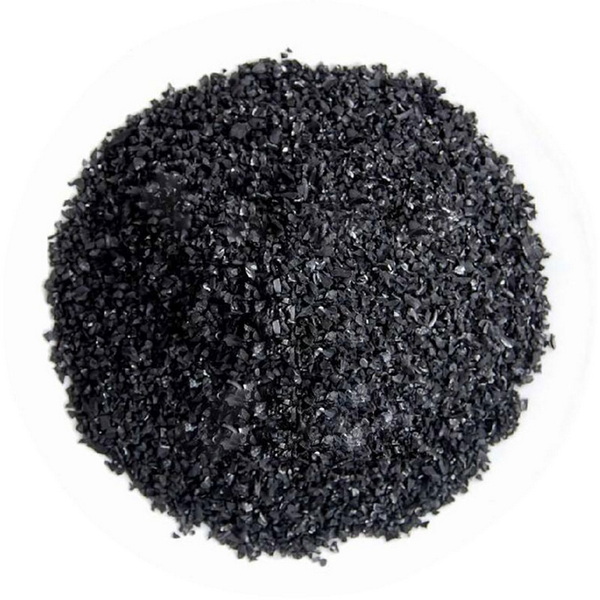
- Granular Activated Carbon (GAC) is the most common form and usually performs well for about 4 weeks in standard freshwater tanks.
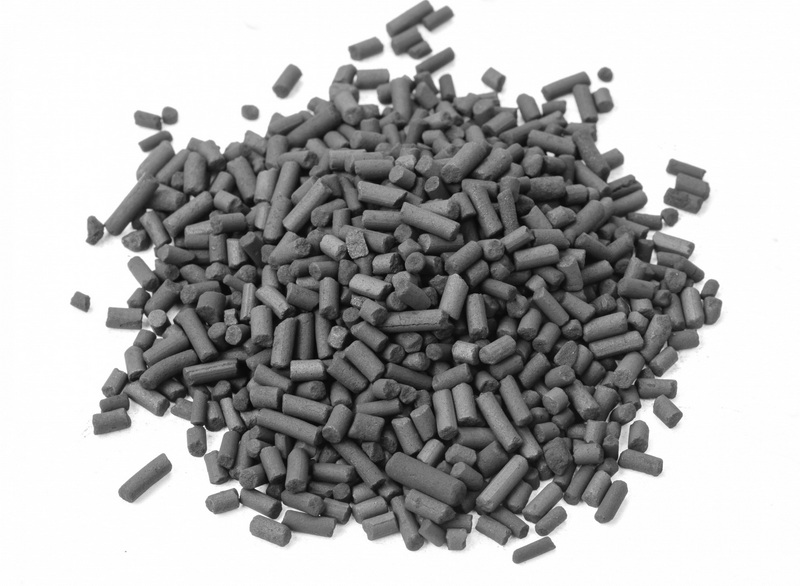
- Pelletized or extruded activated carbon can sometimes last longer (up to 6–8 weeks) but may work more slowly due to its denser structure.
- High‑quality, properly activated carbon generally has more internal surface area and a cleaner pore structure, so it lasts longer and adsorbs more impurities than cheap, low‑grade carbon.
Choosing a reputable, aquarium‑grade activated carbon helps make sure it stays effective for the full recommended period.
Freshwater vs. Saltwater or Reef Aquariums
Aquarium environment also affects how long activated carbon is good for.
- In standard freshwater tanks, activated carbon typically lasts 4–6 weeks if water quality is stable and bioload is moderate.
- In saltwater or reef tanks, activated carbon may need changing more frequently, often every 2–4 weeks, because organic load and chemical interactions between organisms can be higher.
- Many reef aquarists run activated carbon continuously to remove yellowing compounds and toxins released by corals and other invertebrates, replacing it on a strict schedule.
In marine systems, clear water is critical for light penetration, so shorter intervals are common to keep activated carbon always fresh.
Amount of Activated Carbon Used
The more activated carbon you use (within reasonable limits), the longer it stays effective in your aquarium.
- Using the manufacturer‑recommended volume relative to tank size ensures activated carbon does not saturate too quickly.
- Oversizing the quantity of activated carbon can extend the time it is good for, but using excessively large amounts may be unnecessary and does not replace proper maintenance.
A practical rule is to start with the amount suggested on the product label, then adjust up or down based on how quickly your water becomes discolored or develops odor.
Flow Rate and Contact Time
Water flow through activated carbon affects both how fast it works and how long it is good for in your aquarium.
- Higher flow exposes more water to activated carbon more quickly, polishing the water fast but potentially exhausting the carbon sooner.
- Moderate, even flow through the activated carbon is ideal, avoiding “channeling” where water bypasses media pockets and reduces effective contact.
You want all water passing through activated carbon regularly, but not so violently that the media grinds down, clumps, or becomes clogged.
How to Tell When Activated Carbon Is No Longer Good
Instead of relying only on the calendar, it is smart to use visual and sensory signs that activated carbon has stopped working effectively.
Common signs that activated carbon is no longer good include:
- Yellow or tea‑colored water compared to fresh water, especially when viewed in a white container.
- Increased odor from the aquarium, even though filters and aeration are running.
- Cloudy water or a dull look that does not improve despite mechanical filtration.
If you see these changes and your filter and other maintenance are normal, your activated carbon is likely exhausted.
Simple Bucket Test
A simple bucket test helps you see when activated carbon has stopped keeping water clear.
1. Fill a white bucket or light‑colored container with fresh, clean tap water (or freshly mixed saltwater for marine tanks).
2. Fill another bucket to the same level with water from your aquarium.
3. Place the buckets side by side in good light and compare the color.
If the aquarium water looks yellow or noticeably dull compared to the fresh water, your activated carbon has likely lost most of its adsorption capacity and should be replaced.
Recommended Replacement Schedules for Activated Carbon
While every aquarium is unique, these general schedules help decide how long activated carbon is good for before replacement:
- Small freshwater tanks (5–20 gallons), moderate to high bioload: change activated carbon every 2–4 weeks.
- Medium freshwater tanks (20–50 gallons), typical community fish: change every 4–6 weeks if water remains clear and odor‑free.
- Large freshwater tanks (50+ gallons), stable stocking: change every 4–6 weeks, sometimes up to 6–8 weeks with very light stocking.
- Heavily stocked tanks or messy fish (goldfish, cichlids, large carnivores): change activated carbon every 2–3 weeks.
- Planted freshwater tanks: run without activated carbon or use it only temporarily; if used continuously, change every 4–6 weeks.
- Reef and saltwater tanks: change activated carbon every 2–4 weeks to keep water exceptionally clear and reduce dissolved organics.
These schedules are starting points. If you see yellowing, cloudiness, or odor earlier, change activated carbon sooner.
Best Practices to Make Activated Carbon Last Effectively
To get the maximum practical life from activated carbon in your aquarium, combine correct installation with good general maintenance.
Rinse and Prepare Activated Carbon Correctly
Before putting activated carbon into your filter:
- Rinse it thoroughly in clean water to remove dust and fine particles that could cloud the aquarium.
- Use a mesh media bag, filter sock, or dedicated cartridge so activated carbon is contained and easy to handle.
- Do not crush or compress activated carbon so tightly that water cannot flow through it evenly.
Proper rinsing and loose packing help activated carbon start working immediately and prevent unwanted dust in the tank.
Place Activated Carbon in the Right Filter Position
Filter configuration influences how long activated carbon is good for and how well it performs.
- Place mechanical media (sponges, pads) before activated carbon, so debris is removed first and does not clog the carbon.
- Put activated carbon after mechanical stages but before or alongside biological media in many standard filter layouts.
- Ensure water is forced through the activated carbon media bag or cartridge, not around it.
When the flow path is correct, activated carbon sees a consistent, filtered water stream and remains effective longer.
Maintain Good Overall Aquarium Hygiene
Activated carbon works best as part of a complete filtration and maintenance system.
- Perform regular partial water changes to keep dissolved waste and nitrate under control.
- Vacuum substrate, remove decaying leaves, and avoid overfeeding to reduce the load on activated carbon.
- Make sure biological filtration is strong so activated carbon does not have to compensate for poor nitrogen cycle management.
If general maintenance is good, activated carbon primarily polishes the water and can stay useful for more of its potential lifespan.
Should You Run Activated Carbon All the Time?
Many aquarists run activated carbon continuously, but it is not absolutely required in every aquarium.
When Continuous Activated Carbon Use Helps
Running activated carbon all the time is often beneficial when:
- You want very clear, colorless water for display tanks.
- Your tank contains fish that produce strong odors, or you feed heavily.
- You keep corals or other sensitive organisms that release dissolved compounds and may benefit from cleaner water.
In such systems, activated carbon becomes a core part of chemical filtration, and regular replacement is built into monthly maintenance.
When Limited or No Activated Carbon Is Better
In some setups, activated carbon is used only occasionally or not at all.
- In heavily planted tanks with fertilization, some aquarists avoid continuous activated carbon because it may reduce certain organic supplements and trace additives.
- During medication treatment, activated carbon should be removed, because it can adsorb and weaken many fish medicines.
- After treatment, fresh activated carbon is added for a short time to remove residual medications and polish the water.
Whether you run activated carbon all the time or only as needed depends on your goals, livestock, and maintenance style.
How Much Activated Carbon to Use in Aquarium
Using a suitable amount of activated carbon is just as important as changing it on time.
- A common guideline is roughly 50–100 grams of activated carbon per 100 liters (about 26 gallons) of water as a starting point for standard freshwater tanks.
- Heavily stocked or messy tanks may benefit from the higher end of this range or slightly more.
- Very large systems, reef tanks, and sumps often use dedicated reactors or large media bags with several hundred grams of activated carbon, matched to system volume and load.
Always check manufacturer instructions and then fine‑tune the dosage based on your tank's clarity, smell, and overall performance.
Common Myths About How Long Activated Carbon Is Good for
There are several myths and misunderstandings about activated carbon and its lifespan in aquariums.
Myth 1: Activated Carbon Lasts Forever
Some beginners assume that once activated carbon is in the filter, it keeps working indefinitely. In reality, activated carbon has a finite adsorption capacity and gradually fills up with impurities, usually becoming effectively exhausted after a few weeks.
Myth 2: Exhausted Activated Carbon Dumps Toxins Back
Another common belief is that saturated activated carbon suddenly releases all captured contaminants back into the water. In normal aquarium conditions, exhausted activated carbon primarily stops adsorbing new impurities rather than dumping them, but water quality still declines if you leave old carbon in for too long.
Myth 3: You Cannot Run an Aquarium Without Activated Carbon
Many successful aquariums run with strong biological and mechanical filtration and regular water changes but no continuous activated carbon. Activated carbon is optional in such setups and used mainly when needed for polishing, odor control, or chemical removal.
Practical Monthly Routine for Activated Carbon in Aquarium
A simple, repeatable routine keeps your activated carbon performing well:
1. Choose a high‑quality, aquarium‑grade activated carbon suitable for your tank size and type.
2. Rinse the activated carbon thoroughly in clean water before placing it in a media bag or cartridge.
3. Place the media in a high‑flow but non‑violent area of your filter, after mechanical media.
4. Note the installation date so you know how long the activated carbon has been in the system.
5. Once a week, visually inspect tank water for cloudiness, yellowing, or unusual odors.
6. Replace activated carbon every 2–4 weeks in high‑load or saltwater systems, and every 4–6 weeks in lightly stocked freshwater tanks, or sooner if bucket tests show yellowing.
7. After any medication treatment or major water quality incident, install fresh activated carbon for a short period to clear residual chemicals.
Following this routine ensures activated carbon is always in its effective window and does not simply sit exhausted in your filter.
Conclusion
Activated carbon is a powerful and flexible chemical filtration media that keeps aquarium water clear, colorless, and free from many dissolved organic pollutants and odors. In real aquariums, activated carbon is usually good for about 2–6 weeks, with shorter intervals in tanks that are heavily stocked, heavily fed, or marine, and longer intervals in lightly stocked and well‑maintained freshwater systems.
How long activated carbon is good for in your aquarium depends on the bioload, water quality, type and amount of activated carbon used, and how water flows through your filter. Instead of relying only on a calendar, you should watch for yellowing, cloudiness, and odors and use simple tests to decide when to change it. By choosing high‑quality activated carbon, using the correct dosage, placing it correctly, and replacing it on a sensible schedule, you can maintain stable water quality and provide a healthy, attractive environment for your fish, plants, and corals.
Contact us to get more information!
FAQ – How Long Is Activated Carbon Good for in Aquarium?
1: How many weeks is activated carbon usually good for in a home aquarium?
In most home aquariums, activated carbon is usually good for about 2–4 weeks in tanks with higher fish loads and 4–6 weeks in lightly stocked, well‑maintained tanks. After this period, the activated carbon is often saturated and no longer removes dissolved impurities effectively, so it should be replaced.
2: What are the clearest signs that activated carbon is no longer good?
The clearest signs that activated carbon is no longer good are yellow or tea‑colored water when compared to fresh water, increased odor from the tank, and a dull or cloudy appearance that does not improve with normal mechanical filtration. If you see these changes, it is a strong indication that your activated carbon is exhausted and needs replacement.
3: Is it dangerous to leave exhausted activated carbon in my filter?
Exhausted activated carbon does not usually release all captured pollutants back into the water at once, but it stops providing any real chemical filtration benefit. Leaving it in the filter too long means that dissolved organics and discoloration will slowly build up, so it is better practice to remove or replace old activated carbon regularly instead of leaving it indefinitely.
4: Can I run a planted aquarium without activated carbon?
Yes, many planted aquariums run successfully without continuous activated carbon, relying on strong biological filtration, good circulation, and regular water changes. In planted systems, activated carbon is often used only temporarily, for example after medication or when you want to remove discoloration, because continuous use may reduce some added organic supplements and trace elements.
5: How often should I change activated carbon in a reef or saltwater aquarium?
In reef and saltwater aquariums, it is common to change activated carbon every 2–4 weeks to keep water extremely clear and reduce dissolved organic compounds and coral‑released chemicals. Because light penetration and water clarity are critical for coral health, many reef keepers include frequent activated carbon replacement as a regular part of their maintenance routine.


