
Language
Views: 222 Author: Tina Publish Time: 2026-01-17 Origin: Site


Content Menu
● What Determines Activated Carbon Filter Lifespan?
● Typical Lifespan in Different Air Applications
● Recommended Replacement Intervals
● How Air Quality Affects Activated Carbon Life
● Role of Humidity and Temperature
● Importance of Carbon Bed Design and Quality
● Signs Your Activated Carbon Air Filter Is Spent
● Residential vs. Industrial Activated Carbon Air Filters
● Maintenance Tips to Maximize Activated Carbon Life
● How Long Does Activated Carbon Last in Special Conditions?
● FAQ About Activated Carbon Air Filter Life
>> (1) How often should I replace an activated carbon HVAC filter?
>> (2) Can activated carbon air filters last for years?
>> (3) Does humidity shorten the life of activated carbon?
>> (4) How do I know when the activated carbon is saturated?
>> (5) Can activated carbon in air filters be regenerated?
Activated carbon in an air filter typically lasts from about 3 months up to 1 year in most home and light‑commercial applications, but high‑end systems and low‑pollution environments can extend this to several years. The actual service life of an activated carbon air filter depends on air quality, humidity, airflow rate, carbon bed design, and the quality of the activated carbon itself.
Activated carbon removes gaseous contaminants by adsorption, trapping odor and chemical molecules in its pore structure until all active sites are saturated. Once saturated, the activated carbon can no longer effectively capture pollutants and the filter must be replaced, even if it still looks clean.
Key factors that control how long activated carbon lasts in air filters include:
- Indoor air pollution level and VOC/odor load
- Volume of air passing through the activated carbon (CFM)
- Thickness and density of the activated carbon bed
- Humidity and temperature of the airstream
- Overall filter design and housing quality
In real‑world systems, activated carbon filter life falls into fairly consistent ranges for typical uses.
- In many residential and light‑commercial air filters, activated carbon media is designed to last about 3–12 months under normal conditions.
- Some HVAC and AC systems using activated carbon panels recommend replacement every 3–6 months, especially in homes with odors, pets, or smokers.
- High‑end air purifiers with large, well‑designed activated carbon cartridges can extend service life up to several years in low‑pollution environments.
Manufacturers usually specify a replacement interval to help users avoid running activated carbon well past saturation. General guidelines for activated carbon air filters are:
- 3–6 months: Common for many residential HVAC carbon filters and odor‑control filters in average environments.
- 6–12 months: Typical for higher‑capacity activated carbon filters and quality air purifiers under moderate pollution.
- 12–24 months: Possible in well‑sized carbon filters for controlled environments and certain industrial odor‑control systems.
When in doubt, follow the replacement schedule from the air filter manufacturer and shorten the interval if strong odors or pollutants are present.
Air quality is one of the most important drivers of how long activated carbon lasts in an air filter. The more VOCs, fumes, and odors present, the faster the pores of the activated carbon become saturated and lose capacity.
Situations that quickly consume activated carbon capacity include:
- Spaces exposed to smoke, cooking fumes, or traffic emissions
- Industrial areas with solvents, chemicals, or process off‑gases
- Grow rooms and horticultural spaces with heavy organic odors
- Buildings near wildfires or other extreme outdoor pollution events
Cleaner environments, with low VOC levels and minimal odor sources, allow the same mass of activated carbon to last significantly longer.
Humidity strongly influences the performance and durability of activated carbon in air filters. At high relative humidity, water molecules compete with VOCs for adsorption sites and can partially block or fill the pores of activated carbon, reducing its adsorption capacity and practical life.
- Relative humidity above about 70% is often cited as unfavorable for long‑term activated carbon performance, especially in odor control systems.
- In ideal, moderate‑humidity conditions, high‑quality activated carbon filters can achieve their maximum design life.
Temperature also affects adsorption, with many activated carbon systems designed for typical indoor conditions; extreme heat can reduce adsorption efficiency for some contaminants.
The design of the activated carbon bed inside the air filter strongly influences both efficiency and service life.
- Bed thickness and density: Thicker, denser beds of activated carbon provide longer contact time and more adsorption capacity, extending filter life.
- Housing and sealing: High‑quality housings prevent bypass, forcing all air through the activated carbon; poor sealing allows unfiltered air to leak around the media.
- Carbon type and quality: Different activated carbon grades (coal‑based, coconut shell, chemically impregnated types) offer different capacities for specific gases and VOCs.
Well‑engineered filters maximize the utilization of activated carbon before saturation, while low‑quality products may appear to last but never fully treat the air volume effectively.
Because activated carbon does not change color dramatically as it saturates, visual inspection alone is not reliable. Practical indicators that the activated carbon in your air filter is near the end of its life include:
- Odors return or are no longer adequately reduced
- Chemical or smoke smells pass through quickly after filter startup
- Increased complaints of stuffy or stale indoor air
- Manufacturer's maximum time interval has been reached
In critical industrial or odor‑sensitive applications, periodic media testing services can quantify remaining capacity in activated carbon beds and determine optimal replacement timing.
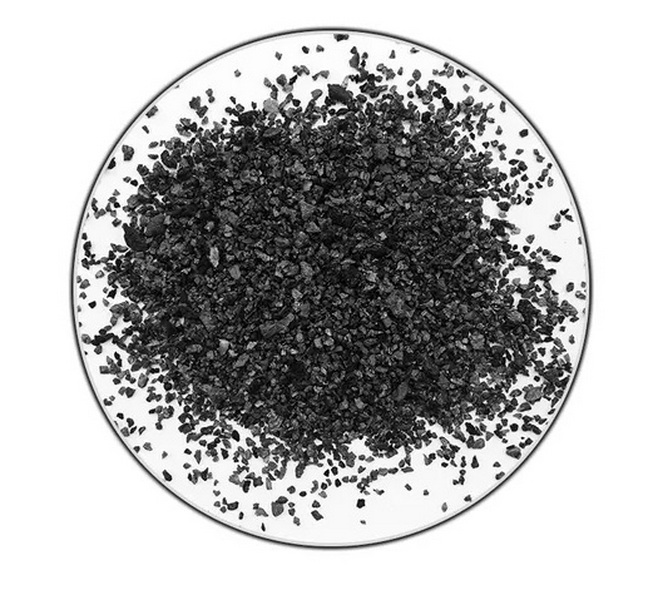
Activated carbon is used in both household air filters and large industrial systems, but service life expectations differ.
- Residential and light‑commercial filters often use thin activated carbon layers combined with particulate media, targeting general odors and VOCs with convenient replacement cycles of a few months.
- Industrial systems may employ deep activated carbon beds, engineered contact times, and specific carbon grades, allowing longer continuous operation and the potential for carbon change‑out based on monitoring or analysis.
In both cases, the activated carbon must be sized and maintained to match the contaminant load and ventilation requirements of the application.
Proper maintenance practices can extend how long activated carbon lasts in an air filter without sacrificing air quality.
- Replace or clean pre‑filters regularly so dust and particles do not clog the activated carbon layer.
- Avoid operating carbon filters in very high humidity environments whenever possible.
- Keep to a replacement schedule even if the filter looks clean, because activated carbon saturation is not obvious visually.
- In higher‑pollution spaces, shorten the recommended replacement interval to maintain effective adsorption.
For industrial users, periodic carbon sampling and media life analysis help optimize change‑out intervals and avoid breakthrough of critical contaminants.
Certain scenarios can sharply reduce or sometimes extend the life of activated carbon filters.
- During extreme air quality events such as wildfires, activated carbon filters can reach saturation much faster due to intense pollutant concentrations.
- In well‑controlled environments running high‑capacity activated carbon filters at modest airflow and low VOC levels, service life can extend well beyond common 3–12 month ranges.
Matching activated carbon capacity to the expected pollutant load and choosing quality media is essential to ensure reliable air purification performance over the design life.
Activated carbon is a powerful adsorbent for removing odors, VOCs, and many gaseous pollutants from air, but it has a finite life that ends when its pores become saturated. In most air filtration systems, activated carbon filters last from several months up to about a year, with service life tightly linked to air quality, humidity, airflow, bed design, and product quality. For reliable performance, users should combine manufacturer guidelines, observed odor control, and, in industrial settings, media analysis to determine the optimal replacement interval for each activated carbon air filter installation.
Contact us to get more information!
Most homeowners should replace activated carbon HVAC filters about every 3–6 months, depending on indoor air quality, odor load, and system usage. Homes with pets, smokers, or strong odors may require more frequent replacement, while cleaner environments can sometimes stretch toward the upper end of the recommended interval.
Some high‑capacity activated carbon filters in quality air purifiers are engineered to last from 1–6 years when used in relatively clean air and under optimal humidity. However, in typical residential or higher‑pollution conditions, realistic replacement intervals remain closer to 3–12 months to maintain reliable gas and odor removal.
High humidity causes water molecules to occupy pores in activated carbon, reducing available adsorption sites for VOCs and odors and effectively shortening filter life. For this reason, manufacturers often advise avoiding sustained humidity above about 70% in air streams treated by activated carbon filters.
The clearest sign that activated carbon is saturated is the return of odors and gaseous pollutants that the filter previously controlled. Because saturation is not visible, it is best to follow time‑based replacement guidelines and use odor breakthrough as an additional warning in demanding applications.
Large industrial activated carbon beds can sometimes be regenerated or replaced in bulk and reactivated off‑site, but most small residential activated carbon air filters are designed as disposable units. For household and light‑commercial filters, replacing the spent activated carbon element at the specified interval is usually more practical and ensures consistent air quality.
1. https://lifesupplyusa.com/blogs/news/activated-carbon-charcoal-air-filters-how-long-do-they-last
2. https://ipsystemsusa.com/maximizing-the-lifespan-of-your-carbon-filter-a-comprehensive-guide/
3. https://www.rabbitair.com/blogs/air-purifier/how-long-do-carbon-filters-last
4. https://terra-bloom.com/blogs/news/activated-carbon-air-filters-untangling-the-true-from-the-false
5. https://terra-bloom.com/blogs/news/how-long-do-carbon-filters-last
6. https://www.fram.com/vehicle-maintenance-center/post/how-carbon-air-filters-work
7. https://evergreenhvacnc.com/should-i-replace-the-filter-on-my-ac-unit-every-month/
8. https://www.diamondheatingalaska.com/how-why-when-to-change-your-air-filters/
9. https://www.industrialodorcontrol.com/lrf-linear-wolverine-brand-activated-carbon-filter-sizelrf-6.html
10. https://molekule.com/blogs/all/how-long-will-an-activated-carbon-filter-last
11. https://smartairfilters.com/learn/smart-air-knowledge-base/what-is-the-lifespan-of-the-carbon-filters/
12. https://theacdoctors.com/ac-filter-change-frequency/
13. https://summersphc.com/kokomo/2025/02/how-often-should-you-change-your-hvac-filter-the-answer-might-surprise-you/


