Content Menu
● What Determines Filter Lifetime
● Typical Lifespan in Water Treatment
● Typical Lifespan in Air and Gas Treatment
● Key Signs Your Activated Carbon Filter Is Spent
● How Application Affects Lifetime
● Role of Carbon Quality and Bed Design
● Operating Conditions That Shorten Life
● Typical Replacement Guidelines by Use Case
● How to Extend Activated Carbon Filter Life
● Regeneration and Replacement in Industrial Systems
● Practical Replacement Rules of Thumb
● Conclusion
● FAQ
>> 1. How long do activated carbon water filters usually last?
>> 2. How long do activated carbon air filters last?
>> 3. Can activated carbon filters be regenerated or reused?
>> 4. How do I know when my activated carbon filter is no longer effective?
>> 5. Does unused activated carbon filter media expire on the shelf?
● Citations:
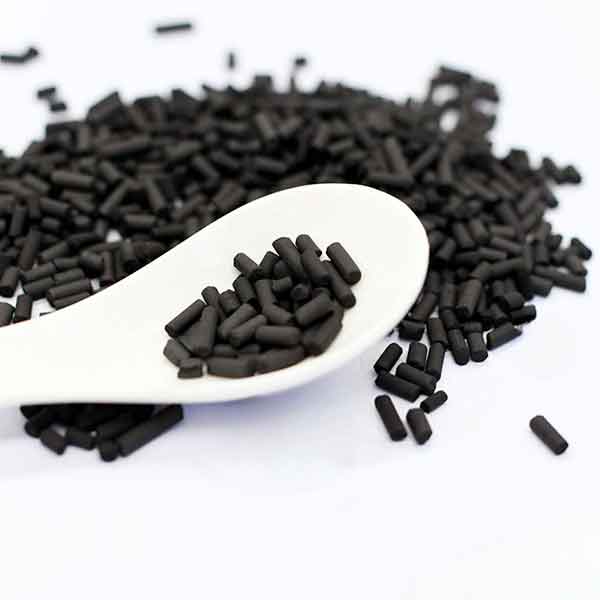
Activated carbon filters do not have a single fixed lifetime; their service life ranges from a few months to several years depending on whether they are used for water, air, or gas treatment, and on factors like contaminant load, humidity, and filter design. In typical consumer applications, many activated carbon water filters last around 2–12 months, while activated carbon air filters often need replacement every 3–12 months, although some heavy-duty or oversized filters can work effectively for several years when conditions are ideal.
What Determines Filter Lifetime
The service life of an activated carbon filter is controlled by how quickly its pores become saturated with contaminants and moisture. This depends on both the characteristics of the activated carbon itself and the operating environment.
Key factors include:
- Type and concentration of contaminants in water, air, or gas
- Flow rate, contact time, and operating hours per day
- Temperature and humidity around the activated carbon filter
- Quality, pore structure, and quantity of activated carbon media
- Presence of pre-filters (sediment, HEPA) that protect the carbon layer
Typical Lifespan in Water Treatment
In residential and light commercial water treatment, granular activated carbon (GAC) or carbon block cartridges are usually treated as consumables with a defined replacement schedule. Even if the activated carbon has unused capacity, cartridges are often changed preventively to maintain taste, flow, and hygiene.
Common ranges for activated carbon water filters:
- Small pitcher/inline carbon filters: about 2–6 months of use from first wetting, depending on water quality and volume.
- Point-of-use GAC or carbon block cartridges: typically 6–12 months, with 6 months often used as a conservative baseline.
- Whole-house activated carbon filters or RO carbon stages: often 6–12 months, sometimes longer when prefiltration and water quality are good.
Typical Lifespan in Air and Gas Treatment
Activated carbon filters used in air purifiers, HVAC units, and industrial gas treatment follow a different pattern because they handle VOCs, odors, and gas-phase pollutants instead of dissolved contaminants. The lifetime of an activated carbon air filter is usually defined by odor breakthrough or measured VOC levels rather than a simple time limit.
Typical ranges for activated carbon air filters:
- Consumer air purifiers and odor filters: about 3–12 months under normal indoor conditions.
- High-end or large-mass carbon filters: 18 months up to several years if pollutant loads are low and humidity is controlled; some products advertise up to 3–5 years or more with proper use.
- Industrial gas-phase activated carbon beds: may last from many months to several years and are often serviced based on monitoring contaminant breakthrough rather than a fixed calendar schedule.
Key Signs Your Activated Carbon Filter Is Spent
Activated carbon does not “stop working” instantly; performance gradually declines as the adsorption sites in the activated carbon media fill up. Because spent activated carbon may still let water or air pass clearly, operators must look for changes in quality rather than appearance.
Common warning signs include:
- Return of unpleasant tastes or odors in filtered water or air
- Noticeable reduction in contaminant removal based on lab tests or inline sensors
- Shorter breakthrough time for odors, chlorine, or VOCs compared with earlier operation
- Manufacturer's maximum recommended service life reached, even if performance seems acceptable
How Application Affects Lifetime
The same mass of activated carbon can last very different lengths of time depending on the application. Water treatment, air purification, and specialized industrial service each stress activated carbon in specific ways.
Examples:
- Drinking water treatment with moderate chlorine and organics may allow a GAC cartridge to run for 6–12 months before taste changes appear.
- A carbon filter in a kitchen or smoking environment can saturate quickly due to high VOC and odor loads and may require replacement every 3–6 months.
- Industrial activated carbon beds treating concentrated solvents or process gases can reach saturation rapidly and must be monitored closely, sometimes using breakthrough curves, pressure drop, or online analyzers.
Role of Carbon Quality and Bed Design
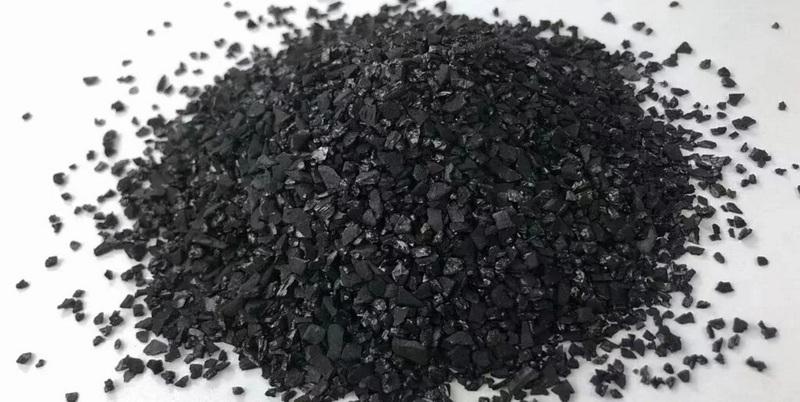
High-quality activated carbon is engineered with a specific pore size distribution and surface chemistry to maximize adsorption for target contaminants. This allows a well-designed activated carbon filter to deliver longer lifetime for the same operating conditions.
Design aspects that influence filter life:
- Iodine number and surface area of the activated carbon
- Micropore versus mesopore ratio tailored to contaminant molecules
- Bed depth, contact time, and residence time in the activated carbon layer
- Use of multiple layers (e.g., sediment pre-filter, activated carbon media, post-filter)
Operating Conditions That Shorten Life
Even robust activated carbon will have a shortened life when exposed to adverse conditions. Humidity, temperature, and high contaminant spikes can dramatically reduce the useful life of an activated carbon filter.
Typical life-shortening conditions:
- High humidity or condensation, which can block pores and promote microbial growth in wet activated carbon beds.
- High organic or VOC loads, such as heavy smoke or industrial emissions, which quickly saturate activated carbon adsorption sites.
- High flow rates and insufficient contact time, which reduce the efficiency of activated carbon and may cause early breakthrough.
Typical Replacement Guidelines by Use Case
Because real operating conditions vary, many manufacturers publish conservative replacement schedules for their activated carbon filters, and users then adjust based on experience. These guidelines help prevent breakthrough and maintain safety.
Common manufacturer-style guidelines:
- Residential drinking water point-of-use activated carbon filters: replace every 6–12 months, even if taste is still acceptable.
- Refrigerator, jug, and countertop carbon cartridges: replace approximately every 2–6 months or when throughput or taste indicates.
- Home and office air purifier activated carbon filters: replace about every 3–12 months depending on air quality and operating hours.
- Specialized long-life air filters with large activated carbon mass: inspect every 12–18 months and change within 3–5 years or when breakthrough is detected.
How to Extend Activated Carbon Filter Life
While activated carbon itself is a consumable, several practical steps can help extend the functional lifetime of an activated carbon filter without compromising performance. These practices keep the activated carbon bed cleaner and more efficient for longer periods.
Helpful measures:
- Use effective pre-filtration (sediment filters, HEPA filters) to capture particles before they reach the activated carbon bed.
- Keep humidity within recommended limits and avoid liquid water flooding the activated carbon layer.
- Operate within rated flow rates to maintain adequate contact time in the activated carbon bed.
- Follow manufacturer flushing, cleaning, and inspection procedures, and schedule preventive replacement even if activated carbon still appears intact.
Regeneration and Replacement in Industrial Systems
In many industrial applications, used activated carbon is not simply discarded; it can be thermally reactivated or replaced in bulk, depending on economic and regulatory factors. This allows the same activated carbon to be used through multiple cycles while maintaining adsorption performance.
Typical industrial practices:
- Periodic sampling of influent and effluent to build breakthrough curves and determine when activated carbon is approaching exhaustion.
- Removal of saturated activated carbon and replacement with fresh media or thermally reactivated carbon in vessels designed for bulk service.
- Annual or multi-annual replacement schedules to ensure compliance with drinking water or emission standards, even when limited capacity remains.
Practical Replacement Rules of Thumb
For everyday users, it is often easier to follow simple rules of thumb than to calculate precise adsorption capacities for activated carbon filters. These rules are intentionally conservative to maintain safety and quality.
Common rules of thumb:
- Replace point-of-use activated carbon water filters at least every 6–12 months, sooner if taste, odor, or flow changes occur.
- Replace household activated carbon air filters every 3–12 months, or sooner in smoky, high-odor, or industrial environments.
- For large industrial activated carbon systems, base replacement on contaminant monitoring, breakthrough targets, and local regulations rather than time alone.
Conclusion
Activated carbon filters have a finite life because the pores and active sites in the activated carbon eventually become saturated with contaminants and moisture, reducing adsorption performance. In practice, activated carbon water filters typically last from a few months to about one year, while activated carbon air filters often last from several months up to a few years depending on design and operating conditions. Following manufacturer guidelines, monitoring taste, odor, and contaminant levels, and using good pre-filtration and maintenance practices are the most reliable ways to decide when to replace activated carbon filters and keep water, air, and industrial streams clean and safe.
Contact us to get more information!
FAQ
1. How long do activated carbon water filters usually last?
Most household activated carbon water filters, including GAC and carbon block cartridges, are designed to last around 6–12 months from first use, though some small units may need replacement after 2–6 months. Actual lifetime depends on water quality, daily usage, and whether pre-filters protect the activated carbon from sediment and fouling.
2. How long do activated carbon air filters last?
Activated carbon air filters commonly last from about 3–12 months in normal home and office environments, but heavy smoke or high VOC loads can shorten that interval considerably. Larger, high-quality activated carbon filters with more media mass can last 18 months to several years when pollutant loads and humidity are low and maintenance is consistent.
3. Can activated carbon filters be regenerated or reused?
Small residential activated carbon cartridges are usually replaced rather than regenerated because thermal reactivation is not practical at that scale. Industrial activated carbon beds, however, may be removed and sent for thermal reactivation so the activated carbon can be reused, or they are replaced periodically with fresh activated carbon media.
4. How do I know when my activated carbon filter is no longer effective?
Common signs include the return of chlorine or off-tastes in drinking water, renewed odors in air, and laboratory or sensor data showing that contaminants are no longer being removed to target levels. If an activated carbon filter has reached or exceeded the manufacturer's recommended maximum service interval, it should be replaced even if obvious symptoms are not yet visible.
5. Does unused activated carbon filter media expire on the shelf?
Dry, unopened activated carbon stored in a cool, dry, sealed container can remain usable for many years because the activated carbon structure is chemically stable. However, once exposed to air, humidity, and contaminants—even in storage—activated carbon will slowly adsorb moisture and airborne compounds, so filters should ideally be put into service within the period recommended by the manufacturer.
Citations:
1. https://ipsystemsusa.com/maximizing-the-lifespan-of-your-carbon-filter-a-comprehensive-guide/
2. https://rajahfiltertechnics.com/water-filtration/when-to-change-your-activated-carbon-filter-and-why-you-have-to/
3. https://www.health.state.mn.us/communities/environment/hazardous/topics/gac.html
4. https://www.acewatershop.com.au/blogs/news/how-often-to-change-charcoal-water-filter
5. https://www.allfilters.com/blog/water-filter-replacement-schedule
6. https://www.rabbitair.com/blogs/air-purifier/how-long-do-carbon-filters-last
7. https://molekule.com/blogs/all/how-long-will-an-activated-carbon-filter-last
8. https://abhirowater.com/when-to-change-your-activated-carbon-filter/
9. https://terra-bloom.com/blogs/news/activated-carbon-air-filters-untangling-the-true-from-the-false
10. https://lifesupplyusa.com/blogs/news/activated-carbon-charcoal-air-filters-how-long-do-they-last
11. https://www.pentair.com/en-us/water-softening-filtration/blog/when-to-change-your-water-filter.html
12. https://www.carbotecnia.info/en/learning-center/activated-carbon-equipment/activated-carbon-replacement/


