
Content Menu
● What is activated carbon?
● How activated carbon filters water
● What contaminants does activated carbon remove?
● Types of activated carbon used in water filtration
● How activated carbon fits into water treatment systems
● Benefits of activated carbon for water filtration
● Common applications of activated carbon in water
● Design and operation considerations for activated carbon systems
● Conclusion
● FAQ
>> 1. How does activated carbon differ from a regular water filter?
>> 2. Which contaminants can activated carbon not remove effectively?
>> 3. How long does activated carbon last in a water filter?
>> 4. Is activated carbon safe for drinking water applications?
>> 5. What is the difference between PAC and GAC in water treatment?
● Citations:
How does activated carbon help filter water? Activated carbon filters water by adsorbing contaminants onto its highly porous surface, improving taste, odor, color, and safety for both domestic and industrial applications.[1][2]
What is activated carbon?
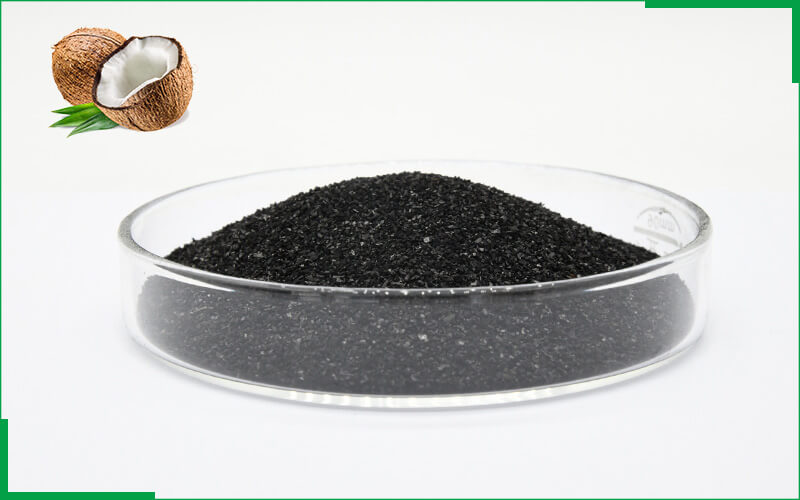
Activated carbon is a specially processed form of carbon with an extremely high internal surface area and a network of microscopic pores. It is typically made from raw materials such as coal, coconut shells, wood, or other carbon‑rich biomass.[3]
- The activation process (steam or chemical) opens millions of micro‑pores that dramatically increase the surface area available for adsorption.[3]
- In water treatment, activated carbon is engineered as powdered activated carbon (PAC), granular activated carbon (GAC), extruded pellets, or impregnated grades tailored to specific contaminants.[4][5][6]
How activated carbon filters water
Activated carbon does not “strain” contaminants like a simple sieve; it removes them mainly through adsorption and sometimes catalytic reactions. As water flows through an activated carbon bed or contacts PAC in a basin, dissolved molecules adhere to the carbon surface and become trapped in its pores.[7][8][1]
- Physical adsorption is driven by van der Waals forces and hydrophobic interactions between organic contaminants and the carbon surface.[9][2]
- Catalytic activated carbon can also promote reduction and decomposition of certain chemicals, enhancing removal of chloramine and some disinfection by‑products.[5][8]
What contaminants does activated carbon remove?
Activated carbon is especially effective at removing many organic contaminants and improving sensory quality, while allowing beneficial minerals to remain in the water.[10][11][2]
- Commonly removed: chlorine, chloramine, taste‑ and odor‑causing compounds, many volatile organic compounds (VOCs), pesticides, herbicides, and some heavy metals.[12][10][2]
- In advanced systems, activated carbon can also help remove PFAS, disinfection by‑products, and other emerging pollutants when correctly specified and maintained.[13][14][11]
Types of activated carbon used in water filtration
Different water treatment scenarios require different types of activated carbon to balance kinetics, capacity, and hydraulic performance.[4][5][12]
| Type of activated carbon | Form & properties | Typical water uses |
| Powdered activated carbon (PAC) | Fine powder dosed into water; very fast adsorption kinetics.activatedcarbondepot+1 | Shock treatment, taste and odor control, industrial and municipal basins.activatedcarbondepot+2 |
| Granular activated carbon (GAC) | Granules packed in fixed beds or filters; suitable for continuous flow.activatedcarbondepot+1 | Municipal drinking water, point‑of‑use filters, industrial polishing, PFAS control.activatedcarbondepot+2 |
| Extruded activated carbon (EAC) | Cylindrical pellets with high strength, low dust and good flow.sodimate-inc+1 | High‑pressure, high‑flow industrial and wastewater systems.sodimate-inc+1 |
| Impregnated activated carbon | Activated carbon loaded with agents like silver, sulfur, or iodine.sodimate-inc+1 | Specialized removal of microbes, mercury, or specific gases and ions in water.sodimate-inc+1 |
| Catalytic activated carbon | Surface‑modified carbon with enhanced catalytic activity.sodimate-inc+1 | Advanced removal of chloramine, some disinfection by‑products and oxidizing species.sodimate-inc+1 |
How activated carbon fits into water treatment systems
Activated carbon is rarely the only step; it usually works in combination with other unit processes for optimum water quality. In many plants, activated carbon filtration appears after coagulation, sedimentation, and sand filtration as a “polishing” step.[15][13]
- In municipal drinking water, GAC filters control taste and odor, remove organic contaminants and disinfection by‑products, and protect against sudden source‑water contamination.[11][13]
- In industrial wastewater treatment, activated carbon helps plants meet regulatory discharge limits, protect equipment, and enable water reuse.[13][11]

Benefits of activated carbon for water filtration
Activated carbon has become a preferred water filtration medium due to its performance, versatility, and cost profile.[2][5][11]
- High efficiency: Massive internal surface area allows activated carbon to adsorb a wide spectrum of contaminants at relatively low bed volumes.[11][2]
- Selectivity and custom design: Different pore structures and impregnations let engineers tailor activated carbon for specific water quality goals.[6][5][2]
Additional advantages include sustainability, safety, and operational practicality.[5][2]
- Sustainability: Many activated carbon products are derived from renewable feedstocks such as coconut shells and can be thermally reactivated.[2][5]
- Cost‑effectiveness: Activated carbon filters are generally economical to install and maintain, with straightforward media replacement routines.[5][2]
Common applications of activated carbon in water
Activated carbon is used across domestic, municipal, and industrial water treatment because of its broad applicability.[14][13][11]
- Household and point‑of‑use: Pitcher filters, under‑sink filters, refrigerator cartridges, and shower filters use activated carbon to remove chlorine and improve taste and odor.[10][13]
- Municipal drinking water: Large GAC filters provide final polishing, remove disinfection by‑products, and help utilities comply with tightening regulations.[14][13][11]
In industry, activated carbon supports both process water and wastewater operations.[13][11]
- Industrial process water: Activated carbon protects boilers, cooling towers, and sensitive production lines in sectors like food and beverage, pharmaceuticals, and chemicals.[11][13]
- Wastewater and water reuse: Activated carbon removes residual organics and micropollutants before discharge or reuse, contributing to environmental protection and circular‑water strategies.[13][11]
Design and operation considerations for activated carbon systems
To ensure effective water filtration, activated carbon systems must be properly designed, sized, and maintained. Key parameters include contact time, bed depth, hydraulic loading rate, and influent contaminant concentration.[8][15][4]
- Empty bed contact time (EBCT) must be long enough for contaminants to diffuse into the pores and adsorb onto the activated carbon, especially for complex organics.[15][4]
- Breakthrough curves are used to determine when activated carbon is approaching saturation and when media replacement or regeneration is required.[8][4]
Operationally, activated carbon beds also function as physical filters and need occasional backwashing or maintenance.[15]
- GAC beds can trap suspended solids; periodic backwashing helps control pressure drop and maintain flow.[15]
- For PAC dosing, operators must manage slurry preparation, mixing energy, and downstream solids removal (settling or filtration).[12][4]
Conclusion
Activated carbon helps filter water by adsorbing a wide range of dissolved contaminants onto its highly porous, high‑surface‑area structure, significantly improving quality, taste, and safety. By selecting the right activated carbon type and properly designing the filtration system, both municipal and industrial users can achieve reliable, cost‑effective water treatment performance that meets regulatory standards and supports environmental sustainability.[1][7][2][4][11][13]
FAQ
1. How does activated carbon differ from a regular water filter?
Activated carbon removes contaminants primarily through adsorption rather than simple mechanical straining, attracting molecules to its internal surface and trapping them in micro‑pores. In contrast, regular particulate filters like sand or cartridge filters mainly block larger particles based on size and do not effectively remove dissolved organic chemicals.[7][1][8][15]
2. Which contaminants can activated carbon not remove effectively?
Activated carbon is not reliable for removing most dissolved salts, hardness minerals, nitrates, and many microbial pathogens on its own. For these contaminants, technologies such as reverse osmosis, ion exchange, disinfection, or UV are typically combined with activated carbon in integrated treatment systems.[14][3][8][13]
3. How long does activated carbon last in a water filter?
The service life of activated carbon depends on factors such as contaminant load, flow rate, contact time, and bed volume. In practice, small household activated carbon filters might need replacement every few weeks to months, while well‑designed industrial GAC beds can operate for many months before regeneration or replacement.[10][4][8]
4. Is activated carbon safe for drinking water applications?
Activated carbon produced for potable water use is manufactured and tested to meet stringent standards for purity and leachable substances. When used in certified systems and replaced on schedule, activated carbon is considered safe and is widely used by municipalities and household filter brands worldwide.[10][5][14]
5. What is the difference between PAC and GAC in water treatment?
Powdered activated carbon (PAC) is a fine powder dosed directly into water for short‑term or flexible treatment, offering rapid adsorption but requiring downstream solids removal. Granular activated carbon (GAC) consists of larger particles packed into fixed beds, providing continuous flow treatment, easier handling, and suitability for large‑scale municipal and industrial systems.[12][4][13]
Citations:
[1](https://www.health.state.mn.us/communities/environment/hazardous/topics/gac.html)
[2](https://www.rbhltd.com/market-news/activated-carbon-for-water-filtration-how-does-it-work/)
[3](https://en.wikipedia.org/wiki/Activated_carbon)
[4](https://activatedcarbondepot.com/blogs/news/the-role-of-activated-carbon-in-wastewater-treatment-protecting-the-environment)
[5](https://sodimate-inc.com/activated-carbon-types-applications-advantages/)
[6](https://qizhongcarbon.com/blog/types-of-activated-carbon/)
[7](https://activatedcarbondepot.com/blogs/news/activated-carbon-filters)
[8](https://fieldreport.caes.uga.edu/wp-content/uploads/2025/08/B-1542_4.pdf)
[9](https://carbonblocktech.com/the-science-behind-activated-carbon-water-filters/)
[10](https://www.freshwatersystems.com/blogs/blog/activated-carbon-filters-101)
[11](https://activatedcarbon.com/applications/water)
[12](https://trityenviro.com/bd/types-of-activated-carbon-for-water-filtration/)
[13](https://elchemy.com/blogs/chemical-market/activated-carbon-in-water-treatment-how-it-works-and-why-it-matters)
[14](https://www.calgoncarbon.com/municipal-water-treatment/)
[15](https://www.suezwaterhandbook.com/water-and-generalities/fundamental-physical-chemical-engineering-processes-applicable-to-water-treatment/adsorption/applied-activated-carbon-principles)


