
Language
Views: 222 Author: Tina Publish Time: 2026-01-12 Origin: Site


Content Menu
● Core Filtration Principle: Adsorption
● Step‑By‑Step: How an Activated Carbon Filter Works
>> 1. Fluid Intake and Flow Path
>> 2. Contact with Activated Carbon Surface
>> 3. Adsorption and Retention
>> 4. Breakthrough and Replacement
● Types of Activated Carbon Filters
>> Granular Activated Carbon (GAC) Filters
>> Activated Carbon Block Filters
>> Powdered Activated Carbon (PAC)
● What Contaminants Activated Carbon Filters Remove
>> Water Treatment Applications
>> Food, Beverage, Chemical, and Pharma
● Advantages and Limitations of Activated Carbon Filters
● How to Optimize Activated Carbon Filter Performance
● FAQ – Frequently Asked Questions About Activated Carbon Filters
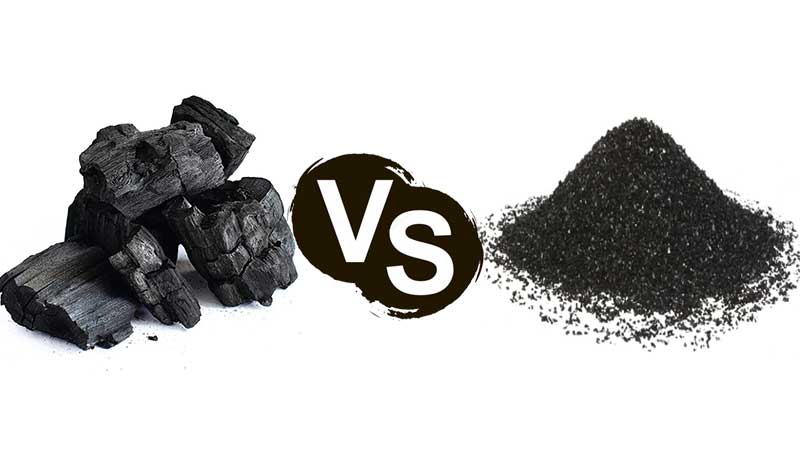
>> (1) What is the difference between activated carbon and regular charcoal?
>> (2) Which contaminants can activated carbon filters remove from water?
>> (3) How long does an activated carbon filter last?
>> (4) Can activated carbon be regenerated and reused?
>> (5) Are activated carbon filters safe for food and pharmaceutical applications?
Activated carbon filters work by trapping contaminants from water, air, and process streams on the vast internal surface of activated carbon through a process called adsorption, not absorption. This makes activated carbon one of the most versatile and efficient filtration media used across industries like water treatment, air and gas purification, food and beverage, chemicals, and pharmaceuticals.[1][2][3][4][5]
Activated carbon (also called activated charcoal) is a specially processed form of carbon with an extremely high internal surface area and a network of microscopic pores. One gram of activated carbon can have a surface area of over 3,000 m² (about 32,000 ft⊃2;), providing enormous space for contaminants to adhere.[6][7][5]
- Activated carbon is usually made from coal, coconut shells, wood, or other carbon-rich materials that are carbonized and then “activated” with steam, hot air, or chemicals to create pores.[5][6]
- This porous structure and high surface area make activated carbon highly effective at capturing organic molecules, chlorine, odors, colors, and many industrial pollutants from fluids and gases.[2][4][1]
Activated carbon filters work mainly through adsorption, where molecules cling to the external and internal surfaces of the activated carbon rather than being absorbed into its bulk.[7][1][2]
- When water or air flows through an activated carbon filter, contaminants are drawn into the pores by van der Waals forces and other intermolecular attractions and stay attached to the carbon's surface.[8][2][7]
- Because activated carbon has millions of pores and an enormous surface area, it can adsorb a large amount of impurities before it becomes saturated and needs regeneration or replacement.[6][7]
In both water and air filtration, the sequence is similar: contact, adsorption, and breakthrough.
- Contaminated water or air is directed into a housing or column filled with activated carbon in granular, pellet, or block form, forming an activated carbon bed or element.[9][10][7]
- The system is designed to provide sufficient contact time (empty bed contact time, EBCT) so the fluid moves through the activated carbon at the right speed for effective adsorption.[3][2]
- As the fluid passes through, dissolved or gaseous contaminants diffuse from the bulk fluid into the pores of the activated carbon.[2][7]
- The porous network includes larger transport pores and tiny adsorption pores; large pores help carry molecules deeper into the activated carbon structure, where they encounter more adsorption sites.[7][6]
- Once contaminants reach the internal surfaces, physical forces (physisorption) and sometimes chemical interactions (chemisorption) cause them to adhere to the activated carbon.[9][2][7]
- Over time, the available active sites in the activated carbon become occupied, forming an adsorption “front” that slowly moves through the bed until the activated carbon approaches saturation.[2][7]
- When an activated carbon filter nears saturation, contaminants begin to appear at the outlet (breakthrough), and removal efficiency drops.[7][2]
- At this point, the activated carbon needs to be replaced or thermally regenerated to restore capacity, depending on the application and economic considerations.[3][2]

Different configurations of activated carbon filters are used depending on flow rate, pressure drop, and purity requirements.
- Granular activated carbon (GAC) consists of irregular granules packed in a bed or cartridge to treat water, process liquids, and gases.[10][11][7]
- GAC filters offer relatively low pressure drop and high flow rate, making them common in industrial water treatment vessels, air scrubbers, and large municipal systems using activated carbon.[10][3]
- Activated carbon block filters compress finely ground activated carbon with binders into a dense solid block, often used in point‑of‑use drinking water filters.[11][12][10]
- The compact structure increases contact time and filtration efficiency, allowing carbon blocks to remove fine particles and more contaminants than loose activated carbon at the same size.[12][11][10]
- Powdered activated carbon is very fine activated carbon added as a slurry directly into water or process streams, then removed downstream by sedimentation or filtration.[3][7]
- PAC is widely used in municipal water treatment for taste and odor control, and in industrial processes where temporary or seasonal activated carbon dosage is needed.[3]
Activated carbon filters are especially effective for organic molecules and certain chemicals, though they do not remove all impurities.
- In drinking and process water, activated carbon efficiently removes chlorine, chloramine, many organic compounds, pesticides, disinfection by‑products, taste and odor molecules, and some heavy metal complexes.[1][5][2][3]
- Activated carbon is also used for groundwater remediation, industrial wastewater treatment, and polishing stages to remove trace organics before discharge or reuse.[4][3]
- Activated carbon air filters remove volatile organic compounds (VOCs), odors, and many industrial gaseous pollutants from exhaust streams and indoor air.[13][4][9][2]
- Industrial air treatment systems pass contaminated gas through beds of activated carbon to comply with emission standards and protect workers and equipment.[14][4][9]
- In the food and beverage industry, activated carbon is used to decolorize, deodorize, and purify ingredients such as sugar, gelatin, juices, and process water, improving taste and appearance.[4][3]
- In chemicals and pharmaceuticals, activated carbon removes color bodies, trace organics, and by‑products from intermediates and final formulations to meet purity and regulatory standards.[4]
- Activated carbon provides high removal efficiency for a wide range of organic contaminants and odor‑causing substances in both water and air streams.[1][13][2][4]
- Activated carbon filtration is a mature, flexible technology that can be tailored with different activated carbon grades, bed depths, and configurations to fit municipal, industrial, and residential needs.[5][4][3]
- Activated carbon filters do not effectively remove dissolved inorganic salts, most heavy metals in their ionic form, or hardness; additional treatment such as ion exchange or reverse osmosis is required.[5][2][7]
- If activated carbon is not replaced or regenerated on time, the filter can become saturated, leading to breakthrough and potential release of previously adsorbed contaminants.[2][7]
Proper design and operation are essential for an industrial or municipal activated carbon filter to perform reliably.
- Key design factors include activated carbon type (GAC, PAC, block), particle size, bed depth, contact time, and operating temperature, all of which affect adsorption capacity and pressure drop.[10][2][3]
- Engineers often select specific grades of activated carbon optimized for particular contaminants, such as high‑iodine number carbons for organics or impregnated activated carbon for special gases.[4][5][3]
- Regular monitoring of inlet and outlet quality, pressure drop, and operating hours helps determine when the activated carbon is nearing exhaustion.[2][3]
- Depending on the system, spent activated carbon can be replaced with fresh activated carbon or sent to a reactivation facility where thermal processing restores a large portion of its adsorption capacity.[5][3][2]
Activated carbon filters work by using the enormous internal surface area and intricate pore structure of activated carbon to adsorb contaminants from water, air, and process streams. By carefully selecting the type of activated carbon, designing the activated carbon bed correctly, and maintaining the system on schedule, industries can achieve reliable removal of odors, colors, organic pollutants, and many troublesome chemicals, making activated carbon a core technology for modern environmental protection and product quality control.[6][13][7][3][4][5][2]

Regular charcoal is a general heating fuel or adsorbent with limited surface area, while activated carbon is specially processed to have a very high internal surface area and controlled pore structure for filtration. Activation with steam or gases opens up additional pores in the carbon matrix, making activated carbon vastly more effective for removing contaminants from fluids and gases.[6][7][5]
Activated carbon filters are excellent for removing chlorine, many organic chemicals, taste and odor compounds, some pesticides, and disinfection by‑products from water. However, activated carbon alone does not reliably remove dissolved salts, nitrates, most metals in ionic form, or microbiological pathogens, so it is often combined with other treatment processes.[1][7][3][2]
The life of an activated carbon filter depends on contaminant load, flow rate, bed size, and the specific grade of activated carbon used. In practice, industrial and municipal systems schedule activated carbon replacement or regeneration based on throughput and breakthrough monitoring, which can range from weeks to many months.[3][2]
Yes, many types of spent activated carbon can be thermally reactivated, where high‑temperature treatment in controlled conditions drives off adsorbed organics and restores much of the activated carbon's adsorption capacity. Reactivated activated carbon is widely used in industrial and environmental applications as a cost‑effective and more sustainable alternative to constantly buying fresh activated carbon.[5][2][3]
Food‑grade and pharmaceutical‑grade activated carbon products are manufactured and controlled to meet stringent purity and safety standards for contact with food, beverages, and drug products. These specialized activated carbon grades are carefully selected and validated in processes such as sugar refining, beverage polishing, and pharmaceutical purification to ensure product quality and regulatory compliance.[4][3]
[1](https://www.freshwatersystems.com/blogs/blog/activated-carbon-filters-101)
[2](https://carbonblocktech.com/the-science-behind-activated-carbon-water-filters/)
[3](https://www.karbonous.com/applications/)
[4](https://puragen.com/uk/insights/what-is-activated-carbon-used-for/)
[5](https://en.wikipedia.org/wiki/Activated_carbon)
[6](https://www.iso-aire.com/what-is-a-carbon-filter)
[7](https://en.wikipedia.org/wiki/Carbon_filtering)
[8](https://www.reddit.com/r/explainlikeimfive/comments/79hmkp/eli5_how_do_activated_carbon_filters_work/)
[9](https://joaairsolutions.com/blog/how-does-active-carbon-work/)
[10](https://www.commercialfiltrationsupply.com/blogs/resource-center/carbon-block-filters-vs-granulated-carbon-filters)
[11](https://rajahfiltertechnics.com/water-filtration/granular-activated-carbon-vs-activated-carbon-block-water-filters/)
[12](https://glacierfreshfilter.com/blogs/news/exploring-the-types-of-activated-carbon-filters-for-effective-filtration)
[13](https://alen.com/blogs/health-benefits/activated-carbon-air-filter)
[14](https://www.calgoncarbon.com/industrial-air-treatment/)
[15](https://www.filtrete.com/3M/en_US/filtrete/home-tips/full-story/~/how-it-works-carbon-filter/?storyid=96a8db3c-5c93-4c8a-b12c-26e632af88ff)


