Content Menu
● How Brita Filters Use Activated Carbon
● Types of Brita Filters and Their Activated Carbon Technology
● What Activated Carbon in Brita Actually Removes
● Industrial-Grade Activated Carbon vs. Consumer Brita Filters
● Maintenance and Lifespan of Brita Activated Carbon Filters
● Conclusion
● FAQ About Brita and Activated Carbon
>> 1. Does every Brita filter model use activated carbon?
>> 2. What type of activated carbon does Brita use?
>> 3. Which contaminants does Brita's activated carbon remove?
>> 4. How long does activated carbon in a Brita filter last?
>> 5. Is the activated carbon in Brita filters safe?
● Citations:
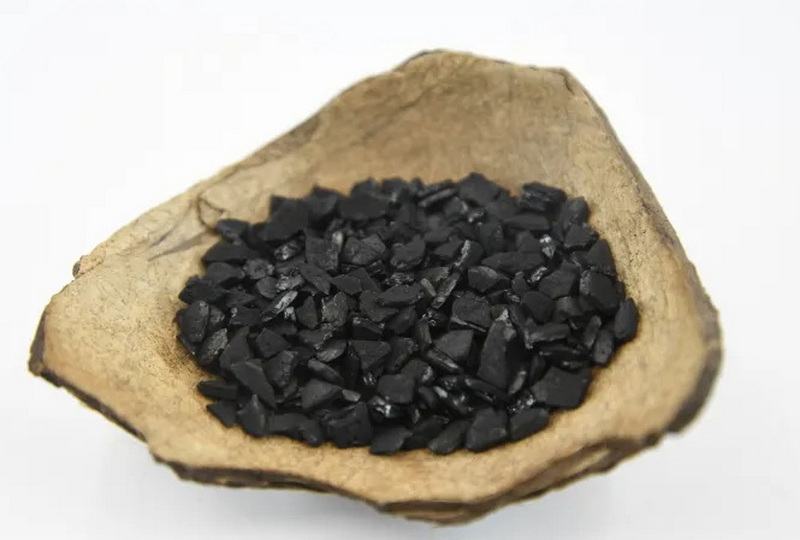
Yes, Brita does use activated carbon in its pitcher, dispenser, bottle and faucet filters, usually in the form of granular activated carbon or carbon block made from coconut-based activated carbon combined with other filter media such as ion exchange resin. This activated carbon is the key material that adsorbs chlorine, tastes, odors and many organic contaminants to improve the taste and quality of drinking water.[1][2][3][4][5][6]
How Brita Filters Use Activated Carbon
Brita pitcher and dispenser filters use coconut-based activated carbon granules plus ion exchange resin housed in BPA-free plastic to purify tap water. In these designs, water flows through a mesh screen and then through the activated carbon bed, where the activated carbon adsorbs chlorine (taste and odor) and some organic contaminants, while the ion exchange resin reduces metals such as copper, cadmium and zinc.[2][3][5][1]
Brita Stream and bottle filters also rely on activated carbon, but in slightly different formats tailored to their flow patterns. In Stream pitchers, a proprietary dual-layer carbon form and activated carbon structure filter water as it is poured, while bottle filters use a compact activated carbon block to treat water as the user drinks.[5][6][2]
Types of Brita Filters and Their Activated Carbon Technology
Different Brita products use activated carbon in specific ways to meet performance and lifetime targets. Understanding these differences helps buyers choose the right activated carbon filter structure for home, office or light commercial applications.[3][7][6][2][5]
- Standard pitcher and dispenser filters
Brita's standard pitcher filters use coconut-based activated carbon granules together with ion exchange resin. The activated carbon reduces chlorine taste and odor and helps improve overall water flavor, while resin targets metals such as copper, cadmium, zinc and mercury.[8][1][3][5]
- Elite (long‑life) filters
Brita Elite filters combine a patented pleated filter structure with proprietary active filtering agents, which include activated carbon in a more advanced configuration. These long‑life cartridges are designed to reduce 99% of lead as well as chlorine, cadmium, mercury, particulates, asbestos and benzene for up to 120 gallons of filtered water.[7][2]
- Stream filters
Stream filters use a dual-layer carbon form in which activated carbon plays the central role in reducing chlorine taste and odor as water passes quickly through the pitcher while pouring. This configuration emphasizes fast flow and on‑demand filtration, still relying on the adsorption capacity of activated carbon.[2][5]
- Bottle filters
Brita bottle filters incorporate activated carbon in a carbon block form that treats water as it is drawn through the mouthpiece. The activated carbon block reduces chlorine taste and odor and particulates so users get better-tasting water from portable bottles.[5][2]
- Faucet filters
Faucet-mounted Brita filters use multistage technology that includes a tightly bound activated carbon block, preceded by nonwoven media that removes sediment. In these systems, the carbon block traps smaller contaminants such as chlorine, lead, benzene, asbestos and other volatile organic compounds (VOCs).[9][6][2]
What Activated Carbon in Brita Actually Removes
Activated carbon in Brita filters works by adsorption, capturing certain dissolved substances on its surface while water passes through the porous network. The effectiveness of activated carbon depends on its surface area, pore size distribution, contact time and the nature of the contaminants present.[4][6][2][5]
- Typical contaminants reduced
Standard Brita pitcher filters using activated carbon reduce chlorine (taste and odor), mercury, and improve taste by removing many organic compounds that cause off‑flavors and smells. In combination with ion exchange resin, they also reduce metals such as copper, cadmium and zinc, while some products target lead and asbestos.[1][3][4][8][7][2][5]
- Performance of granular vs carbon block activated carbon
Granular activated carbon (GAC), as used in many Brita pitchers, is well suited for reducing chlorine and certain organics under household flow conditions. Carbon block filters, which are more densely packed with activated carbon, often provide higher contaminant removal efficiency and longer service life for a wider range of impurities, including some VOCs and heavy metals, as seen in faucet systems and some bottle and competitor products.[6][3][4][9][1][2][5]
- Limits of activated carbon in Brita
While activated carbon is excellent at improving taste and odor, it does not remove all possible contaminants from drinking water. Standard Brita activated carbon filters are not designed to reliably remove all pesticides, trace pharmaceuticals, bacteria, viruses, or fluoride, so users with special water quality concerns may need additional treatment technologies beyond activated carbon.[4][5]
Industrial-Grade Activated Carbon vs. Consumer Brita Filters
Consumer Brita filters and industrial activated carbon systems rely on the same fundamental material—activated carbon—but are engineered for very different conditions, volumes and regulatory requirements. For industrial buyers, understanding this difference is important when evaluating whether household data about activated carbon can be extrapolated to municipal, food and beverage, pharmaceutical or chemical processing environments.[4][5][6]
- Scale and design
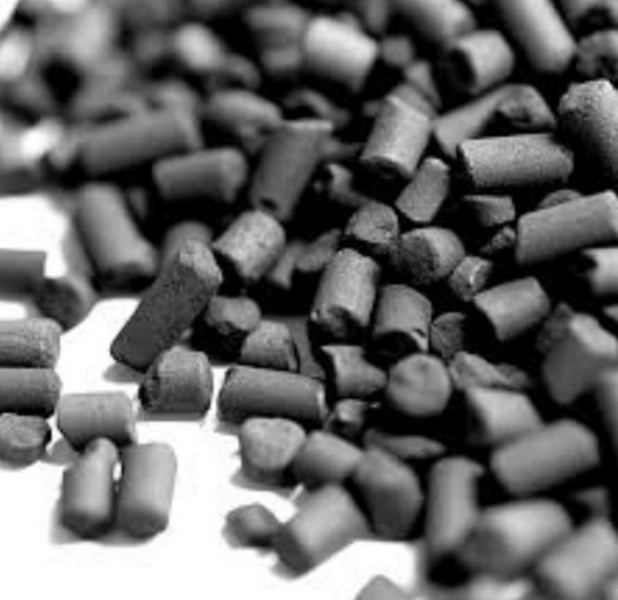
Industrial activated carbon systems use large fixed beds, pressure vessels or columns filled with granular, powdered or pelletized activated carbon to handle much higher flow rates and contaminant loads than household filters. In contrast, Brita activated carbon cartridges are designed for relatively low daily consumption volumes and more modest contaminant levels typically found in municipal tap water.[3][2][5][4]
- Customization and media selection
Industrial activated carbon solutions can be customized with specific activated carbon types (coal‑based, coconut‑shell‑based, wood‑based), particle sizes, pore structures and surface chemistries targeted to particular contaminants such as solvents, color bodies, odor compounds, or disinfection by‑products. By comparison, Brita focuses on broadly effective activated carbon blends suitable for chlorine, taste, odor and some heavy metal reduction in household water, rather than niche industrial contaminants.[7][1][2][3][5][4]
- Regeneration, monitoring and lifecycle
Industrial activated carbon beds can often be thermally reactivated or replaced according to breakthrough monitoring, pressure drop and water quality data, forming part of a broader process control strategy. Brita activated carbon cartridges, however, are disposable units designed for simple time‑or gallon‑based replacement schedules communicated to consumers rather than real‑time process analytics.[12][2][5][7][4]
Maintenance and Lifespan of Brita Activated Carbon Filters
Proper maintenance is essential to keep activated carbon in Brita filters working effectively and to avoid bacterial growth or performance decline. Because activated carbon gradually fills with adsorbed contaminants, its adsorption capacity and effectiveness decrease over time.[2][5][6][4]
- Replacement intervals
Standard Brita pitcher filters with activated carbon are typically rated for around 40 gallons or approximately two months of average household use before replacement is recommended. Long‑life cartridges such as Brita Elite filters are rated for up to 120 gallons or about six months of use, thanks to more advanced media and larger internal capacity.[12][5][7][2][4]
- Priming and first‑use rinsing
New activated carbon filters usually require rinsing or flushing to remove loose carbon fines (black particles) and activate the adsorption surface. Brita instructions often call for discarding the first several pitchers of filtered water or flushing faucet filters for a specified time to ensure the activated carbon bed is properly conditioned and to minimize black flecks in the water.[8][3][2]
- Storage and hygiene
Because activated carbon can support biofilm growth when kept wet and stagnant, Brita recommends regular use, periodic cleaning of pitchers or housings, and timely replacement of filters to maintain hygienic conditions. Users should avoid leaving water in filter housings for long periods and should follow manufacturer guidance on refrigeration or room-temperature storage of pitchers containing activated carbon cartridges.[5][2]
Conclusion
Brita does use activated carbon extensively across its pitcher, dispenser, bottle and faucet filters, with coconut-based granular activated carbon and carbon block designs serving as the main purification media that improve taste, odor and overall water quality. While this activated carbon technology effectively reduces chlorine, some heavy metals and many organic contaminants, Brita filters are not comprehensive treatment systems and work best when used as part of a broader water quality strategy that considers source water composition, maintenance, and, for industrial users, more advanced customized activated carbon solutions.[1][3][6][2][4][5]
FAQ About Brita and Activated Carbon
1. Does every Brita filter model use activated carbon?
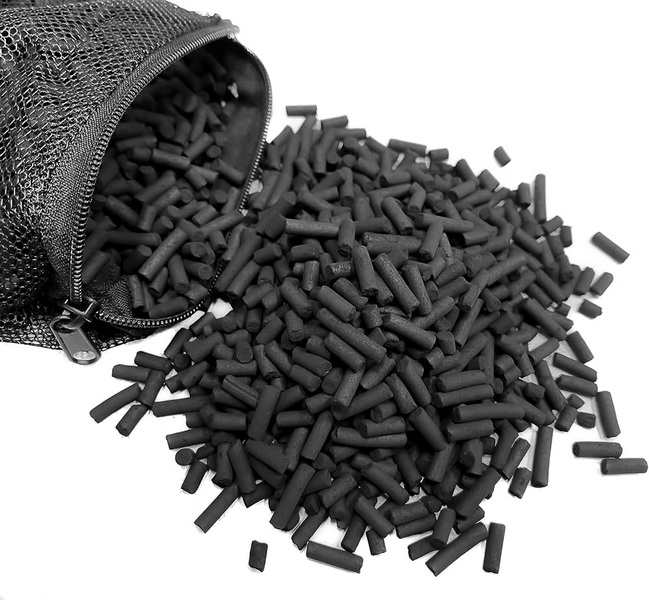
Yes, all major Brita filter families—including standard pitcher filters, Elite filters, Stream filters, bottle filters and faucet filters—use activated carbon as a central filtration media. The exact form varies (granular activated carbon, dual‑layer carbon, carbon block), but activated carbon is always a key component in reducing chlorine and improving taste.[3][6][2][4][5]
2. What type of activated carbon does Brita use?
Brita standard pitcher and dispenser filters use coconut-based activated carbon granules combined with ion exchange resin in a BPA‑free housing. Other products use tightly bound activated carbon blocks or proprietary dual‑layer carbon structures, but they are still based on activated carbon, often derived from natural sources like coconut shells.[6][1][2][3][4][5]
3. Which contaminants does Brita's activated carbon remove?
Brita activated carbon filters are certified to reduce chlorine (taste and odor), and, in combination with other media, contaminants such as mercury, copper, cadmium, zinc and, in some models, lead, benzene and asbestos. Activated carbon also adsorbs many organic compounds that cause bad taste, odor and discoloration, although it is not designed to remove all possible pollutants like bacteria, viruses or fluoride.[9][7][1][2][3][4][5]
4. How long does activated carbon in a Brita filter last?
In general, standard Brita pitcher filters using activated carbon are rated for around 40 gallons or roughly two months of average use, while Brita Elite filters can last up to 120 gallons or about six months. Faucet and bottle filters have their own gallon or time ratings, and users should follow the replacement schedules or filter indicator lights to ensure activated carbon remains effective.[9][7][12][2][4]
5. Is the activated carbon in Brita filters safe?
Yes, the activated carbon in Brita filters is considered safe for home use and is housed in BPA‑free plastic components tested for drinking water applications. When filters are used and replaced according to manufacturer instructions, the activated carbon improves water quality without adding harmful substances, although loose carbon fines are normal at first use and are typically removed by flushing.[8][1][2][3][5]
Citations:
[1](https://www.brita.com/products/original-replacement-filters/)
[2](https://www.brita.com/why-brita/better-water/how-do-brita-filters-work/)
[3](https://www.brita.ca/why-brita/what-we-filter/)
[4](https://www.epicwaterfilters.com/blogs/quick-drips/what-does-brita-filter-out)
[5](https://mytapscore.com/blogs/tips-for-taps/what-do-brita-pitchers-filter-out)
[6](https://www.watersmartsystems.com/blog/2024/4/18/how-do-brita-filters-work-water-filter-explanation)
[7](https://www.brita.com/products/elite-replacement-filters/)
[8](https://www.swchemicalco.com/catalog/p/CLO35503CT/Brita-Standard-Replacement-Filters-for-Pitchers-3-Pack-8-Packs-Carton-/)
[9](https://www.brita.ca/replacement-filters/faucet-system/)
[10](https://www.youtube.com/watch?v=fdGjZWAF6RU)
[11](https://www.youtube.com/shorts/wK9e8cXMrlw)
[12](https://www.brita.com/replacement-filters/)
[13](https://www.reddit.com/r/WaterTreatment/comments/ps2e6r/brita_filter_charcoal/)
[14](https://kishucharcoal.com/shop/brita-reuseable-filter-501/)
[15](https://www.brita.com/products/water-faucet-system-replacement-filters/)


