Content Menu
● What Does “Water Softening” Really Mean?
● How Activated Carbon Works in Water
● Does Activated Carbon Remove Hardness?
● Why Activated Carbon Is Still Important in “Soft” Water Systems
● When Should You Combine Activated Carbon and a Water Softener?
● Conclusion
● FAQ About Activated Carbon and Water Softening
>> 1. Does activated carbon soften water like a salt-based softener?
>> 2. Why does my pitcher or faucet filter seem to reduce limescale if activated carbon doesn't remove hardness?
>> 3. Can activated carbon improve water quality if I already have a water softener?
>> 4. What contaminants does activated carbon remove, if not hardness minerals?
>> 5. How should I design a system using activated carbon if my water is very hard?
● Citations:
Activated carbon does not soften water in the strict technical sense, because it does not remove hardness minerals like calcium and magnesium from water. Instead, activated carbon improves water quality by adsorbing chlorine, organic contaminants, odors, and many trace chemicals, and is often used together with ion exchange water softeners that actually reduce hardness.[1][2][3][4][5]
What Does “Water Softening” Really Mean?
Water softening is a specific process that reduces water hardness by targeting dissolved calcium and magnesium ions that cause scale in pipes, boilers, and household appliances. Hard water forms limescale deposits, which can damage equipment, reduce heating efficiency, and leave spots on glassware and surfaces.[6][3][7][8]
- Water hardness is primarily caused by calcium and magnesium salts such as carbonates, bicarbonates, sulfates, and chlorides.[3]
- Water softening systems are designed to remove or transform these hardness minerals so that they no longer precipitate or form scale when water is heated or concentrated.[8]
- The most widely used water softener technology is ion exchange resin, which swaps hardness ions for sodium or potassium ions and can remove up to about 99% of hardness when properly sized.[3][8]
- Other “salt-free” conditioning technologies (TAC/SAC) change the crystal form of calcium and magnesium to reduce scaling tendency, but do not truly remove hardness minerals from water.[8]
From an engineering point of view, any media that does not significantly reduce calcium and magnesium in water is not considered a true water softener, even if it improves many other aspects of water quality.[3][8]
How Activated Carbon Works in Water
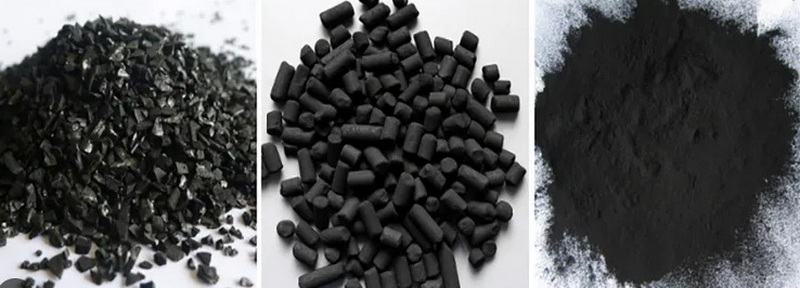
Activated carbon is a highly porous adsorbent produced from carbon-rich materials such as coal, coconut shell, or wood and then “activated” to create an enormous internal surface area, often greater than 1,000 m² per gram. When water passes through activated carbon, contaminants are captured on the carbon surface through adsorption and related surface reactions.[5][1]
- Adsorption, not ion exchange: Activated carbon captures molecules on its surface; it does not primarily work by exchanging ions like sodium, calcium, or magnesium.[1][5][3]
- Target contaminants: Activated carbon is excellent for removing chlorine, chloramine, many organic chemicals, VOCs, taste and odor compounds, and various micropollutants such as pesticides and pharmaceuticals.[9][5][1]
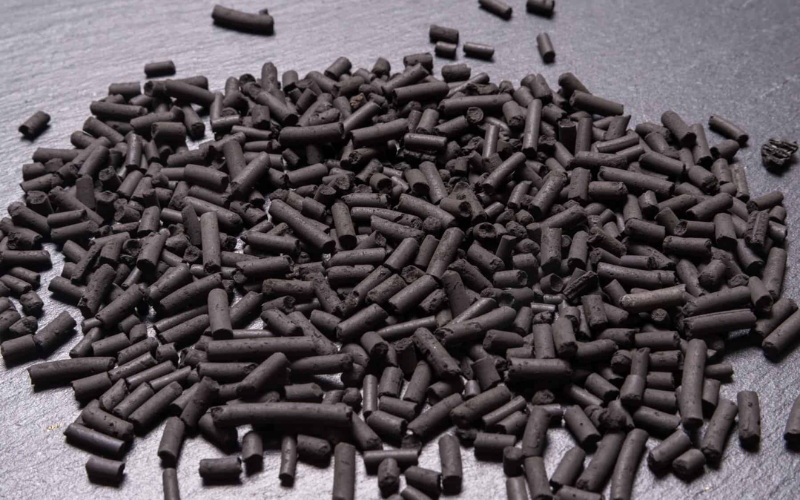
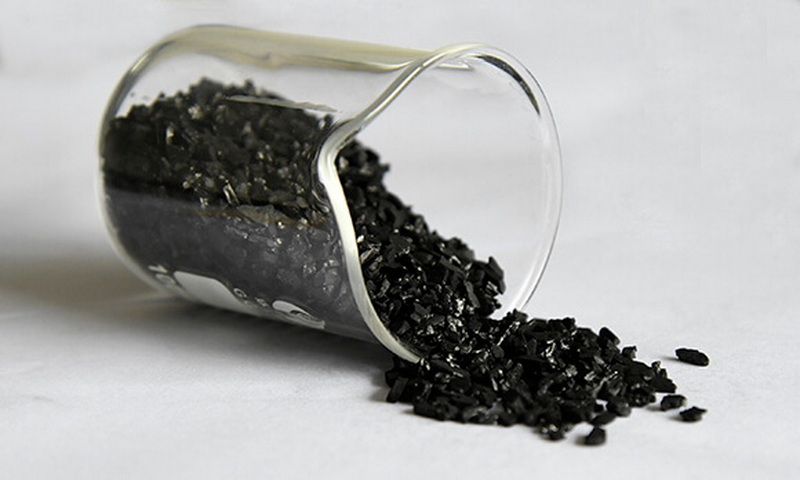
- Media forms: In water treatment, activated carbon is commonly used as granular activated carbon (GAC) in pressure vessels or filters, as carbon block cartridges, or as powdered activated carbon (PAC) dosed into water and later removed by filtration.[5][1]
- Applications: Activated carbon is widely used in drinking water plants, industrial process water, beverage production, pharmaceutical water, and residential whole-house filters and point-of-use systems.[10][1][5]
Because activated carbon specializes in organic and chlorine removal rather than hardness control, it is typically installed as a filter, not marketed as a standalone water softener.[4][11][1]
Does Activated Carbon Remove Hardness?
In standard water treatment practice, activated carbon is not considered effective for removing hardness from water, and reputable technical sources clearly state this limitation.[2][11][4]
- Technical guidance on activated carbon filters notes that if water has high magnesium and calcium content (i.e., hard water), a separate softening step is still required because an activated carbon unit will not remove hardness.[2]
- Drinking water treatment references list hardness among the contaminants that activated carbon does not remove, alongside microbes, sodium, nitrates, and fluoride.[4]
- Comparative articles on ion exchange resin versus activated carbon emphasize that ion exchange resin is best for water softening, while activated carbon is best for removing organic compounds and other impurities rather than calcium and magnesium hardness ions.[12][3]
- Water treatment specialists warn that systems marketed as “combo water softeners with carbon and resin beads” can be misleading when the carbon media is presented as contributing to softening, because activated carbon itself cannot remove hardness minerals or regenerate like softening resin.[11]
Some consumer filters that contain activated carbon—such as pitcher filters or refrigerator cartridges—also include a small amount of ion exchange resin, which can cause users to mistakenly think that activated carbon alone is softening water. In such designs, the resin, not the activated carbon, is responsible for the observed reduction in limescale.[7][3]
Why Activated Carbon Is Still Important in “Soft” Water Systems
Even though activated carbon does not directly soften water, it plays a critical supporting role in modern water treatment systems that deal with both hardness and chemical contaminants.[9][1][5]
- Pre-treatment for ion exchange softeners: Activated carbon can remove chlorine and organic fouling agents to protect softener resin, extending its life and maintaining capacity.[5][9][3]
- Whole-house systems: Many whole-house solutions combine a salt-based water softener (for hardness) with a separate activated carbon filter (for chlorine, VOCs, and taste/odor), providing both scale control and improved water aesthetics.[13][10][9]
- Scale and corrosion balance: Activated carbon can remove chlorinated byproducts and organic acids that might contribute to corrosion or deposits, even though it does not remove the hardness minerals themselves.[1][5]
- Taste and sensory quality: In softened water systems, activated carbon ensures that water is not only “soft” in terms of scale but also clean-tasting and free from unpleasant odors and many trace organic pollutants.[10][1][5]
In industry, activated carbon is widely used in water treatment lines for food and beverage, chemical, and pharmaceutical sectors alongside softening, demineralization, and reverse osmosis stages, each step targeting different contaminant classes.[1][5]
When Should You Combine Activated Carbon and a Water Softener?
For homes and industrial users who face both hardness issues and chemical contamination, combining activated carbon with a dedicated water softener often delivers the best overall performance.[13][9][3]
- Hard water with chlorine: If your water has high hardness plus chlorine or chloramine, a typical design is: sediment prefilter → activated carbon filter → ion exchange softener.[9][3][1]
- Whole-house protection: Some systems integrate a whole-house activated carbon filter with a separate resin softener so that every tap receives chlorine-free, softened water for bathing, cleaning, and appliance protection.[13][10][9]
- Industrial process water: In factories, granular activated carbon can be used upstream of softeners or reverse osmosis to remove organics and protect downstream membranes and resins, especially in applications such as beverage, food, and pharmaceutical production.[5][1]
- Design and sizing: Proper engineering involves sizing both the activated carbon bed (for contact time and adsorption capacity) and the softener resin (for hardness loading and regeneration frequency), rather than relying on activated carbon alone as a “softener”.[11][3][5]
For buyers, a practical rule is: activated carbon for chemical and organic contaminants; ion exchange or similar technologies for hardness.[12][8][3]
Conclusion
Activated carbon does not technically soften water because it does not significantly remove or exchange hardness minerals such as calcium and magnesium, which are the main cause of scale. Instead, activated carbon is an outstanding adsorbent for chlorine, chloramine, organic contaminants, VOCs, taste and odor compounds, and many micropollutants, and it is commonly used together with ion exchange resin or other softening technologies in both residential and industrial systems.[2][4][11][3][1][5]
For homes, businesses, and industrial users, the most reliable approach is to treat hardness with a dedicated water softener or conditioning technology while using activated carbon to polish water quality, protect downstream equipment, and meet increasingly strict standards for chemical contaminants. Well-designed systems that integrate high-quality activated carbon with proven softening processes deliver clear, great-tasting water that is both chemically clean and free from scale-related problems.[10][13][3][9][1][5]
FAQ About Activated Carbon and Water Softening
1. Does activated carbon soften water like a salt-based softener?
No, activated carbon does not work like a salt-based water softener and does not remove hardness minerals such as calcium and magnesium from water. Salt-based softeners use ion exchange resin to swap hardness ions for sodium or potassium, while activated carbon primarily adsorbs chlorine, organic compounds, and other chemical contaminants.[4][8][11][2][3]
2. Why does my pitcher or faucet filter seem to reduce limescale if activated carbon doesn't remove hardness?
Many consumer filters that use activated carbon also contain a small amount of ion exchange resin or other media that reduce hardness, even though the product is marketed mainly as a carbon filter. In those designs, the ion exchange component, not the activated carbon itself, is responsible for lowering limescale formation in kettles and appliances.[7][3]
3. Can activated carbon improve water quality if I already have a water softener?
Yes, combining activated carbon with a water softener is common and highly effective, because each medium targets different problems in the water. The softener deals with hardness, while activated carbon removes chlorine, chloramine, many organic contaminants, and off-tastes and odors, improving overall water quality and protecting plumbing and appliances.[13][3][9][10][1][5]
4. What contaminants does activated carbon remove, if not hardness minerals?
Activated carbon is highly effective at adsorbing chlorine, chloramine, many VOCs, pesticides, herbicides, taste and odor compounds, and various pharmaceuticals and micropollutants. Standard activated carbon filters, however, are generally not effective against hardness, sodium, nitrates, fluoride, and many dissolved mineral ions, which require other specific treatment technologies.[12][2][4][9][1][5]
5. How should I design a system using activated carbon if my water is very hard?
If your water is very hard, install a dedicated water softener or appropriate hardness control technology and use activated carbon as a complementary filtration step. A typical configuration is sediment prefiltration followed by activated carbon for chemical and chlorine removal and then an ion exchange softener for hardness, ensuring both scale control and high-quality water for domestic or industrial use.[8][3][9][13][1][5]
Citations:
[1](https://www.expresswater.com/blogs/watereducation/activated-carbon-vs-other-water-filtration-methods-pros-and-cons)
[2](http://www.waterquality.de/hydrobio.hw/TWAKOHLE.HTM)
[3](https://canftech.com/blog/iex-resin/ion-exchange-resin-vs-activated-carbon)
[4](https://drinking-water.extension.org/drinking-water-treatment-activated-carbon-filter/)
[5](https://puragen.com/uk/insights/how-does-activated-carbon-filter-water/)
[6](https://www.reddit.com/r/Homebrewing/comments/1179k5k/water_chemistry_impact_of_water_softener_and/)
[7](https://www.reddit.com/r/askscience/comments/ao4gv1/if_activated_carbon_doesnt_remove_water_hardness/)
[8](https://rkin.com/blogs/news/water-softener-vs-water-filter-whats-the-difference-which-do-you-need)
[9](https://rkin.com/blogs/news/why-a-water-softener-with-carbon-filter-is-a-smart-upgrade)
[10](https://www.alamowatersofteners.com/how-activated-carbon-filters-work-and-why-you-need-one/)
[11](https://www.aqua-wise.com/post/why-buying-a-combo-water-softener-with-carbon-and-resin-beads-is-a-scam)
[12](https://www.hankseventrentals.com/which-is-better-ion-exchange-resin-or-granular-activated-carbon/)
[13](https://rkin.com/products/salt-based-water-softener-and-whole-house-carbon-filter-system)
[14](https://www.discountwatersofteners.com/home-filtration/whole-house-carbon-filters/)
[15](https://uswatersystems.com/collections/parts-resin-and-media-carbon)


