Content Menu
● What Are VOCs and Why Remove Them?
● How Activated Carbon Removes VOCs
● How Effective Is Activated Carbon for VOC Removal?
● Types of Activated Carbon for VOC Control
● Where Activated Carbon Removes VOCs in Practice
● Factors That Affect VOC Removal Performance
● Limitations of Activated Carbon for VOCs
● Activated Carbon vs Other VOC Technologies
● Industrial VOC Recovery with Activated Carbon
● Practical Tips for Selecting Activated Carbon for VOCs
● Conclusion
● FAQ – Does Activated Carbon Remove VOCs?
>> (1) How do activated carbon filters remove VOCs from indoor air?
>> (2) Are all activated carbon filters equally effective for VOC removal?
>> (3) Which VOCs are hardest for activated carbon to remove?
>> (4) How often should activated carbon for VOC control be replaced or regenerated?
>> (5) Should activated carbon be combined with other filters for VOC removal?
● Citations:
Activated carbon is one of the most effective and widely used materials for removing VOCs (volatile organic compounds) from air and gas streams in homes and industrial systems. When properly selected and designed, activated carbon filters can significantly reduce VOCs such as benzene, toluene, and many solvent vapors, improving indoor air quality and helping factories meet emission regulations.[1][2][3][4]
What Are VOCs and Why Remove Them?
VOCs are organic chemicals that easily evaporate at room temperature and are released from paints, coatings, adhesives, cleaning products, furniture, fuels, and many industrial processes. Continuous exposure to VOCs can cause eye and throat irritation, headaches, and long‑term health risks, and they also contribute to smog formation and unpleasant odors.[2][3][5]
- Common indoor VOCs include formaldehyde, benzene, toluene, xylene, and solvents from paints and cleaning products.[6][3][2]
- Industrial sources of VOCs include printing, coating, chemical processing, pharmaceutical production, and solvent‑based cleaning and drying operations.[3][4]
How Activated Carbon Removes VOCs
Activated carbon removes VOCs mainly through adsorption, where VOC molecules are attracted to and held on the surface of the carbon's internal pores. The huge internal surface area of activated carbon (often hundreds to over a thousand square meters per gram) allows it to capture large quantities of VOCs from passing air and gas streams.[7][1][3]
- The porous structure and surface chemistry of activated carbon act like a “VOC magnet,” trapping a wide range of organic vapors and odor molecules.[4][2][7]
- Non‑polar and moderately polar VOCs, such as many aromatic solvents, are especially well adsorbed by high‑quality activated carbon grades designed for vapor phase use.[8][3][4]
How Effective Is Activated Carbon for VOC Removal?
Numerous studies and field applications show that activated carbon filters can achieve high VOC removal efficiencies when correctly engineered and maintained. In HVAC and industrial systems using activated carbon fiber or granular activated carbon (GAC), VOC removal efficiencies of 60–80% or more have been reported under optimized conditions.[9][10][1][4]
- Research on activated carbon fiber filters showed sustained VOC removal efficiencies of about 70–80% after thermal regeneration cycles, even with reduced ventilation rates.[9]
- Granular activated carbon adsorption is recognized by the US EPA as a best available technology for removing many carcinogenic VOCs from water, demonstrating strong affinity for a variety of organic contaminants.[10]
Types of Activated Carbon for VOC Control
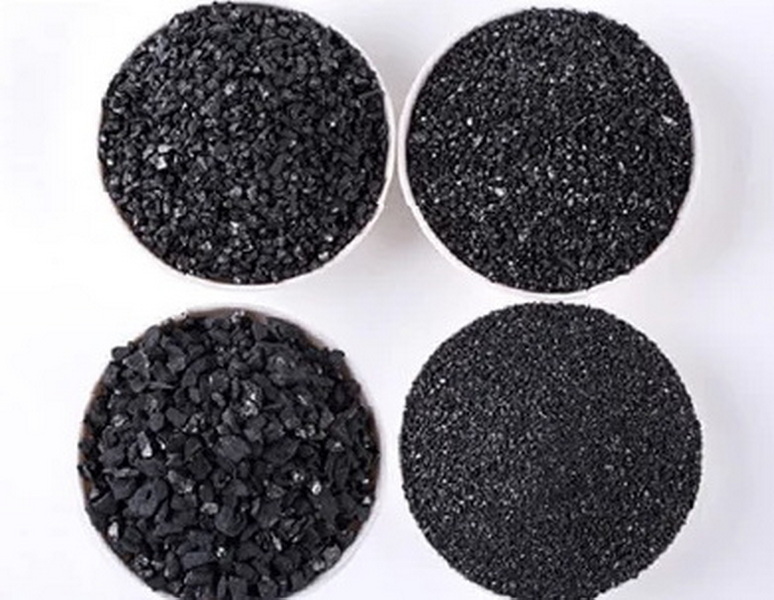
Different activated carbon formats are optimized for various VOC applications in air and gas purification. Selecting the right type of activated carbon is crucial for balancing VOC capacity, pressure drop, and mechanical strength in real installations.[11][3][7][4]
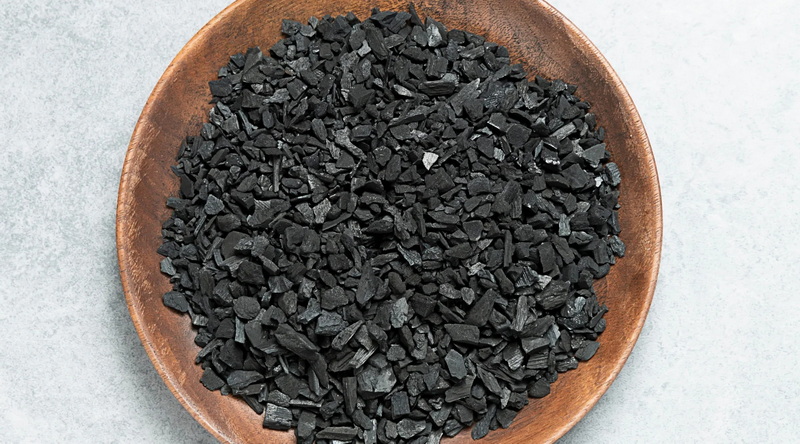
- Granular activated carbon (GAC) is widely used in loose‑fill beds and canisters in HVAC systems and industrial exhaust treatment for broad‑spectrum VOC capture with good airflow.[3][11]
- Pelletized (extruded) activated carbon offers cylindrical pellets with low dust and low pressure drop, ideal for packed towers, canisters, and solvent recovery units handling heavy VOC loads.[11][4][3]
Where Activated Carbon Removes VOCs in Practice
Activated carbon is used for VOC removal across residential, commercial, and industrial environments. It is often integrated into air purifiers, HVAC systems, process exhaust treatment units, and solvent recovery systems to meet health and environmental targets.[5][1][4][3]
- In homes and offices, activated carbon filters in air purifiers and HVAC systems reduce VOCs from paints, furniture, and cleaning products, improving indoor comfort and perceived air freshness.[6][2][5]
- In industry, activated carbon beds and solvent recovery units can recover or remove up to very high percentages of VOCs from exhaust gases, helping plants comply with strict emission regulations and sometimes allowing solvent reuse.[4][3]
Factors That Affect VOC Removal Performance
The performance of activated carbon for VOC removal depends on system design, carbon properties, operating conditions, and maintenance. Understanding these factors helps engineers and buyers design activated carbon solutions that remain effective across the full service life.[7][3][4]
- Airflow rate and contact time: Lower face velocity and longer contact time between air and activated carbon increase VOC adsorption efficiency, while overly high flow reduces performance.[9][7]
- Carbon quality and bed thickness: High‑quality activated carbon with optimized pore structure and a sufficiently thick bed provides higher VOC capacity and longer breakthrough times before replacement is needed.[3][7][11]
Limitations of Activated Carbon for VOCs
Although activated carbon is highly effective for many VOCs, it is not a universal solution and has important limitations that must be considered in design and selection.[6][7][9]
- Different VOCs behave differently: Some VOCs are more weakly adsorbed, and certain light or highly polar compounds such as acetone or low‑molecular‑weight aldehydes may be more challenging for standard activated carbon.[8][6][9]
- Saturation and breakthrough: Over time, activated carbon pores fill with VOCs, reducing removal efficiency and eventually allowing VOC breakthrough unless the carbon is replaced or thermally regenerated.[7][4][9]
Activated Carbon vs Other VOC Technologies
Activated carbon is often compared with other VOC control and indoor air cleaning technologies and is frequently used in combination with them for best results.[12][5][3]
- Oxidation‑based indoor air cleaners and some advanced technologies can partially remove VOCs but may generate by‑products and do not always achieve high overall VOC reduction compared with well‑designed activated carbon filtration.[12][5]
- Many high‑end VOC air purifiers combine HEPA filters for particles with large beds of activated carbon or carbon‑zeolite mixtures to target gases and VOCs in one system.[13][5]
Industrial VOC Recovery with Activated Carbon
In many industrial applications, activated carbon is not only used to remove VOCs but also to recover valuable solvents for reuse. These systems rely on cyclic adsorption and desorption processes using steam or inert gas to strip VOCs from saturated activated carbon.[4][3]
- Solvent recovery units (SRUs) filled with high‑performance activated carbon can achieve high VOC capture rates while allowing desorbed solvent vapors to be condensed and recycled.[4]
- Activated carbon's high VOC loading capacity, mechanical strength, and regenerability make it a cost‑effective medium for long‑term industrial VOC control and recovery.[3][4]
Practical Tips for Selecting Activated Carbon for VOCs
For buyers, engineers, and facility managers, matching the activated carbon solution to the VOC profile and operating conditions is essential. A well‑chosen activated carbon grade and system design can greatly extend bed life and stabilize VOC removal performance.[7][3][4]
- Identify the VOC mix and concentration, then select activated carbon grades (for example, coconut‑shell vapor‑phase or specialized impregnated carbons) tailored to those compounds.[11][3][4]
- Work with experienced activated carbon manufacturers who can provide performance data, bed sizing support, and reactivation or replacement services for continuous VOC control.[3][4]
Conclusion
Activated carbon does remove VOCs very effectively when the right activated carbon type, bed design, and operating conditions are used. From home air purifiers and HVAC systems to heavy industrial exhaust and solvent recovery units, activated carbon provides a versatile, proven solution for VOC adsorption, odor control, and regulatory compliance. For global industrial users, working with a professional activated carbon manufacturer that offers customized activated carbon grades and engineering support is the best way to achieve reliable VOC removal performance at optimized lifecycle cost.[1][9][11][7][4][3]
FAQ – Does Activated Carbon Remove VOCs?
(1) How do activated carbon filters remove VOCs from indoor air?
Activated carbon filters remove VOCs from indoor air through adsorption, where VOC molecules are drawn to and held on the carbon surface inside its microscopic pores. The huge surface area and tailored pore structure of activated carbon allow it to capture many VOCs such as benzene, toluene, and paint fumes as air passes repeatedly through the filter.[2][1][6][7][3]
(2) Are all activated carbon filters equally effective for VOC removal?
No, not all activated carbon filters are equally effective, because performance depends on the quality of the activated carbon, the amount of carbon, bed thickness, and contact time. Thin carbon pads or low‑quality media may only provide limited VOC reduction, while filters with several pounds of high‑grade activated carbon deliver much higher VOC capacities and longer service life.[5][13][2][11][7][3]
(3) Which VOCs are hardest for activated carbon to remove?
Standard activated carbon is most efficient for many non‑polar and moderately polar VOCs, but certain light and highly polar compounds can be harder to capture. Examples include some low‑molecular‑weight aldehydes and ketones such as acetone and parts of the formaldehyde spectrum, which may require modified activated carbon or combined technologies to achieve high removal.[8][6][9][3]
(4) How often should activated carbon for VOC control be replaced or regenerated?
Replacement or regeneration frequency depends on VOC load, airflow, carbon type, and target outlet concentration, but all activated carbon beds eventually saturate and need service. Industrial systems often use thermal regeneration to restore VOC removal capacity, while residential and commercial filters are typically replaced according to hours of operation or VOC sensor indicators.[13][5][9][7][4]
(5) Should activated carbon be combined with other filters for VOC removal?
Yes, activated carbon is commonly combined with other technologies to address all pollutant types and improve overall system performance. A typical configuration pairs HEPA filters for particles with activated carbon for VOCs, and in some cases adds catalytic or oxidation stages for difficult gases and additional odor control.[12][5][13][7][3]
Citations:
[1](https://puragen.com/uk/insights/the-effectiveness-of-activated-carbon-filters/)
[2](https://filterbuy.com/resources/health-and-wellness/does-activated-carbon-filter-remove-vocs-from-indoor-air/)
[3](https://www.suneetacarbons.com/blog/activated-carbon-in-air-purification-and-voc-removal/)
[4](https://www.dec.group/solutions/BSM/activated-carbon-ACA_en.html)
[5](https://housefresh.com/air-purifier-for-vocs/)
[6](https://customfiltersdirect.com/blogs/air-filter-blog/does-activated-carbon-filter-remove-vocs-from-indoor-air)
[7](https://www.simpurelife.com/blogs/blogs/do-hepa-filters-remove-vocs)
[8](https://www.sciencedirect.com/science/article/pii/S2667056923000147)
[9](https://energyanalysis.lbl.gov/publications/energy-efficient-indoor-voc-air)
[10](https://pmc.ncbi.nlm.nih.gov/articles/PMC7077425/)
[11](https://activatedcarbondepot.com/products/4x8-virgin-coconut-shell-activated-carbon-charcoal-for-vapor-filtration)
[12](https://news.mit.edu/2021/study-finds-indoor-air-cleaners-fall-short-removing-volatile-organic-compounds-1029)
[13](https://oransi.com/collections/air-purifiers-for-formaldehyde-vocs)
[14](https://pubmed.ncbi.nlm.nih.gov/15961139/)
[15](https://www.reddit.com/r/AirPurifiers/comments/va8e6w/best_type_of_carbon_filter_for_voc_odor_removal/)


