Content Menu
● What Is Activated Carbon?
● THC, THC Metabolites, and Where They Appear
● Does Activated Carbon Remove THC from Water?
>> Evidence from Scientific Studies
>> Role in Drinking Water Treatment
● Does Activated Carbon Remove THC in Cannabis Extraction?
>> Use of Activated Carbon in Extraction and Refinement
>> Balancing Color Remediation and Cannabinoid Retention
● Does Activated Carbon Remove THC from Smoke and Air?
>> Smoking Filters and Joints
>> Room Air and Odor Control
● Key Factors Controlling THC Removal by Activated Carbon
● Industrial and Environmental Applications
● Risks, Limitations, and Best Practices
● Conclusion
● FAQs About Activated Carbon and THC
>> 1. Does activated carbon remove THC from drinking water?
>> 2. Will an activated carbon joint filter remove THC and reduce the high?
>> 3. Can activated carbon completely eliminate THC from cannabis extracts?
>> 4. Is activated carbon the best technology for THC removal in wastewater?
>> 5. How should spent activated carbon containing THC be handled?
● Citations:
Activated carbon can adsorb THC and THC metabolites from liquids such as water and solvent-based cannabis extracts, but its effect on THC in smoke and joints is more limited and strongly depends on filter design, contact time, and carbon properties. In cannabis extraction and purification, activated carbon is widely used to remove unwanted impurities and can also unintentionally capture some cannabinoids, whereas in special smoking filters it is mainly engineered to reduce tar and toxins while allowing most THC to pass through.[1][2][3][4]
What Is Activated Carbon?
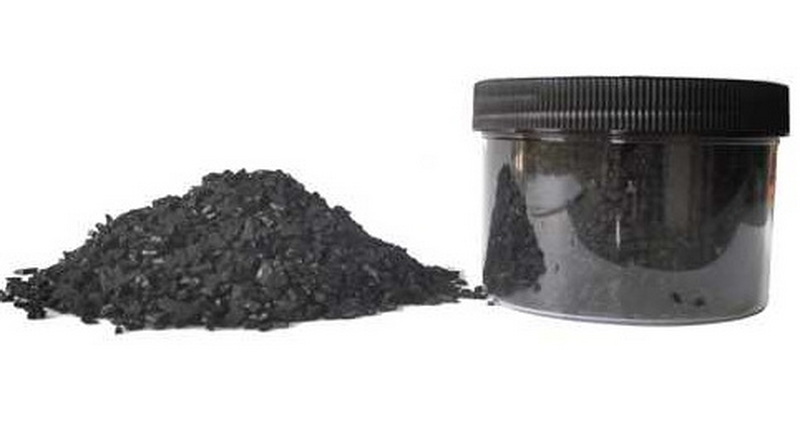
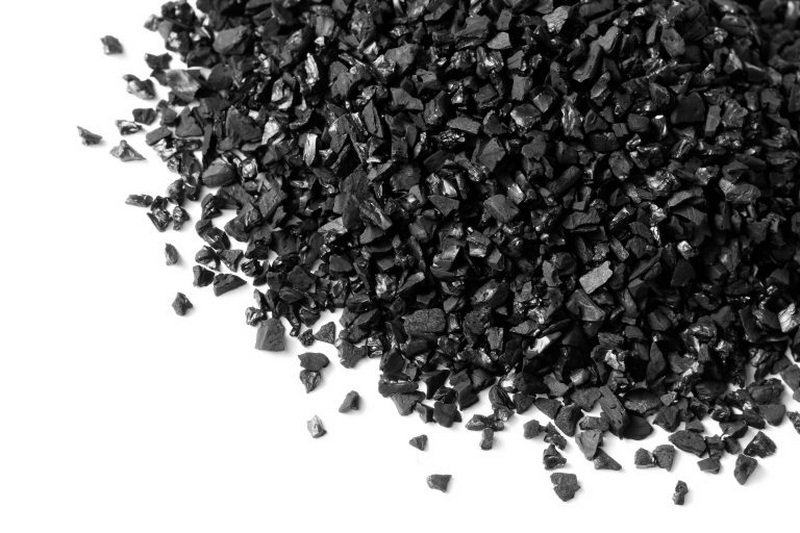
Activated carbon is a highly porous form of carbon with an enormous internal surface area that adsorbs molecules from gases and liquids onto its surface. This activated carbon is produced from raw materials such as coconut shell, coal, or biomass and then thermally or chemically activated to create a network of micro‑, meso‑, and macropores.[5][6]
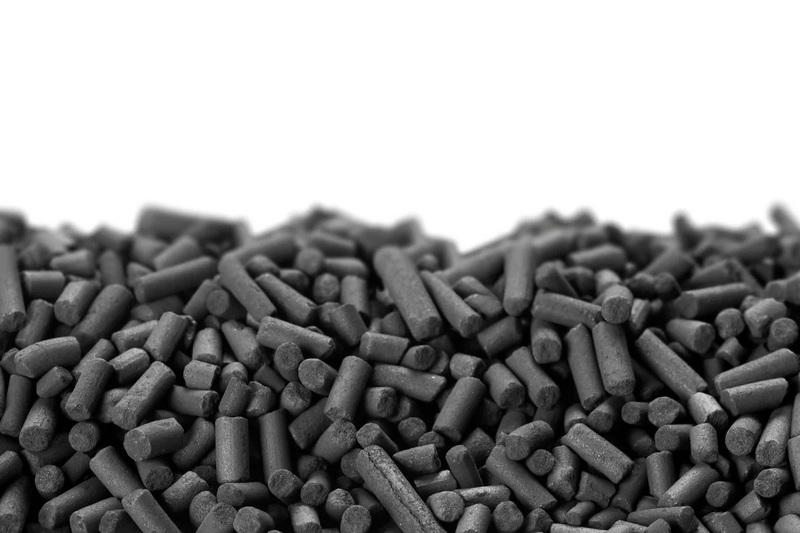
In water and air treatment, activated carbon is used to capture organic pollutants, volatile organic compounds (VOCs), taste and odor compounds, and many trace chemicals by adsorption rather than dissolution. Different formats such as granular activated carbon (GAC), powdered activated carbon (PAC), carbon blocks, and pellets are selected to balance adsorption capacity, flow characteristics, and regeneration options.[7][8][6]
THC, THC Metabolites, and Where They Appear
Tetrahydrocannabinol (THC) is a non‑polar, lipophilic organic molecule that easily dissolves in oils, fats, and many organic solvents but only weakly in water. In the human body and in the environment, THC is oxidized to metabolites such as THC‑COOH, which is more polar and may be present at very low concentrations in wastewater and surface waters.[2][9]
THC and its metabolites can appear in several media where activated carbon is used:
- Cannabis extraction solutions (ethanol, hydrocarbons, supercritical CO₂ post‑processing).[3][10][1]
- Wastewater and surface water contaminated by human excretion and production discharges.[9][2]
- Cannabis smoke and vapor in air, including grow‑room exhaust and room air in consumption areas.[11][7]
Does Activated Carbon Remove THC from Water?
Evidence from Scientific Studies
Peer‑reviewed research on cannabinoids in water has shown that activated carbon can effectively remove both THC and THC‑COOH at environmentally relevant (ng/L–µg/L) concentrations. In one study using three commercial powdered activated carbons, THC and THC‑COOH were both significantly adsorbed, with THC showing 15–300% higher adsorption capacity than THC‑COOH at equivalent conditions depending on carbon type.[2][9]
The study found that at low concentrations typical of surface waters, mesoporous activated carbon with pore sizes around the molecular dimensions of THC and THC‑COOH (roughly 2 nm) showed particularly strong adsorption because cannabinoids preferentially packed inside these mesopores. At higher concentrations, total surface area (specific surface area, SSA) became more important, but even then activated carbon effectively reduced THC and THC‑COOH levels in water.[9][2]
Role in Drinking Water Treatment
In drinking water treatment, activated carbon is already a standard technology for removing organic micropollutants, taste and odor compounds, and disinfection by‑products. The same adsorption mechanisms that remove pesticides and pharmaceutical residues can also be applied to cannabinoids like THC and its metabolites, and the mesoporous structure can be optimized for these molecules.[6][2]
For utilities, the key design aspects are:
- Selecting granular activated carbon with appropriate pore size distribution and surface chemistry for trace organics.
- Providing sufficient empty bed contact time (EBCT) to allow THC molecules to diffuse into pores and adsorb.
- Monitoring breakthrough and replacing or reactivating activated carbon when adsorption capacity is exhausted.[8][2]
Does Activated Carbon Remove THC in Cannabis Extraction?
Use of Activated Carbon in Extraction and Refinement
In cannabis extraction plants, activated carbon is widely used as a polishing adsorbent to improve color, taste, and purity of extracts. Activated carbon can remove chlorophyll, pigments, residual solvents, peroxides, and various degradation products that negatively affect the quality and stability of THC‑rich concentrates.[10][1][3]
However, the same strong adsorption properties that make activated carbon useful can also pull out some THC and other cannabinoids, especially if carbon dosage is high or contact time is long. Process developers therefore optimize activated carbon grade, dosage, and contact conditions to maximize impurity removal while minimizing cannabinoid losses.[1][3][10]
Balancing Color Remediation and Cannabinoid Retention
Specialized activated carbon grades for cannabis extraction are designed with controlled pore size distribution and surface chemistry to preferentially adsorb color bodies and oxidized impurities over neutral cannabinoids. Even so, process data and supplier guidance often acknowledge that some THC loss is inevitable, and operators must balance:[3][1]
- Target color and impurity specifications.
- Acceptable cannabinoid loss percentage.
- Operating cost associated with activated carbon use and spent carbon handling.[10][1][3]
Typical optimization strategies include:
- Using finely pulverized activated carbon with short contact times to rapidly remove pigments and then quickly filter.[3][10]
- Combining activated carbon with other adsorbents (e.g., clays or silica) to share load and reduce over‑adsorption of THC.
- Running small‑scale trials to determine the minimum effective activated carbon dose for each extract type.[1][3]
Does Activated Carbon Remove THC from Smoke and Air?
Smoking Filters and Joints
In smoking applications, specialized activated carbon filters are increasingly used in joints and tobacco products to reduce tar, toxins, and irritants. Studies and product testing indicate that these activated carbon filters significantly reduce harmful substances like tar and certain carcinogenic polycyclic aromatic hydrocarbons (PAHs), while generally allowing most THC to pass through so that psychoactive effects are maintained.[4][12][13]
One consumer‑oriented report notes that activated carbon filters designed for joints have “little effect on THC” and primarily target harmful combustion by‑products, though some small THC loss may occur. Another guide acknowledges that some THC and other non‑polar organic molecules can adsorb on activated carbon surfaces, but users “still get high,” indicating that a substantial fraction of THC remains in the smoke.[12][4]
Room Air and Odor Control
Activated carbon filters are very effective at removing cannabis smoke odors from indoor air by adsorbing VOCs and odor‑causing compounds. Air purifiers and grow‑room scrubbers equipped with large activated carbon beds capture cannabis VOCs and reduce the characteristic smell, improving comfort and reducing nuisance complaints, but these systems are not designed as THC “elimination” devices for human exposure control.[7][11]
Key points for air systems:
- Activated carbon beds focus on odor and VOC removal rather than precise THC removal measurement.
- Filter performance depends on air flow rate, residence time, and bed depth, similar to other gas‑phase activated carbon applications.[11][7]
- Eventually the activated carbon saturates and must be replaced to maintain high odor removal efficiency.[7][11]
Key Factors Controlling THC Removal by Activated Carbon
The ability of activated carbon to remove THC or THC‑COOH from any stream depends on several technical parameters:
- Pore structure: Mesoporous activated carbon (pores ~2 nm) shows strong affinity for THC and THC‑COOH at low concentrations, enabling efficient pore filling.[2][9]
- Surface chemistry: Oxygen‑containing surface groups and the charge of both activated carbon and THC‑COOH influence adsorption via hydrophobic interactions, π‑π interactions, and electrostatic effects.[9][2]
- Concentration and composition: At very low ng/L levels in water, competitive adsorption from natural organic matter may reduce the effective capacity for THC; at higher concentrations, total surface area is more important.[2][9]
- Contact time and flow rate: Longer contact times in water filters or thicker beds in gas filters allow more complete diffusion into activated carbon pores and higher THC removal.[8][6]
- Temperature and phase: Adsorption of THC from smoke, vapor, or liquid can vary with temperature and solvent; cooler and less competitive conditions often favor stronger adsorption.[6][1]
Industrial and Environmental Applications
Beyond cannabis processing, activated carbon can be applied to control cannabinoids in environmental and industrial contexts:
- Wastewater treatment: Activated carbon polishing steps can reduce THC and THC metabolites from effluents, complementing biological treatment and advanced oxidation processes.[6][9][2]
- Drinking water protection: Where cannabinoid contamination is a concern, granular activated carbon filtration beds can provide a robust barrier for trace organics, including THC and other pharmaceutical‑type micropollutants.[6][2]
- Process water for cultivation: Activated carbon filtration of irrigation water in cannabis cultivation removes chlorine, chloramines, and organic contaminants that could affect plant health or product quality.[14][6]
A professional activated carbon supplier can recommend specific granular, powdered, or pelletized activated carbon grades for THC‑containing streams, balancing adsorption performance with hydraulic performance and regeneration options.[8][1][6]
Risks, Limitations, and Best Practices
While activated carbon is a powerful tool for removing THC in liquids and moderating exposure in some contexts, there are limitations:
- Activated carbon does not chemically destroy THC; it concentrates THC on the carbon surface, so spent activated carbon must be handled and disposed of or reactivated according to regulations.[8][2]
- Over‑use of activated carbon in extraction can reduce THC yield and alter terpene profiles, so dosing must be carefully optimized.[10][1][3]
- In smoking filters, activated carbon helps reduce harmful by‑products, but it cannot make smoking “safe”; some toxic compounds and fine particles still pass through.[13][4][12]
Best practices for using activated carbon for THC‑related applications include:
- Conducting bench‑scale tests to characterize THC adsorption capacity and breakthrough behavior for the specific stream.
- Selecting activated carbon with tailored pore structure (mesoporous emphasis) when targeting trace THC and THC‑COOH in water.[9][2]
- Setting replacement or regeneration schedules based on monitoring data (TOC, VOCs, THC proxy indicators) rather than fixed time only.[8][6]
Conclusion
Activated carbon can remove THC and its metabolites from water and many liquid streams, especially when mesoporous activated carbon with suitable surface chemistry is used under well‑designed contact conditions. In cannabis extraction, activated carbon is a proven tool for color and impurity remediation but must be carefully controlled to avoid excessive THC loss, while in smoking filters it reduces tar and toxins with comparatively limited impact on THC delivery. For environmental protection, wastewater polishing, and odor and VOC control around cannabis facilities, high‑quality activated carbon remains one of the most versatile and effective adsorbents for managing THC‑related contaminants in a responsible and scalable way.[4][12][11][1][3][7][2][9][6]
FAQs About Activated Carbon and THC
1. Does activated carbon remove THC from drinking water?
Yes, activated carbon can remove THC and THC‑COOH from water at environmentally relevant concentrations, with mesoporous activated carbon showing particularly high adsorption affinity. Water treatment systems use granular activated carbon beds as a polishing step for trace organics, and these beds can be engineered to capture cannabinoids alongside other micropollutants.[2][9][6]
2. Will an activated carbon joint filter remove THC and reduce the high?
Specially designed activated carbon joint filters mainly target tar and harmful by‑products and tend to have only a limited effect on THC, so users generally still experience the desired psychoactive effect. Some THC is likely adsorbed onto the activated carbon, but studies and user reports suggest that the reduction in THC is relatively small compared with the benefit of reduced irritants and toxins.[12][13][4]
3. Can activated carbon completely eliminate THC from cannabis extracts?
Activated carbon can significantly reduce THC levels in extracts if used at high doses or with long contact times, but it is rarely used as the sole step to “completely eliminate” THC. In practice, processors use activated carbon to polish color and impurities while retaining most cannabinoids, and complete THC removal is usually achieved by process design and fractionation rather than extreme activated carbon treatment.[1][3][10]
4. Is activated carbon the best technology for THC removal in wastewater?
Activated carbon is a strong option for polishing THC and THC‑COOH in wastewater, especially as a final barrier after biological treatment, but it may be combined with other processes such as advanced oxidation or membrane separation. The best solution depends on THC concentration, co‑contaminants, regulatory limits, and operating cost; activated carbon often provides an economical and proven adsorption step within an integrated treatment train.[9][6][2][8]
5. How should spent activated carbon containing THC be handled?
Spent activated carbon that has adsorbed THC and related organics should be treated as a controlled waste stream and managed according to local cannabis and hazardous waste regulations. Common options include off‑site thermal reactivation of activated carbon, secure incineration, or regulated disposal through licensed waste management providers experienced in activated carbon handling.[2][8]
Citations:
[1](https://activatedcarbondepot.com/blogs/news/how-activated-carbon-is-used-in-cannabis-extraction)
[2](https://www.nature.com/articles/s41545-019-0049-7)
[3](https://mediabros.store/blogs/news/the-critical-role-of-activated-carbon-in-cannabis-extraction-and-color-remediation)
[4](https://grannysweed.de/en/blogs/news/thc-filtert-filter-aus-joint)
[5](https://www.sciencedirect.com/science/article/pii/S1387181115002735)
[6](https://www.springwellwater.com/activated-carbon-filters-remove/)
[7](https://softsecrets.com/en-US/article/science-carbon-filtering)
[8](https://crystalquest.com/blogs/filter-media/carbon-filtration-pfas-removal)
[9](https://ui.adsabs.harvard.edu/abs/2020npjCW...3....2K/abstract)
[10](https://mediabros.store/blogs/news/how-activated-carbon-works-in-cannabis-extract)
[11](https://alen.com/blogs/health-benefits/air-purifier-for-weed-smoke)
[12](https://www.royalqueenseeds.com/us/blog-activated-carbon-smoking-filters-should-you-use-them-n1443)
[13](https://vaperite.co.za/activated-carbon-filters-what-are-these-for/)
[14](https://www.youtube.com/watch?v=nVF-1AjsOlU)
[15](https://pdfs.semanticscholar.org/1328/b3847fa43e97f7e7b81f3eabf145bee3f0ba.pdf)


