Content Menu
● What Are Tannins?
● How Activated Carbon Removes Tannins
● Effectiveness in Different Applications
>> Drinking and household water
>> Municipal and industrial water treatment
>> Aquariums and aquaculture
>> Food, beverage, and specialty uses
● Factors That Influence Tannin Removal
>> 1. Type and quality of activated carbon
>> 2. pH and water chemistry
>> 3. Contact time and bed design
>> 4. Carbon dose and regeneration or replacement
● Advantages of Using Activated Carbon for Tannins
● Limitations and When Other Methods Are Needed
● How to Choose Activated Carbon for Tannin Removal
● Conclusion
● FAQ About Activated Carbon and Tannins
>> 1. Does activated carbon completely remove all tannins?
>> 2. How long does activated carbon last when removing tannins?
>> 3. Is activated carbon safe for drinking water when removing tannins?
>> 4. Will activated carbon remove beneficial tannins for blackwater aquariums?
>> 5. What is the best activated carbon type for tannin removal?
● Citations:
Does activated carbon remove tannins? Yes – activated carbon is one of the most widely used and effective media for removing tannins from water, especially in drinking water, industrial process water, and aquariums. Its large internal surface area and surface chemistry allow tannin molecules to be adsorbed, significantly reducing color, odor, and related organic load in the treated water.[1][2][3][4][5][6]
What Are Tannins?
Tannins are a group of natural organic compounds released from plant materials such as wood, leaves, peat, seeds, and bark. In water systems, tannins typically appear as yellow‑to‑brown color and can slightly affect taste and odor even at low concentrations.[2][3][1]
In industrial and municipal water, tannins belong to a broader category called natural organic matter (NOM), which can interfere with downstream treatment processes and product quality. In aquariums and aquaculture, tannins often come from driftwood and botanical materials and cause the characteristic “tea‑colored” or amber tint in the water.[4][5][6][7][2]
How Activated Carbon Removes Tannins
Activated carbon removes tannins primarily through adsorption, where tannin molecules are attracted to and held on the internal porous surface of the carbon granules or pellets. Because activated carbon has an extremely high specific surface area (often 600–1500 m² per gram), it can capture significant amounts of dissolved organic compounds including tannins.[3][5][2]
Laboratory studies show that tannic acid (a model tannin) adsorption on activated carbon is influenced by pH, contact time, and tannin concentration, and that both physical adsorption and chemical bonding (chemisorption) can be involved. At lower pH, physisorption tends to dominate, while at moderate pH the interaction between ionized tannin species and activated carbon functional groups can increase adsorption strength.[5][3]
Effectiveness in Different Applications
Drinking and household water
- Point‑of‑use and whole‑house filters often use activated carbon cartridges or beds to remove color, odor, and organic compounds including tannins from well water or surface water.[2]
- These activated carbon systems improve visual clarity and reduce earthy/organic taste, although severe tannin issues in some groundwaters may require combined technologies such as anion exchange plus activated carbon.[5][2]
Municipal and industrial water treatment
- In central treatment plants, powdered or granular activated carbon is used to remove NOM (including humic substances and tannins) to control color and improve chlorine disinfection performance.[5]
- Reducing tannins and other organics with activated carbon helps lower the formation potential of disinfection by‑products such as trihalomethanes, which are regulated carcinogenic compounds.[5]
Aquariums and aquaculture
- In aquariums, activated carbon is widely used to remove brown tannins leaching from decorative wood and botanical materials, restoring clear water.[6][7][4]
- Guides for aquarium keepers note that activated carbon excels at removing tannins and other dissolved organic compounds that discolor water, though it will not correct all water quality problems by itself.[8][4][6]
Food, beverage, and specialty uses
- In food and beverage processing, activated carbon can help control color and off‑flavors caused by tannin‑type polyphenols in certain process streams.[5]
- Specialized activated carbon grades are used where product purity and regulatory compliance are critical, such as in sugar, beverages, and some pharmaceutical intermediates.[5]
Factors That Influence Tannin Removal
The performance of activated carbon for tannin removal is not fixed; it depends on several operating and design parameters.[3][2][5]
1. Type and quality of activated carbon
- Different raw materials (coconut shell, coal, wood, fruit pits) and activation methods produce different pore size distributions and surface chemistries that affect tannin adsorption.[3][5]
- High‑quality activated carbon with suitable mesopore and macropore structure generally performs better for large organic molecules like tannins than extremely microporous carbons intended mainly for small molecules.[3][5]
2. pH and water chemistry
- Experimental studies show that tannin adsorption on activated carbon is strongly pH‑dependent: lower or moderately acidic conditions often favor higher removal due to reduced electrostatic repulsion and specific interactions between tannin functional groups and the carbon surface.[3]
- Coexisting ions and competing organic matter can occupy active sites on activated carbon, reducing the effective capacity for tannins if the water contains high levels of other organics.[3][5]
3. Contact time and bed design
- In fixed‑bed filters, tannin removal requires sufficient empty bed contact time (EBCT) for the water to remain in contact with the activated carbon.[2][5]
- If flow rate is too high or bed depth is too shallow, breakthrough of tannins will occur sooner, and the activated carbon will appear “exhausted” quickly.[2][5]
4. Carbon dose and regeneration or replacement
- For powdered activated carbon (PAC) dosing, higher doses increase tannin removal up to a point, but must be balanced against cost and downstream solids handling.[5]
- For granular activated carbon (GAC), periodic regeneration (thermal reactivation) or replacement is necessary once the tannin adsorption capacity is reached, which can be monitored indirectly by color or UV measurement in the effluent.[2][5]
Advantages of Using Activated Carbon for Tannins
- Broad removal capability: Activated carbon removes tannins along with many other dissolved organic compounds, improving overall water quality in a single treatment step.[4][6][2]
- Proven technology: Activated carbon is a mature, well‑understood, and widely standardized technology used globally in water treatment, aquariums, food processing, and industrial processes.[6][2][5]
- Flexible configurations: Activated carbon can be used in cartridges, pressure vessels, gravity filters, batch tanks, and continuous columns, making it adaptable from small household systems to large industrial plants.[2][5]
Limitations and When Other Methods Are Needed
Although activated carbon is effective, it is not a universal solution for every tannin situation.[2][5]
- In some wells or surface waters with very high dissolved organic carbon and tannin levels, anion exchange resins, membrane filtration, or oxidation (e.g., ozone) may be combined with activated carbon to achieve stringent quality targets.[1][2][5]
- Small pitcher filters that use limited volumes of activated carbon can improve taste and odor, but they may not completely remove tannins when color levels are high, especially for whole‑house demand.[2]
In addition, activated carbon eventually becomes saturated; once fully loaded with tannins and other organics, it must be replaced or regenerated to maintain performance.[9][4][2]
How to Choose Activated Carbon for Tannin Removal
When selecting an activated carbon solution for tannins, users should focus on several key criteria rather than only on price.
- Application type: Drinking water, industrial process water, aquaculture, beverage, and pharmaceutical applications may need different grades of activated carbon to meet specific regulatory and performance requirements.[2][5]
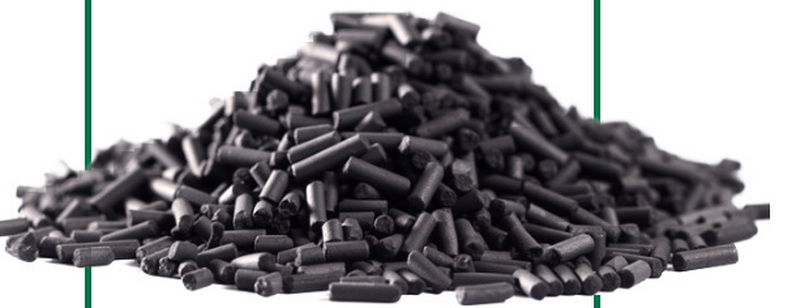
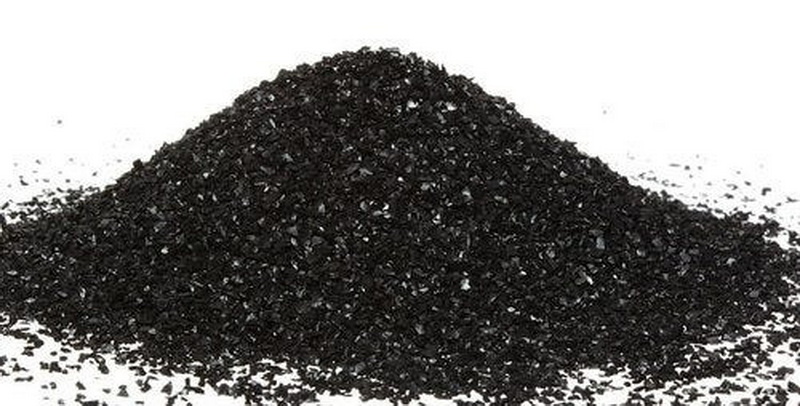
- Form and system design: Granular activated carbon is typically used in fixed‑bed filters and columns, while powdered activated carbon is dosed into tanks or clarifiers and then removed by filtration.[5]
- Performance data: Reliable suppliers should provide technical data sheets, iodine number, surface area, typical pore size distribution, and – ideally – tannin or NOM adsorption test data under representative conditions.[3][5]
A professional manufacturer with experience in custom activated carbon solutions can help design the right grade and system configuration to target tannin removal together with other water quality goals such as odor, color, and by‑product control.[2][5]
Conclusion
Activated carbon does remove tannins effectively in many water and process applications, from household wells and industrial plants to aquariums and aquaculture systems. By leveraging the high surface area and tailored pore structure of activated carbon, tannin molecules can be adsorbed, reducing color, improving taste, and minimizing organic load in downstream processes. For challenging cases with very high tannin levels, combining activated carbon with complementary technologies such as anion exchange, oxidation, or membrane separation can deliver reliable, long‑term performance.[6][1][4][3][5][2]
FAQ About Activated Carbon and Tannins
1. Does activated carbon completely remove all tannins?
Activated carbon can remove a large portion of tannins and significantly reduce water color, but complete removal depends on tannin concentration, contact time, pH, and the quality of the activated carbon. In some highly colored waters, a small residual tint may remain or require additional treatment steps beyond activated carbon alone.[3][5][2]
2. How long does activated carbon last when removing tannins?
The service life of activated carbon for tannins ranges from weeks to months in small systems and many months in well‑designed industrial beds, depending on loading rate and competing contaminants. Once effluent color or tannin indicators begin to rise, the activated carbon is approaching exhaustion and must be replaced or regenerated to maintain performance.[9][4][5][2]
3. Is activated carbon safe for drinking water when removing tannins?
Activated carbon is widely accepted and certified for drinking‑water treatment and is used globally to improve taste, odor, and color by removing organics including tannins. Systems must be correctly designed, flushed, and maintained, but the activated carbon media itself is considered safe and is included in many certified filtration products.[5][2]
4. Will activated carbon remove beneficial tannins for blackwater aquariums?
Yes, activated carbon used in aquarium filters will actively remove tannins that create the characteristic dark “blackwater” look, along with other dissolved organics. Hobbyists who wish to maintain a strong tint usually minimize or avoid continuous activated carbon use, or run it only temporarily after medication or in emergencies.[7][4][6]
5. What is the best activated carbon type for tannin removal?
For tannin removal, many systems use granular activated carbon with a suitable pore size distribution for large organic molecules and enough bed depth for adequate contact time. In specialized applications, tailored activated carbon grades based on coconut shell, wood, or other precursors are selected to balance tannin capacity, mechanical strength, and regeneration performance.[3][5]
Citations:
[1](https://www.oxidationtech.com/blog/taming-tannins-in-your-water-the-power-of-ozone-treatment/)
[2](https://www.softprowatersystems.com/blogs/contaminants/remove-tannins-from-water)
[3](https://pubs.acs.org/doi/10.1021/acsomega.0c03811)
[4](https://aquariumscience.org/index.php/7-4-2-activated-carbon/)
[5](https://www.sciencedirect.com/science/article/pii/S2238785420321426)
[6](https://activatedcarbondepot.com/blogs/news/activated-carbon-for-aquariums-a-complete-guide)
[7](https://tanninaquatics.com/blogs/the-tint-1/yeah-you-can-use-carbon)
[8](https://www.youtube.com/watch?v=NJz1lIC9CX8)
[9](https://www.ukaps.org/forum/threads/activated-carbon.53335/)
[10](https://www.youtube.com/watch?v=nQQzUEf0iRc)
[11](https://www.reddit.com/r/PlantedTank/comments/nqhuy7/how_effective_is_activated_carbon_for_clearing/)
[12](https://tanninaquatics.com/blogs/the-tint-1/on-the-tint)
[13](https://www.facebook.com/groups/590345564691252/posts/2347112025681255/)
[14](https://onlinelibrary.wiley.com/doi/full/10.1002/clen.70088)
[15](https://pmc.ncbi.nlm.nih.gov/articles/PMC10837505/)


