Content Menu
● Does Activated Carbon Remove Odors?
● How Activated Carbon Removes Odors
● What Odors Can Activated Carbon Remove?
>> Common Household Odors
>> Industrial and Municipal Odors
>> Organic and Chemical Odors
● Activated Carbon in Air and Gas Odor Control
● Activated Carbon for Water and Liquid Odor Removal
● Limits of Activated Carbon Odor Removal
● Practical Applications and Media Formats
● Conclusion
● FAQ About Activated Carbon and Odor Removal
>> 1. How long does activated carbon keep removing odors?
>> 2. Can activated carbon remove all types of odors?
>> 3. Is activated carbon safe for home odor control?
>> 4. What is the difference between activated carbon and regular charcoal?
>> 5. Do HEPA filters remove odors, or is activated carbon necessary?
● Citations:
Does activated carbon remove odors? Yes, high‑quality activated carbon is one of the most effective materials for capturing and neutralizing a wide range of odor‑causing molecules in air, gas, and water.[1][2]
Does Activated Carbon Remove Odors?
Activated carbon is widely used in homes and industries to remove odors from air, gases, and liquids because of its extremely large internal surface area and porous structure. When odor molecules pass over or through activated carbon, they are trapped on its surface in a process called adsorption, which makes the surrounding environment smell cleaner and fresher.[3][4][1]
How Activated Carbon Removes Odors
Activated carbon removes odors primarily through adsorption, not absorption. In adsorption, odor molecules adhere to the internal surface of the activated carbon's pores, forming a thin layer, instead of being absorbed into the bulk of the material like a sponge.[5][6][1]
- The activation process (usually steam or chemical activation) produces a huge network of micropores, mesopores, and macropores, giving activated carbon an enormous internal surface area.[2][1]
- Just a few grams of activated carbon can have an internal surface area comparable to a football field, providing many binding sites for odor molecules.[1]
- Because many odor‑causing compounds are organic and less polar, they are strongly attracted to and held by activated carbon surfaces.[7][4]
In practical odor control, air or water containing odor compounds is forced through a bed, filter, or cartridge filled with activated carbon, allowing sufficient contact time for adsorption to occur.[8][3]
What Odors Can Activated Carbon Remove?
Activated carbon is effective against a wide spectrum of odor sources in residential, commercial, and industrial settings.[2][3]
Common Household Odors
Activated carbon is frequently used in air purifiers, refrigerator filters, range hoods, and room deodorizers to control everyday smells.[9][10]
- Cooking odors, including fried foods, spices, and fish.[10]
- Pet odors from litter boxes, bedding, and dander.[11][2]
- Bathroom and body odors in confined spaces.[12][10]
- Musty smells from mold or damp materials.[2]
Activated carbon filters have been shown in tests to significantly reduce household odor concentration in the air, especially when combined with particle filters like HEPA for dust and dander.[13][9]
Industrial and Municipal Odors
In industrial and municipal odor control, activated carbon plays a critical role where odor emissions must meet strict environmental regulations.[4][3]
- Wastewater treatment plants use activated carbon to remove hydrogen sulfide and other sulfur compounds from sewage gas and exhaust air.[3][8]
- Waste transfer stations and industrial manufacturing sites use activated carbon filters to neutralize foul odors and volatile organic compounds (VOCs).[4][3]
- Biogas facilities use activated carbon to remove hydrogen sulfide and siloxanes, improving gas quality and reducing odor emissions.[4]
Organic and Chemical Odors
Activated carbon is especially effective for organic odor compounds and many gaseous pollutants.[7][3]
- Organic sulfur compounds (mercaptans, disulfides) and other offensive hydrocarbons.[14][8]
- VOCs released from paints, solvents, cleaning agents, and new building materials.[15][1]
- Smoke odors from cigarettes, fireplaces, or burning activities.[10][1]
In many of these cases, properly designed activated carbon systems can achieve very high removal efficiencies, often exceeding 90% and, under optimized conditions, above 99% for specific odorants.[7][3]
Activated Carbon in Air and Gas Odor Control
In air and gas treatment, activated carbon is often regarded as one of the safest and most efficient technologies for odor removal.[6][3]
- Air purifiers with activated carbon filters draw in room air and pass it through carbon media where odor molecules and VOCs are adsorbed.[9][1]
- Vapor‑phase activated carbon systems are used in industrial plants, storage tank vents, soil vapor extraction, and off‑gas treatment to remove VOCs and odor pollutants.[3][4]
- Activated carbon odor control units in municipal wastewater plants treat vent air from tanks, sumps, and sludge handling systems to reduce hydrogen sulfide and nuisance odors.[8][3]
Compared with many alternative odor control technologies, activated carbon systems usually have a smaller footprint, react immediately when odor concentrations change, and are relatively simple to operate.[7][3]
Activated Carbon for Water and Liquid Odor Removal
Activated carbon is also widely used to remove odors and off‑tastes from water and other liquids.[16][14]
- In drinking water treatment, granular activated carbon adsorbs organic compounds responsible for taste and odor problems, improving sensory quality.[16][14]
- In food and beverage processing, activated carbon helps control flavor and odor by removing specific organic contaminants, color bodies, and trace compounds.[16]
- In industrial and municipal wastewater, activated carbon can remove organic odorants before treated water is discharged or reused.[14][4]
For water applications, activated carbon is often installed in fixed beds or filter cartridges, with water flowing through the media to allow sufficient contact time for adsorption.[16][7]
Limits of Activated Carbon Odor Removal
While activated carbon is highly effective, it does not solve every odor problem in every situation.[13][7]
- Activated carbon removes odors from air or water streams, but it does not eliminate the physical source of the smell; the odor source itself must still be cleaned, repaired, or removed.[13][2]
- Once the pores in the activated carbon become saturated with odor molecules, the media loses efficiency and must be replaced or regenerated.[2][7]
- Very polar inorganic gases (for example, some acids or ammonia) may require specialized impregnated activated carbon or combined media systems for effective removal.[3][7]
In engineered systems, performance depends on factors such as contact time, airflow or liquid flow rate, temperature, humidity, and the concentration and chemical nature of the odor compounds.[4][7]
Practical Applications and Media Formats
Activated carbon odor control media can be supplied in different forms to suit various applications.[3][16]
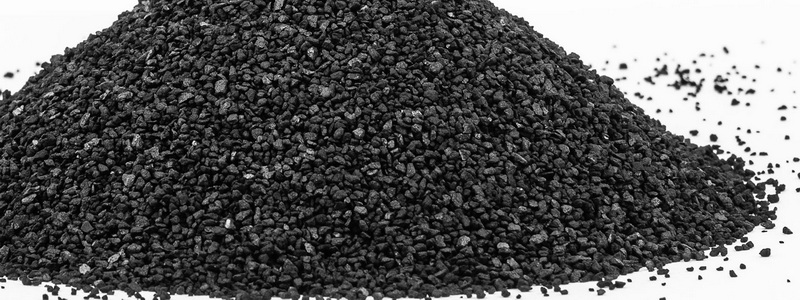
- Granular activated carbon (GAC) in fixed beds for air scrubbers, tank vents, and water treatment units.[14][3]
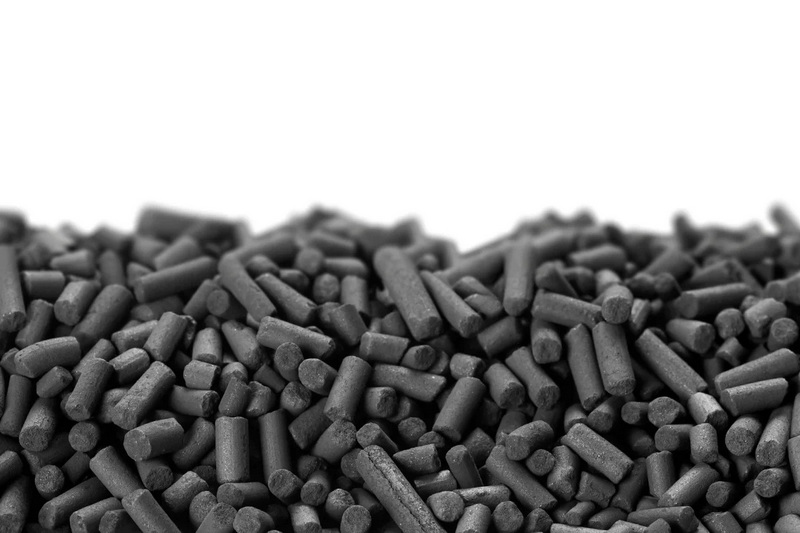
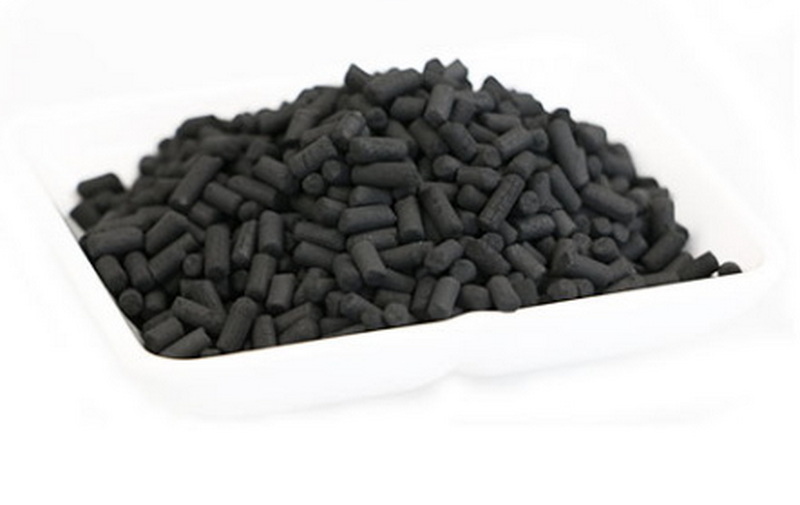
- Extruded or pelletized activated carbon for packed beds in vapor‑phase systems and industrial odor control vessels.[3]
- Powdered activated carbon (PAC) dosed into processes such as flue gas treatment or water clarification to capture odor‑forming compounds before filtration.[4][3]
- Small consumer products such as sachets, bags, and inserts for refrigerators, shoes, closets, and litter boxes.[11][1]
Different base materials (coconut shell, coal, wood, etc.) and activation methods can be selected to optimize pore size distribution and odor removal performance for specific applications.[17][5]
Conclusion
Activated carbon does remove odors effectively in a wide range of residential, commercial, and industrial environments by adsorbing odor‑causing molecules onto its highly porous internal surface. From household cooking and pet smells to complex industrial VOCs and sewage gas, properly selected and maintained activated carbon solutions provide reliable odor control and cleaner, more pleasant air and water.[1][2][4][3]
FAQ About Activated Carbon and Odor Removal
1. How long does activated carbon keep removing odors?
Activated carbon continues to remove odors until its pores become saturated with odor molecules, at which point its effectiveness declines. Service life depends on odor concentration, airflow or water flow, and media type, and can range from weeks in heavy household use to many months or more in well‑designed industrial systems.[2][7][3]
2. Can activated carbon remove all types of odors?
Activated carbon is very effective for many organic odors, VOCs, and sulfur compounds, but it is less effective for some highly polar inorganic gases unless specially impregnated grades are used. For complex odor mixtures, multi‑layer or blended media systems are often designed so each layer targets a different group of odorants.[7][4][3]
3. Is activated carbon safe for home odor control?
Activated carbon used in reputable consumer filters and odor control products is generally considered safe and is widely used in air purifiers, refrigerator filters, and water filters. The carbon itself is stable and inert in normal use, although saturated filters should be replaced according to manufacturer instructions to maintain hygiene and performance.[9][10][2]
4. What is the difference between activated carbon and regular charcoal?
Regular charcoal has some porosity and limited surface area, while activated carbon has been processed to create a much larger internal surface and a more optimized pore structure. This enhanced structure allows activated carbon to adsorb far more odor molecules per unit mass than ordinary charcoal, making it far more efficient for odor removal.[18][1][2]
5. Do HEPA filters remove odors, or is activated carbon necessary?
HEPA filters are excellent for capturing solid particles such as dust, pollen, and dander, but they are not designed to capture gases and many odor molecules. Activated carbon is necessary to effectively remove most gaseous odor compounds, which is why many modern air purifiers combine HEPA filtration with activated carbon filters.[13][9][10]
Citations:
[1](https://www.stadlerform.com/en/health/neutralise-odours/combat-odours-with-an-activated-carbon-filter)
[2](https://deltaadsorbents.com/using-activated-carbon-for-odor-removal/)
[3](https://activatedcarbon.com/applications/air-and-gas)
[4](https://puragen.com/uk/insights/the-effectiveness-of-activated-carbon-filters/)
[5](https://recofiltration.com/odor-removal)
[6](https://cleanair.camfil.us/air-filtration-faqs/odor-removal-technology/)
[7](https://pdhacademy.com/wp-content/uploads/2023/09/437-Activated-Carbon-Odor-Control-Systems.pdf)
[8](https://norit.com/applications/gas-and-air/odor-control)
[9](https://www.filtrete.com/3M/en_US/filtrete/home-tips/full-story/~/how-it-works-carbon-filter/?storyid=96a8db3c-5c93-4c8a-b12c-26e632af88ff)
[10](https://alen.com/blogs/health-benefits/activated-carbon-air-filter)
[11](https://activatedcarbondepot.com/blogs/news/activated-carbon-in-odor-control-applications-for-litter-boxes-and-hunting-gear)
[12](https://activatedcarbondepot.com/blogs/news/how-activated-carbon-keeps-your-home-smelling-clean-naturally)
[13](https://smartairfilters.com/en/blog/do-activated-carbon-filters-remove-odors/)
[14](https://www.calgoncarbon.com/organic-odors/)
[15](https://eoleaf.com/pages/activated-carbon-and-its-role-in-air-filtration)
[16](https://www.karbonous.com/applications/)
[17](https://www.reddit.com/r/HomeImprovement/comments/xegbze/activated_carbon_filters_to_reduce_odor_total/)
[18](https://oransi.com/blogs/how-it-works/activated-carbon-activated-carbon-adsorption)
[19](https://www.industrialodorcontrol.com/activated-carbon.html)
[20](https://www.azom.com/news.aspx?newsID=61139)


