Content Menu
● Does Activated Carbon Remove Lead?
● How Activated Carbon Removes Lead
● Not All Activated Carbon Filters Remove Lead Equally
● Factors Affecting Lead Removal by Activated Carbon
● Activated Carbon vs Other Lead Treatment Technologies
● Industrial and Municipal Uses of Activated Carbon for Lead
● Practical Tips for Using Activated Carbon to Remove Lead
● Conclusion
● FAQ About Activated Carbon and Lead Removal
>> 1. Does any activated carbon filter remove lead?
>> 2. How does activated carbon compare with reverse osmosis for lead?
>> 3. How often should an activated carbon lead filter be replaced?
>> 4. Is activated carbon effective for both particulate and dissolved lead?
>> 5. Can activated carbon made from biomass remove lead?
● Citations:
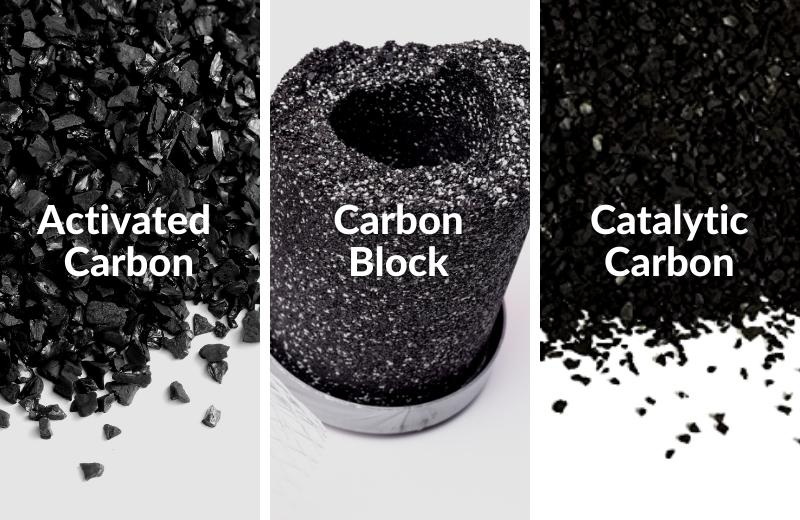
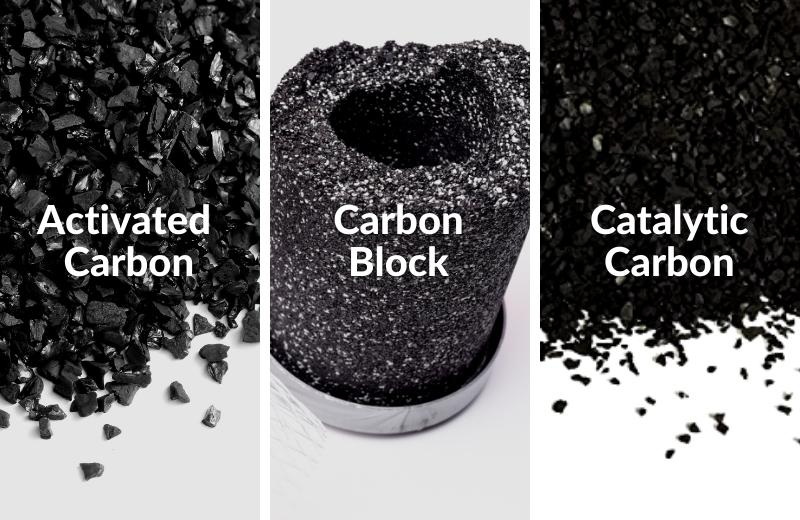
Yes, activated carbon can remove lead from water, but removal efficiency depends heavily on the type of activated carbon, how it is processed, and whether the filter is specifically designed and certified for lead reduction. Properly engineered activated carbon media and activated carbon block filters can achieve very high lead adsorption, while standard carbon filters may remove only a small fraction of dissolved lead.[1][2][3][4][5]
Does Activated Carbon Remove Lead?
Activated carbon is widely used in water treatment for removing organic chemicals, chlorine, taste, and odor, and can also reduce dissolved heavy metals such as lead under the right conditions. When activated carbon is specially formulated or impregnated for heavy metal capture, it becomes an effective, economic solution for reducing lead contamination in drinking and process water.[2][3][6][7][8]
How Activated Carbon Removes Lead
Activated carbon removes lead mainly through adsorption, not absorption, meaning lead ions attach to the large internal surface area of the carbon pores. The porous microstructure and surface functional groups of activated carbon create active sites that can bind Pb(II) ions from water and hold them on the carbon surface.[9][7][10][11]
In batch and column studies, activated carbon has shown high lead adsorption capacities, with some specially prepared carbons reaching several hundred milligrams of lead per gram of activated carbon under optimal conditions. Researchers have demonstrated that lead adsorption on activated carbon follows common adsorption models such as Langmuir and Freundlich, indicating monolayer coverage and heterogeneous surface interactions.[7][8][9]
Not All Activated Carbon Filters Remove Lead Equally
Many basic household activated carbon filters focus on chlorine and organics rather than heavy metals, so they may only reduce lead marginally. Standard granular activated carbon filters can improve taste and odor but are often not certified for lead removal and may achieve reductions of only 10–40% in some cases.[12][13][1][2]
By contrast, high‑performance activated carbon block filters and specially treated activated carbon media are engineered with higher density, optimized pore structure, and sometimes added components that significantly enhance lead adsorption. Such advanced activated carbon blocks, particularly those certified under standards like NSF/ANSI 53 for lead reduction, can remove over 95% of dissolved lead when properly sized and maintained.[3][4][5][1]
Factors Affecting Lead Removal by Activated Carbon
Several water quality and design parameters control how effectively activated carbon removes lead from water.[10][2][7]
- pH of the water
Lead adsorption on activated carbon is strongly pH‑dependent, with higher capacities typically observed around mildly acidic to near‑neutral conditions, such as pH 5–6. At very low pH, positively charged carbon surfaces can repel positively charged lead ions, reducing the adsorption efficiency of activated carbon.[7][10]
- Contact time and flow rate
Longer contact time between water and activated carbon allows more lead ions to diffuse into the particle pores and attach to active sites. In pressurized systems or cartridges, slower flow rates through activated carbon beds or carbon blocks generally improve lead reduction performance.[14][15][2][7]
- Competing ions and water chemistry
Other cations such as calcium and magnesium can compete with lead for adsorption sites on activated carbon, sometimes lowering lead removal. Certain anions like sulfate and phosphate can form complexes that actually enhance lead adsorption on activated carbon surfaces under specific conditions.[9][10]
- Activated carbon type and preparation
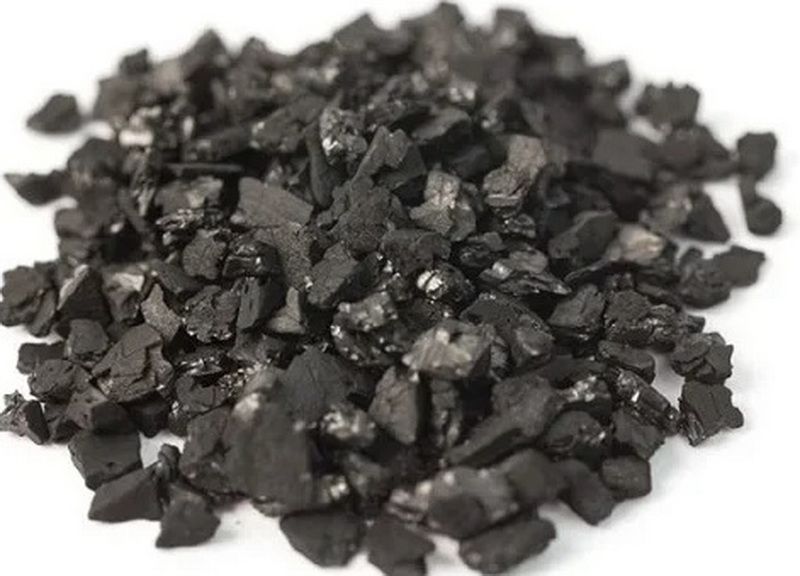
Activated carbon produced from different precursors (such as coconut shell, coal, or biomass) and activated by different methods can show very different affinities for lead. Tailored activation and surface modification can increase the number of functional groups and optimized pores, making activated carbon more selective for lead ions.[11][2][9]
Activated Carbon vs Other Lead Treatment Technologies
While optimized activated carbon plays a key role in lead removal, it is often compared with or combined with other technologies for comprehensive treatment.[16][17][12]
| Technology | Main Mechanism | Typical Lead Reduction* | Notes on Activated Carbon Context |
| Activated carbon block | Adsorption on carbon pore surfaces | Up to 95–99% with certified mediaqualitywaterlab+2 | Cost‑effective, also removes organics and chlorine. |
| Granular activated carbon | Adsorption in loose carbon bed | Variable, often lower for leadextensionpubs.unl+1 | Good for taste/odor; needs special design for metals. |
| Reverse osmosis | Membrane separation | Very high, often >95%reddit+1 | Often used with activated carbon pre‑filtration. |
| Ion exchange | Ion swap on resin sites | High when properly maintainedreddit+1 | May be paired with activated carbon polishing. |
| Distillation | Phase change separation | High, but energy intensiveapexwaterfilters | Less common for routine domestic use. |
In many systems, activated carbon is installed as a pre‑ or post‑treatment stage to remove organics, protect membranes, and polish taste, while membranes or ion exchange handle a significant portion of lead removal. However, in optimized carbon block filters that use high‑quality activated carbon media, activated carbon itself can be the primary barrier for lead reduction.[6][15][5][1][3]
Industrial and Municipal Uses of Activated Carbon for Lead
In industrial and municipal water treatment, activated carbon is valued for its versatility and relatively low operating cost when treating complex streams that may contain both organics and trace heavy metals like lead. Activated carbon adsorption units can be integrated into existing process lines to polish effluents, protect downstream equipment, and help meet regulatory discharge limits for contaminants including lead.[15][18][8][6][9][7]
Studies on activated carbon produced from agricultural and forestry wastes show promising lead adsorption capacities, suggesting that sustainable bio‑based activated carbon can effectively remove Pb(II) from wastewater and process water. For industries such as chemicals, mining, electroplating, food and beverage, and pharmaceuticals, tailored activated carbon grades are used to balance organic removal, color reduction, and heavy metal adsorption within a single treatment step.[19][18][6][11][9][7]
Practical Tips for Using Activated Carbon to Remove Lead
When selecting activated carbon systems to address lead contamination, users should focus on certification, design, and maintenance to ensure that activated carbon performs as intended.[1][12][13]
Key practical guidelines:
- Choose systems that specify lead reduction and use certified activated carbon blocks or specialized activated carbon media tested to standards such as NSF/ANSI 53 for lead.[12][5][1]
- Verify that the activated carbon cartridge or bed is sized for the required flow rate and daily water volume, since undersized activated carbon filters may not provide sufficient contact time for lead adsorption.[2][14]
- Replace activated carbon filters on schedule, because once activated carbon becomes saturated with lead and other contaminants, it cannot adsorb more and may even release captured metals if overused.[13][1]
- Test feed and product water periodically to confirm that the activated carbon system continues to achieve the desired lead reduction and complies with local drinking water or discharge standards.[1][12]
- In high‑lead situations, consider combining activated carbon with complementary technologies, such as reverse osmosis or ion exchange, for a multi‑barrier approach that maximizes safety and reliability.[16][17][15]
For industrial buyers and engineering teams, working with a manufacturer that can customize activated carbon type, particle size, and system configuration allows the design of activated carbon solutions tailored to specific water chemistries and lead levels.[8][11][9]
Conclusion
Activated carbon can effectively remove lead from water when it is properly engineered, selected, and maintained for that purpose, making it a key technology in both residential and industrial lead control strategies. However, not all activated carbon filters are designed for lead removal, so users must choose specialized activated carbon media or certified activated carbon block filters, monitor performance, and consider integrated treatment trains when dealing with higher lead concentrations.[3][8][12][1][2]
FAQ About Activated Carbon and Lead Removal
1. Does any activated carbon filter remove lead?
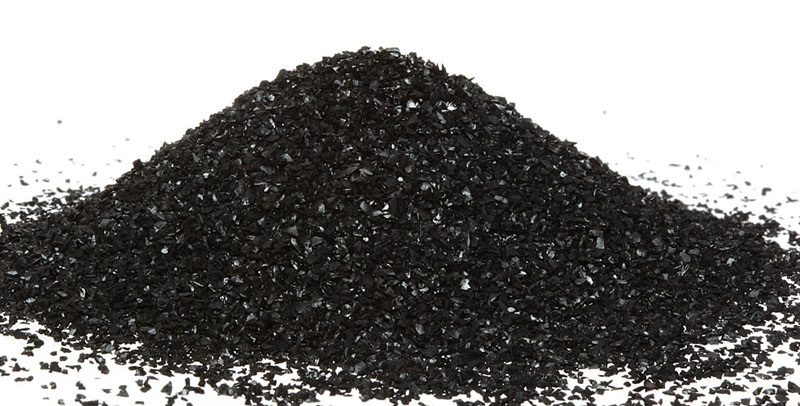
Not every activated carbon filter removes lead effectively, because many basic products are optimized for chlorine and organics rather than heavy metals. Only activated carbon systems specifically designed and often certified for lead reduction, such as certain activated carbon block filters, can reliably achieve high levels of lead removal.[4][5][12][1][2]
2. How does activated carbon compare with reverse osmosis for lead?
Activated carbon removes lead through adsorption on its internal surfaces, while reverse osmosis physically separates lead ions from water using a semi‑permeable membrane. Reverse osmosis usually offers very high and stable lead rejection, but high‑quality activated carbon filters provide a simpler, lower‑pressure option and are often combined with membranes for comprehensive treatment.[17][15][16][6][14]
3. How often should an activated carbon lead filter be replaced?
Activated carbon filters must be replaced according to manufacturer capacity ratings or time schedules, because adsorption sites gradually fill with lead and other contaminants. If an activated carbon cartridge is used beyond its rated life, its ability to remove lead decreases and breakthrough can occur, allowing more lead to pass into the treated water.[12][13][1]
4. Is activated carbon effective for both particulate and dissolved lead?
Activated carbon can help capture fine particulate lead trapped on the filter surface and pores, but its primary role is adsorption of dissolved Pb(II) ions from water. For systems with significant particulate lead, pre‑filtration followed by activated carbon treatment improves overall performance and helps prevent premature clogging of the activated carbon media.[6][7][10][2]
5. Can activated carbon made from biomass remove lead?
Yes, activated carbon produced from agricultural and forestry residues has shown strong performance in adsorbing lead from aqueous solutions in laboratory and pilot‑scale tests. These bio‑based activated carbon materials can achieve high adsorption capacities for Pb(II), making them attractive, sustainable options for industrial and municipal lead treatment applications.[11][7][9]
Citations:
[1](https://qualitywaterlab.com/contaminants/does-activated-carbon-remove-lead/)
[2](https://extensionpubs.unl.edu/publication/g1489/na/html/view)
[3](https://rajahfiltertechnics.com/water-filtration/lead-removal-activated-carbon/)
[4](https://www.waterdropfilter.co.uk/blogs/water-contaminants/how-to-get-rid-of-lead-in-water)
[5](https://tappwater.co/blogs/blog/what-activated-carbon-filters-remove)
[6](https://cropaia.com/blog/activated-carbon-in-water-treatment/)
[7](https://pmc.ncbi.nlm.nih.gov/articles/PMC3703723/)
[8](https://experts.illinois.edu/en/publications/lead-adsorption-into-activated-carbon-a-critical-review-of-the-li/)
[9](https://pubs.rsc.org/en/content/articlelanding/2017/ra/c6ra28035h)
[10](https://pubs.acs.org/doi/abs/10.1021/acs.langmuir.8b03096)
[11](https://www.nature.com/articles/s41598-023-42011-6)
[12](https://www.rti.org/brochures/water-filters-certified-remove-lead-drinking-water-and-cooking-water-clean-water-carolina)
[13](https://www.consumerreports.org/home-garden/water-filters/make-sure-your-water-filter-removes-lead-a5825432948/)
[14](https://www.pentair.com/en-us/water-softening-filtration/blog/reducing-lead-in-water-understanding-under-sink-filters-carbon-filter.html)
[15](https://www.sciencedirect.com/science/article/pii/S0048969722063604)
[16](https://www.reddit.com/r/askscience/comments/4sk8sb/practical_filtration_method_to_remove_lead_from/)
[17](https://apexwaterfilters.com/blogs/top-6-water-filters-to-remove-lead-from-water/)
[18](https://www.everfilt.com/post/12-cool-facts-about-activated-carbon-in-industrial-agricultural-water-filtration)
[19](https://www.naturecarbon.com/news/application-of-activated-carbon-in-water-treat-85104179.html)
[20](https://www.sciencedirect.com/science/article/pii/S1944398624201582)


