Content Menu
● What Activated Carbon Actually Does in Aquariums
● Does Activated Carbon Directly Change pH?
● How Activated Carbon Can Indirectly Influence pH
● Understanding pH, KH, GH and the Role of Activated Carbon
● When Activated Carbon Might Cause Noticeable pH Changes
● Best Practices for Using Activated Carbon in Aquariums
● How to Choose Aquarium‑Safe Activated Carbon
● Practical Tips to Keep pH Stable While Using Activated Carbon
● Conclusion
● FAQ About Activated Carbon and pH in Aquariums
>> 1. Does activated carbon raise pH in a fish tank?
>> 2. Can activated carbon lower pH over time?
>> 3. Is activated carbon safe for planted aquariums?
>> 4. How often should activated carbon be replaced in an aquarium?
>> 5. Should I use activated carbon if my pH is unstable?
● Citations:
Does activated carbon affect pH in an aquarium? In most home aquariums, activated carbon has only a small and usually temporary impact on pH, and well-rinsed, high‑quality activated carbon is generally considered pH‑neutral in practical use. However, poor‑quality or unrinsed activated carbon can briefly raise pH because of residual ash or impurities, and carbon can indirectly stabilize pH by removing tannins and other organics that acidify the water.[1][2][3][4]
Activated carbon is one of the most popular filter media in freshwater and marine aquariums, but many aquarists worry that it might change pH and stress fish. Using activated carbon correctly is more about water chemistry management than about chasing exact pH numbers.
Below is a detailed guide on how activated carbon interacts with pH, KH, GH, and overall water chemistry in aquariums, plus how to use your own activated carbon products safely and effectively in fish tanks.
What Activated Carbon Actually Does in Aquariums
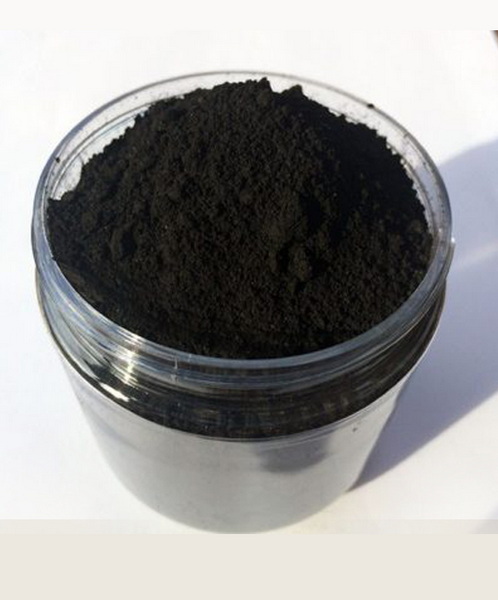
Activated carbon is a highly porous form of carbon with enormous internal surface area that adsorbs dissolved substances from water.
- Activated carbon removes dissolved organic compounds, medication residues, chlorine, chloramine, tannins, odors, and discoloration from aquarium water.[5][6]
- By stripping these impurities, activated carbon improves water clarity, light penetration, and overall aesthetic appearance, which is especially important for display tanks and planted aquariums.[3][5]
- Different base materials (coconut shell, coal, wood) and activation processes produce activated carbon with different pore structures and surface chemistry, which can slightly change how strongly it adsorbs certain molecules.[7][5]
Tip: In marketing content, emphasize that your activated carbon is tailored for high adsorption capacity and low ash content, making it safer for sensitive aquarium species.
Does Activated Carbon Directly Change pH?
Most aquarium‑grade activated carbon has little or no direct, long‑term effect on pH when used correctly.
- Reputable references note that activated carbon does not affect water hardness or alkalinity in any meaningful, sustained way, and therefore cannot permanently control pH.[2][8]
- Some sources and hobbyist reports show that new, unrinsed activated carbon can temporarily raise pH because of residual ash or surface oxides, but this effect usually disappears after a period of water flow through the media.[4][1]
- Any short‑term pH shift from activated carbon is normally small compared with the controlling role of carbonate hardness (KH), which buffers pH.[8][9]
Key point for readers: Activated carbon is a polishing and detoxifying media, not a pH‑adjusting product.
How Activated Carbon Can Indirectly Influence pH
Even if activated carbon is largely pH‑neutral, it can still influence the pH environment indirectly by changing what is dissolved in the water.
- Activated carbon removes tannins released from driftwood and botanicals, and tannins can naturally lower pH and tint the water brown; by removing them, activated carbon tends to keep pH closer to the source water level and reduces acidity drift.[3][4]
- By absorbing dissolved organics before they break down, activated carbon can slow the gradual accumulation of organic acids that would slightly reduce pH in low‑KH systems over time.[9][3]
- If extremely low‑quality activated carbon contains significant ash or carbonate contamination, it may leach alkaline substances and raise pH, which is why high‑purity aquarium‑grade activated carbon is strongly recommended.[7][1]
For your product positioning, this is a powerful message: high‑purity activated carbon helps keep water clean and stable, supporting a more consistent pH rather than causing dangerous swings.
Understanding pH, KH, GH and the Role of Activated Carbon
To answer “does activated carbon affect pH in aquarium” clearly, readers need a simple overview of core water chemistry concepts.
- pH is a measure of how acidic or basic water is; most community fish thrive between pH 6.5 and 7.8, depending on species.[10]
- KH (carbonate hardness) is the buffering capacity that resists pH changes; higher KH makes pH more stable, while very low KH can allow pH to swing rapidly, especially with CO₂ or organic acids.[8][9]
- GH (general hardness) measures calcium and magnesium ions and affects osmoregulation and plant nutrient uptake but does not directly determine pH.[9][10]
Activated carbon interacts with this system in limited ways:
- It does not directly remove KH or GH, so it does not significantly change buffering capacity.[2][8]
- It removes substances that would otherwise “fight” the buffer system by slowly acidifying the water, helping KH do its job of keeping pH stable.[3][9]
When Activated Carbon Might Cause Noticeable pH Changes
In most aquariums, activated carbon causes little or no measurable pH shift, but there are scenarios where a change is more noticeable.
- In very soft water with extremely low KH, even small acid‑base changes can move pH significantly, so any ash or alkaline impurities from cheaper activated carbon may cause a detectable rise in pH.[1][9]
- Large additions of brand‑new activated carbon without rinsing can introduce dust and residues that temporarily influence pH and cloud the water; thorough rinsing before use greatly reduces this risk.[11][4]
- If activated carbon is used alongside other media (such as crushed coral or limestone), any pH changes are usually caused by those mineral media rather than by the activated carbon itself.[10][8]
Educate hobbyist customers that good water testing practice—measuring pH, KH and GH regularly—is more important than blaming activated carbon for every minor pH fluctuation.
Best Practices for Using Activated Carbon in Aquariums
Correct use of activated carbon allows aquarists to enjoy crystal‑clear water without compromising pH stability.
- Always rinse activated carbon thoroughly with clean water before placing it in the filter to remove fine dust and any loosely bound residues.[11][4]
- Use activated carbon in a high‑flow area of the filter (such as canister or HOB media basket) inside a mesh bag or cartridge to maximize contact time and adsorption efficiency.[6][5]
- Replace activated carbon every 3–4 weeks in typical aquariums, or according to your product's recommended service life, because once saturated it stops adsorbing and may slowly release some substances back into the water.[5][6]
For planted tanks and reef systems, usage should be slightly more strategic.
- In heavily planted or aquascaped tanks, many advanced aquarists prefer short‑term or intermittent activated carbon use, so that it does not strip beneficial trace elements continuously.[9][3]
- In marine or reef aquariums, high‑quality granular activated carbon is often used continuously at moderate doses to remove yellowing compounds and residual toxins without strongly affecting pH.[11][5]
How to Choose Aquarium‑Safe Activated Carbon
Not all activated carbon is equal, and product quality is critical for minimizing unwanted pH effects.
- Look for aquarium‑grade activated carbon that explicitly notes low ash content and minimal leachable phosphates to avoid unwanted algae growth and pH shifts.[7][2]
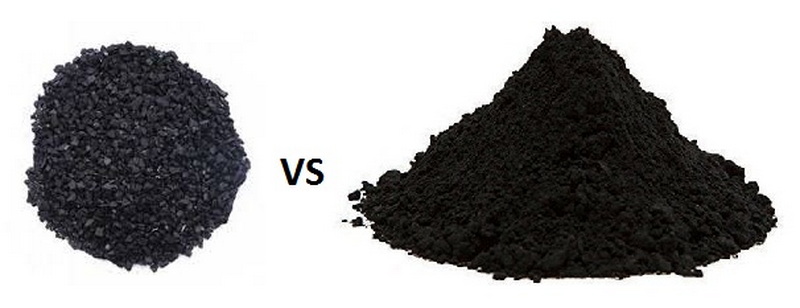
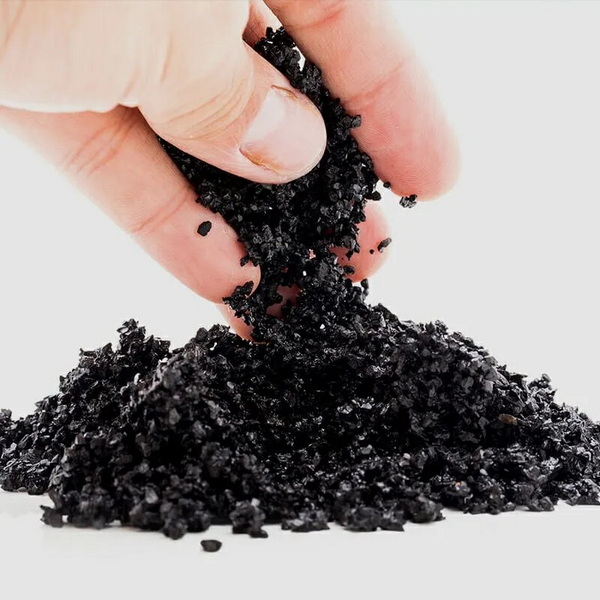
- Granular activated carbon (GAC) with controlled particle size ensures good flow characteristics and predictable adsorption in most filters.[6][5]
- Coconut‑shell based activated carbon is popular because it combines high hardness, low dust, and high microporosity, making it efficient for organic removal with minimal impact on water chemistry.[5][7]
As a Chinese manufacturer, highlight:
- Strict control of raw material selection and activation parameters to keep ash content low and pH impact minimal.
- Tailor‑made activated carbon products for aquariums, including pre‑washed or pre‑rinsed options to reduce initial pH disturbance and clouding.
Practical Tips to Keep pH Stable While Using Activated Carbon
Aquarists searching “does activated carbon affect pH in aquarium” usually want actionable steps.
- Test your tap water's pH, KH, and GH to understand the baseline, then test the aquarium before and after installing activated carbon to see if any change is actually occurring.[10][9]
- In very soft water (low KH), consider raising KH slightly with appropriate buffers or mineral salts so that minor chemistry changes do not cause big pH swings.[8][9]
- Do not rely on activated carbon to fix chronically unstable pH; instead, address root causes such as overstocking, poor maintenance, excessive organic buildup, or inappropriate substrate and rocks.[13][10]
When customers use your activated carbon, provide clear instructions: recommended dosage, rinse instructions, placement, and replacement intervals, along with a note that the media is not designed as a pH adjuster.
Conclusion
In normal conditions, activated carbon does not significantly change pH in aquariums and should not be treated as a pH‑control product. High‑quality, well‑rinsed activated carbon helps remove dissolved organics, tannins, medications, and other contaminants, which indirectly supports a stable, healthy pH environment for fish and plants. By choosing low‑ash, aquarium‑grade activated carbon and combining it with proper testing and maintenance, aquarists can enjoy crystal‑clear water and stable water chemistry in both freshwater and marine systems.[2][7][3][5]
FAQ About Activated Carbon and pH in Aquariums
1. Does activated carbon raise pH in a fish tank?
In most cases, properly rinsed aquarium‑grade activated carbon does not significantly raise pH and is considered nearly pH‑neutral in operation. Any noticeable pH rise is typically temporary and caused by residues or ash in lower‑quality activated carbon, which is why choosing high‑purity media is important.[4][1][7][2]
2. Can activated carbon lower pH over time?
Activated carbon does not directly lower pH because it does not remove KH or inject acids into the water. However, by removing tannins and dissolved organic compounds that would otherwise break down into acids, activated carbon can slow natural downward pH drift in low‑buffered systems.[2][8][3][9]
3. Is activated carbon safe for planted aquariums?
Activated carbon is generally safe for planted tanks when used moderately and replaced regularly. Some advanced aquascapers limit continuous use because strong adsorption by activated carbon can remove a small portion of trace nutrients, so they use it mainly for short‑term polishing or after medication treatments.[3][9]
4. How often should activated carbon be replaced in an aquarium?
Most hobbyists replace activated carbon every 3–4 weeks, depending on stocking level, feeding, and organic load. Once saturated, activated carbon stops adsorbing impurities and may gradually release some previously captured substances, so timely replacement keeps water clear and stable.[6][5]
5. Should I use activated carbon if my pH is unstable?
If pH is unstable, the main issues usually involve low KH, inconsistent water changes, or excessive organic waste, not activated carbon. Activated carbon can help polish water and remove organics, but long‑term pH stability requires controlling KH, stocking, feeding, and maintenance rather than relying on carbon as a pH‑control tool.[13][8][9][10]
Citations:
[1](https://www.ukaps.org/forum/threads/activated-carbon-raiding-ph.71462/)
[2](https://www.drtimsaquatics.com/aquarium-hobby/general-articles/activated-carbon/)
[3](https://www.aquascapeguide.com/post/should-you-use-activated-carbon-in-your-planted-tank-a-balancing-act)
[4](https://tanninaquatics.com/blogs/the-tint-1/on-the-tint)
[5](https://activatedcarbondepot.com/blogs/news/activated-carbon-for-aquariums-a-complete-guide)
[6](https://aquariumscience.org/index.php/7-4-2-activated-carbon/)
[7](https://charterhouse-aquatics.com/blogs/help-guides/purigen-vs-activated-carbon-which-filtration-media-is-best-for-your-tank)
[8](https://www.americanaquariumproducts.com/AquariumKH.html)
[9](https://www.aquatrition.in/kh-in-planted-aquarium/)
[10](https://www.aquariumcoop.com/blogs/aquarium/ph-gh-kh)
[11](https://www.reef2reef.com/threads/activated-carbon-and-ph-jump.850920/)
[12](https://www.youtube.com/watch?v=e47HJvyUdoU)
[13](https://aquariumscience.org/index.php/4-4-4-dropping-ph/)
[14](https://www.reddit.com/r/Aquariums/comments/sfx1mc/how_long_does_it_take_activated_carbon_to/)
[15](https://www.facebook.com/groups/342068286211749/posts/1761051190980111/)
[16](https://www.facebook.com/groups/342068286211749/posts/2007864616298766/)
[17](https://www.reddit.com/r/PlantedTank/comments/t2r1kq/high_ph_kh_and_gh_how_can_i_fix_this_im_about_to/)
[18](https://www.ukaps.org/forum/threads/question-gh-and-kh-planted-aquarium.60928/)


