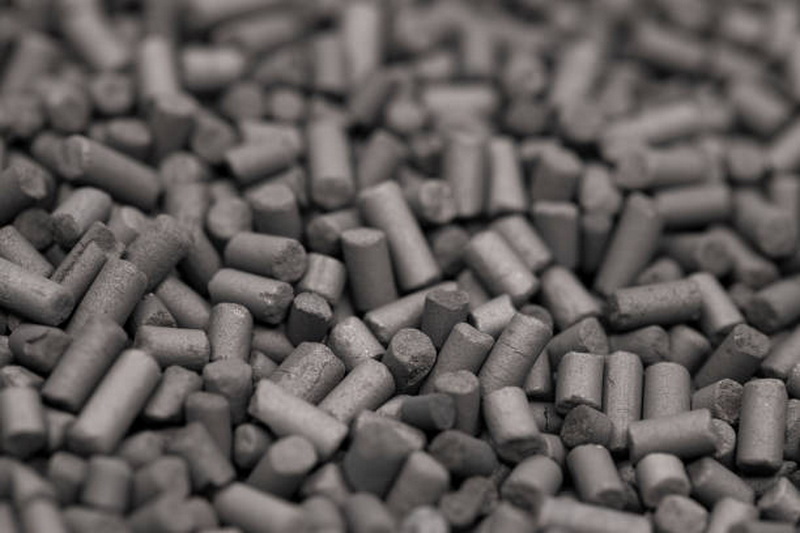
Content Menu
● What Is Activated Carbon and How Does It Work?
● Benefits of Using Activated Carbon in Aquariums
● Limitations and Misconceptions of Activated Carbon
● When You Really Need Activated Carbon
● When Activated Carbon May Be Optional or Unnecessary
● Pros and Cons of Running Carbon All the Time
● How to Use Activated Carbon Correctly in Your Filter
● Choosing the Right Activated Carbon for Your Aquarium
● Should You Use Activated Carbon in Your Aquarium?
● Conclusion
● FAQ – Activated Carbon in Aquariums
>> 1. Do I always need activated carbon in my aquarium filter?
>> 2. Can activated carbon replace water changes in my aquarium?
>> 3. Is activated carbon safe for planted aquariums?
>> 4. How often should I replace activated carbon in my aquarium?
>> 5. Does activated carbon remove fish medications and water conditioners?
● Citations:
Do you need activated carbon in your aquarium? In most home tanks, activated carbon is not strictly necessary, but it is extremely useful for keeping the water clear, odor‑free, and free from many dissolved chemicals when used correctly. Whether you should always run activated carbon depends on your tank type, livestock, plants, and how disciplined you are with water changes and general maintenance.[1][2][3][4]
Activated carbon is one of the most popular filter media in both freshwater and saltwater aquariums because it can adsorb a wide range of dissolved organics, discolorations, and smells that ordinary mechanical sponges cannot remove. However, experienced aquarists often debate whether activated carbon is essential or only situational, especially in planted tanks and highly stable systems.[2][3][5][1]
What Is Activated Carbon and How Does It Work?
Activated carbon is a highly porous form of carbon produced by heating carbon‑rich materials such as coconut shells, wood, or coal at very high temperatures to create millions of microscopic pores. These pores give activated carbon an enormous internal surface area, which allows it to bind dissolved pollutants from aquarium water as it flows through your filter.[3][2]
- Activated carbon in aquariums works mainly by adsorption, meaning contaminants stick to the surface of the carbon rather than being absorbed inside it.[2][3]
- As water passes through the activated carbon, dissolved organic waste, chlorine, tannins, many medications, and some heavy metals are trapped in its pore structure and held there until the media is exhausted and replaced.[3][2]
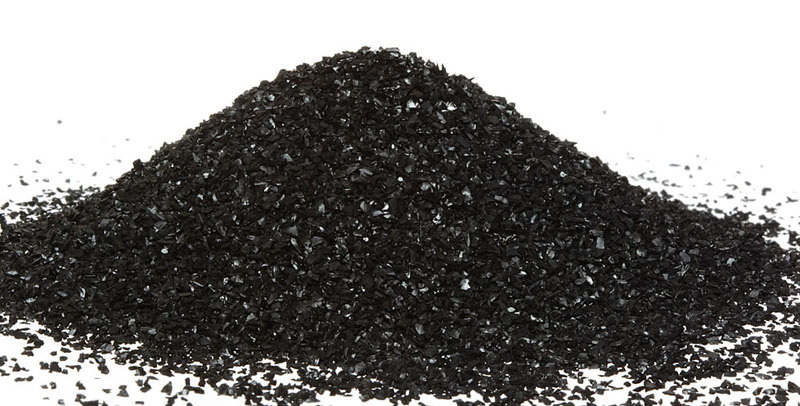
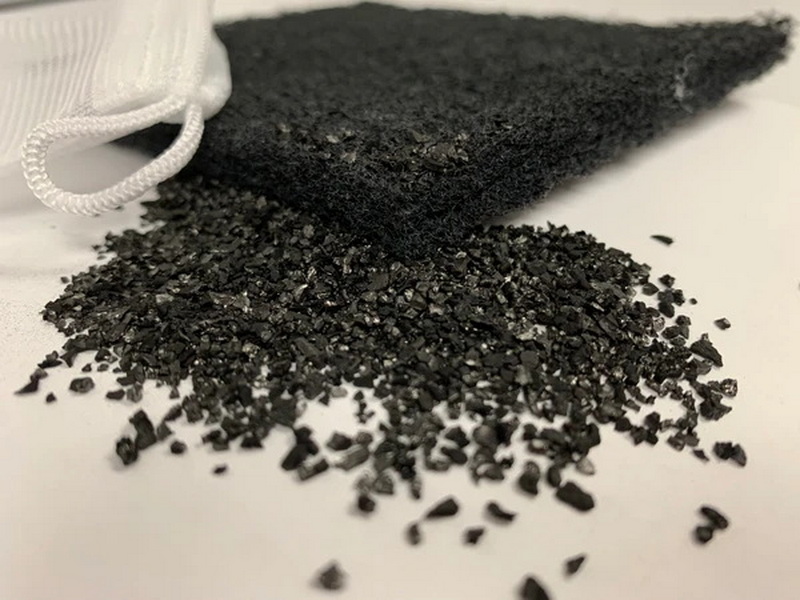
In aquarium filters, activated carbon is typically used as a loose granular activated carbon (GAC) in media bags, internal filter cartridges, canister filter baskets, or dedicated reactors in larger systems. When properly installed after mechanical filtration, the activated carbon stays cleaner for longer and provides more effective chemical filtration.[4][6][2]
Benefits of Using Activated Carbon in Aquariums
In real‑world aquariums, activated carbon provides several practical benefits that many fishkeepers value daily.[2][3]
- It helps keep aquarium water crystal clear by removing dissolved organics and discoloration from tannins and other compounds.[7][2]
- Activated carbon removes many odors from the aquarium, which is especially helpful in tanks kept in living rooms, offices, or commercial settings where smell matters.[3][2]
Other important advantages of activated carbon in aquariums include:
- It can remove residual medications and treatment chemicals after fish disease treatments, helping you quickly restore water safety for sensitive species.[2][3]
- Activated carbon helps reduce chlorine, chloramine, and some heavy metals that may remain in treated tap water or enter the aquarium from airborne contaminants, improving safety for fish and invertebrates.[8][3]
For aquarists who want a “polished” display tank, activated carbon is often considered a must‑have because it enhances water clarity and makes fish colors and aquascapes look brighter and more attractive.[9][7]
Limitations and Misconceptions of Activated Carbon
While activated carbon is powerful, it does not remove everything, and understanding its limits will help you decide whether you really need it full‑time in your aquarium.[4][3]
- Activated carbon does not reliably remove ammonia, nitrite, or nitrate, so it cannot replace proper biological filtration or regular water changes.[4][3]
- Some aquarists worry that activated carbon will remove all fertilizers and essential nutrients, but in most normal tanks it mainly targets organics, odors, tannins, and many synthetic chemicals rather than basic plant nutrients.[10][1]
There are also myths that exhausted activated carbon will suddenly dump all toxins back into the water; in practice, this is not how adsorption media behaves, and any release is gradual and usually insignificant if you maintain your filter correctly. Another concern in marine aquariums is that poor‑quality, dusty activated carbon may be associated with head and lateral line erosion (HLLE) in certain fish, which is why rinsing and using harder, cleaner grades is recommended.[11][12]
When You Really Need Activated Carbon
In some situations, activated carbon is highly recommended or almost essential for protecting your livestock and restoring water quality quickly.[3][2]
- After medicating your fish, activated carbon is one of the safest ways to remove remaining drugs and treatment chemicals once the regimen is finished.[2][3]
- When your water is visibly yellow or tea‑colored from driftwood or other organics, activated carbon rapidly clears up tannins and restores transparency.[7][2]
Activated carbon is also very helpful when:
- Your aquarium has a strong, unpleasant odor that does not go away with simple water changes, because the carbon traps odor‑causing molecules effectively.[3][2]
- You run a show tank, reef, or heavily stocked community aquarium and want consistently clear, “polished” water with fewer dissolved organics and chemical stressors.[8][7]
In these scenarios, not using activated carbon means your fish and corals are exposed longer to dissolved pollutants and residues that are difficult to remove with mechanical filters and water changes alone.[9][2]
When Activated Carbon May Be Optional or Unnecessary
In many stable, well‑maintained aquariums, activated carbon is not strictly required as a permanent part of the filtration system.[5][1]
- In planted freshwater aquariums with balanced nutrients and healthy plant growth, full‑time activated carbon is often unnecessary and may slightly reduce certain chelated trace elements such as iron.[1][10]
- In mature tanks with light stocking, strong biological filtration, and consistent water change schedules, basic mechanical and biological media are usually enough to keep fish healthy even without permanent activated carbon.[13][5]
Some advanced aquarists prefer to use activated carbon only:
- Short‑term, for specific tasks like medication removal, temporary cloudiness, or strong odors rather than as a constant, everyday media.[1][4]
- In response to known contamination risks, such as accidental sprays of household chemicals near the tank or worries about heavy metals in the water supply.[8][2]
If your aquarium water is clear, odor‑free, and your livestock and plants look vigorous, full‑time activated carbon may add little extra benefit compared with good maintenance habits.[5][1]
Pros and Cons of Running Carbon All the Time
The decision to run activated carbon continuously comes down to balancing its advantages against potential drawbacks for your specific aquarium.[1][3]
- On the positive side, continuous activated carbon use keeps water consistently clear, reduces odors, and helps keep dissolved organics and many chemical contaminants under control.[7][2]
- On the negative side, constant use means recurring costs to replace saturated carbon, possible slight removal of certain trace elements in planted or reef systems, and the risk of using low‑quality, dusty products if you are not careful.[11][4]
Some marine and reef aquarists swear by running activated carbon all the time to reduce toxins released by corals and improve overall water quality. In contrast, many dedicated aquascapers and planted tank keepers either avoid continuous carbon or use it sparingly to avoid any interference with delicate nutrient balancing.[14][5][8][1]
How to Use Activated Carbon Correctly in Your Filter
If you decide you do need activated carbon in your aquarium, installing and maintaining it correctly is critical to getting reliable performance.[2][3]
- Place activated carbon after mechanical filtration media so that sponges or filter pads remove larger debris first, preventing the carbon from clogging prematurely.[6][2]
- Rinse new activated carbon thoroughly before use to remove dust and fines that could cloud the water or irritate fish gills, especially in reef and sensitive species setups.[11][8]
Other good practices for using activated carbon include:
- Replacing it regularly, typically every 3–4 weeks in high‑load tanks or according to manufacturer guidelines, because once saturated it stops adsorbing effectively.[4][3]
- Using the correct amount of activated carbon for your aquarium volume and filtration flow rate, as too little will be overwhelmed quickly and too much in high‑flow reactors can grind into dust.[8][7]
By treating activated carbon as a consumable chemical media and changing it before exhaustion, you keep your aquarium safer and avoid relying on old, inactive carbon that no longer provides meaningful benefits.[3][2]
Choosing the Right Activated Carbon for Your Aquarium
Not all activated carbon products are equal, and the type you choose can influence performance and safety in your tank.[7][3]
- Granular activated carbon (GAC) made from high‑quality coconut shell or coal is widely used in aquariums because it offers a good balance of pore size distribution, hardness, and adsorption capacity.[2][3]
- Hard, low‑dust activated carbon is preferred in reef aquariums and sensitive fish systems since it is less likely to break down, release fines, or contribute to HLLE risks compared with softer, dusty grades.[11][8]
When selecting activated carbon for aquariums:
- Look for products explicitly labeled as aquarium‑safe or fish‑safe and avoid industrial or untested carbons that may contain impurities or unsuitable binders.[7][3]
- Match the activated carbon granule size and form (loose media, pellets, or filter cartridges) to your filter design to ensure water flows evenly through the media rather than bypassing it.[6][2]
High‑quality activated carbon from specialized manufacturers provides more consistent pore structure, higher adsorption capacity, and improved mechanical strength, which are all important for long‑term use in demanding aquariums.[9][3]
Should You Use Activated Carbon in Your Aquarium?
Putting all of this together, activated carbon is best viewed as a powerful but optional tool rather than a magic bullet that every tank must have at all times.[5][1]
- You probably want activated carbon if you regularly medicate fish, struggle with yellow or tinted water, fight persistent odors, run heavily stocked or display tanks, or worry about chemical contaminants and dissolved organics.[3][2]
- You may not need constant activated carbon if your aquarium is lightly stocked, well planted, stable, and maintained with consistent water changes, and if you do not have recurring issues with discoloration, smell, or chemical treatments.[5][1]
In practice, many aquarists keep a supply of high‑quality activated carbon on hand and use it flexibly: continuously in demanding setups, and temporarily when specific issues arise in otherwise stable tanks. For serious hobbyists and professional systems, partnering with a reliable activated carbon supplier allows you to select tailored products for freshwater, marine, reef, or specialized industrial‑grade aquarium applications.[9][7][3]
Conclusion
Activated carbon is not strictly required in every aquarium, but it remains one of the most effective and versatile media for improving water clarity, reducing odors, and removing many dissolved chemicals and treatment residues that mechanical and biological filters cannot handle alone. If your tank regularly faces discoloration, smell, heavy stocking, or medication use, running high‑quality activated carbon in your filter is strongly recommended; if your aquarium is stable, lightly stocked, and well maintained, you can treat activated carbon as a strategic tool to use when specific problems appear rather than a permanent necessity.[1][5][2][3]
FAQ – Activated Carbon in Aquariums
1. Do I always need activated carbon in my aquarium filter?
In most home aquariums, you do not always need activated carbon as long as you have strong biological filtration and keep up with regular water changes. However, activated carbon becomes very useful when you want crystal clear water, need to remove medications, or struggle with odors and discoloration.[5][1][2][3]
2. Can activated carbon replace water changes in my aquarium?
No, activated carbon cannot replace water changes because it does not effectively remove ammonia, nitrite, or nitrate, which are controlled mainly by biological filtration and dilution. Regular water changes are still essential to export nutrients, stabilize parameters, and keep fish and plants healthy even when activated carbon is used.[4][5][2][3]
3. Is activated carbon safe for planted aquariums?
Activated carbon is generally safe for planted aquariums, but continuous use can slightly reduce certain chelated trace elements such as iron in some setups. Many aquascapers either use activated carbon only short‑term for medications and water polishing or choose to run their planted tanks without carbon once conditions are stable.[10][1][5]
4. How often should I replace activated carbon in my aquarium?
Most aquarium activated carbon should be replaced every 3–4 weeks in typical community tanks, or sooner in heavily stocked systems or after intense medication use. Once saturated, activated carbon stops adsorbing effectively, so timely replacement keeps its chemical filtration performance reliable.[7][4][2][3]
5. Does activated carbon remove fish medications and water conditioners?
Yes, activated carbon effectively removes many fish medications, dyes, and treatment chemicals after the treatment period is over, which is why manufacturers often recommend adding carbon at the end of a course. It can also remove certain residual water conditioners and chemical additives, so it is best to follow product instructions on when to temporarily remove or reinsert activated carbon.[4][2][3]
Citations:
[1](https://www.aquascapeguide.com/post/should-you-use-activated-carbon-in-your-planted-tank-a-balancing-act)
[2](https://en.aqua-fish.net/articles/effects-aquarium-carbon-water-quality)
[3](https://activatedcarbondepot.com/blogs/news/activated-carbon-for-aquariums-a-complete-guide)
[4](https://www.bunnycart.com/blog/how-important-is-activated-carbon-in-your-aquarium/)
[5](https://www.2hraquarist.com/blogs/filters-overview/what-about-water-polishers)
[6](https://www.practicalfishkeeping.co.uk/features/be-clear-about-carbon/)
[7](https://charterhouse-aquatics.com/blogs/help-guides/10-reasons-to-use-aquarium-activated-carbon)
[8](https://www.simplicityaquatics.com/blog/gfo-or-active-carbon-or-both/)
[9](https://www.mantasystems.net/a/blog/post/activated-carbon)
[10](https://www.facebook.com/groups/342068286211749/posts/2190904884661404/)
[11](https://www.reefbum.com/water-chemistry/pluses-minuses-using-activated-carbon/)
[12](https://barrreport.com/threads/myth-busters-activated-carbon-will-leach-back-toxins-in-the-water-once-saturated.9529/)
[13](https://www.facebook.com/groups/379120905458325/posts/9035243086512687/)
[14](https://www.reef2reef.com/threads/what-is-the-benefit-of-using-activated-carbon.1043290/)
[15](https://www.youtube.com/watch?v=e47HJvyUdoU)
[16](https://www.reddit.com/r/Aquariums/comments/14e9ej/activated_carbon_useful_or_not/)
[17](https://www.aquariacentral.com/forums/threads/pros-and-cons-of-activated-carbon.40340/)
[18](https://www.reddit.com/r/Aquariums/comments/rm5v8k/do_i_need_activated_carbon_in_my_filter_or_should/)
[19](https://aquariumscience.org/index.php/7-4-2-activated-carbon/)
[20](https://www.reef2reef.com/threads/activated-carbon.1130780/)


