Content Menu
● What Happens When Activated Carbon Is Used?
● Reuse, Regeneration, and Reactivation: Key Concepts
● Can Household Users Clean and Reuse Activated Carbon?
● Industrial Thermal Reactivation of Activated Carbon
● Environmental and Economic Benefits of Reusing Activated Carbon
● When Should Activated Carbon Not Be Reused?
● Practical Ideas for Reusing Spent Activated Carbon in Low‑Risk Ways
● How Many Times Can Activated Carbon Be Reactivated?
● Conclusion
● FAQ About Reusing Activated Carbon
>> (1) Can you simply wash activated carbon and reuse it?
>> (2) Is industrial reactivated activated carbon as good as new activated carbon?
>> (3) Is it safe to reuse activated carbon from water filters in the garden?
>> (4) How many times can granular activated carbon be reactivated?
>> (5) Does reusing activated carbon reduce environmental impact?
● Citations:
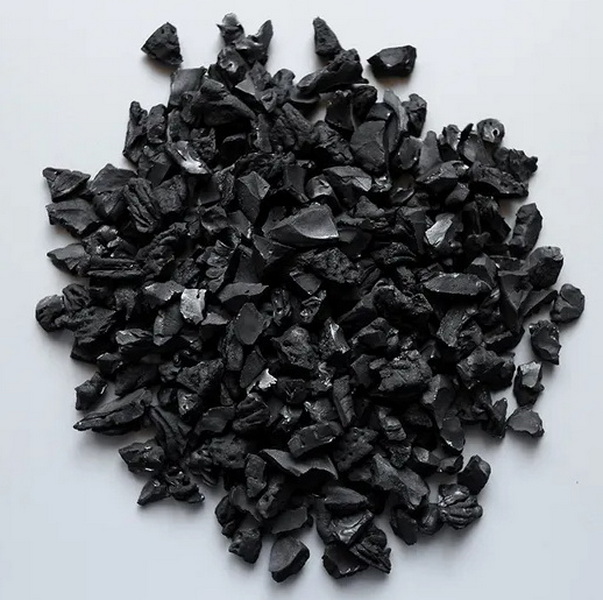
Activated carbon can be reused, but the way activated carbon is reused depends on whether you are talking about simple household filters or professionally regenerated and thermally reactivated activated carbon in industrial systems. In many large‑scale water and air purification plants, granular activated carbon is regularly sent for thermal reactivation and then reused with adsorption capacity close to virgin activated carbon, while small consumer filters are usually replaced rather than truly regenerated.[1][2]
What Happens When Activated Carbon Is Used?
Activated carbon is a highly porous adsorbent, and its internal surface area gradually fills with molecules from water, air, or process liquids as the activated carbon works. Over time, the pores of the activated carbon become occupied by adsorbed contaminants, the adsorption capacity drops, and the activated carbon becomes “spent” or “saturated.”[3]
- In water treatment, activated carbon adsorbs natural organic matter, chlorine, taste and odor compounds, and many industrial organics.
- In air and gas purification, activated carbon captures volatile organic compounds (VOCs), odors, and other gaseous pollutants.[2]
Once the pores of the activated carbon are largely filled, contact time or bed depth must increase to maintain performance, or the activated carbon must be replaced, regenerated, or reactivated.[3]
Reuse, Regeneration, and Reactivation: Key Concepts
The word “reuse” can mean several different things when discussing activated carbon.[4]
- Simple reuse: Continuing to use activated carbon until performance declines, sometimes after rinsing or drying, without restoring full adsorption capacity.
- Regeneration: Partial restoration of activated carbon capacity, often on site, by washing or heating to desorb some contaminants.[5]
- Thermal reactivation: High‑temperature treatment by specialized facilities that removes adsorbed contaminants and restores most of the original capacity of the activated carbon.[1][3]
Industrial thermal reactivation of granular activated carbon typically involves heating the spent activated carbon to 600–900 °C in a low‑oxygen environment so that adsorbed organics are destroyed and pores are reopened. In many cases, reactivated activated carbon can achieve around 90–95% of the adsorption performance of virgin activated carbon, with small make‑up quantities of new activated carbon added to compensate for losses.[6][7][2][3]
Can Household Users Clean and Reuse Activated Carbon?
Many people ask whether they can simply wash activated carbon and reuse it in home water filters, aquarium filters, or air purifiers. For small applications, limited reuse of activated carbon is sometimes possible, but washing alone does not truly restore the original performance of the activated carbon.[8][3]
- Rinsing activated carbon in water can remove loose dust or some physically attached debris, but it will not remove strongly adsorbed organic compounds deep in the pores of the activated carbon.[3]
- Boiling or heating activated carbon at low temperature at home cannot reach the thermal conditions required for real reactivation, and it can be unsafe if contaminants are volatilized without proper ventilation and control.[7]
Some consumer guides recommend reusing spent water‑filter activated carbon for low‑risk tasks such as odor control in cupboards, mold control in damp areas, or even as a soil amendment after suitable rinsing and drying, provided heavy metals or other hazardous contaminants are not present. However, this type of reuse is very different from returning activated carbon to high‑performance water or air treatment service.[8]
Industrial Thermal Reactivation of Activated Carbon
In industrial water and air treatment, thermal reactivation is the main route to reuse granular activated carbon on a large scale.[2][1]
Typical features of thermal reactivation of activated carbon include:[7][1][3]
- High temperature treatment (often 500–900 °C) in rotary kilns or multi‑stage furnaces, with steam and controlled low‑oxygen conditions.
- Desorption and destruction of adsorbed organics, and gasification of carbonaceous deposits that block the pores of the activated carbon.
- Careful cooling, screening, and sometimes re‑impregnation or blending of the reactivated activated carbon before it is returned to the user.
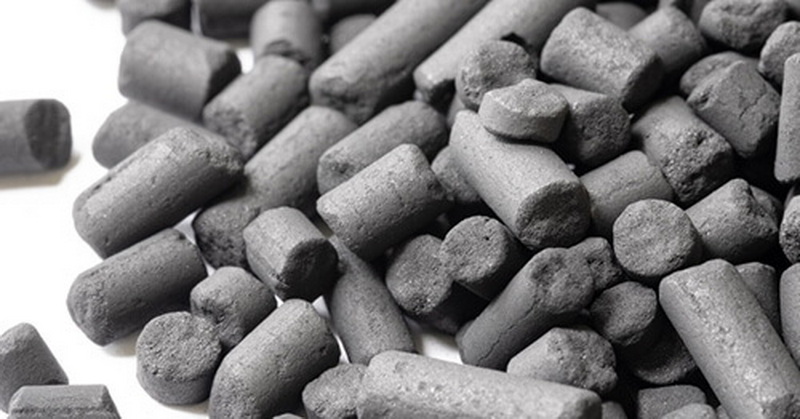
Major global suppliers report that reactivation of granular activated carbon can restore up to about 90–95% of the original adsorption capacity of the activated carbon, depending on the contaminant profile and process conditions. Industrial studies also show that reactivated activated carbon can deliver performance comparable to virgin activated carbon in many applications while significantly reducing waste and cost.[9][10][6][2]
Environmental and Economic Benefits of Reusing Activated Carbon
Reusing activated carbon through professional reactivation offers strong environmental and cost advantages compared with one‑time use and disposal.[4][6][1]
Key benefits include:
- Lower greenhouse gas emissions: Thermal reactivation of activated carbon can generate roughly 20–20% of the greenhouse gas emissions associated with producing the same quantity of virgin activated carbon, depending on the process and energy mix.[6][1]
- Reduced waste disposal: Reactivated activated carbon avoids or minimizes landfill or incineration of spent activated carbon, which would otherwise carry long‑term liability and disposal costs.[2][4]
- Lower lifecycle cost: Because reactivated activated carbon is typically cheaper than virgin activated carbon, many plants report lifecycle cost savings of 50–70% when they switch from single‑use to reactivated activated carbon programs.[1][6]
For industrial users who generate significant volumes of spent granular activated carbon, long‑term supply contracts that combine virgin and reactivated activated carbon can optimize both technical performance and sustainability metrics.[11][4]
When Should Activated Carbon Not Be Reused?
Although activated carbon can technically be reactivated many times, not every spent activated carbon stream is suitable for reuse in all applications.[12][3]
Situations where reusing activated carbon may be limited include:
- Hazardous contaminants: If activated carbon is loaded with hazardous compounds such as certain heavy metals or strongly adsorbed toxic organics, there may be regulatory and technical restrictions on reactivation or reuse, or the reactivated activated carbon may be restricted to similar industrial uses rather than potable water.[8][3]
- PFAS and persistent pollutants: Specialized reactivation processes are needed for granular activated carbon loaded with PFAS, and these processes must meet strict destruction requirements; reuse of such reactivated activated carbon is usually controlled and application‑specific.[13][14]
- Strongly fouling inorganics: If the activated carbon is heavily loaded with inorganic ash or mineral deposits that cannot be easily removed, the remaining capacity may be too low for economical reactivation.[3]
In household systems, reusing activated carbon that has treated unknown or potentially hazardous water is risky, especially if the reused activated carbon is placed in contact with drinking water or food. In such cases, replacement with fresh certified activated carbon is normally recommended.[8]
Practical Ideas for Reusing Spent Activated Carbon in Low‑Risk Ways
For small users who do not have access to professional reactivation services, there are some low‑risk ways to reuse activated carbon that has finished its main job in drinking water or small filtration systems, provided the contamination profile is not hazardous.[15][8]
Examples include:
- Odor control: Reusing activated carbon in open containers to absorb odors in refrigerators, cupboards, shoes, or pet areas, after simple rinsing and air‑drying.[8]
- Moisture and mold reduction: Mixing spent activated carbon with other materials in small sachets to help reduce mold and damp smells in enclosed spaces, again after drying.[8]
- Soil amendment: In some cases, crushed carbon from filters can be mixed into potting soil or compost to improve aeration and water retention, if heavy metals or similar contaminants are unlikely.[15][8]
These uses do not require the activated carbon to deliver the high, predictable adsorption capacity needed for critical water or air purification processes and therefore are more tolerant of partially spent activated carbon.
How Many Times Can Activated Carbon Be Reactivated?
From an industrial perspective, activated carbon can often be thermally reactivated and reused multiple times—sometimes several cycles—before physical losses and gradual changes in pore structure make further reuse uneconomical.[10][12][6]
- Each thermal cycle typically causes some loss of mass and minor changes in pore size distribution of the activated carbon, so a small proportion of fresh activated carbon is usually added after each reactivation.[9][10]
- With proper process control, suppliers describe the reactivation capability of activated carbon as “nearly infinite” from a technical standpoint, although economic and regulatory factors usually define the real limit.[12][6]
Life‑cycle assessments of reactivated activated carbon show that, over multiple cycles, the environmental footprint of activated carbon can be significantly reduced compared with continuous use of virgin activated carbon followed by landfill or incineration.[4][1]
Conclusion
Activated carbon can absolutely be reused, but the method of reuse must match the scale and risk level of the application. Industrial users typically rely on professional thermal reactivation of granular activated carbon to restore most of the adsorption capacity and to return reactivated activated carbon to demanding water and air purification duties, while household users usually replace filters and, at most, repurpose spent activated carbon for low‑risk odor or soil applications. When properly designed and controlled, reusing activated carbon through reactivation reduces waste, lowers greenhouse gas emissions, and cuts lifecycle costs, making activated carbon not only a powerful adsorbent but also a key material in circular, sustainable treatment systems.[6][2][1][4][8]
FAQ About Reusing Activated Carbon
(1) Can you simply wash activated carbon and reuse it?
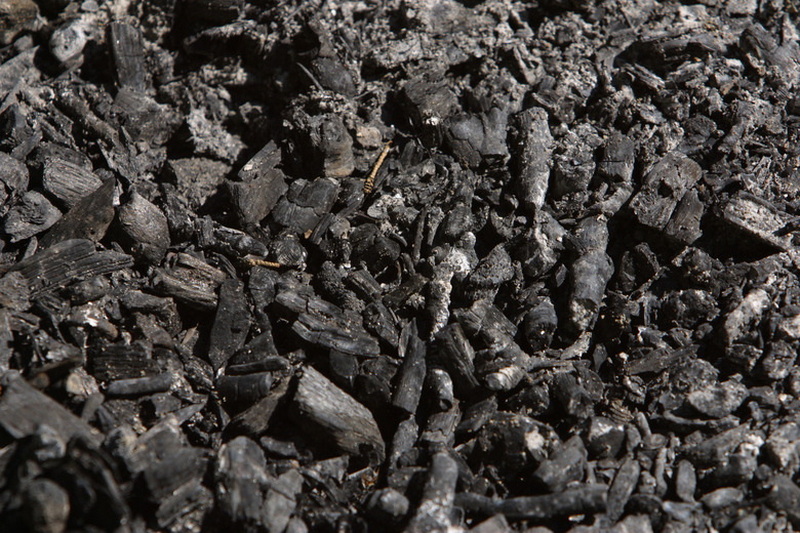
Washing activated carbon with water can remove dust and loose particles, but it does not remove strongly adsorbed organic molecules deep in the pore structure of the activated carbon, so full performance is not restored. For critical water or air treatment, professional thermal reactivation of activated carbon is usually required to regain most of the adsorption capacity.[2][1][3]
(2) Is industrial reactivated activated carbon as good as new activated carbon?
Thermally reactivated activated carbon can often achieve around 90–95% of the adsorption capacity of virgin activated carbon, depending on the contaminant load and reactivation conditions. Industrial suppliers routinely blend small amounts of new activated carbon into reactivated material to maintain performance while keeping environmental and cost benefits.[10][9][6][2]
(3) Is it safe to reuse activated carbon from water filters in the garden?
Spent water‑filter activated carbon can sometimes be reused in compost or soil as a structural amendment, but only if the water did not contain heavy metals or hazardous contaminants that could accumulate in plants. If there is any risk of heavy metals such as lead or arsenic, spent activated carbon should not be composted or reused in soil to avoid transferring contaminants into the food chain.[8]
(4) How many times can granular activated carbon be reactivated?
Granular activated carbon can be thermally reactivated several times, and technically the reactivation capability of activated carbon can be nearly unlimited, though some mass and capacity are lost each cycle. In practice, economic factors, ash buildup, and regulatory requirements determine how many reactivation cycles are feasible for a particular activated carbon stream.[9][10][12][6]
(5) Does reusing activated carbon reduce environmental impact?
Reusing activated carbon through thermal reactivation significantly reduces the environmental footprint compared with one‑time use and disposal of virgin activated carbon, because reactivation requires far less energy and raw material. Reactivated activated carbon also reduces landfill volumes and long‑term liability, supporting circular economy and sustainability strategies in water and air treatment projects.[6][1][2][4]
Citations:
[1](https://norit.com/reactivation)
[2](https://www.calgoncarbon.com/reactivation-services/)
[3](https://www.carbotecnia.info/en/learning-center/activated-carbon-theory/activated-carbon-reactivation/)
[4](https://www.desotec.com/en-us/how-we-help-you/reactivation-simply-explained)
[5](https://tetrasolv.com/temp-reactivation-header/)
[6](https://activatedcarbon.com/services/reactivation)
[7](https://carbons.ir/en/thermal-recovery-of-activated-carbon-thermal-reactivation/)
[8](https://www.uk-water-filters.co.uk/pages/possible-uses-for-used-spent-water-filter-carbon)
[9](https://pmc.ncbi.nlm.nih.gov/articles/PMC7180969/)
[10](https://donau-carbon.com/Products-Solutions/Reaktivierung?lang=en-US)
[11](https://puragen.com/us/our-approach/reactivation/)
[12](https://www.chemviron.eu/solutions/activated-carbon-reactivation/)
[13](https://www.chemviron.eu/solutions/pfas-removal/reactivation-pfas/)
[14](https://onlinelibrary.wiley.com/doi/full/10.1002/rem.21735)
[15](https://www.reddit.com/r/gardening/comments/14de632/reuse_active_carbon_from_water_filters_in_growing/)
[16](https://www.youtube.com/watch?v=XRlOrxORadU)
[17](https://feeco.com/a-look-at-activated-carbon-thermal-regeneration/)
[18](https://www.facebook.com/groups/379120905458325/posts/7157544190949262/)
[19](https://revive-environmental.com/what-is-granular-activated-carbon-regeneration-and-why-it-matters-for-pfas-removal/)
[20](http://www.turtleforum.com/forum/upload/index.php?%2Fforums%2Ftopic%2F171734-activated-carbon-and-some-other-questions-regarding-filtering%2F)


