Content Menu
● What Activated Carbon Does in Aquariums
● Benefits of Activated Carbon in a Planted Tank
● Potential Downsides for Planted Aquariums
● When It Makes Sense to Use Activated Carbon in a Planted Tank
● When You May Want to Avoid or Limit Activated Carbon
● How to Use Activated Carbon Safely in a Planted Tank
● Choosing the Right Activated Carbon for Planted Tanks
● Practical Tips for Balancing Activated Carbon and Plant Nutrition
● Promoting High‑Quality Activated Carbon From Professional Manufacturers
● Conclusion
● FAQ
>> (1) Does activated carbon remove fertilizers in a planted tank?
>> (2) Is activated carbon safe for aquarium plants and shrimp?
>> (3) How often should I change activated carbon in a planted tank?
>> (4) Can I run activated carbon and CO₂ injection together?
>> (5) Should beginners use activated carbon in their first planted tank?
● Citations:
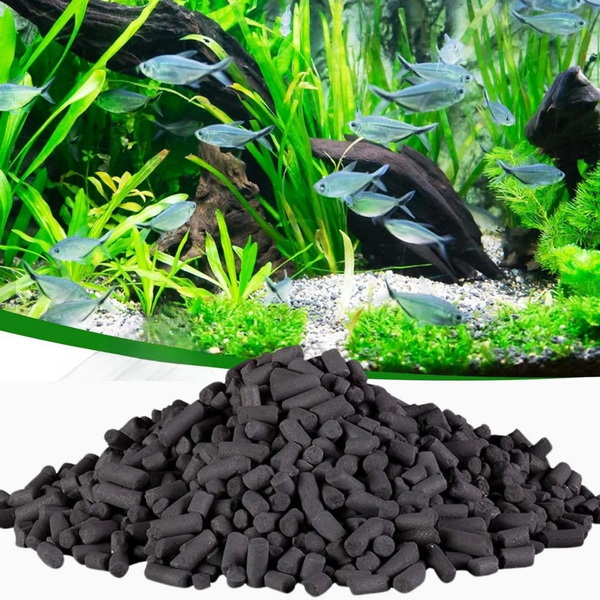
Activated carbon can be used in a planted tank, but it should be applied strategically and usually for short‑term purposes, not as a permanent, high‑volume filter media for high‑tech, heavily fertilized aquascapes. In moderate planted tanks with regular water changes and balanced fertilization, small amounts of activated carbon are generally safe and can help keep the water clear and free from toxins.[1][2][3][4]
What Activated Carbon Does in Aquariums
Activated carbon is a highly porous filtration medium that adsorbs dissolved organic compounds, odors, discoloration, some heavy metals, and various chemical residues from aquarium water. In a planted tank, activated carbon works alongside biological and mechanical filtration to polish the water and remove unwanted dissolved substances.[3][4][1]
- It adsorbs “yellowing” compounds (humic and fulvic substances) that can tint the water and reduce light penetration to plants.[5][4]
- It can bind many medications, chlorine, chloramine, and a range of organic pollutants, improving overall water safety for fish and plants.[2][3]
Benefits of Activated Carbon in a Planted Tank
When used correctly, activated carbon offers several important benefits for planted aquariums, especially for beginners or mixed community tanks with fish, shrimp, and moderate plant mass.[4][3]
- Improved clarity and appearance
Activated carbon removes dissolved organics that cause yellow or tea‑colored water, allowing more light to reach plants and making aquascapes look cleaner and brighter.[3][5]
- Removal of toxins and odors
It helps remove residual medications, pesticides, and other chemical contaminants that may enter the tank through tap water, décor, or fish treatments.[1][2]
- Emergency “chemical insurance”
In case of accidental overdosing of certain chemicals, or sudden odor/cloudiness, activated carbon provides a quick way to reduce dissolved pollutants while biological filtration recovers.[6][1]
Potential Downsides for Planted Aquariums
The controversy around activated carbon in planted tanks comes mainly from its interaction with plant nutrients and fertilization strategies.[7][2]
- Adsorption of chelated iron and some trace elements
Activated carbon does not remove most macro nutrients such as nitrate, phosphate, and potassium in a meaningful way, but it can reduce levels of chelated iron and some micronutrients, especially in high‑tech, precisely balanced tanks.[8][9][5]
- Reduced fertilizer efficiency in fine‑tuned setups
In tanks where CO₂, lighting, and fertilization are carefully optimized, activated carbon may become a limiting factor if it continuously strips trace elements faster than they are replenished.[7][2]
- Ongoing cost and media replacement
To remain effective, activated carbon must be replaced regularly (often every 3–4 weeks), which increases cost and can displace additional biological media volume in small filters.[10][4]
When It Makes Sense to Use Activated Carbon in a Planted Tank
The question “Can I use activated carbon in a planted tank?” is best answered by “Yes, but when and how?” rather than a simple yes/no.[11][2]
- During tank start‑up
Some premium planted tank systems include activated carbon during the first weeks to help remove leaching organics from new soil, driftwood tannins, and initial impurities.[12][6]
- After medication or chemical treatment
Activated carbon is excellent for removing residual medications after treating fish, preventing long‑term exposure of plants, fish, and bio‑filter bacteria to pharmaceuticals.[2][1]
- For problem‑solving (odor, discoloration, unknown contaminants)
If a planted tank suffers from unexplained odors, yellow water, or suspected chemical contamination, short‑term activated carbon use is a practical remedy.[1][3]
When You May Want to Avoid or Limit Activated Carbon
In many mature, well‑maintained planted tanks, continuous, heavy use of activated carbon is not necessary and may be counter‑productive.[11][7]
- High‑tech aquascapes with precise dosing
CO₂‑injected, high‑light tanks using advanced fertilization methods often rely on a carefully balanced nutrient regime; in these tanks, stable micro levels can be more important than ultra‑clear water.[7][2]
- Iron‑sensitive layouts and red plants
Plants that need strong iron supplementation to develop red coloration or vigorous growth may suffer if activated carbon continuously adsorbs chelated iron from the water column.[5][2]
- Small filters where biological media is limited
If the filter volume is small, filling it with activated carbon instead of high‑quality biological media may reduce nitrifying bacteria surface area and long‑term stability.[6][4]
How to Use Activated Carbon Safely in a Planted Tank
If you decide to use activated carbon in a planted aquarium, a controlled, best‑practice approach will let you enjoy its benefits while minimizing risks.[2][3]
- Use moderate amounts
Follow manufacturer guidelines and avoid over‑stuffing the filter; a thin layer or small pouch of high‑quality activated carbon is often enough for a 60–200 L planted tank.
- Limit duration for sensitive setups
Consider using activated carbon mainly for start‑up, after treatments, or during specific water quality issues instead of permanently in high‑tech aquascapes.[12][2]
- Replace carbon regularly
Spent activated carbon can become saturated and stop adsorbing; most aquarists replace it every 3–4 weeks if used continuously, or discard after a single “problem‑solving” period.[10][4]
- Maintain strong biological filtration
Always include ample ceramic rings, bio‑balls, or sintered media so that activated carbon acts as a supportive chemical stage, not a substitute for biological filtration.[4][6]
Choosing the Right Activated Carbon for Planted Tanks
Not all activated carbon products are the same. For planted tanks, the choice of raw material, granule size, and purity matters.
- Granular vs powdered activated carbon
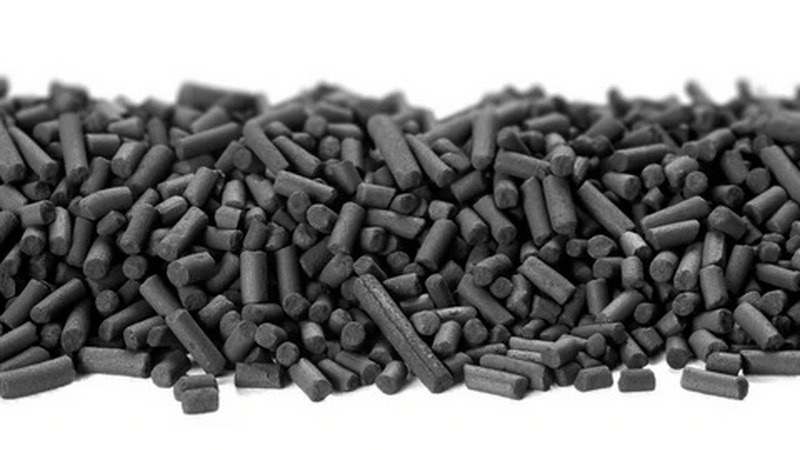
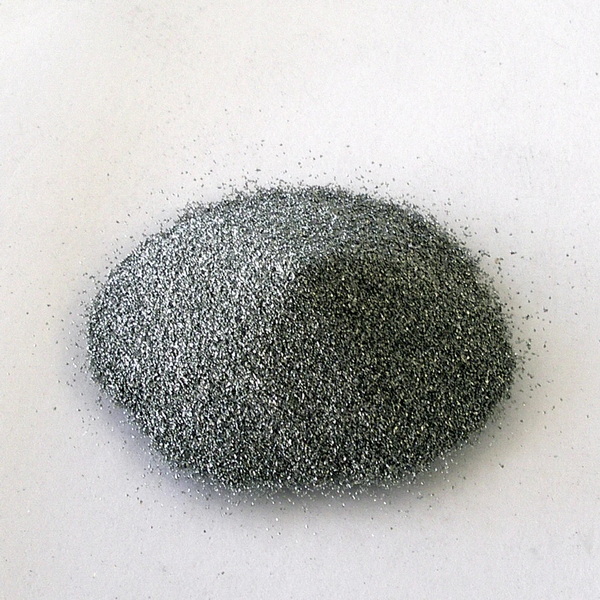
Granular activated carbon is more common in aquarium filters because it is easier to contain, rinses clean, and allows good water flow; powdered activated carbon is used more in industrial and municipal treatment or in special dosing situations.[6][4]
- Coconut shell, coal, or wood‑based carbon
Coconut‑shell activated carbon tends to have high hardness and micro‑porosity, ideal for removing many organics and some metals; coal‑based grades may offer a broader pore distribution for general aquarium use.[1][2]
- Low‑ash, low‑phosphate grades
High‑quality activated carbon for aquariums is usually washed and low in ash to avoid raising phosphate or altering pH, which could otherwise fuel algae or stress sensitive livestock.[4][6]
Practical Tips for Balancing Activated Carbon and Plant Nutrition
To keep both activated carbon and aquatic plants working together, adopt a balanced approach based on observation and testing.[5][2]
- Monitor plant growth and leaf color
If new leaves become pale or yellow (especially between veins) while you are using activated carbon, this may indicate iron or micronutrient deficiency, and you may need to reduce or remove the carbon and adjust fertilization.[2][5]
- Test iron and other parameters if possible
Regular water testing for iron and basic parameters (pH, KH, GH, nitrate, phosphate) helps you understand whether activated carbon is significantly reducing nutrient levels in your specific system.[9][2]
- Use substrate‑rich nutrient strategies
Nutrient‑rich aquasoils and root tabs supply many nutrients directly to plant roots, reducing dependency on water‑column dosing that could be affected by activated carbon.[11][2]
Promoting High‑Quality Activated Carbon From Professional Manufacturers
For aquarium retailers, aquascaping studios, and end‑users, working with an experienced activated carbon manufacturer ensures consistent quality and performance.
- Professional producers can customize activated carbon grades (granular size, pore structure, hardness) to suit aquarium use, including low‑phosphate, low‑ash products that protect sensitive plants and fish.[6][1]
- Global exporters specializing in activated carbon can supply stable, large‑volume shipments and provide technical support for different aquarium and aquaculture applications, from hobby tanks to commercial fish and shrimp farms.[4][1]
Conclusion
Activated carbon can absolutely be used in a planted tank, but it should be treated as a flexible tool rather than a mandatory, permanent filter media. In most low‑ to medium‑tech planted aquariums, moderate amounts of high‑quality activated carbon help maintain clear, odor‑free water and protect fish from toxins, while careful fertilization and substrate nutrition prevent plant deficiencies. For advanced, heavily fertilized aquascapes, limiting activated carbon use to start‑up phases, post‑medication cleanup, or special problems allows plants to access all the nutrients they need while still benefiting from targeted chemical filtration when necessary.[3][5][11][1][2]
FAQ
(1) Does activated carbon remove fertilizers in a planted tank?
Activated carbon can adsorb some chelated iron and certain micronutrient complexes, but it does not significantly remove basic macro nutrients like nitrate, phosphate, and potassium under typical aquarium conditions. In very precisely tuned, high‑tech systems, this reduction in trace elements can affect plant growth, so many advanced aquascapers limit long‑term activated carbon use.[8][7][5][2]
(2) Is activated carbon safe for aquarium plants and shrimp?
High‑quality activated carbon is generally safe for aquarium plants, fish, and shrimp when used in recommended amounts and replaced regularly. Problems arise mainly when activated carbon is overused in tanks that depend heavily on water‑column fertilizers, or when low‑grade media releases unwanted phosphates or dust.[3][2][6][4]
(3) How often should I change activated carbon in a planted tank?
Most hobbyists replace granular activated carbon every 3–4 weeks if it is used continuously, because adsorption capacity declines as the pores fill with organics and chemicals. For short‑term uses—such as after medication, tannin removal, or start‑up—many aquarists remove and discard activated carbon once the specific issue has been resolved.[10][1][2][4]
(4) Can I run activated carbon and CO₂ injection together?
Yes, activated carbon and CO₂ injection can be used together; activated carbon does not remove dissolved CO₂ from aquarium water in any meaningful way. The main interaction is with nutrient dosing, so CO₂‑rich, high‑light tanks should monitor plant health and trace levels more closely if activated carbon is used long term.[5][2][3][6]
(5) Should beginners use activated carbon in their first planted tank?
Beginners often benefit from using activated carbon during the first weeks of a new planted tank because it helps control organics, odors, and unexpected chemical issues while the biological filter matures. As the tank stabilizes and the aquarist gains experience with fertilization and maintenance, activated carbon can be reduced, used only as needed, or removed entirely in favor of more biological media.[12][11][3][4]
Citations:
[1](https://www.co2art.eu/blogs/blog/activated-carbon-in-a-planted-tank)
[2](https://www.aquascapeguide.com/post/should-you-use-activated-carbon-in-your-planted-tank-a-balancing-act)
[3](https://www.co2art.us/blogs/blog/how-important-is-activated-carbon-in-your-aquarium)
[4](https://www.aquaticexperts.com/pages/activated-carbon-in-your-aquarium)
[5](https://www.thekrib.com/Plants/Fertilizer/keslar-carbon.html)
[6](https://aquariumscience.org/index.php/7-4-2-activated-carbon/)
[7](https://www.reddit.com/r/Aquariums/comments/4v912l/dont_use_activated_carbon_with_a_planted_aquarium/)
[8](https://www.reddit.com/r/Aquariums/comments/14e9ej/activated_carbon_useful_or_not/)
[9](https://www.facebook.com/groups/342068286211749/posts/2190904884661404/)
[10](https://forum.aquariumcoop.com/topic/31662-is-there-a-reason-why-i-should-not-use-carbon-in-my-filters/)
[11](https://barrreport.com/threads/carbon-in-a-planted-aquarium.8789/)
[12](https://www.ukaps.org/forum/threads/activated-carbon.71085/)
[13](https://www.reddit.com/r/PlantedTank/comments/1p2dnx/activated_carbon_yay_or_nay/)
[14](https://www.reddit.com/r/PlantedTank/comments/oeux34/does_activated_carbon_remove_nutrients_for_plants/)
[15](https://www.reddit.com/r/PlantedTank/comments/32s59w/does_activated_carbon_have_any_effect_on/)
[16](https://www.reddit.com/r/Aquariums/comments/cqzu17/can_i_put_activated_charcoal_in_aquarium_dirt/)
[17](https://www.aquascapeguide.com/post/should-you-use-activated-carbon-in-your-planted-tank-a-balancing-act?srsltid=AfmBOoqGtkMxsAwmn5MRDhPyWlMy9iDQRj99PNiOpBC4oIbxe7tNuOJo)
[18](https://www.youtube.com/watch?v=e47HJvyUdoU)
[19](https://www.reddit.com/r/Aquariums/comments/s5ddct/does_activated_carbon_remove_liquid_fertilizers/)
[20](https://www.reddit.com/r/Aquariums/comments/tw7ym6/will_this_be_alright_to_use_in_an_aquarium_filter/)


