Content Menu
● What Is Activated Carbon in Aquarium?
● Can You Put Activated Carbon Directly in Aquarium Water?
● Risks of Putting Loose Activated Carbon in Aquarium
● Best Practice: How to Use Activated Carbon in Aquarium
● How Much Activated Carbon to Use and How Often to Replace
● When Activated Carbon Is Helpful in Aquarium
● Cases Where Activated Carbon May Not Be Ideal
● Conclusion
● FAQ About Activated Carbon in Aquarium
>> 1. Can I put activated carbon directly in aquarium without a filter?
>> 2. Is activated carbon safe for all fish and plants?
>> 3. How often should I replace activated carbon in aquarium?
>> 4. Does activated carbon remove ammonia, nitrite, or nitrate?
>> 5. Do I really need activated carbon in my aquarium?
● Citations:
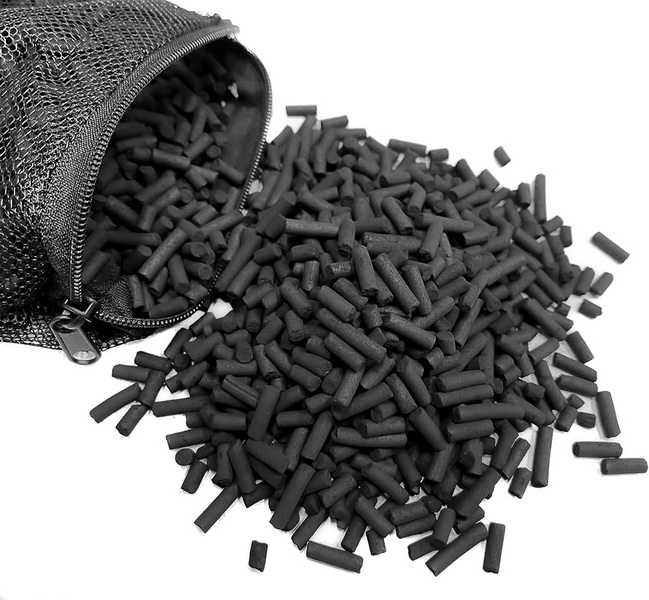
Activated carbon is one of the most widely used filtration media in aquariums, but how and where it is placed in the system strongly affects its safety and performance. While it is technically possible to put activated carbon directly in an aquarium, the recommended practice is to confine activated carbon in a filter compartment or media bag so that it works efficiently and does not scatter fine particles into the tank.[1][2][3]
What Is Activated Carbon in Aquarium?
Activated carbon is a highly porous form of carbon processed to have an enormous internal surface area and strong adsorption capacity. In an aquarium, activated carbon is mainly used as a chemical filtration media to adsorb dissolved organic compounds, chlorine, chloramine, tannins, colors, odors, and some trace chemicals from the water.[2][4][1]
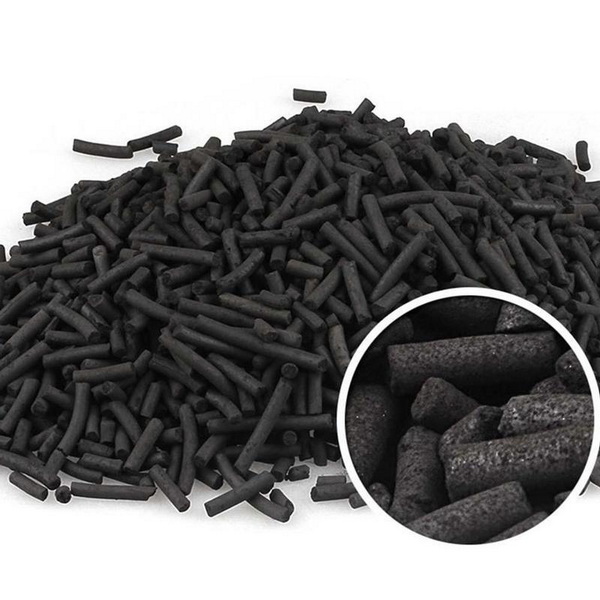
- Activated carbon for aquarium use is typically supplied as granular activated carbon (GAC) or pelletized activated carbon that fits easily into filter chambers.[5][6][1]
- Because activated carbon adsorbs rather than absorbs, contaminants stick to the internal surfaces of activated carbon pores, gradually filling its capacity over time.[1][2]
Well-chosen activated carbon can greatly improve water clarity, remove yellow tint from driftwood tannins, and reduce many substances that cause bad odor in aquarium water. However, activated carbon does not remove ammonia, nitrite, or nitrate, so biological filtration and regular water changes remain essential.[7][2][1]
Can You Put Activated Carbon Directly in Aquarium Water?
From a purely physical standpoint, loose activated carbon granules can be placed directly into aquarium water, but this is not considered good practice for most setups. The industry standard recommendation is to place activated carbon in a filter compartment or in a fine mesh media bag so that water flows through activated carbon while keeping particles contained.[3][2][1]
- If activated carbon is poured loosely into the tank, fine carbon dust and granules may spread over the substrate, decorations, and plants, making them difficult to clean and remove later.[8][2][3]
- Aquarium experts and hobby guides emphasize that containing activated carbon in a bag or cartridge improves flow through activated carbon and simplifies replacement when the media is exhausted.[4][2][1]
In emergency situations, such as short‑term toxin removal in a hospital tank, some aquarists might temporarily suspend activated carbon in a fine cloth or improvised bag in the main tank, but they still try to keep the activated carbon contained rather than loose. For regular daily use, placing activated carbon directly in aquarium water without containment is discouraged because it offers no performance benefit and introduces several practical risks.[2][3][4]
Risks of Putting Loose Activated Carbon in Aquarium
Using activated carbon loosely in the aquarium instead of inside a filter or media bag can create several problems for both fish and system maintenance.[3][8][2]
- Carbon dust and gill irritation: Many grades of granular activated carbon release fine carbon dust that can cloud water and potentially irritate sensitive fish gills or delicate coral tissue if not rinsed thoroughly and kept contained.[4][8][2]
- Difficult removal and cleaning: Once loose activated carbon granules fall into gravel, plants, or crevices of hardscape, they can be very hard to vacuum out during maintenance and may continue to release trapped debris when disturbed.[2][3]
In addition, low‑quality or very cheap activated carbon may leach phosphate and alter pH, contributing to algae growth or instability if large amounts are left in the tank for long periods. When activated carbon becomes saturated, there is also a risk that some adsorbed substances may be released back into the water if the media is not replaced on time.[4][2]
Best Practice: How to Use Activated Carbon in Aquarium
The best way to use activated carbon in an aquarium is to place the activated carbon in a high‑flow area inside the filter, securely contained in a mesh bag, cartridge, or dedicated media chamber. This ensures that most of the water passes through the activated carbon, maximizing contact and adsorption while keeping activated carbon granules out of the main display.[1][3][2]
- Before placing activated carbon in the filter, rinse the activated carbon thoroughly with clean water to wash away loose dust that might otherwise cloud the aquarium or irritate fish.[8][1][2]
- Arrange mechanical filtration (sponges, filter floss) before the activated carbon so that solid debris is removed first and does not clog activated carbon pores prematurely.[1][2]
For many freshwater and marine tanks, activated carbon is used intermittently rather than continuously, such as after medication, to remove residual drugs, or when tannins or odors are a concern. Activated carbon should be part of a balanced filtration system that includes mechanical and biological media, not a substitute for them.[9][7][2][1]
How Much Activated Carbon to Use and How Often to Replace
The amount of activated carbon used in aquariums depends on tank size, bioload, and water quality issues, but many aquarium guidelines suggest moderate dosages and regular replacement.[10][2][1]
- Many manufacturers recommend changing activated carbon every 2–4 weeks in typical aquarium conditions because the pores gradually fill and adsorption capacity drops.[10][1]
- Old activated carbon that has reached saturation no longer removes contaminants and can potentially leach some adsorbed substances or phosphate back into the water over extended periods.[2][4]
Because activated carbon cannot practically be reactivated in a home environment, used activated carbon is usually discarded or repurposed in gardening soil rather than regenerated. Overusing activated carbon or packing too much activated carbon into a small system can also strip beneficial trace elements that some plants and invertebrates need, especially in delicately balanced reef or planted aquariums.[11][8][4][2]
When Activated Carbon Is Helpful in Aquarium
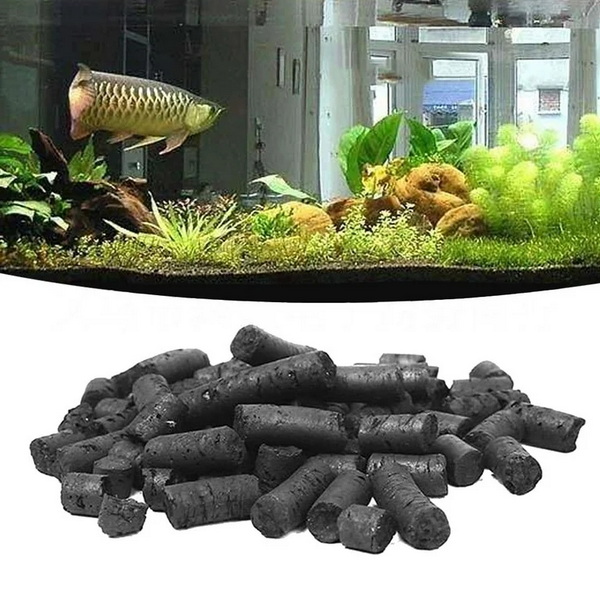
Activated carbon is not absolutely required in every aquarium, but it is very useful in several common situations.[9][1][2]
- After medication, activated carbon helps remove residual drugs once treatment is complete, preventing prolonged exposure that could stress fish or beneficial bacteria.[1][2]
- In tanks with driftwood, activated carbon can remove tannins that discolor the water and give it a tea‑colored appearance, improving clarity without frequent large water changes.[4][2][1]
Activated carbon also helps control some organic compounds that cause odor and can polish water so that it looks bright and crystal clear for display tanks. However, since activated carbon does not handle ammonia or nitrite, aquarium keepers still depend on biological filtration and good husbandry practices for core water quality control.[7][2][1]
Cases Where Activated Carbon May Not Be Ideal
There are also aquarium setups where activated carbon is used sparingly or omitted altogether because of its side effects or limited benefits.[12][7][4]
- In heavily planted aquariums, continuous use of activated carbon can reduce availability of certain trace metals and nutrients, which some aquarists believe may slow plant growth if not properly supplemented.[13][11][4]
- In specialized reef tanks, excessive or aggressive use of activated carbon has been associated with nutrient stripping and stress to sensitive corals if dust is not rinsed thoroughly.[8][4]
Some advanced hobbyists even argue that routine use of activated carbon is unnecessary in well‑maintained freshwater systems, preferring to rely on water changes, biological filtration, and targeted chemical media when specific issues arise. The decision to use activated carbon regularly should therefore be based on the tank's goals, species, and maintenance habits rather than a fixed rule.[12][7][9][1]
Conclusion
Activated carbon is an effective tool for improving water clarity, removing odors, and polishing aquarium water, but it must be used correctly to be safe and efficient. Instead of putting activated carbon directly in aquarium water as loose granules, it is better to place activated carbon in a rinsed media bag or filter compartment, where flow is controlled and activated carbon does not scatter through the tank.[3][2][1]
Aquarists should choose high‑quality activated carbon, rinse it well, and replace it every few weeks to avoid saturation, phosphate leaching, or unnecessary nutrient removal. By understanding what activated carbon can and cannot do, and by integrating activated carbon thoughtfully into a broader filtration and maintenance strategy, aquarium owners can enjoy clear, stable water without exposing fish or plants to avoidable risks.[10][7][4][2][1]
FAQ About Activated Carbon in Aquarium
1. Can I put activated carbon directly in aquarium without a filter?
Putting activated carbon directly in aquarium water as loose granules is technically possible, but it is not recommended due to dust, cleanup, and uneven flow issues. For best results, activated carbon should be placed in a fine mesh bag or filter cartridge located in a high‑flow section of the filtration system so water passes through activated carbon efficiently and particles remain contained.[3][8][2][1]
2. Is activated carbon safe for all fish and plants?
In general, properly rinsed aquarium‑grade activated carbon used in moderation is safe for most freshwater and marine fish species. However, some planted‑tank and reef keepers limit continuous activated carbon use because activated carbon can remove certain trace elements and, if low‑quality, may release phosphate that encourages algae or stresses sensitive organisms.[11][8][4][2][1]
3. How often should I replace activated carbon in aquarium?
Many sources recommend replacing activated carbon every 2–4 weeks in typical aquariums because the adsorption capacity of activated carbon becomes exhausted as pores fill with contaminants. Once saturated, activated carbon no longer improves water quality and may gradually release some substances or phosphate back into the aquarium water, so scheduled replacement is important.[10][4][2][1]
4. Does activated carbon remove ammonia, nitrite, or nitrate?
Activated carbon does not effectively remove ammonia, nitrite, or nitrate from aquarium water; these toxic nitrogen compounds are controlled by biological filtration, live plants, and water changes. Activated carbon focuses on dissolved organic compounds, odors, and some chemicals like chlorine, chloramine, and tannins, so activated carbon complements but does not replace the core biological filter.[7][2][1]
5. Do I really need activated carbon in my aquarium?
Activated carbon is optional rather than mandatory for most aquariums, and many successful tanks operate without continuous activated carbon use. Activated carbon becomes especially useful when removing medication after treatments, clearing tannins or odors, or polishing display‑tank water, so aquarium keepers can choose to run activated carbon periodically based on their goals rather than keeping activated carbon in the filter all the time.[9][7][2][1]
Citations:
[1](https://activatedcarbondepot.com/blogs/news/activated-carbon-for-aquariums-a-complete-guide)
[2](https://www.aquaticexperts.com/pages/activated-carbon-in-your-aquarium)
[3](https://www.reddit.com/r/Aquariums/comments/lnsgyo/can_i_just_put_activated_carbon_directly_in_my/)
[4](https://www.practicalfishkeeping.co.uk/features/be-clear-about-carbon/)
[5](https://pentairaes.com/media/docs/AC412%20&%20AC412A%20SDS.pdf)
[6](https://redseafish.com/wp-content/uploads/2020/11/Reef-Spec-Carbon-MSDS-1.pdf)
[7](https://aquariumscience.org/index.php/7-4-2-activated-carbon/)
[8](https://www.mantasystems.net/a/blog/post/activated-carbon)
[9](https://tanninaquatics.com/blogs/the-tint-1/yeah-you-can-use-carbon)
[10](https://www.tropicalaquarium.co.za/threads/activated-carbon-in-the-aquarium.36105/)
[11](https://www.facebook.com/groups/320106974244685/posts/532242263031154/)
[12](https://www.reddit.com/r/Aquariums/comments/26do4z/what_is_aquarium_activated_carbon_and_why_its_a/)
[13](https://www.reddit.com/r/PlantedTank/comments/rdrfx9/activated_carbon_filter_bad_for_plants_in_tank/)
[14](https://www.youtube.com/watch?v=e47HJvyUdoU)
[15](https://www.reddit.com/r/Aquariums/comments/tw7ym6/will_this_be_alright_to_use_in_an_aquarium_filter/)
[16](https://www.facebook.com/groups/320106974244685/posts/869240879331289/)
[17](https://www.sciencedirect.com/science/article/pii/S0147651324010959)
[18](https://www.facebook.com/groups/32961270633/posts/10168920557775634/)
[19](https://forum.aquariumcoop.com/topic/31662-is-there-a-reason-why-i-should-not-use-carbon-in-my-filters/)
[20](https://www.facebook.com/groups/342068286211749/posts/1740067243078506/)


