Content Menu
● What is granular activated carbon?
● How granular activated carbon controls litter box odor
● Can granular activated carbon be safely used around cats?
● Practical ways to use granular activated carbon in litter boxes
>> In built‑in carbon filters
>> As loose granules mixed with litter
>> In odor‑absorbing pouches or trays
>> Step‑by‑step usage guide (mixed with litter)
● Benefits of granular activated carbon for litter box users
● Key safety considerations when using granular activated carbon
● Comparison: granular activated carbon vs. other litter box odor controls
● How a granular activated carbon supplier can support litter box applications
● Conclusion
● FAQ
>> 1. Is granular activated carbon safe for cats in the litter box?
>> 2. How much granular activated carbon should be used in a litter box?
>> 3. How often should granular activated carbon be replaced?
>> 4. Can granular activated carbon be used with any type of cat litter?
>> 5. Does granular activated carbon eliminate the need to scoop the litter box?
● Citations:
What is granular activated carbon?
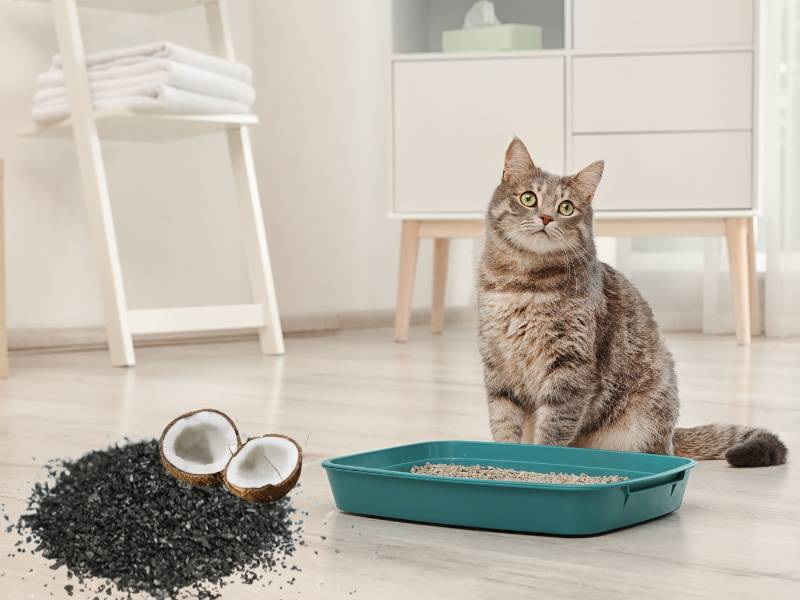
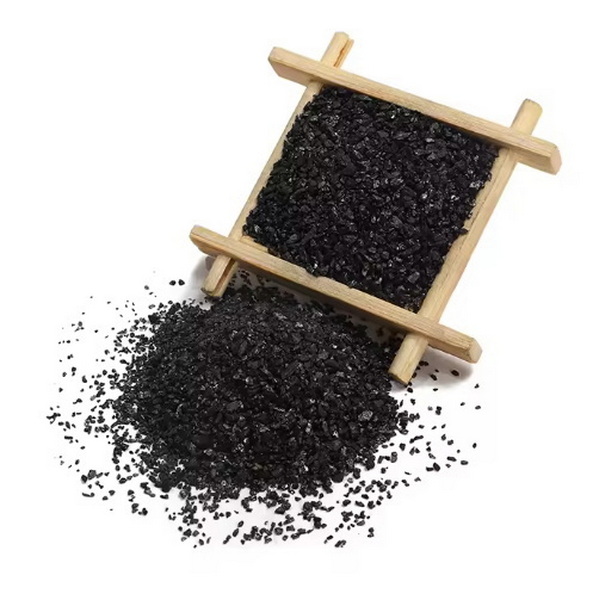
Granular activated carbon is a highly porous form of carbon processed to create a huge internal surface area that can adsorb gases, vapors, and organic molecules responsible for bad smells. In granular form, it looks like small black particles or sand‑like grains that are easy to pack into filters, pouches, or trays around a litter box.[3][4][5]
- The enormous internal surface area (often hundreds to thousands of square meters per gram) gives granular activated carbon strong capacity for odor adsorption.[3]
- For litter boxes, it can be packaged in sachets, mixed into litter, or used in filter cartridges to continuously capture ammonia and other odor molecules.[2][1]
How granular activated carbon controls litter box odor
Most litter box smells come from ammonia in urine and volatile organic compounds released from feces. When air passes over granular activated carbon, these odor molecules are trapped and held in its pores through physical and chemical adsorption instead of just being masked by fragrances.[6][4][2][3]
- Studies and field applications show activated carbon is widely used as a “universal adsorbent” for gases and vapors, including hydrogen sulfide and ammonia commonly associated with pet waste.[5][3]
- In cat litter, activated carbon also helps keep the environment drier, slowing bacterial growth and further reducing odor generation.[2][6]
Can granular activated carbon be safely used around cats?
High‑quality granular activated carbon made from natural raw materials (such as coconut shell or wood) and without chemical additives is generally considered safe for use in cat litter and litter box filters. It is biologically inert and does not react with the cat's skin or paws when simply walked on or when air flows across it.[6][2][3]
However, activated carbon should not be given to cats by owners as a medicine without veterinary supervision because inappropriate ingestion can cause vomiting, constipation, dehydration, electrolyte imbalance, or aspiration pneumonia. For litter box odor control, the key is to keep granular activated carbon in enclosed filters, sachets, or mixed into litter so the cat is not tempted to eat it directly.[7][8][9][1][2]
Practical ways to use granular activated carbon in litter boxes
Granular activated carbon can be integrated into the litter box system in several simple ways.[10][1][2]
In built‑in carbon filters
Many covered or self‑cleaning litter boxes include a slot for activated carbon filters that are filled with granular activated carbon. These filters sit in the airflow path at the top or back of the box, neutralizing odors before they diffuse into the room.[11][10]
- To use, the owner installs the factory filter or a compatible refill loaded with granular activated carbon and replaces it at the interval recommended by the manufacturer.[12][10]
- This method keeps granular activated carbon completely contained and out of reach of curious cats, which is ideal for safety and cleanliness.[10]
As loose granules mixed with litter
Some products blend granular activated carbon directly into clumping or tofu litter to create “activated carbon cat litter.” In this design, the black carbon granules are evenly distributed so they can adsorb odor at the source as soon as urine or feces contacts the litter.[13][2]
- This approach not only reduces odor but can also help regulate humidity and keep the litter bed drier.[2][6]
- Many commercial “activated carbon cat litter” products emphasize low dust and non‑tracking properties, making them cleaner for cats and homes.[13][2]
In odor‑absorbing pouches or trays
Another flexible option is to place small pouches or trays filled with granular activated carbon near the litter box, such as under a grate, behind the box, or inside a covered housing. As air circulates around the box, these pouches pull odor from the surrounding air without changing the litter itself.[4][14][1][3]
- Odor‑absorbing granules can be combined with minerals like zeolite or plant extracts to enhance the overall deodorization effect.[14]
- Pouches and trays are easy to replace and allow simple testing of different granular activated carbon dosages based on the number of cats and box size.[1][14]
Step‑by‑step usage guide (mixed with litter)
When using loose granular activated carbon for odor control, following a basic procedure helps maximize performance and safety.[1][2]
1. Choose a high‑purity granular activated carbon product explicitly labeled for odor control or pet applications, without chemical additives.[6][2]
2. Spread a thin, even layer of granular activated carbon over the bottom of the clean, dry litter box (for example, 0.5–1 cm deep), then pour your regular litter on top.[1]
3. Gently mix the granular activated carbon with the litter so the black granules are scattered through the top third of the bed but not forming large clumps.[1]
4. Scoop solid waste and clumps daily; top up with fresh litter and a small amount of granular activated carbon as needed to maintain odor performance.[2][1]
5. Fully change litter and granular activated carbon at the normal box‑change interval (often weekly or bi‑weekly) to prevent saturation.[2][1]
Benefits of granular activated carbon for litter box users
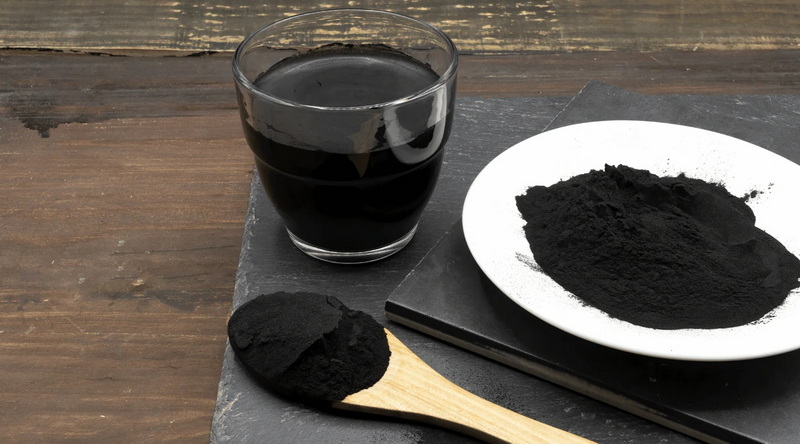
Granular activated carbon gives cat owners several specific advantages compared with using litter alone or fragrance‑only products.[3][6][2]
- Strong odor control: The microporous structure captures and retains odor molecules instead of just covering them with perfume.[4][3]
- Humidity and bacteria control: By absorbing moisture, granular activated carbon helps keep the litter drier, limiting bacterial growth and secondary smells.[6][2]
- Lower maintenance frequency: Effective odor control can extend the time before the whole box must be changed, reducing labor and litter consumption when paired with proper scooping.[2]
- Better indoor air quality: Using granular activated carbon filters is a standard industrial method for gas and odor removal; applying the same principle at home improves perceived air freshness around the litter box.[4][3]
- Environmentally friendly options: Many granular activated carbon products use renewable raw materials like coconut shells and are considered safe and non‑toxic for normal household disposal.[5][2]
Key safety considerations when using granular activated carbon
Even though granular activated carbon is generally safe, a few precautions are important in homes with pets.[8][7][2]
- Do not encourage cats to ingest granular activated carbon, and avoid using pure powders that can easily become airborne and be inhaled.[7][8]
- Avoid DIY medical use of activated charcoal for poisoning; veterinary guidelines emphasize that incorrect dosing or use in animals with vomiting, neurologic signs, or dehydration can lead to aspiration pneumonia or electrolyte problems.[9][8][7]
- For sensitive cats or households with respiratory issues, choose low‑dust litter and keep granular activated carbon contained in sealed filters, pellets, or coated granules.[13][2]
- Always introduce new litter formulations gradually to allow the cat to adapt and prevent litter box avoidance.[15]
Comparison: granular activated carbon vs. other litter box odor controls
| Odor control method | Primary mechanism | Effectiveness for strong odors | Typical maintenance need | Notes for cat owners |
| Granular activated carbon (filters/pellets) | Adsorption in microporous carbon structurerobovent+1 | High, even for ammonia and VOCsheycarbons+1 | Replace filters or granules periodicallyactivatedcarbondepot+1 | Strong, targeted control; generally pet‑safe when not ingested. |
| Baking soda additives | Simple acid–base neutralization | Moderate, mainly for mild odorsdvm360 | Often mixed in at each litter changedvm360 | Inexpensive, but less powerful for multi‑cat or poorly ventilated setups. |
| Scented litters or sprays | Odor masking with fragrance | Variable; can just cover smell | Reapply sprays frequently | Some cats dislike strong scents; fragrance does not remove odor molecules.heycarbons |
| Air fresheners near box | Fragrance dispersion into room air | Low for source control | Continuous or timed operation | Does not treat the source; may irritate sensitive pets or people.robovent |
| Mechanical ventilation only | Dilution and exhaust of smelly air | Moderate | Fan filters or ducts maintainedrobovent | Best when combined with granular activated carbon filtration.robovent+1 |
How a granular activated carbon supplier can support litter box applications
Professional manufacturers of granular activated carbon can tailor products specifically for litter box and pet odor applications. This includes selecting the right raw material (such as coconut shell for hardness and high surface area) and optimizing pore structure for ammonia, hydrogen sulfide, and organic odor removal.[16][2]
- Custom‑sized granules can reduce dust, improve flow in automated litter systems, and prevent tracking on cats' paws.[13][2]
- Suppliers experienced in water treatment, air purification, food, and pharmaceutical applications can also provide tested, low‑impurity granular activated carbon grades suitable for sensitive indoor environments and pet contact surfaces.[3][6]
Conclusion
Granular activated carbon can absolutely be used to control litter box odor and is already built into many modern cat litters and litter box filter systems. By adsorbing odor molecules and helping regulate moisture, granular activated carbon delivers stronger and more consistent odor control than perfumes or simple additives, while remaining pet‑safe when kept in filters, pellets, and coated granules instead of being ingested. For multi‑cat homes or owners seeking cleaner indoor air, integrating granular activated carbon into the litter box setup is a practical, proven solution that combines industrial‑grade odor technology with everyday pet care.[10][4][6][3][1][2]
FAQ
1. Is granular activated carbon safe for cats in the litter box?
Granular activated carbon used in filters or blended into litter is generally safe because it is inert and does not interact chemically with the cat's skin or paws. The main safety rule is to prevent intentional ingestion and to avoid using activated charcoal as a home remedy for poisoning without veterinary supervision, since oral misuse can cause vomiting, dehydration, or aspiration issues.[8][9][7][3][2]
2. How much granular activated carbon should be used in a litter box?
The optimal amount of granular activated carbon depends on the box size and number of cats, but a thin layer under the litter or a few percent by weight blended into the litter is commonly used in commercial products. For filter cartridges or odor‑absorbing pouches, owners should follow the manufacturer's coverage and replacement guidelines to maintain consistent odor control.[10][1][2]
3. How often should granular activated carbon be replaced?
Granular activated carbon gradually becomes saturated with odor molecules and must be replaced to remain effective. Many litter box filters and activated carbon cat litter products recommend replacement on a schedule ranging from a few weeks to a couple of months, or whenever users notice a decline in odor control.[4][3][10][1]
4. Can granular activated carbon be used with any type of cat litter?
Granular activated carbon can be combined with most clumping, non‑clumping, or plant‑based litters, as long as the mixture remains low‑dust and comfortable for the cat's paws. Some advanced formulas, such as tofu litter with activated carbon, are specifically engineered to balance clumping performance, moisture absorption, and strong odor adsorption in one product.[13][2]
5. Does granular activated carbon eliminate the need to scoop the litter box?
Granular activated carbon significantly reduces odor but does not replace basic hygiene practices like daily scooping and regular litter changes. Removing waste promptly and keeping the box clean allows granular activated carbon to focus on residual smells and moisture, giving the best long‑term odor control and a healthier environment for the cat.[6][1][2]
Citations:
[1](https://activatedcarbondepot.com/blogs/news/how-to-use-activated-carbon-for-litter-boxes)
[2](https://heycarbons.com/activated-charcoal-for-cat-litter/)
[3](https://www.robovent.com/learn/clean-air/odor-control/)
[4](https://www.stadlerform.com/en/health/neutralise-odours/combat-odours-with-an-activated-carbon-filter)
[5](https://heycarbons.com/activated-carbon-for-odor-removal/)
[6](https://www.huameicarbon.com/activated-carbon-for-cat-litter/)
[7](https://vetic.in/blog/pet-health/activated-charcoal-in-pet-poisoning-and-toxicity-a-guide-for-pet-parents/)
[8](https://www.petmd.com/emergency/activated-charcoal-dogs-cats)
[9](https://www.petscare.com/news/post/activated-charcoal-cats-treatment)
[10](https://www.kohepets.com.sg/products/aclium-self-cleaning-cat-litter-box-activated-carbon-odor-filter-6pc)
[11](https://www.petsafe.com/shop/cat/litter-boxes-and-litter/)
[12](https://www.asiatel.com.sg/?q=4247640021890)
[13](https://petkitaustralia.com.au/blog/the-ultimate-eco-friendly-cat-litter-solution/)
[14](https://www.alibaba.com/product-detail/Cat-Litter-Odor-Absorbing-Granules-Activated_10000027833749.html)
[15](https://www.dvm360.com/view/latest-scoop-litter)
[16](https://www.carbonyihang.com/Coconut-shell-activated-carbon-and-wood---based-activated-carbon-which-is-better-for-odor-removal)
[17](https://www.reddit.com/r/LifeProTips/comments/1la9dlx/lpt_activated_charcoal_in_the_consistency_of_sand/)
[18](https://ladynpet.com/us/product/granular_catlitter_us/)
[19](https://www.cnn.com/cnn-underscored/reviews/best-self-cleaning-litter-boxes)
[20](https://www.mspca.org/angell_services/activated-charcoal/)


