
Language
Views: 222 Author: Tina Publish Time: 2025-12-20 Origin: Site


Content Menu
● What Activated Carbon Filters Actually Do
● What Happens When You Wash Activated Carbon Filters
● Washing Air vs. Water Activated Carbon Filters
>> Activated Carbon Air Filters
>> Activated Carbon Water Filters
● Industrial Reactivation vs. Simple Washing
● Risks of Washing Activated Carbon Filters Incorrectly
● When It Makes Sense to Wash – And When to Replace
● Practical Washing Guidelines for Activated Carbon Filters
● FAQ About Washing Activated Carbon Filters
>> 1. Can activated carbon water filters be washed and reused?
>> 2. Is it safe to wash activated carbon air purifier filters?
>> 3. Why do some range hood activated carbon filters say “do not wash”?
>> 4. Does washing activated carbon remove the contaminants it has adsorbed?
>> 5. How should industrial users handle spent activated carbon filters?
Activated carbon filters can sometimes be rinsed or lightly cleaned to remove dust and sediment, but washing does not restore the adsorption capacity of the activated carbon itself. In most water and air treatment systems, activated carbon filters are treated as consumables that must be replaced or professionally reactivated once saturated.[1][2][3][4]
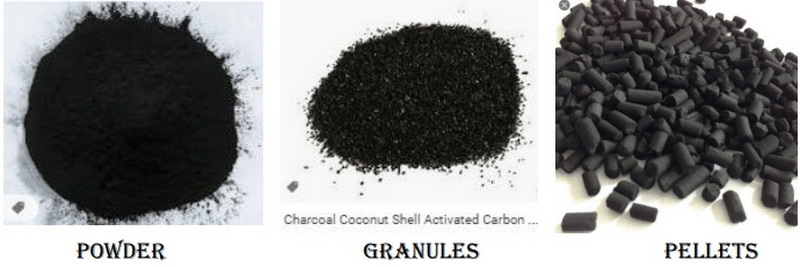
Activated carbon is a highly porous form of carbon with a huge internal surface area that adsorbs gases, vapors, and dissolved organic contaminants from water and air. In filters, activated carbon is usually used as granular activated carbon (GAC), powdered activated carbon (PAC), or carbon blocks to remove odors, chlorine, and many organic compounds.[5][4][6][7]
- Activated carbon adsorption is a surface process where molecules accumulate on the internal pore structure rather than being absorbed into the bulk material.[8][5]
- A teaspoon of activated carbon can have more internal surface area than a football field, which explains its very high adsorption capacity for many contaminants.[6][7]
- Once the pores of the activated carbon are filled or blocked, the activated carbon becomes saturated and its removal efficiency drops sharply even if the filter still looks clean on the outside.[5][6]
Whether an activated carbon filter can be washed depends on the filter design, application, and manufacturer guidelines, but the physical adsorption on activated carbon is generally not reversed just by water washing.[9][1]
- Washing or rinsing an activated carbon filter mainly removes dust, loose particles, and some surface fouling; it does not “empty” the internal pores where most contaminants are adsorbed.[10][9]
- Studies show that many adsorption processes on activated carbon are partially or fully irreversible, especially for larger organic molecules, so simple washing cannot restore full capacity.[11][8]
- For water filters, frequent backwashing can help remove suspended solids and reduce pore blocking, but it does not reset the adsorption of dissolved organic micropollutants in the activated carbon bed.[12][6]
Different activated carbon filter applications require different maintenance strategies, and not every activated carbon filter is rated as washable.
Some household air purifier and range hood manufacturers allow careful cleaning of activated carbon filters, but with important limitations.[2][1]
- Certain air purifier brands suggest removing the activated carbon filter, shaking or vacuuming off dust, and in some cases gently rinsing with water, provided the filter is completely dried afterward to avoid mold growth.[3][1]
- Smart Air and other experts note that water can remove dust from an activated carbon air filter, but there is no guarantee that washing restores capacity for VOCs and odors, so replacement is still recommended when performance drops.[1][9]
- Range hood suppliers distinguish between standard activated carbon filters, which are not washable, and special “regenerable” or “Long Life” activated carbon filters that can be washed and regenerated several times according to their instructions.[13][2]
For water filters, activated carbon is usually used in cartridges, loose media beds, or carbon blocks that are designed for a defined service life rather than repeated washing.[4][6]
- Some water filter maintenance guides describe rinsing or soaking carbon cartridges to remove sediment and extend service life, but they also stress that this only deals with physical clogging, not chemical saturation of the activated carbon.[14][13]
- Industrial granular activated carbon filter beds can be backwashed to remove suspended solids and prevent excessive head loss, but adsorption capacity for dissolved organics still declines over time and eventually requires media replacement or professional reactivation.[12][6]
In industrial settings, spent activated carbon is often not just washed but thermally reactivated in specialized facilities, which is very different from rinsing a small filter at home.[15][4]
- Thermal reactivation heats spent activated carbon to high temperatures in controlled atmospheres, driving off adsorbed organics and restoring a large part of the original pore structure and surface area.[8][4]
- Recent research shows that waste carbon from used water filter cartridges can be chemically reactivated to produce new activated carbon with high surface area and strong adsorption performance, supporting circular economy approaches.[15][8]
- This type of reactivation requires industrial equipment, safety controls, and emissions treatment, so it is not something that consumers or small operators can replicate by washing filters with water, detergents, or household chemicals.[6][15]
Improper washing of activated carbon filters can create new problems, especially if soaps, harsh chemicals, or incomplete drying are involved.[9][14]
- Using detergents or strong cleaning agents can damage the structure of activated carbon and leave residues that then leach into water or air streams, reducing performance and creating potential contamination.[10][14]
- Because activated carbon readily adsorbs water, a washed activated carbon filter that is not thoroughly dried may stay damp and support mold growth and microbial proliferation, particularly in air purifiers and HVAC systems.[3][1]
- Some guides suggest soaking range hood activated carbon filters or carbon chemical filters in vinegar or mild detergent solutions, but they emphasize careful rinsing and drying, and such practices are usually recommended only for special “regenerable” filter types.[2][13]
In practice, washing activated carbon filters is mainly useful for managing dust and sediment; it does not replace a proper replacement or reactivation strategy for the activated carbon itself.[14][1]
- Light cleaning (vacuuming, gentle brushing, or quick rinsing) can be appropriate when the activated carbon filter is lightly used, mainly clogged with dust, and the manufacturer explicitly permits such cleaning.[3][14]
- When odor control or contaminant removal performance clearly declines, washing is unlikely to restore adsorption, so the activated carbon filter should be replaced or, in industrial systems, sent for professional reactivation.[12][1]
- Manufacturer maintenance instructions are crucial: several brands clearly warn that their activated carbon filters are not designed to be washed and recommend replacement at specified intervals instead.[2][9]
If a specific activated carbon filter is labeled as washable or regenerable, the following general principles help reduce damage while keeping some benefits.
- Always verify the product manual or supplier datasheet to confirm whether the activated carbon filter can be washed, and which methods are allowed.[14][2]
- For washable air filters, remove the activated carbon filter, shake or vacuum loose dust, then rinse with warm water only if the manufacturer approves, avoiding soaps and harsh chemicals.[1][3]
- For certain range hood or grow room carbon filters, suppliers may recommend soaking in mild solutions for a defined period, followed by thorough rinsing and complete drying before reinstallation.[16][13]
Activated carbon filters play a critical role in water, air, and gas treatment, but their adsorption capacity is finite and cannot be fully restored by simple washing. In many consumer and industrial applications, washing activated carbon filters only removes dust and sediment, while true regeneration of activated carbon requires professional thermal or chemical reactivation or complete media replacement.[15][5][6][12]
For air purifiers, range hoods, grow rooms, and water filters, washing is only advisable when the manufacturer explicitly allows it and only as a way to manage surface fouling, with careful attention to gentle methods and complete drying. In critical industrial processes, the most reliable strategy is to monitor performance, replace saturated activated carbon media on schedule, and work with experienced activated carbon suppliers and reactivation facilities to optimize lifecycle cost and environmental impact.[4][15][1][3]
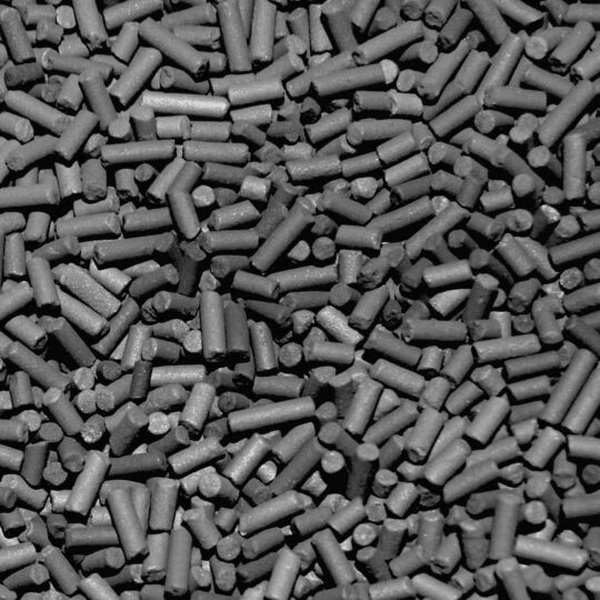
Ordinary activated carbon water filter cartridges and beds can be rinsed or backwashed to remove suspended solids, but this does not regenerate the adsorption capacity of the activated carbon. When breakthrough occurs or performance declines, the activated carbon media usually must be replaced or professionally reactivated rather than simply washed and reused.[6][12][15][14]
Some air purifier manufacturers allow users to gently vacuum or rinse their activated carbon filters, provided the filters are dried completely to avoid mold growth. However, washing an activated carbon air filter mainly removes dust and does not reliably restore adsorption of VOCs and odors, so replacement remains necessary when the activated carbon is saturated.[9][10][1][3]
Standard range hood activated carbon filters are designed as disposable odor filters with a limited service life and are not engineered for repeated washing. Only special “Long Life” or regenerable activated carbon filters are formulated to withstand washing or regeneration cycles, and even those must be cleaned strictly according to the manufacturer's procedure.[13][2][14]
For many organic molecules, adsorption on activated carbon is largely irreversible under normal washing conditions, so water or mild detergent does not desorb most contaminants from the pores. Effective regeneration of saturated activated carbon typically requires high‑temperature thermal treatment or specialized chemical processes that cannot be replicated in ordinary filter washing.[11][8][4][15]
Industrial users in water treatment, air and gas purification, and chemical or pharmaceutical production usually send spent granular activated carbon to licensed reactivation facilities or dispose of it according to environmental regulations. Professional reactivation can restore much of the activated carbon capacity and reduce waste, but it must follow strict process control and emissions management, often under long‑term contracts with activated carbon suppliers.[8][4][15][6]
[1](https://housefresh.com/how-to-clean-an-activated-carbon-air-filter/)
[2](https://www.filtrocappa.it/en/blog/maintenance-and-cleaning/can-activated-carbon-filters-be-washed)
[3](https://www.rabbitair.com/blogs/air-purifier/how-to-clean-your-activated-carbon-filter)
[4](https://emis.vito.be/en/bat/tools-overview/sheets/activated-carbon-adsorption)
[5](https://www.sentryair.com/activated-carbon-adsorption.htm)
[6](https://www.watertechonline.com/wastewater/article/15549902/the-basics-of-activated-carbon-adsorption)
[7](https://en.wikipedia.org/wiki/Activated_carbon)
[8](https://ijatec.com/index.php/ijatmmm/article/view/37)
[9](https://smartairfilters.com/learn/smart-air-knowledge-base/can-the-carbon-filter-be-washed/)
[10](https://oransi.com/blogs/how-it-works/activated-carbon-activated-carbon-adsorption)
[11](https://pmc.ncbi.nlm.nih.gov/articles/PMC10713828/)
[12](https://www.sciencedirect.com/science/article/abs/pii/S0043135415302335)
[13](http://www.hefilter.com/Industry-News/How-to-Maintain-Carbon-Filter.shtml)
[14](https://www.intensiv-filter-himenviro.com/blogs/carbon-filter-cleaning-a-complete-guide-for-efficient-performance/)
[15](https://pubs.acs.org/doi/10.1021/acssusresmgt.4c00414)
[16](https://vivosun.com/growing_guide/how-to-clean-a-carbon-filter/)
[17](https://www.everfilt.com/post/activated-carbon-performance-effectiveness)
[18](https://www.reddit.com/r/AirPurifiers/comments/1e5tj24/can_i_wash_rinse_the_winnix_5500_carbon_filter/)
[19](https://www.reddit.com/r/canadagrows/comments/e5cb94/can_you_clean_a_charcoal_filter/)
[20](https://www.reddit.com/r/AirPurifiers/comments/whd6lh/are_all_hepa_filters_washable_with_detergent_and/)


