Content Menu
● What Are Charcoal And Activated Carbon?
● How Are Charcoal And Activated Carbon Produced?
● Key Structural And Performance Differences
● Typical Uses Of Charcoal
● Typical Uses Of Activated Carbon
● Are Activated Carbon And Activated Charcoal The Same?
● Why Activated Carbon Performs Better Than Charcoal In Filtration
● When Is Charcoal Not Enough And Activated Carbon Is Needed?
● Example Industrial Applications For Activated Carbon
● How To Communicate With Customers: Charcoal vs Activated Carbon
● Conclusion
● FAQ About Activated Carbon And Charcoal
>> 1. Are activated carbon and charcoal the same thing?
>> 2. Why is activated carbon better than charcoal for water and air treatment?
>> 3. Is “activated charcoal” the same as “activated carbon” in medical products?
>> 4. Can regular charcoal be used instead of activated carbon in filters?
>> 5. What are common industrial applications of activated carbon compared with charcoal?
● Citations:
Activated carbon and charcoal are closely related carbon materials, but they are not the same thing in structure, performance, or typical applications. Ordinary charcoal is mainly a fuel and basic adsorbent, while activated carbon is an engineered, highly porous adsorbent designed for demanding water, air, and process purification tasks.[1][2]
What Are Charcoal And Activated Carbon?
Charcoal is produced by heating wood or other biomass in a low‑oxygen environment, driving off volatiles and leaving a carbon‑rich solid that burns hotter and cleaner than raw wood. Because of this, charcoal is widely used as a cooking and heating fuel, and in some cases for simple filtration where only limited adsorption is required.[2][3][1]
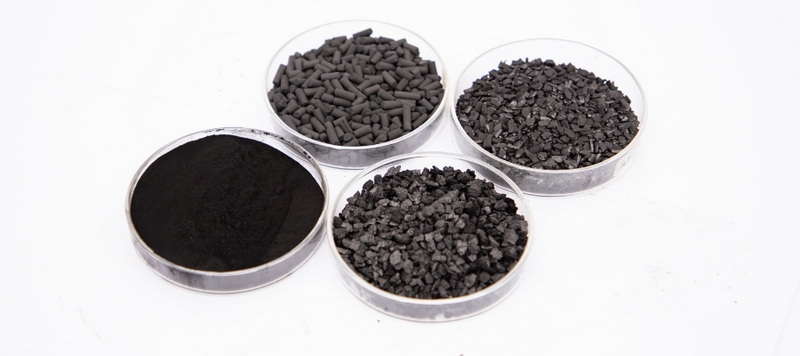
Activated carbon (often called activated charcoal in consumer and medical contexts) is charcoal or another carbon source that has been further processed to dramatically increase internal surface area and create a dense network of micro‑pores. This activation step transforms the material from a basic fuel into a high‑performance adsorbent for water treatment, air and gas purification, food and beverage processing, chemical and pharmaceutical industries, and many other applications.[4][1][2]
How Are Charcoal And Activated Carbon Produced?
Charcoal is produced through pyrolysis: wood or other biomass is heated with little oxygen so it does not fully burn, leaving behind solid carbon with moderate porosity. The process parameters are usually optimized for energy content and combustion characteristics rather than maximum surface area or precisely controlled pore structure.[3][1]
Activated carbon is made from carbon‑rich raw materials such as coal, coconut shells, wood, peat, or nutshells that are first carbonized and then “activated” using steam (physical activation) or chemicals to open up a huge internal pore network. Through this activation step, the specific surface area can reach roughly 700–1,500 m²/g or even higher, giving activated carbon far greater adsorption capacity than ordinary charcoal.[5][2][4]
Key Structural And Performance Differences
Both charcoal and activated carbon are porous carbon materials, but their pore structures differ greatly in scale and development. Charcoal has relatively limited and less controlled pores, while activated carbon has a highly developed micro‑porous structure specifically engineered for efficient adsorption of organic molecules, gases, and many dissolved contaminants.[1][5][2][4]
Because of its much higher surface area and optimized pores, activated carbon can adsorb contaminants far more effectively than regular charcoal, especially at low contaminant concentrations. This makes activated carbon the preferred choice for industrial and environmental purification where consistent removal of trace compounds, odors, and volatile organic compounds (VOCs) is required.[6][5][2][4]
Typical Uses Of Charcoal
Charcoal's main use worldwide is as a fuel for cooking, grilling, and heating because it burns hot, relatively clean, and with predictable combustion properties. It also plays a role as a reducing agent and energy source in metallurgical processes such as iron and steel production, where its high carbon content is valuable.[3][1]
In some cases, charcoal is used for basic filtration or odor control—for example, simple improvised filters or small consumer products—because it is somewhat porous and can adsorb certain compounds. However, charcoal's lower surface area and less refined pore structure mean its adsorption efficiency and capacity are much lower than those of activated carbon in most water or air purification systems.[7][8][1][3]
Typical Uses Of Activated Carbon
Activated carbon is one of the most important industrial adsorbents and is used extensively in water treatment to remove chlorine, taste‑ and odor‑forming compounds, organic pollutants, and many trace contaminants. Granular activated carbon beds, powdered activated carbon dosing, and block filters are common solutions for municipal drinking water, groundwater cleanup, and industrial wastewater polishing.[9][4]
In air and gas purification, activated carbon filters and beds remove VOCs, sulfur compounds, ammonia, and odorous molecules from exhaust gases, process air, and indoor environments. Activated carbon is also used in food and beverage decolorization, solvent recovery, pharmaceutical purification, and medical treatments such as emergency poisoning management, where its high adsorption capacity is critical.[10][11][9][6]
Are Activated Carbon And Activated Charcoal The Same?
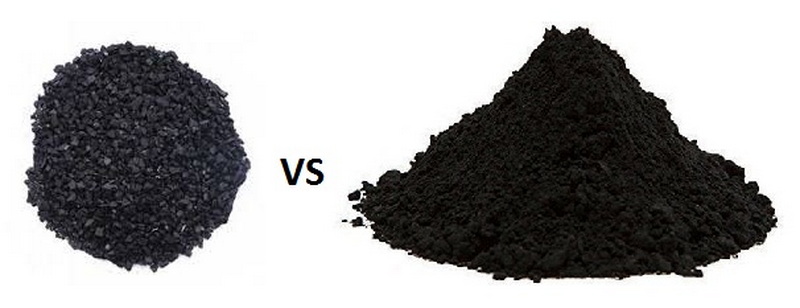
In many consumer and medical contexts, the terms “activated carbon” and “activated charcoal” are used interchangeably and refer to the same activated, highly porous material. Activated charcoal tablets or powders sold for poisoning treatment or digestive health, for example, are simply specific forms of activated carbon made from suitable raw materials and processed to meet medical standards.[8][2]
In industrial practice, the term “activated carbon” is generally preferred because it covers a broad range of highly engineered grades with different raw materials, pore structures, particle sizes, and performance characteristics for water, air, and process applications. This industrial terminology helps distinguish high‑performance activated carbon media from simple charcoal used mainly as fuel or for very basic filtration.[12][2][4]
Why Activated Carbon Performs Better Than Charcoal In Filtration
Activated carbon's superior performance in water and air treatment comes from its very high internal surface area and carefully developed pore size distribution. A small amount of activated carbon provides an enormous active surface, allowing it to capture a large quantity of dissolved or gaseous contaminants through adsorption.[5][10][6]
Charcoal, with its lower surface area and less tailored pores, offers much smaller adsorption capacity and is often unable to effectively remove low‑concentration contaminants or a wide range of organic molecules. Scientific and technical sources consistently recommend activated carbon over regular charcoal where reliable purification, regulatory compliance, or protection of human health and industrial processes is required.[2][7][1]
When Is Charcoal Not Enough And Activated Carbon Is Needed?
Charcoal may be adequate when the main requirement is heat generation, basic smoke reduction, or very simple odor control where exact performance is not critical. In these cases, cost and fuel properties matter more than high adsorption capacity or tight control of contaminant removal.[1][3]
However, for drinking water treatment, industrial wastewater polishing, high‑value product purification, solvent recovery, and stringent air emission control, activated carbon is almost always required. In such applications, activated carbon's high and predictable adsorption performance, regenerability in many systems, and availability in multiple specialized grades make it the practical standard rather than ordinary charcoal.[13][4][9][2]
Example Industrial Applications For Activated Carbon
In municipal and industrial water treatment plants, granular activated carbon filters polish water after coagulation, sedimentation, and filtration, removing residual organics, taste, odor, and disinfection by‑products. Powdered activated carbon is also dosed into treatment basins to control seasonal taste‑ and odor‑forming compounds and micro‑pollutants.[4][9]
In air and gas systems, fixed beds and cartridges filled with activated carbon protect workers and equipment by capturing VOCs, organic solvents, and corrosive gases from exhaust and process streams. Many industries rely on activated carbon for product purification—from decolorizing sugar solutions to removing trace impurities in pharmaceutical intermediates—because of its high adsorption efficiency at low contaminant concentrations.[11][10][9][6]
How To Communicate With Customers: Charcoal vs Activated Carbon
For technical and industrial buyers, using the term “activated carbon” clearly signals a high‑performance adsorbent designed for water, air, and process purification, distinguishing it from fuel‑grade charcoal. Emphasizing activated carbon's engineered pore structure, specific surface area, and tailored grades helps customers understand why it delivers superior and more consistent purification results.[9][5][2][4]
For consumer or medical audiences, it is reasonable to acknowledge that “activated charcoal” is commonly used in packaging and marketing while clarifying that this is technically activated carbon. This approach keeps messaging familiar to end users while maintaining accuracy about the material's industrial‑grade performance and suitability for critical purification applications.[8][12][2]
Conclusion
Activated carbon and charcoal are related but not identical materials: both are carbon‑rich and porous, but activated carbon undergoes an additional activation process that creates vastly higher surface area and a highly developed pore structure. While charcoal is mainly a fuel and basic adsorbent, activated carbon is a sophisticated industrial adsorbent used in water treatment, air and gas purification, food and beverage, chemicals, pharmaceuticals, and many other sectors where reliable contaminant removal is essential.[2][4][1]
In consumer and medical markets, “activated charcoal” often refers to the same activated carbon material, but industrial buyers generally prefer the more precise term “activated carbon” to emphasize engineered performance. For any critical purification or environmental application, selecting the right activated carbon grade—rather than ordinary charcoal—ensures safer products, cleaner effluents, and more dependable process operation.[4][8][9][2]
FAQ About Activated Carbon And Charcoal
1. Are activated carbon and charcoal the same thing?
No, activated carbon and charcoal are not the same thing, although they are closely related. Charcoal is a carbon‑rich material produced mainly for fuel, while activated carbon is charcoal or another carbon source that has been further activated to create a much higher surface area and superior adsorption performance for purification applications.[1][2]
2. Why is activated carbon better than charcoal for water and air treatment?
Activated carbon is better than charcoal for water and air treatment because its activation process generates a dense network of micro‑pores and extremely high internal surface area. This structure allows activated carbon to adsorb a wide range of contaminants at low concentrations, whereas ordinary charcoal has limited adsorption capacity and cannot reliably meet most industrial or drinking water treatment requirements.[7][6][5][2]
3. Is “activated charcoal” the same as “activated carbon” in medical products?
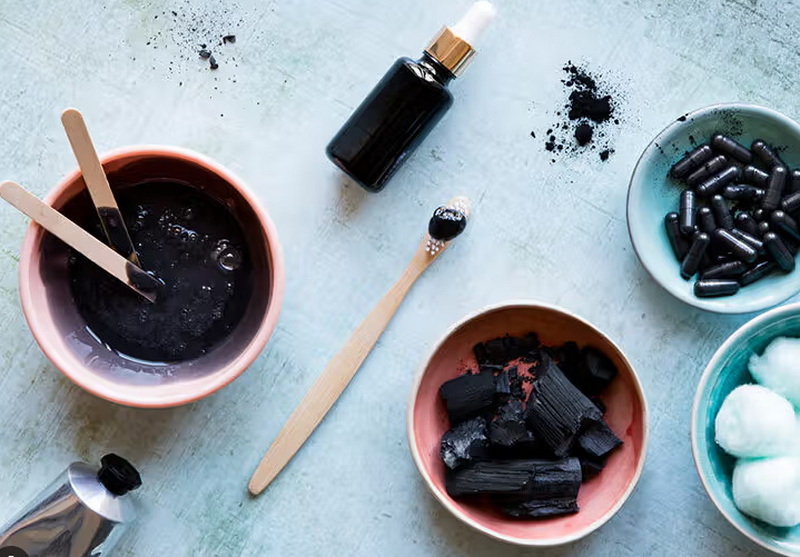
In most medical and consumer products, “activated charcoal” is simply a common label for pharmaceutical‑grade activated carbon. These powders or tablets are manufactured under strict quality and purity standards so they can safely adsorb certain toxins in the gastrointestinal tract or serve as components in health and beauty products.[8][2]
4. Can regular charcoal be used instead of activated carbon in filters?
Regular charcoal can provide some basic filtration, but it usually cannot match the performance of activated carbon in removing trace contaminants, odors, and VOCs from water or air. For critical applications such as drinking water, industrial wastewater, or high‑value product purification, technical guidelines strongly favor activated carbon over simple charcoal to ensure reliable and predictable results.[7][9][2][1]
5. What are common industrial applications of activated carbon compared with charcoal?
Activated carbon is widely used in municipal and industrial water treatment plants, air and gas purification systems, food and beverage decolorization, solvent recovery, and pharmaceutical and fine chemical purification. Charcoal, by contrast, is primarily used as a fuel and only occasionally in basic filtration or odor control where high adsorption efficiency is not required.[3][9][4][1]
Citations:
[1](https://cementplantequipment.com/what-is-the-differences-between-charcoal-and-activated-charcoal/)
[2](https://www.bygen.com.au/post/activated-carbon-vs-charcoal-what-s-the-difference-and-why-it-matters)
[3](https://charcoalmelbourne.com.au/debunking-the-difference-between-charcoal-and-activated-charcoal.html)
[4](https://emis.vito.be/en/bat/tools-overview/sheets/activated-carbon-adsorption)
[5](https://www.charcoalmachinery.com/differences-between-wood-charcoal-and-activated-carbon/)
[6](https://www.watertechonline.com/wastewater/article/15549902/the-basics-of-activated-carbon-adsorption)
[7](https://www.carbon-filter.net/which-is-better-charcoal-or-carbon-filter)
[8](https://www.iso-aire.com/what-is-a-carbon-filter)
[9](https://www.naturecarbon.com/news/activated-carbon-adsorption-principle-84944425.html)
[10](https://www.chemviron.eu/how-does-activated-carbon-work/)
[11](https://www.tbh.eu/en/how-does-adsorption-with-activated-carbon-work/)
[12](https://enviroliteracy.org/animals/is-charcoal-same-as-activated-carbon/)
[13](https://generalcarbon.com/facts-about-activated-carbon/carbon-adsorption-2/)
[14](https://www.youtube.com/watch?v=XUYz1i1rJwo)
[15](https://generalcarbon.com/facts-about-activated-carbon/activated-carbon-faq/)
[16](https://www.reddit.com/r/explainlikeimfive/comments/14woio8/eli5_how_is_charcoal_activated_and_what_makes_it/)
[17](https://www.westerncarbon.com/activated-carbon-activated-charcoal/)
[18](https://www.reddit.com/r/preppers/comments/1f6bzbz/is_it_practical_to_use_regular_charcoal_as_water/)
[19](https://char-grow.com/biochar-vs-charcoal-vs-activated-carbon)
[20](https://sswm.info/sswm-university-course/module-6-disaster-situations-planning-and-preparedness/further-resources-0/adsorption-(activated-carbon))


